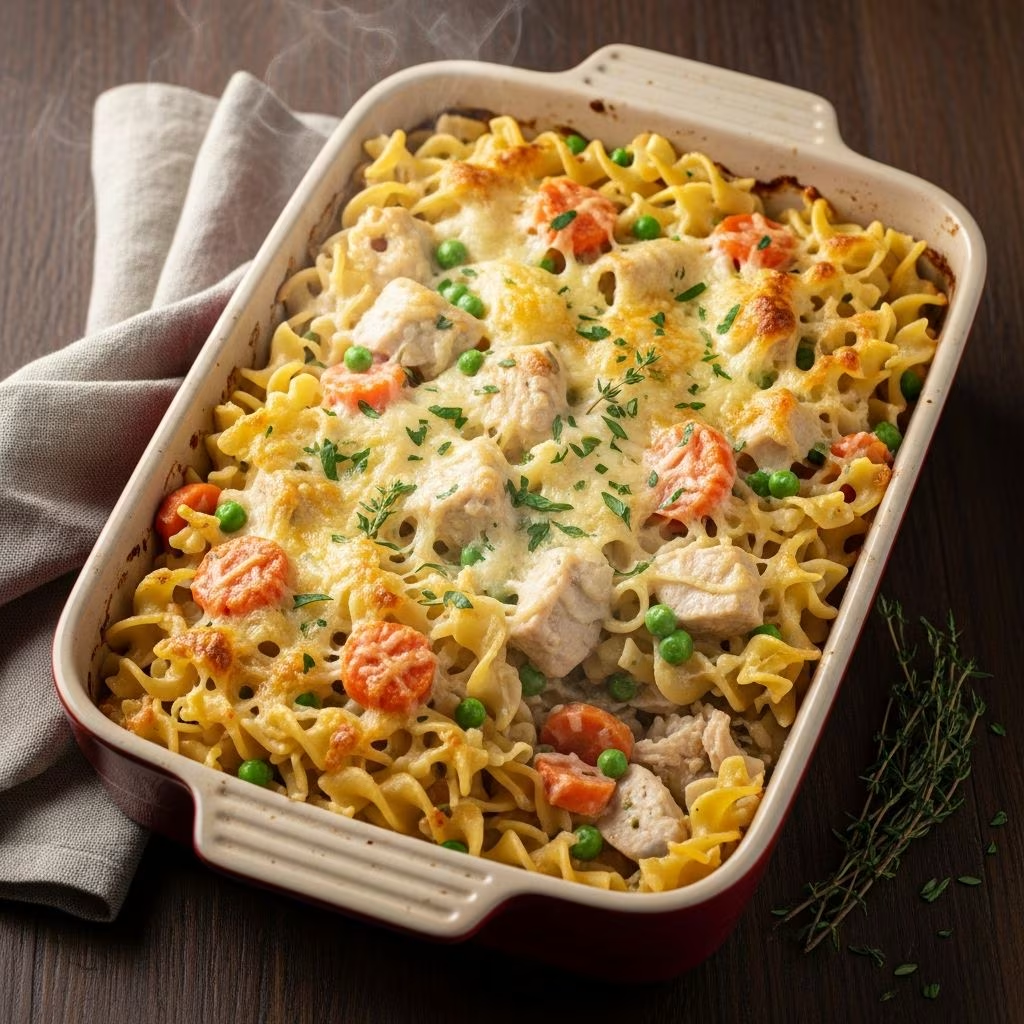
A chicken noodle casserole represents one of the most reliable comfort food options for busy families and home cooks seeking satisfying meals without excessive complexity. This beloved dish combines fundamental ingredients into a cohesive, warming creation that appeals to both children and adults. The beauty of this casserole lies in its adaptability and straightforward preparation method, making it an excellent choice for weeknight dinners or casual entertaining.
Understanding the Fundamentals of Casserole Cooking
Casseroles occupy a unique position within home cooking traditions. They involve combining multiple components into a single vessel, then baking everything together to create an integrated dish where flavors meld and textures transform through heat application. The chicken noodle variation specifically leverages the mild nature of egg noodles, which absorb surrounding flavors while maintaining their structural integrity during baking.
The creamy foundation that characterizes this dish typically derives from condensed soups or milk-based sauces. These liquid components prevent dryness while facilitating even cooking throughout the casserole. The combination of protein, carbohydrates, and vegetables creates a nutritionally balanced single-dish meal that requires minimal accompaniments.
Essential Ingredients and Their Roles
Assembling the proper ingredients forms the foundation for successful casserole preparation. Understanding what each component contributes helps home cooks make informed substitutions or modifications based on available resources.
- Egg noodles provide the structural base, offering familiar texture and mild flavor that serves as a canvas for other ingredients
- Cooked chicken supplies protein and savory depth, whether from rotisserie birds, canned options, or freshly prepared breasts
- Cream of chicken soup creates the signature creamy sauce base that binds ingredients together
- Whole milk adjusts sauce consistency and contributes richness without overwhelming other flavors
- Frozen vegetables add nutritional value, color contrast, and subtle flavor complexity to the mixture
- Cheddar cheese enhances creaminess when mixed into the casserole body and creates appealing golden tones when baked
- Breadcrumb topping offers textural contrast through a crispy exterior layer
Step-by-Step Preparation Process
Preparing Your Equipment and Oven
Before beginning ingredient assembly, establish proper oven conditions. Preheating your oven to the appropriate temperature ensures even cooking throughout the casserole and helps achieve the desired browning on the topping. Select a casserole dish that accommodates your ingredients comfortably without excessive empty space, typically a 9-by-13-inch rectangular baking vessel. Prepare the dish by coating the interior with non-stick spray or a light butter application to prevent sticking.
Cooking the Noodle Foundation
Begin by bringing a large pot of salted water to a rolling boil. Add the egg noodles and cook according to package directions, typically ranging from 5 to 8 minutes depending on noodle thickness and desired firmness. The goal involves achieving an al dente texture—tender enough for eating but maintaining slight resistance when bitten. This slightly undercooked state proves important because the noodles will continue softening during baking. Once cooking completes, drain the noodles thoroughly using a colander, shaking gently to remove excess water that could dilute the sauce.
Assembling the Casserole Mixture
Transfer the drained noodles to a large mixing bowl, then add your cooked, chopped chicken. Pour in the cream of chicken soup, followed by the milk, stirring as you combine these liquid components. Add your frozen vegetables directly from the freezer—they will thaw during mixing and baking. Incorporate your shredded cheddar cheese, stirring until evenly distributed throughout the mixture. Season with salt and pepper to taste, adjusting these seasonings based on your soup’s existing sodium content.
Creating the Textured Topping
In a separate small bowl, combine breadcrumbs with melted butter, stirring until the mixture resembles coarse sand. This textured topping creates contrast against the creamy casserole interior while adding visual appeal and satisfying crunch. Some variations incorporate grated cheese into this topping layer for enhanced flavor and browning.
Baking and Achieving Ideal Results
Transfer your casserole mixture into the prepared baking dish, spreading it into an even layer. Distribute the breadcrumb topping evenly across the surface. Place the dish in your preheated oven and bake until the mixture becomes bubbly around the edges and the topping achieves a golden-brown appearance, typically requiring 20 to 35 minutes depending on your specific oven’s characteristics.
If desired, briefly run the casserole under your oven’s broiler during the final minute of cooking to intensify the topping’s color and crispness. Monitor carefully during this step to prevent burning. Remove the casserole from heat and allow a few minutes of resting time before serving, which helps the dish set slightly and makes portioning easier.
Customization and Variation Strategies
| Modification Area | Alternative Options | Impact on Dish |
|---|---|---|
| Chicken Source | Rotisserie chicken, canned chicken, fresh-cooked breasts, leftover turkey | Affects flavor intensity and texture; canned offers convenience while fresh provides superior quality |
| Pasta Choice | Wide egg noodles, small pasta shells, penne, elbow macaroni | Changes texture and sauce absorption rates; wider shapes hold sauce more effectively |
| Cream Component | Cream of mushroom soup, cream of celery soup, homemade béchamel sauce | Introduces different flavor profiles; homemade sauce offers superior control over ingredients |
| Vegetable Selection | Fresh diced vegetables, canned peas, mixed vegetables, broccoli florets, corn | Affects nutritional profile and flavor complexity; fresh vegetables provide superior texture but require additional prep |
| Cheese Options | Gruyere, Swiss cheese, mixed cheese blends, cream cheese additions | Modifies richness and flavor depth; different cheeses melt at varying rates |
| Topping Variations | Crushed crackers, panko breadcrumbs, crushed potato chips, herb-seasoned crumbs | Changes textural experience and flavor profile; specialty crackers add unique dimensions |
Storage and Make-Ahead Strategies
Casseroles offer significant convenience advantages through their make-ahead capabilities. Assemble the entire mixture in your baking dish up to 24 hours in advance, cover it with plastic wrap, and refrigerate until baking time arrives. This approach works particularly well for busy families managing multiple activities. Add approximately 10 minutes to your baking time when cooking from a cold state, as the casserole requires additional time reaching the proper temperature throughout.
Leftover portions store well in airtight containers for up to three days in standard refrigeration. Reheat individual portions in a microwave or the entire remaining casserole in a preheated oven at 350 degrees Fahrenheit until warmed through. Freezing is also viable—allow the baked casserole to cool completely, then wrap it securely in plastic wrap and aluminum foil before freezing for up to three months. Thaw overnight in the refrigerator before reheating.
Frequently Asked Questions
What causes my casserole to turn out watery?
Excessive moisture typically results from using too much milk or from vegetables releasing liquid during cooking. Ensure you follow ingredient measurements precisely and consider thawing frozen vegetables before adding them, then draining any accumulated liquid.
Can I make this casserole without cream of chicken soup?
Yes. Create a simple béchamel sauce by whisking melted butter with flour to form a roux, then gradually adding milk while stirring continuously until thickening occurs. Season this homemade sauce with chicken broth, salt, and pepper for comparable results with more control over sodium content.
How should I adjust cooking time for a smaller casserole dish?
A smaller, deeper dish requires additional cooking time since heat penetrates less effectively to the center. Begin checking for doneness at 30 minutes, extending as needed until bubbly throughout.
What protein alternatives work well in this casserole?
Turkey, ham, and seafood options like shrimp or canned tuna adapt well to the basic casserole formula. Adjust your cream soup selection to complement your chosen protein—cream of mushroom soup pairs nicely with beef alternatives.
Why should noodles be slightly undercooked initially?
Noodles continue softening as the casserole bakes through continued heat exposure and moisture absorption from the surrounding sauce. Starting with al dente pasta prevents the final product from becoming mushy or overdone.
Serving Suggestions and Pairings
While chicken noodle casserole functions as a complete meal unto itself, thoughtful accompaniments enhance the dining experience. A simple green salad with vinaigrette-based dressing provides refreshing contrast to the casserole’s creaminess. Steamed broccoli or roasted Brussels sprouts contribute nutritional balance while offering different textural experiences. Garlic bread or dinner rolls complement the casserole nicely for those desiring additional carbohydrates. A light white wine such as Sauvignon Blanc or Pinot Grigio pairs well with the dish’s savory, creamy characteristics.
Nutritional Considerations
This casserole provides balanced macronutrients through its combination of protein from chicken, carbohydrates from noodles, and fat from dairy components. Adding additional vegetables increases fiber content and vitamin density without significantly impacting preparation complexity. Using reduced-fat milk and lighter cheese options reduces overall calorie and fat content for health-conscious modifications. Portion sizes typically range from one to one-and-a-half cups per serving, with the basic recipe yielding approximately six servings.
Conclusion: Why This Casserole Endures
The chicken noodle casserole maintains its place in home cooking traditions through its reliable delivery of comfort, satisfaction, and convenience. Its straightforward preparation process requires no specialized cooking skills, making it accessible to cooks of varying experience levels. The flexibility inherent in the basic formula allows endless customization based on available ingredients and personal preferences. Whether preparing dinner for a quiet family evening or feeding a small gathering, this casserole adapts to various situations while consistently delivering the warmth and nourishment that define true comfort food.
References
- Quick Chicken and Noodle Bake — Spend With Pennies. 2024. https://www.spendwithpennies.com/quick-chicken-and-noodle-bake/
- Dump and Go Chicken Noodle Casserole — Julia Pacheco. 2024. https://www.juliapacheco.com/chicken-noodle-casserole/
- Chicken Noodle Casserole Recipe — Easy Chicken Recipes. 2024. https://easychickenrecipes.com/chicken-noodle-casserole/
- Chicken Noodle Casserole — The Country Cook. 2024. https://www.thecountrycook.net/chicken-noodle-casserole/
- Chicken Noodle Casserole — Easy Family Recipes. 2024. https://easyfamilyrecipes.com/chicken-noodle-casserole/
- Chicken & Noodle Casserole Recipes — Campbell’s. 2024. https://www.campbells.com/recipes/chicken-noodle-casserole/