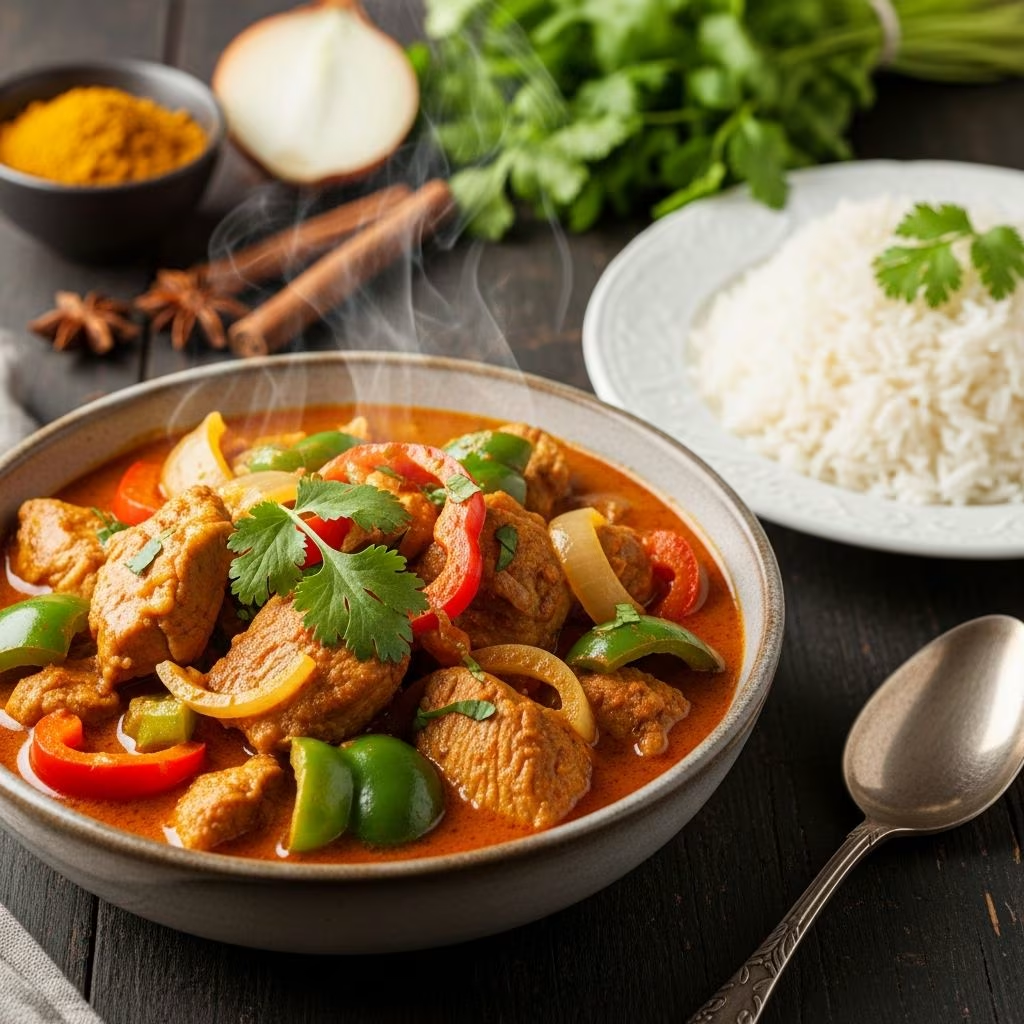
Creating an authentic-tasting curry at home doesn’t require hours in the kitchen or an intimidating list of exotic ingredients. This accessible approach to chicken curry brings together everyday pantry staples with warm spices to deliver a comforting meal that works beautifully for weeknight dinners, family gatherings, or meal planning. The beauty of this recipe lies in its simplicity: minimal prep work, straightforward cooking techniques, and results that taste far more impressive than the effort invested.
Why This Curry Recipe Works for Everyone
One of the primary reasons home cooks gravitate toward this curry preparation is its forgiving nature. Unlike more complex curry techniques that demand precise timing or specialty equipment, this version embraces flexibility. The mild spice profile appeals to families with varying heat preferences, yet the aromatic foundation delivers genuine curry flavor without requiring a culinary degree to achieve.
The recipe balances several key elements that distinguish it from oversimplified versions. A proper base of aromatics—onions, garlic, and ginger—provides the foundational flavor layer. These vegetables caramelize slightly during the initial cooking phase, developing deeper, more complex notes than raw versions would offer. The spice blend combines multiple components rather than relying on a single curry powder, which creates a more nuanced final dish.
Essential Ingredients and Their Roles
Success with this curry begins with understanding what each ingredient contributes to the finished dish:
- Chicken: Boneless, skinless chicken breasts or thighs work equally well, though thighs offer slightly more moisture and flavor. Cutting the protein into uniform bite-sized pieces ensures even cooking throughout the simmering period.
- Aromatics: Yellow or white onions provide sweetness and body, while fresh garlic delivers pungency and depth. Fresh ginger adds warmth and a subtle spice note that powder cannot replicate.
- Spice Blend: Mild curry powder forms the base, supplemented by ground coriander for citrus notes, cumin for earthiness, paprika for subtle sweetness and color, and cinnamon for warmth and complexity. This combination creates a well-rounded flavor profile.
- Tomato Components: Tomato paste concentrates and intensifies tomato flavor while reducing excess liquid. Canned tomatoes provide acidity and body to the sauce.
- Coconut Milk: Full-fat coconut milk creates richness and a velvety texture that balances the spices. It mellows the heat while adding subtle sweetness.
- Chicken Stock: This liquid component prevents the curry from becoming too thick while distributing flavors evenly throughout the sauce.
Step-by-Step Cooking Process
The cooking method emphasizes building flavors progressively rather than combining everything simultaneously:
Initial Protein Preparation: Begin by heating oil in a large frying pan or skillet over medium-high heat. Once the oil shimmers slightly, add the chicken pieces. Allow them to cook for approximately five minutes, stirring occasionally, until the exterior develops a light golden color. This searing step isn’t about cooking the chicken through completely; rather, it creates a flavorful crust that contributes depth to the finished dish.
Aromatic Foundation: After removing the chicken briefly or keeping it in the pan, add the finely chopped onion to the warm oil. Stir frequently and cook for about five minutes until the onion softens and becomes somewhat translucent. This development phase allows the onion’s natural sugars to release and caramelize slightly, sweetening and enriching the base.
Spice Blooming: Add the minced garlic, ginger, curry powder, ground coriander, cumin, paprika, cinnamon, salt, and pepper. Stir this mixture constantly for approximately one minute. This brief cooking period—sometimes called “blooming”—allows the spices to release their essential oils into the warm oil, intensifying their flavors and preventing them from tasting raw or harsh in the final dish.
Sauce Assembly: Pour in the tomato paste, stirring to combine thoroughly with the spiced oil. Then add the canned tomatoes along with their liquid, followed by the chicken stock and coconut milk. Stir well, ensuring all ingredients integrate smoothly. Return the chicken to the pan if it was removed.
Simmering Phase: Increase heat to bring the mixture to a gentle simmer, then reduce to medium or medium-low to maintain a soft, steady bubble. Stir occasionally to prevent sticking and promote even cooking. Continue this gentle simmering for approximately ten to twelve minutes until the chicken is completely cooked through and the sauce thickens slightly from reduction.
Ingredient Quantities and Proportions
| Ingredient | Amount | Notes |
|---|---|---|
| Vegetable Oil | 2 tablespoons | Coconut or olive oil works as alternatives |
| Chicken | 500g (about 1 pound) | Breast or thigh; cut into bite-sized chunks |
| Onion | 1 large or 2 small | Finely chop for even cooking |
| Garlic | 2 cloves | Minced fresh garlic preferred |
| Ginger | 2 teaspoons | Freshly minced ginger paste |
| Curry Powder | 2 tablespoons | Mild variety; increase for spice |
| Ground Coriander | 1 tablespoon | Adds citrus brightness |
| Ground Cumin | ½ tablespoon | Provides earthy undertones |
| Paprika | 1 teaspoon | Adds color and mild sweetness |
| Cinnamon | ½ teaspoon | Ground; enhances warmth |
| Salt | ½ teaspoon | Adjust to taste |
| Black Pepper | ½ teaspoon | Freshly ground preferred |
| Tomato Paste | 2 tablespoons | Concentrates tomato flavor |
| Canned Tomatoes | 400g (14 ounces) | Finely chopped variety works best |
| Chicken Stock | 240ml (1 cup) | Low-sodium or homemade |
| Coconut Milk | 400ml (14 ounces) | Full-fat for richness |
Customization and Variation Strategies
This recipe’s structure allows for creative adjustments based on dietary preferences or ingredient availability. Those seeking additional heat can increase the curry powder proportion, add cayenne pepper near the end of cooking, or include fresh red chilies. Conversely, individuals preferring milder flavors can reduce the spice quantities without compromising the dish’s integrity.
Protein alternatives include shrimp (reduce cooking time to five minutes), chickpeas for vegetarian versions, or a combination of vegetables like bell peppers and zucchini. Some cooks substitute regular milk thinned with water for coconut milk, though this produces a lighter result. Coconut cream can replace some of the coconut milk for enhanced richness.
The spice profile itself offers flexibility. Those enjoying warm, complex notes might increase cinnamon to one full teaspoon. Adding garam masala introduces traditional Indian curry complexity. A touch of turmeric provides both color and earthy flavor. Crushed garlic or garlic paste offers different intensity levels compared to minced garlic.
Serving Recommendations and Pairings
While this curry stands satisfyingly on its own, thoughtful accompaniments enhance the dining experience. Fluffy jasmine or basmati rice provides an ideal base for soaking up the aromatic sauce. Warm naan bread offers a contrasting texture and serves as an edible vehicle for the curry.
Consider topping the finished dish with yogurt or sour cream, which adds coolness and creaminess that balances the warm spices. Fresh cilantro leaves scattered over the top contribute brightness and a subtle herbal note. Sliced red onions, lime wedges for squeezing at the table, or mango chutney add layers of flavor and texture.
Storage and Make-Ahead Strategy
This curry actually improves over time as flavors continue melding. Store leftover curry in an airtight container in the refrigerator for up to three days. The sauce may thicken further as it cools due to coconut milk solidifying; thin it with a splash of stock when reheating.
For freezing, transfer cooled curry to freezer-safe containers, leaving slight headspace for expansion. Properly frozen curry keeps for up to three months. Thaw overnight in the refrigerator before reheating gently on the stovetop over medium heat, stirring occasionally and adding stock if needed to reach desired consistency.
Frequently Asked Questions
Can I prepare this curry in advance?
Yes, prepare the curry up to two days ahead and refrigerate. Reheat gently on the stovetop before serving. The flavors actually develop and deepen when the dish sits overnight.
What’s the best way to adjust spice levels?
Reduce curry powder and other spices by half initially, then taste and add more if desired. It’s easier to increase heat than reduce it. Add additional spices slowly and taste frequently.
Can I use bone-in chicken instead?
Bone-in pieces work but require extended cooking time, typically fifteen to twenty minutes. Bones add flavor to the sauce, though they’re less convenient to eat.
Is coconut milk essential?
Coconut milk creates the traditional creamy texture and flavor, but heavy cream or Greek yogurt (added at the end) offer alternatives. The result will taste different but still satisfying.
How do I prevent the sauce from separating?
Stir occasionally during cooking and avoid boiling vigorously. Separating coconut milk is normal and flavorful, but gentle simmering keeps it more emulsified.
Can this recipe be made dairy-free?
This version is naturally dairy-free when made with coconut milk. Ensure all other ingredients, particularly stock and spice blends, contain no dairy.
References
- Chicken Curry Recipe — Kitchen Sanctuary. 2024. https://www.kitchensanctuary.com/easy-chicken-curry/
- Chicken Curry — RecipeTin Eats. 2024. https://www.recipetineats.com/chicken-curry/
- Easy Chicken Curry Recipe — Get Inspired Everyday. 2024. https://getinspiredeveryday.com/food/easy-chicken-curry/
- Quick Coconut Chicken Curry Recipe — Simple Home Edit. 2024. https://simplehomeedit.com/recipe/quick-coconut-chicken-curry/
- Chicken Curry Recipe — Indian Healthy Recipes. 2024. https://www.indianhealthyrecipes.com/chicken-curry/