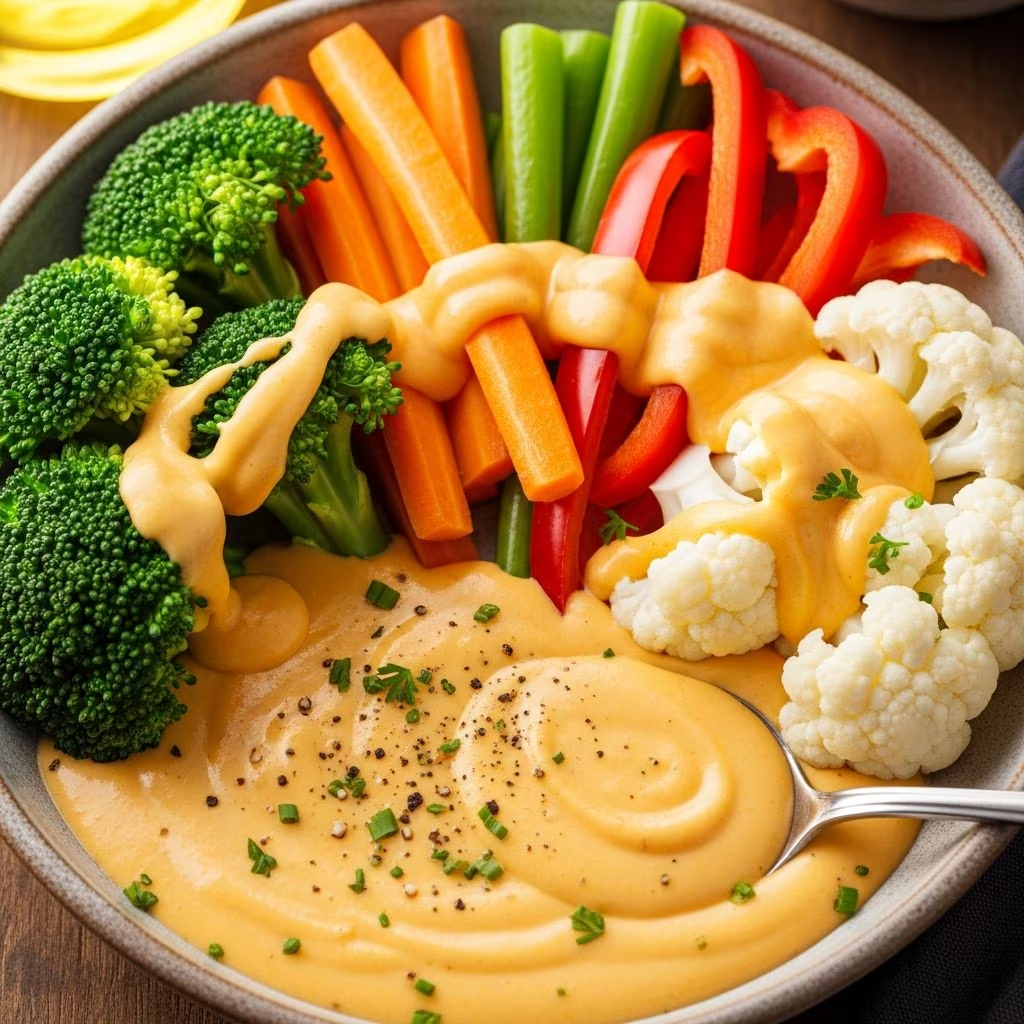
Transform everyday vegetables like broccoli and cauliflower into irresistible dishes with a velvety cheese sauce. This versatile condiment adds richness and flavor, making nutrient-packed sides a family favorite. Whether you’re steaming fresh florets or roasting them to perfection, a well-made cheese sauce ties everything together seamlessly.
Why Cheese Sauce Elevates Vegetables
Broccoli and cauliflower offer crunch and earthiness, but cheese sauce brings creaminess and umami that masks any bitterness. The combination encourages vegetable consumption, especially among children, by blending familiar comfort with healthy greens. Scientifically, cheese’s fats coat the tongue, softening vegetable textures and enhancing taste perception.
Key benefits include boosted calcium and protein intake from dairy paired with vitamins C and K from cruciferous veggies. A single serving can provide up to 20% of daily vitamin needs, per USDA nutritional data.
Essential Ingredients for Perfect Sauce
Building a flawless cheese sauce starts with quality components. Focus on sharp cheddar for bold flavor, as its acidity cuts through milk’s sweetness.
- Cheddar cheese: 1-2 cups shredded, preferably block-fresh for better melt.
- Milk or cream: 1 cup whole milk for richness; alternatives like 2% work but may thin the mix.
- Butter or oil: 2 tablespoons to form the base roux.
- Flour or cornstarch: 2 tablespoons for thickening without lumps.
- Seasonings: Salt, pepper, mustard, garlic powder for depth.
Pro tip: Grate cheese yourself to avoid anti-caking agents in pre-shredded varieties that hinder smooth melting.
Classic Stovetop Cheese Sauce Method
This foolproof technique yields a lump-free sauce in under 10 minutes, ideal for weeknight meals.
- Melt 2 tablespoons butter in a saucepan over medium heat.
- Whisk in 2 tablespoons flour; cook 1-2 minutes until bubbly, stirring constantly to remove raw flour taste.
- Slowly pour in 1 cup milk while whisking vigorously to prevent clumps.
- Bring to a simmer, then reduce heat. Add 8 oz shredded cheddar gradually, stirring until melted.
- Season with 1 tsp Dijon mustard, salt, and pepper. Remove from heat immediately to avoid separation.
Serve warm over steamed veggies. The sauce thickens as it cools, creating a perfect drape.
Microwave Cheese Sauce for Speed
Perfect for busy cooks, this hands-off method uses pantry staples.
- Combine 1 cup shredded cheese, 3/4 tsp cornstarch, salt, pepper, and spices in a microwave-safe bowl.
- Stir in 1/2 cup milk, 1 tbsp ketchup, and 2 tsp mustard.
- Microwave in 1-minute bursts, stirring between, for 3-4 minutes until thick and hot.
This version adds a subtle tang from ketchup and mustard, mimicking gourmet dips without extra effort.
Baked Broccoli Cauliflower Casserole
Take sauce to the next level with a bubbly bake.
- Preheat oven to 375°F (190°C).
- Blanch 1 head each broccoli and cauliflower florets for 3-5 minutes; drain well to avoid sogginess.
- Prepare sauce as stovetop method, using 2.5 cups milk, 1/4 cup butter, 1/4 cup flour, and 3 cups cheese.
- Layer veggies in a greased dish, pour sauce over, top with extra cheese.
- Bake 20-25 minutes until golden and bubbling.
This dish serves 6-8 as a holiday side, with crispy edges from the broiled top.
Vegetable Prep: Steaming and Roasting
Proper cooking preserves veggie texture for sauce pairing.
Steaming Guide
Steam broccoli 3 minutes, cauliflower 5 minutes over boiling water with salt sprinkle for flavor infusion. This retains crunch and vibrant color.
Roasting Alternative
- Toss florets in oil, salt, roast at 425°F for 20 minutes until caramelized.
- Drizzle sauce post-roast for contrast of hot veggies and cool sauce.
Avoid over-boiling, as it releases water that dilutes sauce.
Customizations and Variations
Adapt for diets and tastes.
| Variation | Key Changes | Best For |
|---|---|---|
| Gluten-Free | Swap flour for cornstarch (1:2 ratio) | Sensitive diets |
| Vegan | Cashew cream + nutritional yeast | Plant-based eaters |
| Spicy | Add cayenne, jalapeños | Heat lovers |
| Herb-Infused | Fresh parsley, thyme | Gourmet twist |
Experiment with gouda for smokiness or multiple cheeses for complexity.
Troubleshooting Common Issues
Sauce problems? Here’s how to fix:
- Grainy texture: Cheese added too fast or base too hot. Stir slowly over low heat.
- Too thin: Simmer longer or add more thickener next time.
- Separated: Overheated; whisk in a splash of cold milk to emulsify.
- Lumps: Strain through sieve or blend briefly.
Always use room-temperature cheese for seamless integration.
Nutritional Breakdown and Health Tips
A 1/2 cup serving of sauce offers 300 calories, 20g fat, 15g protein, primarily from cheese. Paired with 1 cup veggies: 250 calories total, high in fiber (5g) and vitamins.
Moderation key: Balance with lean proteins. For low-cal, use skim milk and less cheese. Cruciferous veggies aid detoxification, per NIH studies on sulforaphane compounds.
Pairing Suggestions Beyond Basics
- Proteins: Grilled chicken, baked potatoes, nachos.
- Snacks: Pretzels, fries, veggies sticks for dipping.
- Mains: Mac and cheese upgrade, burger topper.
Freeze sauce in portions for up to 3 months; reheat gently.
FAQs
Can I make cheese sauce ahead?
Yes, refrigerate up to 3 days. Reheat on stovetop with milk splash.
Why does my sauce break?
High heat separates fats. Keep low and slow.
Best cheese types?
Cheddar for sharpness; mix with mozzarella for stretch.
Dairy-free options?
Coconut milk + vegan cheese shreds work well.
How much for a crowd?
Double recipe for 8 servings.
Mastering cheese sauce opens endless veggie possibilities. Practice these methods for restaurant-quality results at home.
References
- Easy Cheese Sauce for Broccoli or Cauliflower — TIMM Special Recipes. 2024-02-01. https://www.timsspecialrecipes.com/2024/02/easy-cheese-sauce-for-broccoli-or.html
- Cauliflower Broccoli Cheese Bake — Bite On The Side. 2023-01-15. https://biteontheside.com/cauliflower-broccoli-cheese-bake/
- Easy Cheese Sauce — The Cozy Cook. 2022-10-10. https://thecozycook.com/easy-broccoli-cheese-sauce/