Understanding the Origins and Evolution of Cassoulet
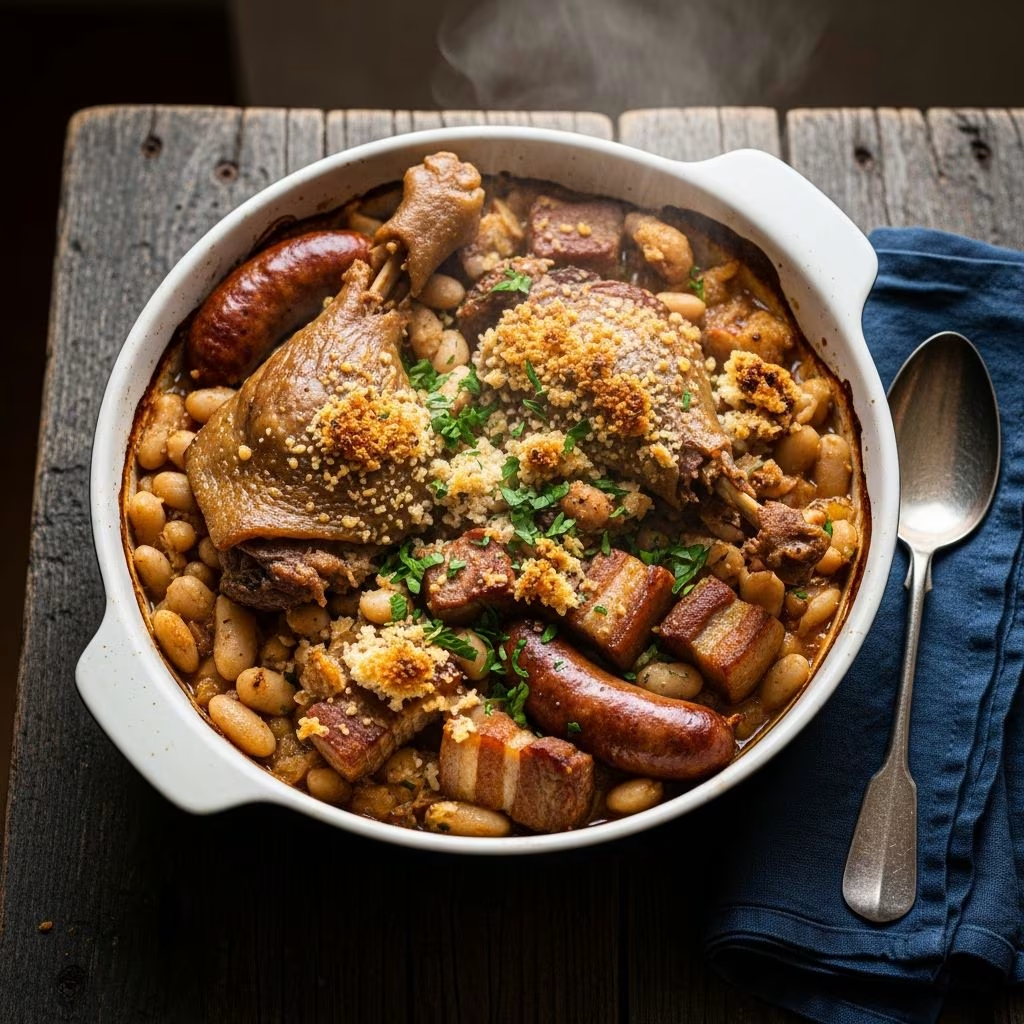
Cassoulet stands as one of France’s most celebrated regional dishes, with roots tracing back to the Occitanie region in southwestern France. This traditional cassole—a earthenware baking vessel—gives the dish its name and represents centuries of culinary heritage. The classic preparation involves slow-cooking white beans with various preserved meats, creating layers of flavor that develop over many hours of patient cooking.
The traditional cassoulet demands considerable time and specialized ingredients, including duck confit, fresh white beans soaked overnight, and multiple meat components that require separate preparation. However, modern home cooks have adapted this rustic French classic to fit contemporary lifestyles without sacrificing the essential character and satisfaction of the dish. By employing strategic ingredient substitutions and streamlined cooking methods, it’s possible to capture the essence of cassoulet in approximately one hour rather than the traditional six to eight hours.
The Foundation: Selecting Your Proteins and Building Flavor
The soul of any cassoulet lies in its protein composition and the layered flavors these ingredients contribute. Traditional recipes incorporate duck confit as the primary protein, but this component requires advance preparation and specialized knowledge. For an accelerated version, boneless, skinless chicken thighs provide an excellent substitute, offering rich flavor and tender texture that withstands the cooking process without drying out. Chicken thighs contain more fat and connective tissue than white meat, making them ideal for braising and maintaining moisture throughout cooking.
Beyond poultry, the dish requires additional meat components to achieve proper depth. Smoked sausage contributes aromatic seasoning and fat that enriches the entire mixture. Bacon serves as both a flavor builder and a fat source for initial cooking stages. The combination of these three proteins—chicken, sausage, and bacon—creates a complex meat profile that mimics the traditional approach while remaining accessible to home cooks.
The cooking sequence matters significantly when developing these flavors:
- Begin by rendering bacon slices in a deep-sided skillet over medium heat until approaching crispness but not yet brittle
- Cook sliced sausage in the bacon fat for approximately three to four minutes, allowing the meat to brown and release its oils
- Add cubed chicken thighs to the same fat and cook for about five minutes until the exterior develops color
- Remove all meat to a separate plate, reserving the flavorful rendered fat in the skillet
Aromatics and Foundational Flavoring Techniques
After removing the proteins, the next step involves creating an aromatic base that will permeate the entire dish. This fundamental technique draws from classical French cooking methods where softened aromatics form the flavor foundation for countless dishes.
Dice one medium onion into quarter-inch pieces. Reduce the heat to medium-low and add the onion to the remaining fat in the skillet along with a generous pinch of salt. Allow the onion to sweat gently for approximately five minutes, stirring occasionally. This low-heat cooking method allows the natural sugars in the onion to develop without browning, creating a sweet, mellow base for the subsequent additions.
The deglazing step follows, where liquid is added to capture all the browned bits adhering to the skillet’s bottom—these caramelized fragments contain concentrated flavor compounds essential to the dish’s depth. Pour chicken broth into the skillet and scrape gently with a wooden spoon to release these flavorful deposits. This technique, called deglazing, transforms those brown bits into additional sauce for the beans and meat.
The Bean Component and Liquid Ratio Management
Traditional cassoulet relies on dried white beans that have been soaked overnight and then slowly cooked until tender. The accelerated version eliminates this time-consuming step by utilizing canned white beans. Two fifteen-ounce cans of white beans, drained and rinsed, provide the legume base for approximately four large portions. Rinsing canned beans removes excess sodium and starch, preventing an overly thick, gummy texture in the final dish.
The liquid component requires careful consideration. Chicken broth serves as the primary cooking medium, with total quantity depending on desired final consistency. For a cassoulet with beans suspended in a creamy but not soupy mixture, approximately two cups of broth works well, though this amount may be adjusted based on the specific skillet size and bean liquid content.
After adding broth to the softened onions, introduce the drained beans directly into the skillet. At this point, return the reserved meat to the pan along with the reserved rendered fat. The combination should appear somewhat liquid—this is intentional, as the subsequent cooking and final breadcrumb topping will absorb excess moisture while creating the signature texture.
Seasoning Strategy and Herbaceous Elements
Cassoulet’s aromatic character derives significantly from careful herb selection. Fresh herbs provide superior flavor compared to their dried counterparts in this application. Fresh rosemary and fresh thyme contribute piney, subtle notes that complement the rich meats and earthy beans. Mince approximately one and one-half teaspoons each of fresh rosemary and fresh thyme, adding these directly to the bean mixture.
A pinch of cayenne pepper provides gentle heat that enhances rather than dominates the overall flavor profile. Salt and freshly ground black pepper should be added judiciously, keeping in mind that the chicken broth and canned beans already contain sodium. Taste the mixture before adding additional salt, as the final breadcrumb topping will also contain seasoned elements.
Allow the entire mixture to simmer gently over medium-high heat for five to six minutes. During this time, the flavors meld together and the beans warm through completely. The mixture will appear somewhat brothy at this stage—this is the correct consistency before applying the distinctive topping.
The Breadcrumb Topping: Achieving the Signature Texture
The cassoulet’s most recognizable characteristic involves its golden breadcrumb crust, which provides textural contrast against the creamy bean interior. Creating this topping requires combining plain breadcrumbs with fat and additional seasonings to form a mixture resembling damp sand.
Combine the following components in a small bowl:
- One cup of plain breadcrumbs (panko or traditional varieties both work effectively)
- Four tablespoons of melted butter or a combination of butter and rendered duck fat if available
- One-half cup of finely grated Parmigiano-Reggiano cheese
Mix these ingredients thoroughly, ensuring the breadcrumbs absorb the fat evenly. The mixture should be moist enough to hold together when squeezed but not so wet that it becomes paste-like. If the breadcrumbs appear too dry, add butter one tablespoon at a time until the desired consistency is achieved.
Scatter approximately half of this breadcrumb mixture over the simmering bean and meat combination. Place the skillet under a preheated broiler for three to four minutes, watching carefully as the breadcrumbs can burn quickly. The goal is achieving a golden brown, crispy layer.
Once the first crust forms, remove the skillet from the broiler and gently push portions of the browned crust down into the bean mixture using the back of a spoon. This traditional technique ensures the crust absorbs some liquid while maintaining crispy elements on top. Distribute the remaining breadcrumb mixture over the surface and return to the broiler for another three to four minutes until this second layer achieves similar golden-brown color.
Rest Period and Final Texture Development
After the final broiling, resist the immediate temptation to serve. Place the finished cassoulet in a 325-degree Fahrenheit oven for approximately fifteen minutes without further cooking. This resting period allows the beans and buttery breadcrumbs to absorb remaining excess liquid, resulting in better overall texture. The bean mixture will firm up slightly while the breadcrumb topping sets, creating the ideal balance between creamy interior and crispy exterior.
Ingredient Quality and Substitution Guidance
Several ingredient choices significantly impact the final result:
| Component | Recommended Choice | Acceptable Substitutes | Why It Matters |
|---|---|---|---|
| Chicken | Boneless, skinless thighs | Bone-in thighs with skin removed | Thighs remain moist; white meat tends to dry out |
| Sausage | Smoked pork sausage | Spicy varieties, Italian sausage | Adds seasoning and fat; quality impacts overall flavor |
| Beans | Canned white beans | Cannellini beans, Great Northern beans | Creates proper texture; firm enough to hold shape |
| Bread topping | Plain breadcrumbs | Panko, homemade crumbled bread | Absorbs butter well; creates even, crispy crust |
Serving Recommendations and Pairing Suggestions
Cassoulet serves best directly from the skillet in which it was prepared, maintaining warmth and allowing diners to access portions of the crispy topping along with the creamy bean mixture. A simple green salad with acidic vinaigrette provides contrast to the richness of the dish. Crusty bread enables diners to soak up the remaining savory liquid at the bottom of their bowls.
Wine pairing should emphasize moderate acidity and body. Unoaked French rosés, light-to-medium bodied red wines like Côtes du Rhône, or dry white wines with good acidity complement the dish’s richness without overwhelming the palate.
Storage and Reheating Techniques
Cassoulet demonstrates remarkable staying power and often tastes superior the day after preparation, as additional time allows flavors to meld further. Store covered in the refrigerator for up to four days. To reheat, place the cassoulet in a 325-degree Fahrenheit oven, covered with foil, for approximately twenty minutes until warmed through. If the breadcrumb topping has softened during storage, a brief return under the broiler will restore crispness.
Frequently Asked Questions
Can I make cassoulet ahead for entertaining? Yes, prepare the cassoulet through the first breadcrumb toasting stage, then cool and refrigerate. Before serving, add the remaining breadcrumbs and broil until golden, then rest as directed.
What if I cannot find smoked sausage? Any flavorful pork sausage works; spicy varieties add complexity if preferred. The key is selecting sausage with adequate fat content.
Is this dish suitable for freezing? Freeze the bean and meat mixture without the breadcrumb topping in freezer-safe containers for up to three months. Thaw overnight and proceed with the topping and broiling steps when ready to serve.
Can I use dried beans instead of canned? Absolutely. Soak one pound of dried white beans overnight, simmer until tender, and use in place of canned varieties. This increases total preparation time but yields superior texture if you have the time available.
What type of skillet works best? A heavy-bottomed skillet or shallow braising pan measuring ten to twelve inches in diameter provides optimal surface area. The skillet must be oven-safe for broiler use.
References
- Food Wishes: A Quick and Easy Cassoulet Recipe — Food Wishes (Chef John). 2011. https://foodwishes.blogspot.com/2011/12/quick-and-easy-cassoulet-recipe-pork.html
- Food Wishes: Cassoulet – The World’s Most Complex Simple Recipe — Food Wishes (Chef John). 2016. https://foodwishes.blogspot.com/2016/03/cassoulet-worlds-most-complex-simple.html
- It’s Only Food with Chef John Politte: Cassoulet Recipe — It’s Only Food w/ Chef John Politte. https://www.itsonlyfood.biz/post/cassoulet