The traditional cabbage roll represents one of the most time-honored comfort foods across numerous cuisines. However, the process of individually rolling each leaf, securing it with toothpicks, and carefully arranging them in a baking dish can be labor-intensive and daunting for home cooks seeking convenience. A layered casserole approach transforms this beloved dish into a straightforward weeknight dinner that delivers the same satisfying flavors without the tedious preparation steps.
Understanding the Casserole Concept
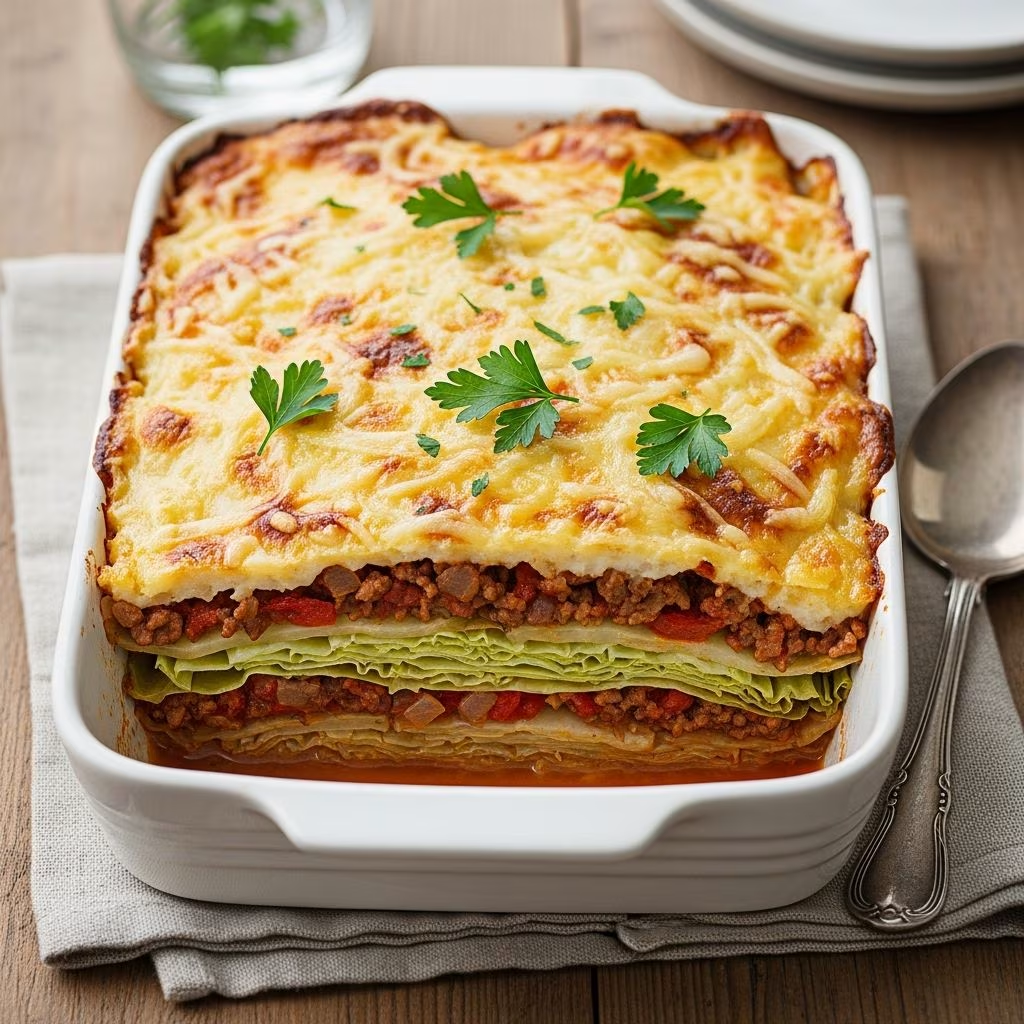
The fundamental appeal of a cabbage roll casserole lies in its ability to streamline preparation while maintaining the authentic taste profile of the original. Rather than meticulously wrapping individual leaves, this method involves stacking components in horizontal layers within a single baking vessel. This approach not only reduces active cooking time but also simplifies the assembly process, making it accessible to cooks of all skill levels.
The layering technique ensures that flavors permeate throughout the dish during baking, allowing the seasoned beef, aromatic vegetables, and tangy tomato elements to meld together seamlessly. The result is a unified, cohesive dish where each spoonful contains multiple components working in harmony.
Essential Components and Ingredient Selection
Creating a successful casserole requires understanding the role each ingredient plays. The foundation typically includes ground beef, which provides protein and richness. Onions and garlic contribute aromatic depth and complexity to the dish. Cabbage serves as the structural base and primary vegetable component, offering both substance and a subtle sweetness when cooked.
Rice functions as a binder and texture element, absorbing flavorful liquids while providing bulk. The tomato element—whether sauce, paste, or canned tomatoes—contributes acidity and umami depth. Cheese, typically a melting variety, adds richness and acts as a finishing element that browns beautifully during baking.
Protein Foundations
- Ground beef remains the most traditional choice, offering rich flavor and substantial texture
- Ground pork can be combined with beef for additional depth and complexity
- Lean meat options reduce fat content without sacrificing flavor
Flavor-Enhancing Seasonings
- Chili powder introduces mild heat and earthiness
- Garlic powder and onion powder deepen the savory profile
- Dill adds herbaceous notes characteristic of Eastern European cuisine
- Dried oregano and Italian seasoning contribute Mediterranean influences
- Worcestershire sauce and vinegar provide tangy complexity
The Preparation Methodology
Success with this casserole depends on understanding the sequence of preparation steps and the reasoning behind each stage. Beginning with properly cooked proteins ensures they integrate smoothly with other components. Browning ground beef develops complex flavors through the Maillard reaction, a chemical process that creates deeper taste profiles when proteins are exposed to high heat.
After the meat reaches the appropriate stage, incorporating aromatics like onions and garlic while the pan remains hot allows their oils to release fully, infusing the mixture with aromatic compounds. Adding spices at this juncture blooms them in the hot fat, intensifying their flavors rather than muting them as would occur if added to cold ingredients.
Step-by-Step Assembly Process
- Preheat your oven to 350 degrees Fahrenheit, ensuring proper heat distribution throughout baking
- In a large skillet over medium heat, cook ground beef with minced onion until the meat loses its pink coloration
- Incorporate minced garlic and selected seasonings, stirring constantly for approximately thirty seconds to release aromatic compounds
- Add your chosen tomato product and cooked rice, stirring until thoroughly combined
- In a separate pot, melt butter and add roughly chopped cabbage, cooking over high heat until edges begin browning and leaves soften
- Transfer half the cooked cabbage to your prepared baking dish as the foundation layer
- Distribute half the beef mixture evenly across the cabbage layer
- Sprinkle half of your shredded cheese over the beef layer
- Repeat the layering sequence, finishing with the remaining cheese on top
- Bake uncovered for 20-25 minutes until the contents bubble around the edges and cheese achieves golden-brown coloring
Ingredient Quantity Considerations
| Component | Standard Amount | Notes |
|---|---|---|
| Ground Beef | 1-1.5 pounds | Choose 80/20 or 85/15 ratio for optimal fat content |
| Cabbage | 6-8 cups chopped | One medium head typically yields appropriate quantity |
| Rice | 2 cups cooked | Uncooked rice can be substituted but requires extended baking time |
| Tomato Product | 24-32 ounces | Adjust based on preferred sauce consistency |
| Cheese | 2 cups shredded | Colby Jack, Italian blend, or cheddar work well |
Variations and Customization Options
While the traditional recipe provides an excellent foundation, numerous variations accommodate different dietary preferences and ingredient availability. Some cooks incorporate additional vegetables like diced bell peppers or mushrooms into the meat mixture, increasing nutritional content and adding textural variety.
Low-carbohydrate versions substitute cauliflower rice or simply reduce the rice quantity while increasing vegetable components. Those seeking to minimize time investment might use uncooked rice, though this requires extending the baking duration to approximately 90 minutes to ensure the grains fully hydrate and soften.
Flavor modifications can emphasize different cuisines: adding smoked paprika and Spanish seasonings creates a Spanish-influenced variation, while increased dill and sour cream topping evokes Eastern European traditions.
Cooking Time and Temperature Management
The oven temperature of 350 degrees Fahrenheit represents a moderate setting that balances cooking speed with the need to prevent excessive browning of the top layer before internal components heat through completely. This temperature allows approximately 20-25 minutes for a casserole using pre-cooked rice and previously wilted cabbage.
Extended cooking times—approaching 90 minutes—become necessary when using uncooked rice, as the grains require sufficient time to absorb liquid and reach proper tenderness. Covering the dish with foil during the initial baking phase can prevent excessive browning while interior ingredients cook through, removing the foil during the final minutes to allow the cheese top to achieve desired coloring.
Serving Suggestions and Meal Pairing
This casserole functions as a complete meal unto itself, containing protein, carbohydrates, and vegetables in balanced proportions. However, several accompaniments complement it beautifully. A simple green salad with acidic vinaigrette provides textural contrast and cuts through the richness of the cheese and beef. Crusty bread serves effectively for soaking up flavorful sauce.
Sour cream dolloped on individual servings adds cooling creaminess and contributes to the Eastern European aesthetic some recipes evoke. Fresh herbs like parsley or chives scattered across the finished dish provide fresh color and herbaceous brightness that offsets heavier components.
Storage and Make-Ahead Considerations
This casserole demonstrates exceptional storage capabilities, actually developing more cohesive flavors after sitting for a day as components continue mingling. Leftover portions maintain quality in refrigerated storage for up to four days in an airtight container. Reheating can occur in a 350-degree oven for approximately 20 minutes, or individual portions can be microwaved briefly until heated through.
For freezer storage, allow the casserole to cool completely before covering tightly with plastic wrap and aluminum foil to prevent freezer burn. Frozen casseroles can be baked directly from frozen, though cooking time extends to approximately 60-75 minutes. Alternatively, thaw overnight in the refrigerator and follow standard reheating procedures.
Nutritional Profile and Dietary Adaptations
A typical serving provides substantial protein from the beef component, while carbohydrates derive from both rice and cabbage. The dish includes fiber from vegetable components, and the cheese contributes calcium and additional protein. Total caloric content varies based on cheese quantity and meat-to-vegetable ratios.
For reduced-fat versions, utilize lean ground beef and decrease cheese quantity. Gluten-free preparations simply ensure all seasoning components and broth additions contain no gluten-containing ingredients. Vegetarian interpretations replace ground beef with lentils, mushrooms, or plant-based meat alternatives, adjusting cooking times as appropriate for these substitutions.
Common Challenges and Solutions
Excessive Moisture: If the finished casserole appears overly wet, ensure tomato products aren’t adding surplus liquid. Using tomato sauce or paste rather than juice-packed canned tomatoes reduces moisture content.
Undercooked Cabbage: Pre-cooking the cabbage until barely wilted ensures proper texture in the finished dish. Undercooking results in unpleasantly tough, fibrous pieces that don’t integrate smoothly.
Cheese Not Melting Evenly: Shredding cheese by hand rather than using pre-shredded varieties—which contain anti-caking agents—promotes smoother, more uniform melting.
Why This Recipe Deserves a Place in Your Regular Rotation
The layered casserole approach to cabbage rolls represents an efficient pathway to genuine comfort food without requiring specialized rolling techniques or excessive preparation time. The dish accommodates various ingredient substitutions, making it adaptable to what exists in your pantry. It feeds multiple people economically, stores beautifully for future meals, and satisfies deeply with its combination of seasoned protein, tender vegetables, and creamy cheese.
Whether serving a family dinner, contributing to a potluck gathering, or preparing meals for the week ahead, this casserole delivers reliable, delicious results that honor the essence of traditional cabbage rolls while embracing modern convenience.
Frequently Asked Questions
- Can I make this casserole with ground turkey or chicken?
- Yes, poultry options work well, though they’re leaner than beef. Ground turkey or chicken will produce a slightly lighter final dish. Increase broth or tomato liquid slightly as poultry doesn’t render as much fat during cooking.
- What if I don’t have cooked rice available?
- Uncooked rice can substitute, but increase baking time to 90 minutes to ensure proper hydration and tenderness. You may need to add additional broth to prevent the rice from drying out.
- Is this recipe freezer-friendly?
- Absolutely. Allow the casserole to cool completely, then wrap tightly and freeze. It keeps frozen for up to three months. Thaw overnight in the refrigerator before reheating, or bake directly from frozen for extended time.
- Can I prepare this casserole the day before serving?
- Yes. Assemble completely, cover, and refrigerate. Add 5-10 minutes to the baking time to account for starting from cold temperature. You might also bake it, cool it, refrigerate it, and reheat it when ready to serve.
- What cheeses work best for this dish?
- Colby Jack, sharp cheddar, Italian blend, and Monterey Jack all melt beautifully and complement the beef and tomato flavors. Avoid fresh cheeses that won’t melt uniformly.
References
- Cabbage Roll Casserole — The Recipe Critic. Accessed April 2026. https://therecipecritic.com/cabbage-roll-casserole/
- Cabbage Roll Casserole — The Southern Lady Cooks. Accessed April 2026. https://thesouthernladycooks.com/cabbage-roll-casserole/
- Unstuffed Cabbage Roll Casserole — Spend With Pennies. Accessed April 2026. https://www.spendwithpennies.com/unstuffed-cabbage-casserole/
- Layered Cabbage Roll Casserole — Barefeet In The Kitchen. Accessed April 2026. https://barefeetinthekitchen.com/layered-cabbage-rolls/
- Low Carb Unstuffed Cabbage Casserole Recipe — WonkyWonderful. Accessed April 2026. https://wonkywonderful.com/low-carb-unstuffed-cabbage-casserole-recipe/