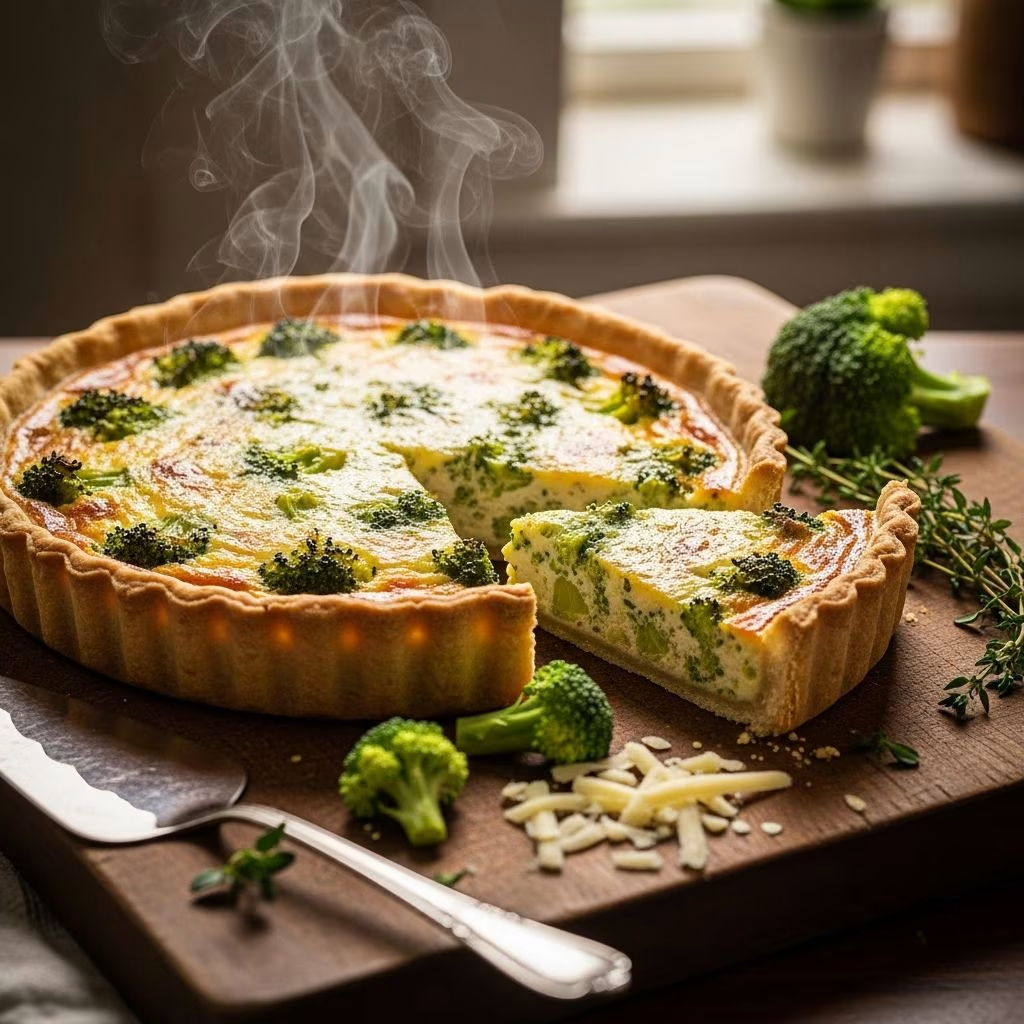
A broccoli quiche represents one of the most versatile and satisfying dishes you can prepare for breakfast, brunch, or even a light dinner. This savory custard-based pie combines eggs, cream, cheese, and fresh vegetables into a single dish that appeals to both casual cooks and experienced kitchen enthusiasts. The beauty of this recipe lies in its simplicity and adaptability—you can customize it based on your pantry staples and dietary preferences while maintaining excellent results every time.
Understanding the Foundation of Quiche
At its core, a quiche consists of a pastry crust filled with a savory egg custard. The custard forms the backbone of the dish, creating a creamy, delicate texture that contrasts beautifully with the crispier crust. When you introduce broccoli and cheese into this framework, you’re building layers of flavor that work together harmoniously. The key to success lies in understanding how each component contributes to the final dish.
The egg mixture functions as the binding agent that holds all ingredients together while baking. As the quiche cooks, the eggs set gradually, transforming the liquid custard into a solid, slice-able form. Temperature control becomes crucial at this stage, as overcooking can result in a rubbery texture, while undercooking leaves the center too soft to serve properly.
Essential Ingredients You’ll Need
Creating a successful broccoli quiche requires gathering quality ingredients that work in concert. Here’s what you should have on hand:
- Eggs: Typically between three to five large eggs, depending on your pie dish size and desired custard richness
- Dairy Products: A combination of milk and either cream or half-and-half creates a luxurious texture; whole milk recommended for best results
- Broccoli: Fresh florets work beautifully, though frozen broccoli thawed and drained serves as an excellent alternative
- Cheese: Sharp cheddar remains the traditional choice, though you can incorporate mozzarella, parmesan, or other varieties
- Pie Crust: Either homemade or store-bought, shallow or deep-dish depending on preference
- Seasonings: Salt, pepper, and optional aromatics like garlic powder or fresh herbs
Preparing Your Broccoli Properly
The treatment of broccoli significantly impacts the final dish’s texture and flavor profile. Fresh broccoli requires minimal preparation but benefits from proper cooking technique. Begin by chopping florets into bite-sized pieces that won’t overwhelm individual slices. The size matters—pieces that are too large become difficult to navigate when eating, while overly small pieces can become mushy.
For fresh broccoli, you have two primary options. The first involves blanching: bring salted water to a boil, add broccoli florets, and cook for approximately two to four minutes until the broccoli transitions from bright green to a slightly darker shade and becomes crisp-tender. This partial cooking prevents the broccoli from releasing excess moisture during baking while ensuring it reaches optimal tenderness. After blanching, immediately transfer the broccoli to an ice bath or rinse with cold water to halt the cooking process. Drain thoroughly to prevent a soggy quiche.
Alternatively, many recipes suggest adding raw chopped broccoli directly to the quiche filling. If choosing this route, chop pieces smaller than you normally would, as they’ll have more time to cook in the oven. The advantage of this method lies in its simplicity and time savings.
Frozen broccoli requires thawing and thorough draining. The key step many cooks overlook involves squeezing excess water from the thawed florets. Excess moisture can compromise the custard’s consistency, potentially resulting in a soggy crust or overwatered filling. Place thawed broccoli in a clean kitchen towel and press firmly to remove as much liquid as possible.
Crafting the Perfect Custard Base
The custard represents the heart of your quiche and deserves careful attention. Begin by whisking together your eggs in a large bowl until well combined. Add your chosen dairy—the ratio of eggs to liquid should be approximately one egg to one-quarter cup of dairy. If using a mixture of whole milk and cream, the cream contributes richness while milk keeps the custard from becoming overly heavy.
Once you’ve combined eggs and dairy, add your seasonings. Salt enhances the overall flavor profile, while fresh ground pepper provides subtle complexity. Consider adding garlic powder for an additional flavor dimension, or incorporate fresh herbs like thyme or oregano if your palate prefers more aromatic qualities. Stir in your shredded cheese at this point, ensuring even distribution throughout the custard.
The final step involves folding in your prepared broccoli. This action should be gentle to maintain any structural integrity of the vegetables. If your broccoli pieces are small and delicate, use a spatula to fold rather than vigorously stirring, which could break them apart unnecessarily.
Preparing Your Pie Crust
Whether using homemade or store-bought crust, proper preparation ensures excellent results. If your crust comes frozen in an aluminum tin, remove it from the freezer and allow it to sit at room temperature for five to ten minutes to make handling easier. If using a homemade crust, roll it out to fit your pie dish with approximately one-quarter inch thickness.
Many recipes recommend blind-baking the crust—partially baking it before adding the custard. This technique prevents the bottom from remaining soggy or undercooked. Line your crust with parchment paper, fill it with baking weights, dried beans, or uncooked rice, and bake at 375°F for approximately ten to twelve minutes. Remove the weights and parchment, then return the crust to the oven for another five to ten minutes until the edges just begin showing color. This partially sets the crust while preventing it from puffing up excessively.
If you prefer skipping blind-baking, simply poke several holes in the bottom of the crust with a fork to allow steam to escape. This prevents excessive puffing but doesn’t eliminate all risks of a slightly underdone bottom.
Assembling and Baking Your Quiche
After preparing all components, assembly becomes straightforward. Pour your broccoli and cheese custard mixture into the prepared pie crust, spreading it evenly. The mixture should fill the crust to approximately three-quarters full; if it overflows slightly, don’t panic—simply place your pie dish on a baking sheet to catch any drips.
Adjust your oven temperature based on your recipe and crust type. Most recipes call for baking at 350°F to 375°F. The lower temperature allows the custard to cook through gently without the crust browning too quickly, while the higher temperature can yield a crispier crust if your filling sets quickly. The baking time typically ranges from thirty-five to fifty minutes, depending on your oven’s particular characteristics and the quiche’s thickness.
Monitor your quiche starting at the twenty-five-minute mark. If the crust edges are browning too rapidly, tent the top with aluminum foil to slow the browning process while allowing the custard to continue cooking. The quiche is finished when the center still jiggles slightly when gently shaken but the outer portions are set and firm. A knife inserted one inch from the edge should come out clean, while the very center can remain slightly soft—carryover cooking will set it as the quiche cools.
Cooling and Serving Recommendations
Resist the temptation to slice immediately after removing from the oven. Allow your quiche to cool for at least five to ten minutes at room temperature, which allows the custard to set completely and makes serving much easier. Some recipes suggest cooling to room temperature for the best texture and flavor development. The quiche can be served warm, at room temperature, or even chilled, depending on your preference and the occasion.
Variations and Customization Options
Once you master the basic broccoli quiche, numerous variations become possible. Consider adding bacon pieces for a smoky depth or diced ham for a meatier version. Sautéed onions introduce sweetness and aromatic complexity. Fresh herbs like dill, parsley, or chives add brightness. For a creamier result, increase the dairy ratio slightly or substitute heavy cream for some of the milk.
You can also experiment with different cheese combinations. While cheddar remains traditional, sharp white cheddar offers a more pronounced flavor, while mixing cheddar with parmesan creates interesting complexity. Some cooks prefer the smoothness of mozzarella or the nuttiness of gruyere.
Storage and Make-Ahead Strategies
Broccoli quiche stores exceptionally well, making it ideal for meal preparation. Covered tightly with plastic wrap or aluminum foil, it keeps in the refrigerator for three to four days. Simply reheat slices in a 350°F oven for ten to fifteen minutes until warmed through, or enjoy cold directly from the refrigerator.
You can also prepare the custard filling and assemble the quiche the day before baking. Cover it tightly and refrigerate overnight, then bake as directed—you may need to add five to ten minutes to the baking time since the filling will be cold when entering the oven.
Troubleshooting Common Issues
| Problem | Possible Cause | Solution |
|---|---|---|
| Soggy bottom crust | Insufficient blind-baking or excess broccoli moisture | Blind-bake longer, ensure broccoli is thoroughly drained |
| Rubbery texture | Overbaking or too high temperature | Reduce baking time or temperature, remove while center still jiggles slightly |
| Quiche won’t set in center | Temperature too low or insufficient baking time | Increase temperature or extend baking time, ensure proper oven calibration |
| Crust browning too quickly | Oven temperature too high | Tent with foil, reduce temperature, or place baking sheet on lower rack |
Frequently Asked Questions
Can I make this quiche without a crust?
Absolutely. A crustless quiche works beautifully and eliminates gluten concerns for those with sensitivities. Simply spray a pie dish or quiche pan with nonstick cooking spray and pour your filling directly in. The baking time remains similar, and you’ll achieve equally delicious results.
How many servings does a typical quiche yield?
A nine-inch quiche typically yields six to eight servings, depending on slice size. Larger slices serve four to five people, while smaller portions stretch it to eight servings.
Can I freeze broccoli quiche?
Yes, quiche freezes well for up to three months when wrapped tightly and stored in an airtight container. Thaw overnight in the refrigerator before reheating, or reheat from frozen at 350°F for approximately twenty-five to thirty minutes.
What’s the difference between quiche and a frittata?
Quiche uses a pastry crust and typically contains more dairy, creating a custardy texture. Frittata is crustless and contains less dairy, resulting in a denser, more egg-forward texture. Frittata also starts cooking on the stovetop before finishing in the oven.
Can I use a deep-dish pie crust?
Yes, deep-dish crusts work well and may require slightly more filling and extended baking time. Adjust your ingredient quantities according to your specific dish size.
References
- Easy Broccoli Quiche (5 Ingredients) — Kristine’s Kitchen Blog. Accessed April 2026. https://kristineskitchenblog.com/easy-broccoli-cheese-quiche-5-ingredients/
- Broccoli and Cheddar Quiche — Tastes Better From Scratch. Accessed April 2026. https://tastesbetterfromscratch.com/broccoli-cheese-quiche/
- Easy, Crustless Broccoli Cheddar Quiche — Well Seasoned Studio. Accessed April 2026. https://www.wellseasonedstudio.com/broccoli-cheddar-quiche/
- Easy Broccoli Cheese Quiche — My Kitchen, My Studio. Accessed April 2026. https://mykitchenmystudio.com/broccoli-cheese-quiche/
- Quick & Easy Broccoli Quiche — Lil’ Luna. Accessed April 2026. https://lilluna.com/broccoli-quiche/
- Easy Broccoli and Cheese Quiche with Premade Pie Crust — Feel Good Foodie. Accessed April 2026. https://feelgoodfoodie.net/recipe/broccoli-cheese-quiche/