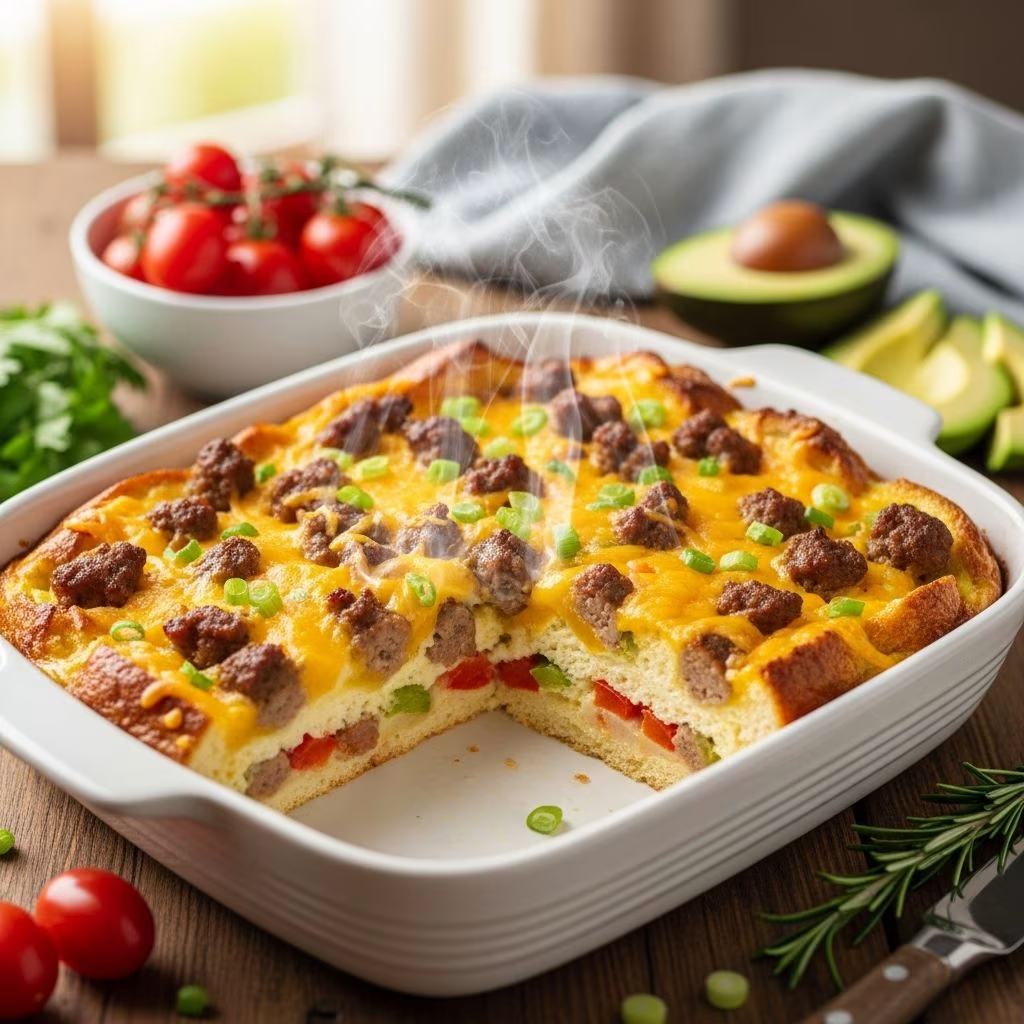
Breakfast casseroles stand out as versatile dishes that combine proteins, vegetables, and carbs into one satisfying bake. These one-pan wonders save time during rushed mornings or impress guests at brunches. With eggs as the binding base, they accommodate endless customizations while delivering consistent results. This guide explores foundational recipes, preparation strategies, and serving ideas drawn from proven home cooking methods.
Why Choose a Breakfast Casserole?
These bakes excel in convenience. Assemble components the night before, refrigerate overnight, and bake fresh in under an hour. They scale easily for 6 to 12 servings, making them ideal for family weekends or holiday gatherings. Nutritionally, they balance macronutrients: eggs provide high-quality protein, sausage adds savory fats, and added vegetables boost fiber and vitamins. A typical serving offers around 300-400 calories, depending on ingredients, supporting sustained energy without heaviness.
Versatility defines their appeal. Swap proteins like sausage for bacon or ham, or go vegetarian with tofu crumbles. Incorporate seasonal produce such as zucchini in summer or sweet potatoes in fall. Cheeses range from sharp cheddar for boldness to mozzarella for mild creaminess. This flexibility ensures every casserole suits dietary needs or pantry staples.
Core Ingredients Breakdown
Understanding components unlocks better results. Eggs form the custard-like structure, typically 8-12 large ones per 9×13-inch dish. Whole milk or half-and-half creates creaminess; use 1/2 to 1 cup to avoid sogginess. Proteins like 1 pound of ground sausage deliver umami—choose mild, hot, or turkey varieties. Shredded cheese (2 cups) melts into a golden top; cheddar dominates for its tang.
Carbohydrates provide texture: options include 4 cups of cubed crusty bread, a 30-ounce bag of thawed hash browns, or crescent roll dough for a flaky base. Vegetables enhance nutrition and color—common choices are 1-2 cups each of diced bell peppers, onions, mushrooms, and spinach. Seasonings like salt, pepper, garlic, and herbs (rosemary or Italian blend) tie flavors together.
| Ingredient Type | Classic Amount | Substitution Ideas | Role in Dish |
|---|---|---|---|
| Eggs | 10-12 large | Egg whites for lighter version | Binds and sets structure |
| Milk | 2/3 cup | Almond milk (dairy-free) | Adds moisture and fluff |
| Protein | 1 lb sausage | Bacon bits or chickpeas | Flavor and satiety |
| Cheese | 2 cups shredded | Gouda or pepper jack | Melts for topping |
| Carbs | 4 cups bread cubes or hash browns | Tater tots | Absorbs custard |
| Veggies | 2-3 cups mixed | Broccoli or tomatoes | Nutrition and crunch |
Step-by-Step Assembly Guide
Start with a greased 9×13-inch baking dish. Layer carbohydrates at the bottom to soak up the egg mixture evenly. Brown sausage in a skillet over medium heat, crumbling as it cooks (5-7 minutes). Drain excess fat, then add aromatics like diced onions, minced garlic, and chopped peppers. Sauté until softened, about 4 minutes, incorporating greens like spinach at the end to wilt them.
- Preheat oven to 350°F (175°C).
- Spread carb base in dish.
- Layer cooked sausage-veggie mix evenly.
- Whisk eggs, milk, salt, pepper, and half the cheese until smooth.
- Pour over layers; top with remaining cheese.
- Cover and bake 35 minutes; uncover for 10-15 more until center jiggles slightly.
For make-ahead: Assemble through step 5, cover tightly, and chill up to 24 hours. Add 5-10 minutes to bake time if cold. Internal temperature should reach 160°F for egg safety.
Make-Ahead and Freezing Strategies
Prep efficiency peaks with overnight resting, allowing flavors to meld. Wrap in plastic and foil post-assembly. Thaw overnight in fridge before baking. For freezing, assemble fully (minus final cheese sprinkle), freeze up to 2 months in an airtight container. Defrost 24 hours prior; bake as directed.
Portion into individual servings for grab-and-go. Reheat slices at 350°F for 15-20 minutes or microwave covered for 2 minutes. These methods preserve texture, preventing rubbery eggs or mushy veggies.
Flavor Variations for Every Palate
- Mexican-Inspired: Use chorizo, black beans, corn, jalapeños, and cotija cheese. Add cumin and chili powder.
- Vegetarian Delight: Omit meat; stir in feta, artichokes, cherry tomatoes, and oregano.
- Sweet Twist: Ditch savory proteins for diced apples, cinnamon, pecans, and maple syrup drizzle.
- Low-Carb Option: Skip carbs; load with cauliflower rice and extra veggies.
- Gourmet Upgrade: Incorporate smoked salmon, asparagus, dill, and Gruyère.
Experiment within ratios: maintain 1 cup liquid per 3 eggs, 1/2 pound protein per dozen eggs.
Perfect Pairings and Serving Suggestions
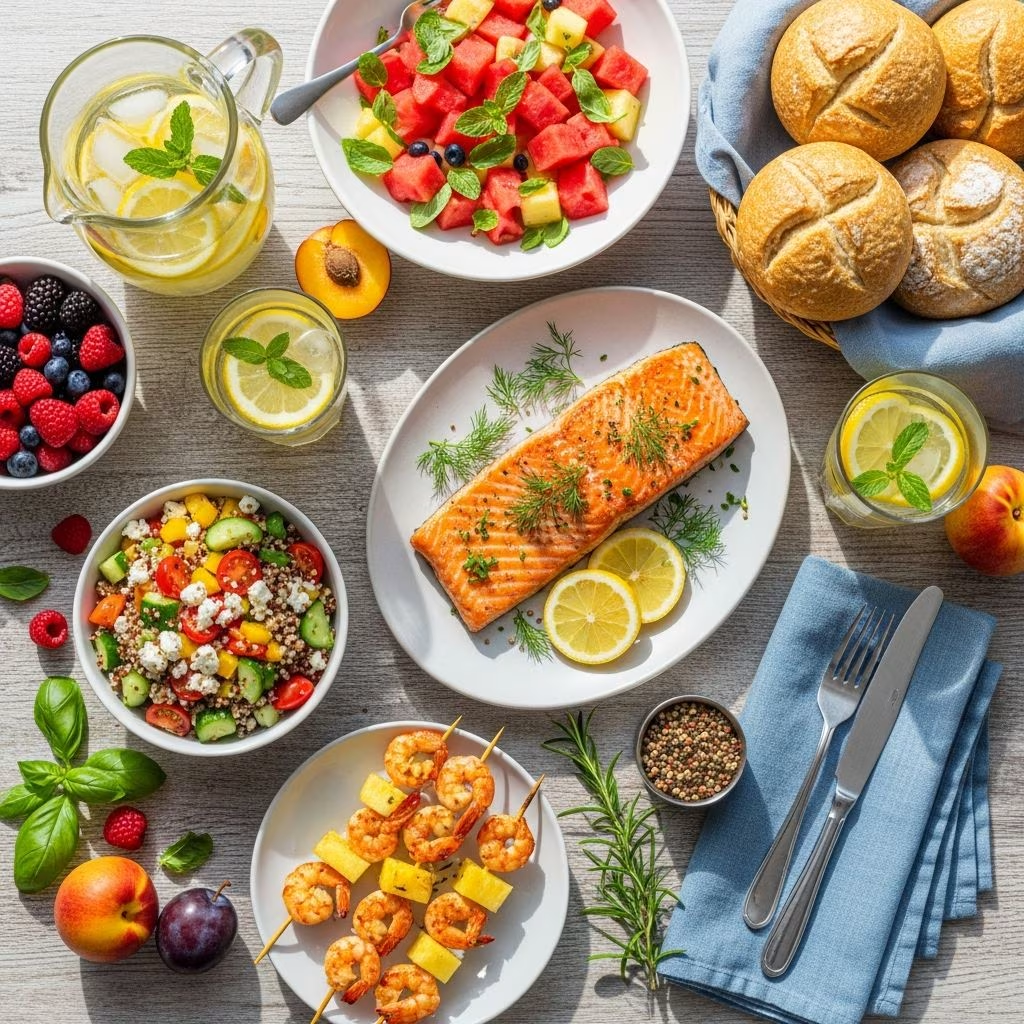
Elevate with fresh fruit salads, yogurt parfaits, or avocado toast for balance. Beverages like coffee, mimosas, or smoothies complement. Garnish with chives, parsley, hot sauce, or salsa for pops of color and heat.
Serve family-style from the dish or slice into squares. For brunches, accompany with muffins or scones. Leftovers store in fridge up to 4 days; reheat maintains appeal.
Nutrition and Dietary Adaptations
A standard recipe yields 12 servings: ~350 calories, 25g protein, 20g fat, 15g carbs per slice. Eggs supply choline for brain health; veggies add antioxidants. Adapt for gluten-free (use GF bread), dairy-free (plant milk, vegan cheese), or keto (cauliflower base, heavy cream).
Consult USDA guidelines for balanced plates: pair with whole grains and fruits. Track via apps for precision.
Troubleshooting Common Issues
Soggy Bottom? Use day-old bread or thaw hash browns fully; pat dry veggies.
Dry Edges? Tent foil longer; increase milk slightly.
Undercooked Center? Bake longer or use convection; check with thermometer.
Bland Taste? Season layers individually; fresh herbs amplify.
FAQ
Can I use fresh potatoes instead of frozen?
Yes, dice and parboil 4 cups for 5 minutes to mimic thawed hash browns texture.
How do I make it dairy-free?
Substitute coconut milk and nutritional yeast or vegan cheese shreds seamlessly.
Is overnight refrigeration necessary?
Not required, but recommended for flavor infusion; minimum 30 minutes suffices.
Can I add rice or pasta?
Partially cooked works; 2 cups prevents gumminess.
What’s the best cheese for melting?
Cheddar or mozzarella; freshly shredded melts superior to pre-packaged.
Scaling for Different Group Sizes
| Servings | Dish Size | Eggs | Sausage | Cheese |
|---|---|---|---|---|
| 6 | 8×8-inch | 6 | 1/2 lb | 1 cup |
| 12 | 9×13-inch | 12 | 1 lb | 2 cups |
| 18 | Two 9×13 | 18 | 1.5 lbs | 3 cups |
Double ingredients proportionally; avoid overcrowding for even cooking.
References
- Easy Breakfast Casserole Recipe — Sally’s Baking Addiction. 2023-05-15. https://sallysbakingaddiction.com/easy-make-ahead-breakfast-casserole/
- Breakfast Casserole Recipe — Spoon Fork Bacon. 2022-11-10. https://www.spoonforkbacon.com/breakfast-casserole/
- The Best Easy Breakfast Casserole — All Things Mamma. 2024-01-20. https://www.allthingsmamma.com/easy-breakfast-casserole/
- Cheesy Sausage Breakfast Casserole — Kevin & Amanda. 2023-08-05. https://www.kevinandamanda.com/breakfast-casserole/
- Breakfast Casserole — Tastes Better From Scratch. 2024-03-12. https://tastesbetterfromscratch.com/breakfast-casserole/