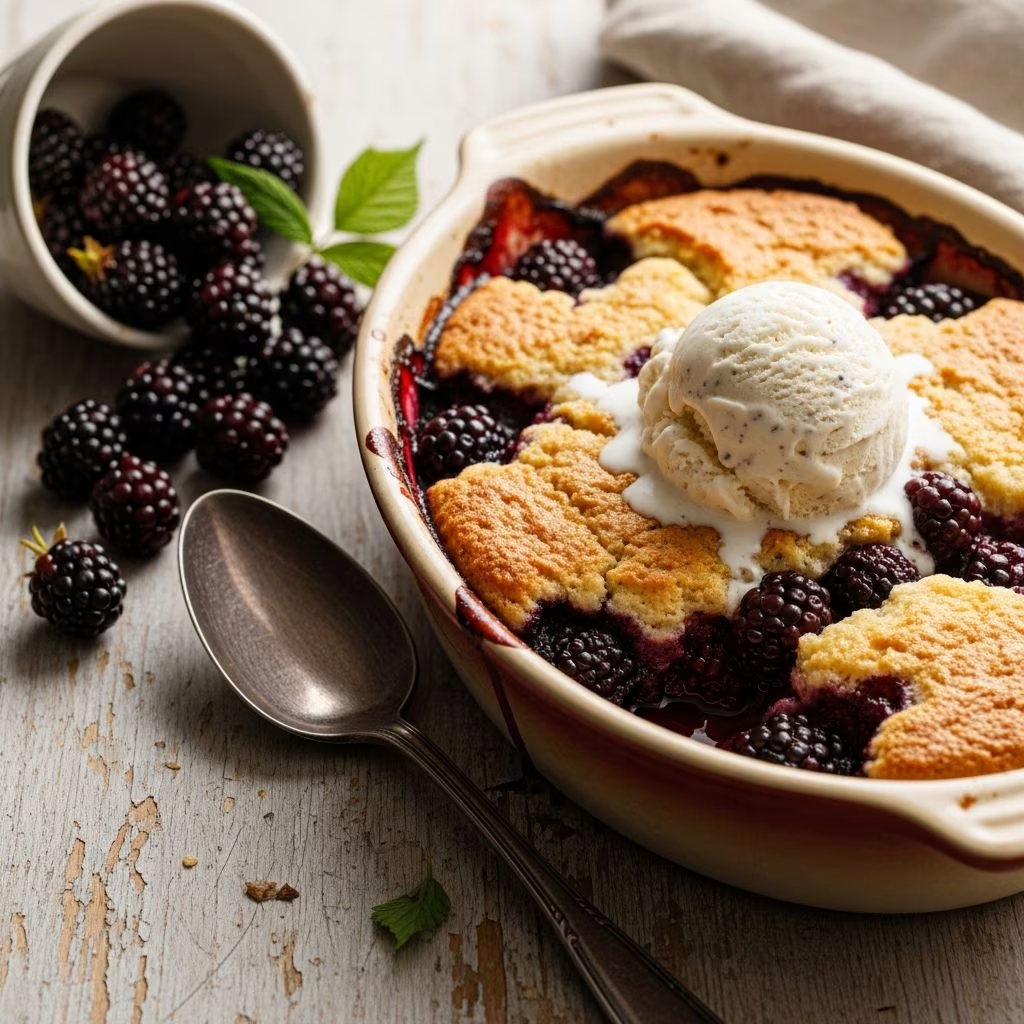
Blackberry cobbler stands as a cherished classic in home baking, blending the natural tartness of ripe berries with a warm, cakey topping. This straightforward recipe transforms basic ingredients into a comforting treat, evoking memories of Southern kitchens and lazy summer afternoons. Whether you’re foraging for wild berries or using store-bought ones, the result is a dessert that’s both impressive and accessible.
Why Blackberry Cobbler Captures Hearts
The appeal of blackberry cobbler lies in its simplicity and versatility. Unlike pies that demand intricate crusts, cobbler relies on a drop-batter topping that rises around the fruit during baking, creating a rustic, golden crust. Fresh blackberries provide bursts of juicy sweetness balanced by their inherent tang, making it a standout summer dessert. It’s forgiving for novice bakers, requiring no special tools beyond a mixing bowl and oven-safe dish.
Historically rooted in American frontier cooking, cobblers emerged as practical solutions when pie dough was scarce. Berries were abundant, and the biscuit-like topping used pantry staples like flour, sugar, and milk. Today, it remains a staple at barbecues, potlucks, and family dinners, often served warm with vanilla ice cream to contrast the hot fruit filling.
Gathering the Perfect Ingredients
Selecting quality components ensures your cobbler shines. Focus on these essentials:
- Fresh or Frozen Blackberries (2-3 cups): Opt for plump, deep-purple berries at peak ripeness for maximum flavor. Frozen work well if thawed and drained, retaining moisture without sogginess.
- Granulated Sugar (1-1.5 cups total): Sweetens the fruit and batter; adjust based on berry tartness.
- All-Purpose Flour or Self-Rising Flour (1 cup): Forms the structure of the topping. Self-rising adds leavening for extra lift.
- Milk (1 cup): Whole milk yields a richer batter; alternatives like almond milk suit dietary needs.
- Butter (1/2 cup, melted): Infuses richness and crisp edges. Unsalted preferred for control over saltiness.
- Baking Powder (2 tsp) and Salt (1/2 tsp): Essential for tenderness and rise.
- Flavor Boosters: Vanilla extract, lemon zest, or cinnamon enhance depth without overpowering.
These measurements serve 6-8 people, scaling easily for larger gatherings. Pro tip: Taste your blackberries first—if overly tart, increase sugar slightly.
Mastering the Batter Technique
The hallmark of great cobbler is its batter, which starts thin like pancake mix and magically puffs around the fruit. Here’s the process:
- Preheat oven to 350°F (175°C). Melt butter in an 8×8 or 9-inch baking dish for even distribution.
- Macerate blackberries: Toss with 1/2-1 cup sugar, lemon juice, and zest. Let sit 10-15 minutes to release juices, creating a syrupy filling.
- Whisk dry ingredients: Combine flour, baking powder, salt, and remaining sugar.
- Incorporate wet: Stir in milk and vanilla until smooth, then fold in melted butter. Avoid overmixing for a tender crumb.
- Assemble: Pour batter over melted butter (don’t stir). Spoon berry mixture on top. The batter will rise through the fruit as it bakes.
- Sprinkle turbinado sugar for crunch, then bake 40-50 minutes until golden and bubbly.
This ‘dump’ method ensures the fruit sinks slightly while the topping domes beautifully, preventing a soggy base.
Variations to Suit Every Palate
Customize your cobbler for endless twists:
- Mixed Berries: Blend blackberries with raspberries, blueberries, or strawberries for complex flavor profiles.
- Peach or Apple Fusion: Pair with sliced stone fruits or apples, simmering larger pieces first to soften.
- Gluten-Free Option: Swap flour with a 1:1 gluten-free blend and add xanthan gum if needed.
- Vegan Adaptation: Use plant-based milk, vegan butter, and aquafaba for egg-free richness.
- Spiced Upgrade: Add nutmeg, ginger, or cardamom to the batter for warmth.
For a crispier top, broil briefly at the end. These changes maintain the core ease while broadening appeal.
Troubleshooting Common Pitfalls
| Issue | Cause | Solution |
|---|---|---|
| Soggy Bottom | Excess berry juice | Drain frozen berries; reduce sugar in filling |
| Flat Topping | Overmixed batter | Mix gently; ensure baking powder is fresh |
| Undercooked Center | Thick dish or cold oven | Use metal pan; preheat fully; tent edges if browning fast |
| Tart Filling | Natural berry acidity | Add lemon juice sparingly; taste-test maceration |
Resting 10 minutes post-bake sets the structure, making clean slices easier.
Perfect Pairings and Serving Ideas
Elevate your cobbler beyond the oven:
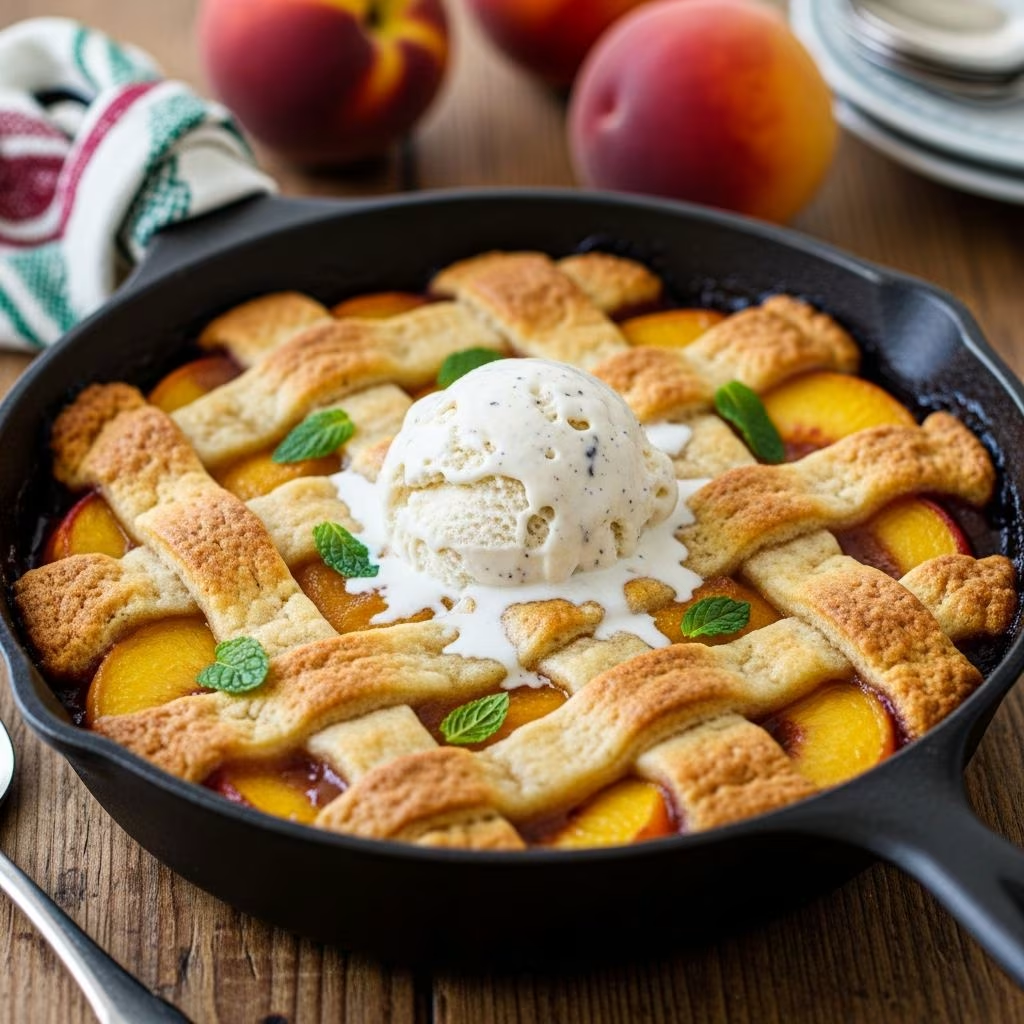
- Classic Scoop: Vanilla bean ice cream melts into fruity pools.
- Whipped Delight: Homemade whipped cream with a hint of bourbon.
- Yogurt Twist: Greek yogurt for a tangy, lighter contrast.
- Beverage Matches: Iced tea, lemonade, or a berry-infused cocktail.
Serve family-style from the dish for casual charm. Leftovers store airtight up to 3 days; reheat at 325°F for 10 minutes to revive crispness. Freezing unbaked portions allows make-ahead convenience—thaw before baking.
Nutritional Snapshot and Dietary Notes
A modest slice (1/8th) offers approximately 300 calories, with carbs from sugar and flour dominating. Blackberries contribute fiber (4g per cup) and antioxidants like vitamin C. For lower sugar, substitute half with a natural sweetener like erythritol, though texture may vary. This dessert fits moderately into balanced meals when portioned mindfully.
FAQs
Can I use frozen blackberries?
Yes, thaw and drain thoroughly to avoid watery filling. Pat dry for best results.
How do I know when it’s done baking?
Look for a golden crust, bubbling edges, and a toothpick inserting cleanly into the topping.
What’s the difference between cobbler and crisp?
Cobbler uses a biscuit or cake batter; crisps feature streusel topping with oats and nuts.
Can this recipe be doubled?
Absolutely—use a 9×13 dish and extend bake time by 10-15 minutes.
Is self-rising flour necessary?
No; substitute all-purpose with added baking powder (2 tsp per cup) and salt (1/2 tsp).
From Pan to Table: Tips for Entertaining
Impress guests by prepping batter ahead and assembling just before baking. For potlucks, transport in the baking dish covered with foil. Pair with seasonal elements like fresh mint garnishes. This recipe scales seamlessly, making it ideal for crowds.
Blackberry cobbler embodies effortless joy—minimal effort yields maximum delight. Experiment confidently; the forgiving nature ensures success every time.
References
- USDA Berries Nutritional Data — United States Department of Agriculture. 2023-06-15. https://fdc.nal.usda.gov/fdc-app.html#/food-details/173946/nutrients
- Blackberry Production Guide — University of Arkansas Division of Agriculture. 2024-02-20. https://www.uaex.uada.edu/publications/PDF/FSA-2130.pdf
- Food Safety with Berries — FDA Center for Food Safety. 2023-11-10. https://www.fda.gov/food/buy-store-serve-safe-food/food-safety-fruits-and-vegetables
- Baking Science: Leavening Agents — King Arthur Baking Company Technical Resources. 2024-01-05. https://www.kingarthurbaking.com/learn/resources/leaveners
- Historical American Desserts — Smithsonian National Museum of American History. 2022-07-12. https://americanhistory.si.edu/explore/stories/cobbler-and-its-american-roots