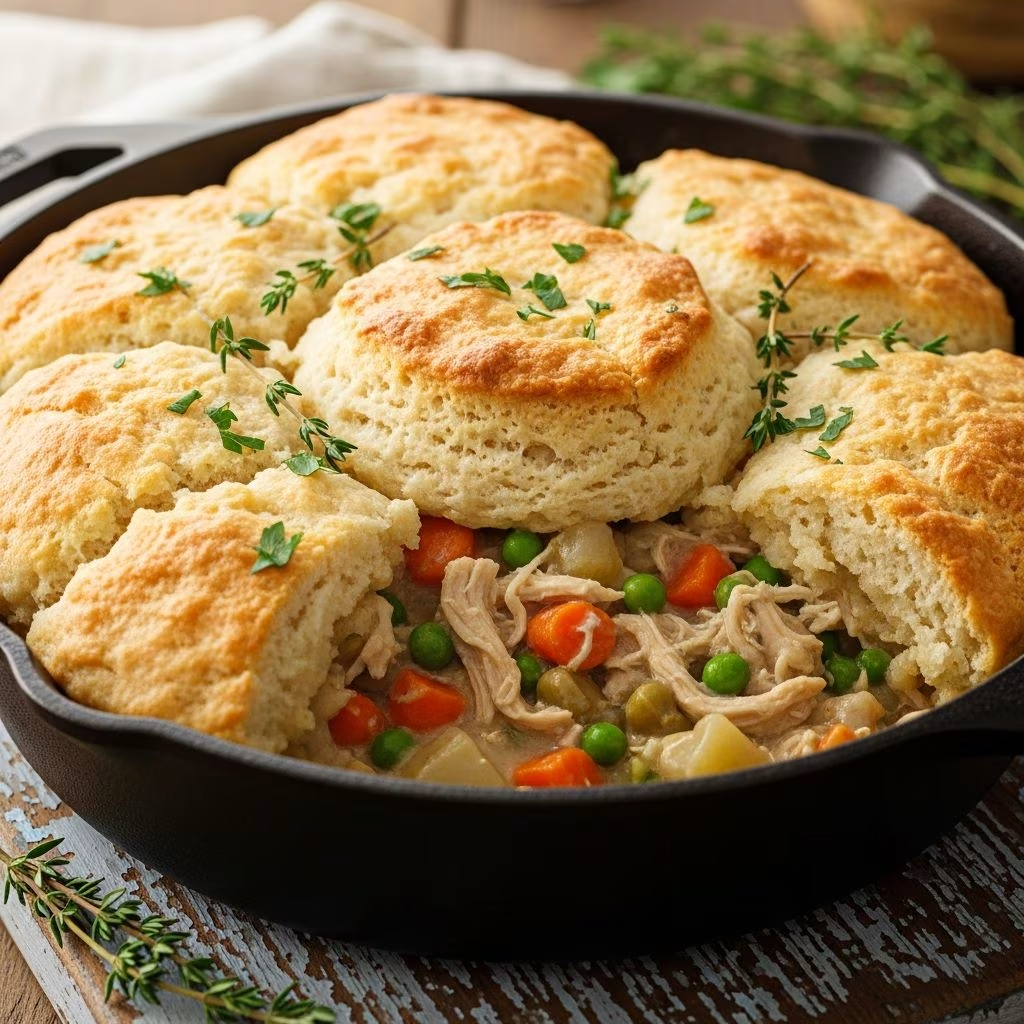
Chicken pot pie represents one of the most beloved comfort dishes in American cuisine, combining tender poultry, fresh vegetables, and creamy sauce within a golden crust. Traditionally, creating this dish from scratch demands considerable time investment, including preparation of pie dough, stock reduction, and careful layering. However, modern cooking techniques and pre-made ingredients have transformed this classic into an accessible weeknight meal that requires minimal culinary expertise.
The evolution of simplified pot pie recipes demonstrates how home cooks can maintain authentic flavors while dramatically reducing preparation time. By leveraging ingredients commonly found in most kitchens, such as Bisquick baking mix and canned cream soup, you can produce a genuinely satisfying dish that rivals versions prepared through traditional methods.
Understanding the Bisquick Advantage
Bisquick represents a revolutionary approach to baking that eliminates the need for measuring multiple dry ingredients individually. This pre-mixed combination of flour, leavening agents, and salt provides a reliable foundation for countless recipes, including pot pie crusts. The brilliance of using Bisquick in pot pie preparation lies in its dual functionality: when combined with liquid ingredients, it creates both a bottom layer that supports the filling and a top crust that becomes golden and flaky during baking.
The magic occurs through a chemical reaction where the Bisquick mixture, poured over the chicken and vegetable filling, gradually settles and creates layers as the pie bakes. The bottom portion absorbs moisture from the filling and becomes crust-like, while the upper portion rises and browns, creating the appearance of a traditionally crafted pie with considerably less effort.
Essential Components and Quality Selection
Protein Foundation
Selecting appropriate chicken for your pot pie significantly influences the final result. Cooked chicken serves as the foundation, and you have multiple options depending on your circumstances and preferences. Rotisserie chickens from grocery store delicatessens provide convenient, flavorful options with seasonings already incorporated. Alternatively, leftover roasted or grilled chicken works excellently, particularly when you want to utilize remaining protein from previous meals. Canned chicken offers maximum convenience, though fresh or previously cooked options generally deliver superior texture and taste.
The standard quantity calls for approximately one cup of cubed chicken, though personal preference regarding protein density may warrant adjustment. Cutting pieces into bite-sized portions ensures even distribution throughout the pie and allows each forkful to include a protein component.
Vegetable Selection and Preparation
Frozen mixed vegetables streamline the cooking process while providing nutritional value and visual appeal. These pre-packaged combinations typically include peas, carrots, corn, and sometimes green beans, offering a balanced mix of colors, textures, and flavors. Using frozen vegetables rather than fresh eliminates time-consuming peeling, chopping, and blanching steps while maintaining nutritional integrity, as freezing preserves vegetables at their peak ripeness.
The recommended quantity of approximately one and two-thirds cups provides adequate vegetable distribution without overwhelming the filling with excessive moisture. Thawing frozen vegetables before incorporation allows excess liquid to drain away, preventing a watery final product. A simple method involves placing vegetables in a colander and running warm water over them until thawed, then allowing them to sit briefly for moisture to escape.
The Cream Sauce Component
Canned condensed cream of chicken soup serves as the sauce base, eliminating the need to prepare roux and stock reduction separately. One ten-ounce can provides sufficient creaminess and chicken flavor to complement both the protein and vegetables. Using the soup directly from the can without additional liquid maintains a concentrated sauce that coats filling ingredients appropriately.
Some variations incorporate alternative soup varieties such as cream of mushroom or cream of celery, allowing personalization based on taste preferences. Experiment with different soup combinations to discover your preferred flavor profile.
The Bisquick Crust Mixture
The topping mixture requires only three simple ingredients combined in proper proportions. One cup of Bisquick baking mix forms the base, with half a cup of milk and one beaten egg providing the wet components necessary for proper hydration and binding.
Whisking these ingredients together creates a batter with a consistency similar to thick pancake batter. This consistency proves crucial—batter that is too thin will not properly form a crust structure, while overly thick batter may not distribute evenly across the filling. The mixture should pour readily but maintain enough body to settle and create distinct layers as baking progresses.
Step-by-Step Preparation Process
Assembly Sequence
Begin by preheating your oven to 400 degrees Fahrenheit, ensuring the cooking environment reaches the correct temperature before the pie enters. A nine-inch round glass pie plate serves as the ideal vessel, offering appropriate depth and diameter for even cooking and proper crust development.
Combine your prepared chicken, thawed vegetables, and cream soup in the pie plate, stirring gently to distribute components evenly. Avoid over-mixing, which can break chicken pieces into undesirable fragments. The filling should occupy roughly the bottom half to two-thirds of the pie plate, leaving adequate space for the Bisquick topping to settle and expand.
Topping Application
In a separate bowl, whisk together Bisquick, milk, and beaten egg until a uniform batter forms. Lumps of Bisquick are acceptable and will dissolve during baking, so avoid over-mixing, which can develop gluten and result in a tougher crust.
Pour the Bisquick mixture directly over the chicken and vegetable filling, allowing it to spread naturally across the surface. While you can gently smooth it with a spatula, complete coverage is not essential—the batter will settle and expand during baking, eventually covering any exposed filling.
Baking and Doneness Indicators
Place the pie plate in the preheated oven and bake for thirty to thirty-five minutes, observing the crust as it develops. The top should transition from pale to deep golden brown, indicating proper crust formation and structural stability. A golden-brown crust signals that the bottom layer has also cooked adequately, though you cannot directly observe this until serving.
The pie plate itself may appear to bubble at the edges as batter rises and expands during baking—this represents normal behavior and indicates proper chemical leavening activity. Avoid opening the oven door frequently, as temperature fluctuations can interfere with proper crust development.
Customization and Variation Strategies
Flavor Enhancement Techniques
While the basic recipe requires minimal ingredients, numerous modifications can elevate flavor complexity. Adding melted butter to the Bisquick topping creates a richer, more indulgent crust with enhanced browning. Shredded cheddar cheese stirred into the topping mixture imparts savory depth that complements the creamy filling.
Seasoning additions such as dried parsley, garlic powder, or Italian seasoning can be incorporated into either the filling or topping layers, providing herbaceous notes that brighten the overall flavor profile.
Protein and Filling Variations
Turkey serves as an excellent substitute for chicken, producing equally satisfying results while offering variation from routine poultry choices. Using two cups of filling ingredients rather than the standard one and two-thirds cups creates a more substantial, protein-forward dish, though this may require slightly extended baking time.
Incorporating sautéed onions, celery, or mushrooms adds textural variety and umami depth to the filling. Pre-cooking these ingredients ensures they achieve appropriate tenderness within the shorter overall baking timeframe.
Troubleshooting Common Issues
Preventing Soggy Crusts
Excess moisture represents the primary obstacle to achieving crispy, well-defined crusts. Ensuring frozen vegetables are thoroughly thawed and excess liquid has drained prevents the filling from releasing moisture that softens the topping. Using cream soup without additional liquid maintains appropriate sauce consistency without oversaturation.
Achieving Even Browning
Uneven crust coloring typically results from oven temperature variation or positioning inconsistencies. Placing the pie plate on the middle oven rack rather than extreme positions ensures more uniform heat exposure. If excessive browning occurs on the edges while the center remains pale, loosely placing aluminum foil over the outer edges can redirect heat to the underbaked center region.
Handling Underbaked Centers
Should the crust remain pale after the recommended baking time, extend cooking in five-minute increments while monitoring progression. Conversely, overly quick browning suggests your oven may run hot compared to its displayed setting—consider reducing temperature by fifteen to twenty-five degrees in future preparations.
Storage, Reheating, and Make-Ahead Options
Leftover chicken pot pie stores excellently in refrigerated containers for up to three days. Reheat in a 350-degree oven for approximately fifteen minutes until warmed through, preserving the crust’s textural quality better than microwave reheating, which can result in soggy crusts.
For make-ahead convenience, assemble the complete pie without baking, cover tightly with plastic wrap, and refrigerate for up to twelve hours. Bake directly from the refrigerator, adding three to five minutes to the total baking time to account for the lower starting temperature.
Nutritional Considerations and Lighter Modifications
The traditional recipe provides approximately 320 calories per serving, with reasonable protein content from chicken and soup, balanced with carbohydrates from the Bisquick topping. Reducing-fat Bisquick variants offer calorie savings without substantially compromising texture or flavor.
Substituting low-sodium cream soup reduces sodium content while maintaining creaminess and chicken flavor. Using low-fat milk instead of whole milk trims fat content while maintaining adequate hydration for proper crust development.
Frequently Asked Questions
- Can you make this recipe without Bisquick?
- Yes, traditional pie crust or biscuit recipes can replace the Bisquick topping, though preparation time increases significantly. Alternatively, puff pastry sheets offer another quick-cooking option requiring minimal mixing.
- How does this recipe differ from traditional pot pie preparation?
- Traditional pot pie typically involves making pie dough from scratch, preparing cream sauce through roux and stock reduction, and assembling multiple components separately. This simplified version accomplishes similar results using pre-made ingredients and a single-vessel preparation method.
- Is it possible to freeze this dish for later consumption?
- Freeze the unbaked assembled pie by covering tightly with plastic wrap and then foil, storing up to one month. Bake directly from frozen, adding approximately fifteen minutes to the standard cooking time and ensuring the center reaches appropriate temperature.
- What beverages pair well with chicken pot pie?
- Light white wines such as Pinot Grigio or Sauvignon Blanc complement the creamy filling, while casual meals pair well with iced tea or sparkling water with lemon.
Conclusion: Approachable Comfort Food Excellence
Chicken pot pie represents comfort food at its finest—a warm, satisfying dish that provides nourishment and emotional satisfaction simultaneously. By utilizing Bisquick and other convenient ingredients, home cooks can produce this restaurant-quality dish during busy weeknights without sacrificing flavor or satisfaction. Whether you’re feeding a family or entertaining guests, this simplified approach delivers results that belie the minimal effort required, making it an invaluable addition to any cook’s repertoire.
References
- Betty Crocker Easy Chicken Pot Pie Recipe — General Mills (Betty Crocker). Accessed April 2026. https://www.bettycrocker.com/recipes/easy-chicken-pot-pie/
- Easy Bisquick Chicken Pot Pie — Food.com Community Recipes. Accessed April 2026. https://www.food.com/recipe/easy-bisquick-chicken-pot-pie-100215
- Bisquick Chicken Pot Pie: Easy and Delish — Gonna Want Seconds. Accessed April 2026. https://www.gonnawantseconds.com/bisquick-chicken-pot-pie/
- Bisquick Impossibly Easy Chicken Pot Pie — Giant Food Stores Recipe Center. Accessed April 2026. https://recipecenter.giantfoodstores.com/recipes/219148/bisquick-impossibly-easy-chicken-pot-pie
- Bisquick Impossibly Easy Chicken Pot Pie Made Lighter — Simple Nourished Living. Accessed April 2026. https://simple-nourished-living.com/bisquick-impossibly-easy-chicken-pot-pie-made-lighter/