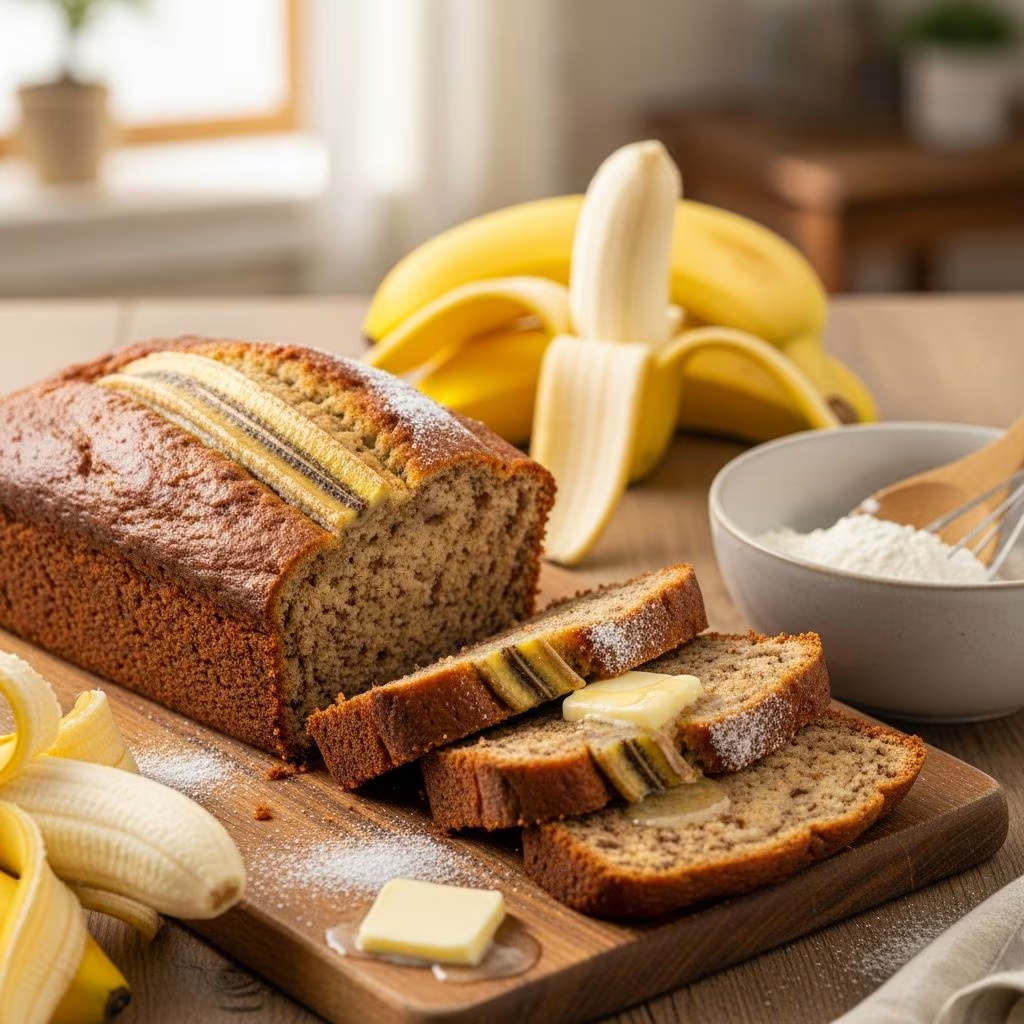
Banana bread represents one of the most approachable baking projects for home cooks of any skill level. Its straightforward combination of ingredients and forgiving nature make it an ideal starting point for those new to baking, while its delicious results keep experienced bakers coming back for more. This classic treat transforms overripe bananas into a moist, flavorful loaf that works equally well for breakfast, dessert, or an afternoon snack.
Understanding the Foundation of Successful Banana Bread
The magic of banana bread lies in understanding how each ingredient contributes to the final product. Unlike more complex baked goods that require precision and technical knowledge, banana bread thrives on simplicity. The foundation consists of ripe bananas that provide natural sweetness and moisture, combined with basic pantry staples that most home cooks already have on hand.
The beauty of this recipe emerges from the way wet and dry ingredients work together. The mashed bananas act as both a flavoring agent and a moisture provider, reducing the need for additional liquids. This characteristic makes banana bread significantly more forgiving than many other quick breads, as slight variations in ingredient ratios rarely result in disappointing outcomes.
Selecting and Preparing Your Bananas
Choosing the right bananas makes a substantial difference in your final product. The ideal banana for bread baking shows significant browning or spotting on its skin. These speckled or heavily spotted bananas have developed higher sugar content through the ripening process, which translates to sweeter bread with more complex flavor notes.
Many home bakers make the mistake of using bananas that are still somewhat firm or only lightly ripened. While these work technically, they lack the concentrated sweetness and intense banana flavor that makes exceptional bread. If your bananas arrive home still mostly yellow, place them in a paper bag at room temperature to accelerate ripening, or store them on your counter until they develop brown patches.
The quantity of bananas affects both texture and flavor intensity. Medium-sized bananas typically yield the most consistent results, as they provide reliable moisture levels and flavor contributions. When preparing bananas, remove the peel completely and place the fruit in a bowl. Use a fork, potato masher, or pastry cutter to break down the bananas into a smooth consistency. Some bakers prefer leaving small pieces of banana for textural variation, while others mash until completely uniform. Both approaches produce delicious results.
Assembling Wet and Dry Components
The mixing process begins with addressing the two ingredient categories separately. This approach, known as the two-bowl method, ensures even distribution of leavening agents and prevents overdevelopment of gluten, which would result in tough, dense bread rather than the tender crumb desired.
The wet component typically includes mashed bananas, melted butter, beaten eggs, and vanilla extract. Some recipes incorporate additional moisture through yogurt or sour cream, which contributes to exceptional moistness. The dry component consists of all-purpose flour, baking soda, salt, and optional spices like cinnamon or nutmeg that complement the banana flavor.
When combining wet ingredients, simply stir them together until incorporated. The mashed bananas don’t need to be perfectly uniform at this stage. For the dry ingredients, whisking them together aerates the flour and distributes the baking soda evenly, which ensures consistent rising throughout the batter.
The Critical Mixing Stage
This stage determines whether your banana bread achieves the desired tender crumb or becomes dense and tough. After combining wet and dry ingredients, mix only until the flour is incorporated. Overmixing activates gluten development, which transforms the batter and results in a less pleasant texture. The batter should still show slight streaks of flour when you stop mixing.
This is the appropriate point to fold in any optional additions like chocolate chips, chopped nuts, or dried fruit. The gentle folding motion prevents excessive agitation while ensuring even distribution throughout the batter.
Pan Preparation and Baking Conditions
Proper pan preparation determines whether your finished loaf releases cleanly without sticking. The choice between greasing with cooking spray versus butter matters: cooking spray creates a more reliable non-stick surface. Butter, while flavorful, can sometimes stick as the bread contracts during cooling. Apply your chosen lubricant thoroughly to all interior surfaces, including the bottom and corners.
Pour the batter into the prepared pan, smoothing the top surface into an even layer. This helps the bread bake uniformly rather than creating a dome or uneven rise.
Oven temperature significantly affects outcomes. Most recipes call for baking at between 325°F and 375°F. Lower temperatures (around 325°F) produce more gradual baking, which can result in better moisture retention and more even browning. Higher temperatures (around 375°F) create faster crust development but require careful monitoring to prevent burning.
Baking typically requires 45 to 60 minutes depending on your specific oven and the pan dimensions used. The bread reaches doneness when a toothpick inserted into the center emerges with moist crumbs rather than wet batter. Some bakers place foil loosely over the loaf after the first 30 minutes to prevent the top from browning too quickly.
Essential Equipment Overview
| Equipment Item | Purpose | Alternatives |
|---|---|---|
| 9×5 inch loaf pan | Contains batter during baking | Two 8×4 inch pans (reduces baking time) |
| Mixing bowls | Separate wet and dry ingredients | One large bowl works in a pinch |
| Potato masher or fork | Breaks down bananas to desired texture | Pastry cutter or wooden spoon |
| Measuring cups and spoons | Ensures accurate ingredient quantities | Kitchen scale for greater precision |
| Whisk or fork | Combines dry ingredients evenly | Spoon works adequately |
Flavor Enhancement Possibilities
While banana bread excels in its simplest form, numerous additions expand its appeal. Ground cinnamon is the most common spice addition, complementing banana’s natural sweetness with warm spice notes. Nutmeg, vanilla extract concentration adjustments, and even a pinch of cardamom work wonderfully.
Mix-in options transform basic banana bread into custom creations. Chocolate chips provide pockets of richness, while chopped walnuts or pecans add textural contrast and nutty depth. Shredded coconut, dried cranberries, or chopped dates each bring distinct flavor profiles. Some bakers incorporate brown sugar instead of granulated sugar for deeper molasses notes.
Cooling and Storage Strategies
Allow the baked loaf to cool in the pan for approximately 5 to 10 minutes after removal from the oven. This resting period lets the structure set enough for safe handling. Then turn the bread onto a wire rack to complete cooling at room temperature.
Cooled banana bread stores remarkably well. Wrapped tightly in plastic wrap or stored in an airtight container, it maintains excellent quality for 3 to 4 days at room temperature. For longer storage, wrap the cooled loaf securely and freeze for up to 3 months. Thaw at room temperature when ready to enjoy.
Troubleshooting Common Issues
Dense, heavy texture usually results from overmixing, using insufficiently ripe bananas, or packing flour too tightly into measuring cups. Using the spoon-and-level method when measuring flour helps prevent compression.
Dry bread indicates overbaking or inadequate banana content. Ensure your toothpick test shows moist crumbs rather than a clean center. Adding an extra banana or incorporating yogurt increases moisture in future batches.
Gummy centers despite appropriate baking time suggest your oven temperature runs cooler than indicated. Use an oven thermometer to verify actual temperature, and adjust your settings accordingly.
Excessive browning on top while the interior remains underdone typically means your oven runs hot or the rack position needs adjustment. Moving the rack lower in the oven helps the bread bake more evenly from the bottom up.
Frequently Asked Questions
Can I use frozen bananas for banana bread?
Yes, frozen bananas work excellently. Thaw them completely and drain any excess liquid before mashing. Frozen bananas are often even softer than fresh overripe ones, making them ideal for this purpose.
What if I don’t have buttermilk for this recipe?
Most simple banana bread recipes don’t require buttermilk, though some variations include it. If your recipe calls for it, substitute regular milk with a tablespoon of lemon juice or vinegar and let it sit for 5 minutes to curdle.
Can banana bread be made without eggs?
Eggs provide structure and help bind ingredients. For vegan versions, use a flax egg (1 tablespoon ground flaxseed mixed with 3 tablespoons water) or applesauce as a replacement.
Why is my banana bread gummy in the middle?
This usually indicates underbaking. Use the toothpick test reliably—it should show moist crumbs rather than wet batter. If your oven runs cool, increase baking time by 5 to 10 minutes in future batches.
Can I double this recipe?
Yes, doubling works well. Use two loaf pans and expect similar baking times, though check for doneness a few minutes earlier since two pans may bake slightly faster.
Serving and Presentation Ideas
Fresh banana bread tastes wonderful served warm or at room temperature. Slice thick pieces and serve plain, or pair with butter, cream cheese, or a light spread. Toasting day-old slices revives them beautifully, creating a crispy exterior while maintaining interior moistness.
For entertaining, slice banana bread into individual portions and arrange on a serving platter. Dust with powdered sugar for simple elegance, or drizzle with a light glaze made from powdered sugar and milk.
Conclusion: Mastering Your Banana Bread Journey
Banana bread represents the perfect intersection of simplicity and satisfaction. Its forgiving nature encourages experimentation while its reliable success builds baking confidence. Whether you’re preparing a weekday breakfast option, contributing to a potluck, or simply indulging in comfort food, mastering this classic recipe provides both practical value and genuine pleasure. Start with the basic version, then gradually explore variations as your confidence grows. Each loaf you bake teaches lessons about ingredient quality, technique, and the joy of creating delicious food from humble pantry staples.
References
- Sally’s Baking Addiction — Sally McKenney. 2024. Best Banana Bread Recipe
- Tastefully Grace — Grace Healey. 2024. Easy Banana Bread Recipe
- A Latte Food — Food Blogger Network. 2023. Easy Banana Bread Recipe
- Golden Barrel Molasses — B&G Foods. 2024. Quick and Easy Banana Bread
- The Farmer’s Table — Educational Cooking Resource. 2024. Retrieved from YouTube. Make the Banana Bread! Easy, Simple Baking