Preparing nutritious evening meals doesn’t require hours in the kitchen or complicated techniques. The foundation of satisfying dinners rests on combining lean proteins, whole grains, fresh vegetables, and healthy fats in proportions that keep you satisfied while supporting your wellness objectives. Understanding how to balance these components allows you to create meals that taste exceptional while delivering sustained energy through the evening and supporting stable blood sugar levels.
The Framework for Building Balanced Evening Plates
A well-constructed evening meal contains three primary components working together in harmony. The protein foundation—whether from fish, poultry, legumes, or plant-based sources—provides amino acids essential for muscle maintenance and satiety. Whole grains and legumes contribute fiber, B vitamins, and complex carbohydrates that provide steady energy without rapid blood sugar spikes. Colorful vegetables deliver micronutrients, antioxidants, and additional fiber while remaining relatively low in calories, allowing generous portions that promote satisfaction.
The finishing element—a drizzle of quality oil, handful of nuts, or creamy sauce—adds palatability and helps absorb fat-soluble vitamins from vegetables while contributing to meal satisfaction. This balanced approach means you can enjoy substantial portions of genuinely delicious food while naturally maintaining appropriate calorie intake through nutrient density rather than restriction.
Plant-Forward Dinner Solutions
Vegetables need not be supporting players in your evening meal—they can occupy center stage while still delivering complete nutrition. Building your dinner around abundant vegetables with complementary proteins creates meals that feel abundant and satisfying.
Grain-Based Compositions
Grain bowls represent a flexible framework rather than rigid recipes. Begin with a half-cup serving of cooked whole grain—quinoa, farro, brown rice, or millet—as your foundation. Layer roasted or raw vegetables including leafy greens, bell peppers, roasted root vegetables, or fresh cucumber. Add a protein source such as chickpeas, lentils, baked tofu, or grilled tempeh. Finish with a sauce that ties everything together—tahini-based dressings, yogurt-forward sauces, or oil and vinegar combinations all work effectively.
This approach allows you to use whatever vegetables you have on hand, batch-cook grains and proteins on weekends, and assemble meals in minutes. A Mediterranean variation combines white beans, cherry tomatoes, artichoke hearts, cucumbers, and feta cheese with a lemon-olive oil dressing. An Asian-inspired version pairs edamame, shredded cabbage, carrots, and avocado with a ginger-sesame dressing.
Noodle-Based Dishes
Noodle meals offer comfort and satisfaction while accommodating various dietary preferences. Whole wheat, buckwheat, or legume-based noodles provide substantially more protein and fiber than refined versions, improving both nutritional profile and satiety. Cold noodle preparations work particularly well during warmer months—these can be prepared in advance and transported easily for convenient lunches the following day.
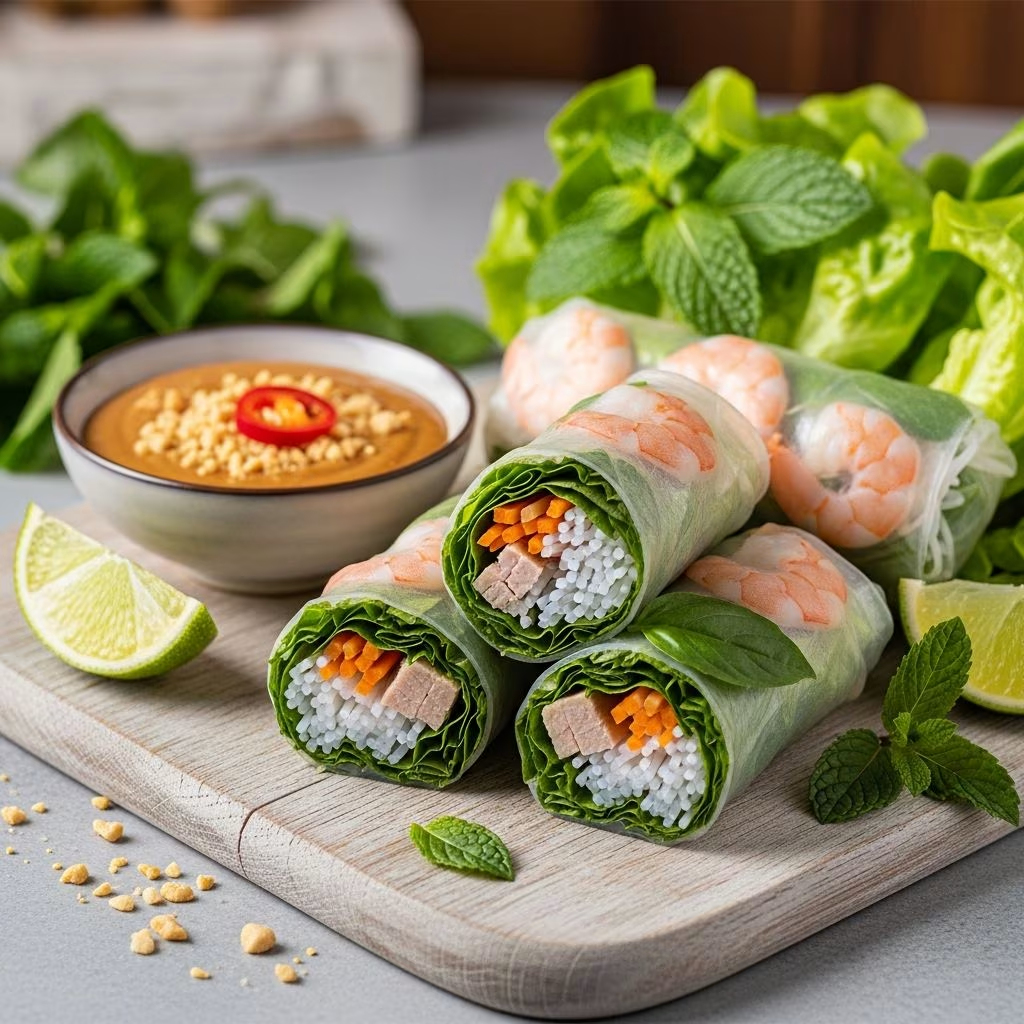
A simple peanut sauce combines peanut butter or tahini, lime juice, low-sodium soy sauce, and minced garlic, coating noodles with rich flavor using minimal added fat. Layer with shredded vegetables like carrots, cucumber, and bell peppers, plus a protein such as baked tofu or chickpeas. Miso-based broths create warming noodle soups perfect for cooler weather, combining soba or udon noodles with bok choy, mushrooms, and a soft-boiled egg.
Protein-Centered Preparations
Quality protein sources deserve thoughtful preparation that enhances their natural flavors rather than masking them with heavy sauces.
Fish and Seafood Options
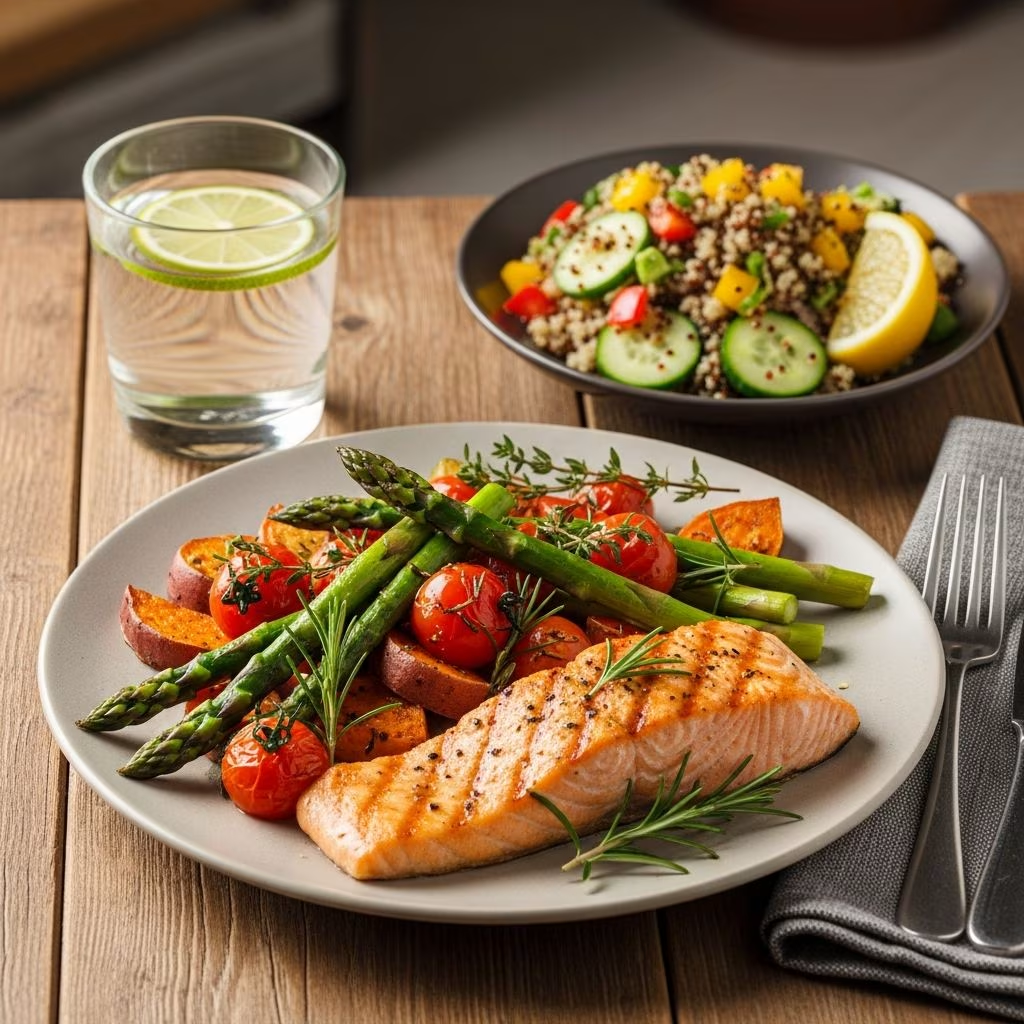
Fish provides complete protein alongside omega-3 fatty acids supporting cardiovascular and cognitive health. A simple preparation involves seasoning salmon or white fish with herbs and lemon, then baking en papillote—wrapped in parchment paper to steam gently in its own juices. This method takes fifteen minutes and requires minimal cleanup while preserving moisture and delicate flavor.
Seafood-based bowls combine seared salmon or cooked shrimp with brown rice, roasted vegetables, and a citrus or miso-based sauce. Canned fish works equally well for convenience—a Mediterranean tuna salad tosses canned tuna with fresh vegetables, capers, and a bright lemon dressing, requiring no cooking and delivering complete nutrition in minutes. Poke bowls utilize packaged cooked salmon or canned tuna combined with prepared sushi rice, avocado, cucumber, and edamame with a soy-sesame dressing.
Poultry Preparations
Chicken and turkey provide lean protein accommodating virtually any flavor profile. Rather than relying solely on traditional roasting, consider using rotisserie chickens from grocery stores to dramatically reduce preparation time. Shredded rotisserie chicken transforms grain bowls, salads, tacos, and wraps from basic to complete meals in seconds.
For fresh preparations, thin chicken cutlets cook through in ten minutes when gently sautéed, allowing quick weeknight solutions. Pair with white wine and lemon sauce alongside fresh asparagus, or create a caprese-style plate with fresh mozzarella, heirloom tomatoes, and basil with a balsamic drizzle.
Plant-Based Protein Solutions
Legumes, tofu, and tempeh offer complete nutrition for those reducing animal products. Chickpeas work beautifully in Mediterranean preparations, salads, or roasted until crispy for texture contrast. Lentils—particularly nutrient-dense varieties like green and red lentils—create substantial bases for grain bowls or combine with roasted vegetables for composed plates.
Baked tofu develops firm texture and absorbs surrounding flavors effectively, whether marinated in ginger-soy sauce or combined with pesto. Tempeh’s nuttier flavor and heartier texture appeal to those seeking meatier plant-based options.
Quick-Assembly Solutions for Busy Evenings
Some nights demand absolute simplicity—meals requiring five to ten minutes from kitchen entry to plate.
No-Cook or Minimal-Cook Options
- Simple salads featuring quality greens, raw vegetables, protein (canned beans, pre-cooked grains, rotisserie chicken), and a basic vinaigrette
- Pita and wrap combinations using prepared hummus, canned beans, fresh vegetables, and cheese for handheld nutrition
- Composed plates arranging sliced tomatoes, fresh mozzarella, basil, quality olives, and grilled chicken with crusty whole grain bread
- Prepared grain bowls combining store-bought rotisserie chicken with grocery store prepared grains and pre-cut vegetables
- Egg-based dinners such as vegetable omelets combining eggs with sautéed vegetables and cheese in fifteen minutes or less
Ten-Minute Cooked Meals
Brief cooking time remains realistic for several approaches. Stir-fry preparations toss pre-cut vegetables with quick-cooking proteins and simple sauce over rice. Broiled or pan-seared fish cooks through in eight to ten minutes, paired with microwaved sweet potatoes and steamed broccoli. Soups made with pre-diced vegetables, canned beans, and low-sodium broth come together quickly while providing warmth and comfort.
Strategic Ingredient Stocking
Maintaining a well-organized pantry, refrigerator, and freezer allows spontaneous meal creation without extensive shopping. Core proteins to keep on hand include frozen salmon fillets, skinless chicken breasts, canned beans in low-sodium varieties, and firm tofu. Frozen vegetables—broccoli, bell peppers, stir-fry blends—maintain nutritional value while requiring no prep work.
Whole grains benefit from weekend batch-cooking; prepare a large pot of quinoa or brown rice to use throughout the week in various applications. Fresh aromatics including garlic, onions, and ginger elevate simple preparations, while citrus juice and quality oils provide flavor without excess calories. Quality vinegars, low-sodium soy sauce, and hot sauce add complexity to basic components.
Flavor-Building Techniques Without Excess Calories
Satisfaction comes from genuine flavor rather than heavy sauces or excessive oil. Techniques for building depth include toasting whole grains before cooking, browning proteins to develop complex flavors through the Maillard reaction, and roasting vegetables until caramelized at edges. Fresh herbs added at the end of cooking preserve bright flavors, while warm spices like cumin, paprika, and turmeric add complexity with minimal sodium.
Acidic components—lemon juice, lime juice, vinegar, or tomatoes—brighten dishes and enhance perception of other flavors, reducing salt requirements. Toasted nuts and seeds add textural contrast and satisfaction through their healthy fats and minerals.
Customization for Dietary Preferences
The framework of protein-whole grain-vegetable accommodates various dietary approaches. Those reducing animal products easily swap legumes and plant-based proteins for fish or poultry. Gluten-free approaches substitute legume-based or corn-based pasta for wheat varieties, or rely more heavily on grain bowls using naturally gluten-free grains like quinoa and rice.
Lower-carbohydrate preferences increase vegetable volume and healthy fats while reducing grain portions. Higher-carbohydrate approaches emphasize whole grains and legumes balanced with adequate protein. The flexibility of this framework means one meal plan accommodates different household preferences simultaneously.
Frequently Asked Questions
How can I ensure adequate protein without animal products?
Combine legumes with whole grains to achieve complete amino acid profiles. A serving of lentils with rice, chickpeas with quinoa, or beans with corn provides all essential amino acids. Add nuts, seeds, soy products, or dairy if consuming those foods. Most plant-based proteins benefit from combination within the same meal for optimal amino acid availability.
What’s the best strategy for meal preparation?
Batch-cook grains and proteins on weekends, store in separate containers, and assemble combinations throughout the week. Prepare dressings and sauces ahead to speed evening assembly. Chop vegetables when energy permits, though pre-cut options reduce initial barrier to meal creation. Even partial preparation—washing and storing vegetables ready to use—improves follow-through on busy evenings.
How do I prevent evening meals from becoming repetitive?
Rotate proteins and grains regularly, trying new vegetables seasonally, and varying sauces and flavor profiles. A Mediterranean approach one evening shifts to Asian flavors the next through simple sauce changes. Ethnic cuisine frameworks—Mediterranean, Asian, Mexican, Indian—provide endless flavor variations using consistent core ingredients.
Can I make these meals in advance?
Yes, with strategic component selection. Cold dishes like grain bowls and noodle salads keep well refrigerated for several days. Composed plates with separated components—like proteins and vegetables in different containers—allow assembly just before eating while maintaining texture. Soups and cooked vegetable-based dishes store excellently for several days.
Building Sustainable Evening Eating Habits
Sustainable nutrition relies on flexibility rather than rigid adherence. Aiming for meals containing adequate protein, generous vegetable portions, and whole grain components creates natural balance without excessive complexity or monitoring. Preparing meals you genuinely enjoy—rather than choosing based solely on nutritional profile—ensures consistency over time.
Starting with simple preparations and gradually expanding your repertoire prevents overwhelm. Master three basic frameworks—grain bowls, noodle dishes, and protein plates—then experiment with variations. As these become automatic, your kitchen skills and confidence expand naturally.
Evening meals represent an opportunity for nourishment, satisfaction, and genuine pleasure. By understanding basic principles of balanced nutrition and maintaining practical ingredient on-hand, you create space for meals that support your health without demanding excessive time or complexity.
References
- Dietary Guidelines for Americans 2020-2025 — U.S. Department of Agriculture and U.S. Department of Health and Human Services. 2020. https://www.dietaryguidelines.gov
- Protein Requirements and Recommendations — National Institutes of Health Office of Dietary Supplements. 2024. https://ods.od.nih.gov/
- Whole Grains and Health — Harvard School of Public Health Nutrition Department. 2023. https://www.hsph.harvard.edu/nutritionsource/whole-grains/
- Mediterranean Diet and Cardiovascular Health — Mayo Clinic. 2024. https://www.mayoclinic.org/
- Omega-3 Fatty Acids Health Benefits — Oregon State University Linus Pauling Institute. 2024. https://lpi.oregonstate.edu/