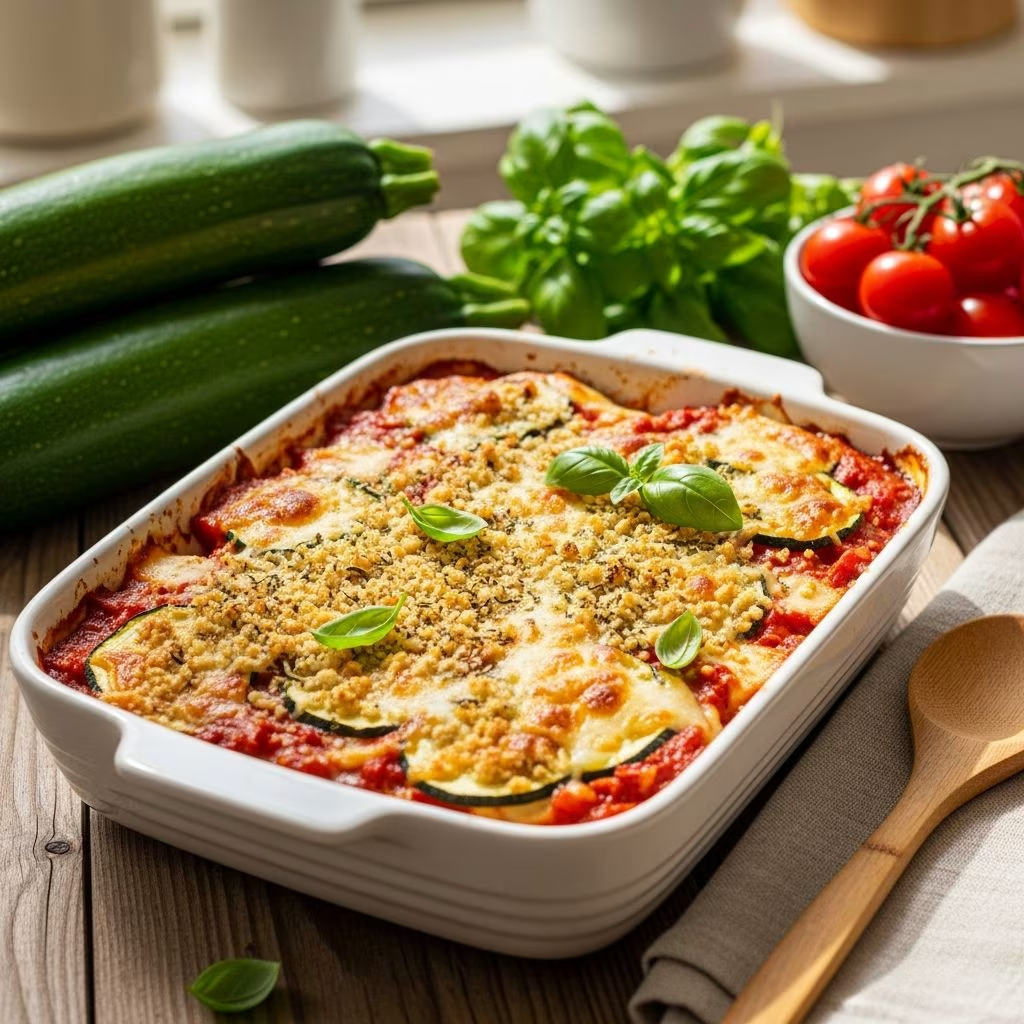
When summer arrives and gardens overflow with zucchini, home cooks often search for versatile recipes that transform abundant produce into satisfying meals. A baked zucchini casserole stands as one of the most reliable solutions, combining fresh vegetables with simple pantry staples to create a dish that works equally well as a side or light main course. This preparation method has earned its place at countless family tables because it requires minimal skill yet delivers impressive results every time.
The beauty of this casserole lies in its straightforward nature. Unlike complex recipes demanding specialized equipment or hard-to-find ingredients, this dish relies on everyday items found in most kitchens. The combination of layered vegetables, binding elements, and finishing touches creates a cohesive dish where each component plays a specific role. Understanding these elements transforms you from someone following instructions into a cook who understands why certain techniques work.
Understanding the Core Ingredients
Creating an exceptional zucchini casserole begins with selecting quality ingredients that will work together harmoniously. Each component contributes specific qualities that determine the final outcome, from texture to flavor intensity.
Choosing Your Zucchini
The foundation of any zucchini casserole rests on selecting the right variety and size. Medium-sized zucchini offer the ideal balance between tender flesh and manageable seed content. Smaller specimens, while tender, can become lost in a casserole format, while oversized zucchini tend toward watery consistency and prominent seed development. Look for zucchini with firm skin and consistent diameter, as these characteristics indicate younger specimens that have developed less internal moisture.
The preparation method for zucchini significantly impacts final texture. Slicing lengthwise creates larger pieces suitable for layering, while dicing produces smaller portions that integrate into a more uniform mixture. Some recipes recommend salting zucchini beforehand and allowing it to rest before combining with other ingredients. This practice draws out excess moisture that can otherwise compromise the casserole’s structural integrity during baking.
Cheese Selection and Function
Cheese serves multiple purposes in casserole construction: it adds flavor, contributes to binding, and creates richness. Different varieties produce notably different results. Hard aged cheeses like Parmesan and Pecorino Romano offer concentrated flavor and grating ability, making them excellent for layering throughout and creating the breadcrumb topping. These varieties melt partially rather than completely, maintaining distinct flavor notes rather than becoming uniform and mild.
Softer cheeses like crumbled feta provide tangy contrast that brightens heavier ingredients, while cheddar varieties add sharpness that pairs well with herbs. Some recipes incorporate cream cheese or heavy cream, which creates a more custardy texture by binding vegetables together without the need for excessive egg. The choice between dry and creamy cheeses often determines whether your casserole emerges tender-but-structured or rich-and-custard-like.
Breadcrumb Topping Considerations
The breadcrumb layer transforms during baking, transitioning from raw crumbs into a golden, textured crust. Panko breadcrumbs have become the standard for this application because their larger structure creates pronounced crunch rather than dense packing. Combining breadcrumbs with melted butter or oil ensures even browning and prevents dry, pale results. Some preparations incorporate crushed crackers like Ritz or saltines for additional flavor and distinctive texture.
The breadcrumb mixture benefits from incorporation of seasonings and additional cheese. Dried herbs, garlic powder, and grated cheese mixed into the breadcrumb layer create concentrated seasoning that flavors each bite of topping. This approach ensures the top doesn’t taste bland or one-dimensional.
Building Layers for Maximum Flavor
The layering technique distinguishes successful casseroles from mediocre ones. Strategic placement of ingredients ensures flavors distribute evenly while preventing unwanted moisture accumulation in any single area.
The Foundation Layer
Begin with a thin coating of oil or cooking spray on your baking vessel to prevent sticking and enable easy serving. Some recipes start with a vegetable layer, while others incorporate a thin binding base. Arranging the first zucchini layer cut-side up (if using halves) or in overlapping slices creates a foundation that catches flavors from subsequent layers. Seasoning this initial layer with salt, pepper, and herbs establishes foundational flavor before adding vegetables.
Vegetable Arrangement
Tomatoes, onions, and additional zucchini layers build upon the foundation. Slicing vegetables consistently ensures even cooking and attractive presentation when serving individual portions. Thin slicing (roughly 1/4-inch thickness) prevents hard or undercooked centers while thin enough slices cook completely in the baking time. The layering sequence matters less than ensuring relatively even distribution throughout the dish.
Interspersing onions throughout the casserole rather than grouping them in one section distributes their sweet, caramelized flavor throughout every bite. Similarly, cheese and herb distribution across layers rather than only on top creates a more cohesive flavor profile.
Moisture Management During Assembly
Strategic use of oil and fat prevents dry results while managing excess moisture. Drizzling oil between layers adds richness, helps distribute seasonings, and aids in cooking and browning. However, excessive oil can create a greasy finished dish. The general principle suggests using enough to coat each layer lightly without creating visible pooling.
Essential Seasonings and Flavor Building
Herbs represent the flavor backbone of vegetable casseroles. The combination of oregano, basil, thyme, and garlic creates a Mediterranean-inspired profile that complements vegetables without overwhelming them. These herbs work synergistically rather than competing, each contributing distinct notes that blend into comprehensive flavor.
- Oregano: Provides earthy, slightly peppery notes that anchor the herb blend and complement tomatoes particularly well
- Basil: Adds brightness and subtle sweetness that prevents the dish from tasting heavy or one-dimensional
- Thyme: Contributes woodsy undertones that deepen overall complexity without asserting itself as a dominant flavor
- Garlic: Offers pungent, savory notes that enhance both the vegetables and cheese components
Salt distribution throughout layers rather than applying it only at the end ensures seasoning penetrates vegetables rather than sitting on the surface. Starting with conservative salt amounts prevents oversalting, since cheese and breadcrumbs contribute additional sodium. Tasting before serving allows final adjustment if needed.
Black pepper and red pepper flakes provide heat and sharpness that enliven the overall profile. Some recipes incorporate Dijon mustard, which adds complexity and slight tang without detectably tasting like mustard when used in small quantities.
Binding Mechanisms and Texture Development
Eggs and cream create the structural matrix that holds the casserole together during baking and serving. These ingredients transform what might otherwise be a collection of separate vegetables into an integrated dish where each bite contains multiple components working together.
Egg’s Role in Casserole Structure
Eggs serve as a binder, helping the casserole hold together while providing richness. The protein in eggs coagulates during baking, creating a custard-like texture that suspends vegetables. Most recipes call for whisked eggs combined with other filling ingredients before transfer to the baking dish. This approach distributes eggs evenly rather than creating pockets of egg-heavy mixture.
Cream and Dairy Options
Heavy cream, mayonnaise, or milk create richness and additional binding capacity. Heavy cream produces the most luxurious texture but contributes significant calories, while milk offers lighter binding with less richness. Mayonnaise, though unconventional-sounding, adds both fat and egg-based binding that some regional recipes favor. The choice depends on desired final texture: custardy and rich versus lighter and vegetable-forward.
Step-by-Step Preparation Methods
Different preparation approaches yield variations in final texture and flavor intensity. Understanding these techniques allows customization based on preferences and available ingredients.
The Sliced and Layered Approach
This method involves slicing vegetables thin and arranging them in overlapping layers directly in the baking dish. Begin by coating the dish with oil, then arrange the first zucchini layer. Season with salt, pepper, herbs, and cheese. Continue alternating vegetable layers with seasonings and cheese, ensuring relatively even distribution. Crown with the breadcrumb mixture before baking. This approach works well for presentation-conscious servings where individual portions display visible vegetable layers.
Baking typically occurs at 375-400 degrees Fahrenheit for 30-45 minutes, depending on vegetable thickness and oven characteristics. The casserole finishes when vegetables become tender when pierced with a fork and the breadcrumb topping develops golden-brown color.
The Mixed and Combined Approach
Alternatively, dice vegetables and combine with binding ingredients before transfer to the baking dish. This method requires pre-cooking zucchini briefly in boiling water to soften it, then draining thoroughly. Mix the cooled zucchini with sautéed onions, garlic, cheese, breadcrumbs, eggs, and seasonings in a large bowl. Transfer the combination to a greased baking dish and top with additional cheese and buttered breadcrumbs. This approach produces more uniform texture throughout and requires less careful assembly time.
Baking Techniques for Optimal Results
Oven temperature and timing significantly affect final outcomes. Covering the casserole during initial baking retains moisture, while uncovering partway through allows breadcrumb browning. Some recipes recommend broiling briefly at the end to achieve deeper browning if desired.
Allowing the casserole to rest for 5-10 minutes after removal from the oven helps it set and makes serving cleaner. During this resting period, residual heat continues cooking vegetables slightly, and the structure firms enough to hold its shape when portioned.
Variation Ideas and Customization
| Variation | Key Changes | Best For |
|---|---|---|
| Mediterranean | Feta cheese, sun-dried tomatoes, kalamata olives, oregano-heavy seasoning | Those seeking tangy, bold flavors |
| Italian-Inspired | Pecorino Romano, fresh tomatoes, basil, garlic, breadcrumb topping with olive oil | Classic comfort food preferences |
| Creamy Herb | Heavy cream, multiple fresh herbs, cottage cheese or ricotta | Those preferring custard-like texture |
| Spiced Variation | Red pepper flakes, smoked paprika, garlic powder, sharp cheddar | Those who enjoy heat and complexity |
Storage and Make-Ahead Strategies
Zucchini casserole adapts well to advance preparation. Assemble the casserole completely, cover with plastic wrap or foil, and refrigerate up to 24 hours before baking. Add 10-15 minutes to the baking time if baking from cold. This make-ahead capacity makes the dish ideal for meal planning and entertaining.
Leftovers store well refrigerated in an airtight container for 3-4 days. Reheating in a 350-degree oven until warmed through preserves texture better than microwave reheating, though both methods work. The casserole also freezes successfully for up to 2 months, though texture may become slightly softer after thawing and rebaking.
Troubleshooting Common Issues
- Watery or Soggy Texture: Salt zucchini and allow it to rest before combining, squeeze excess moisture from shredded varieties, and avoid overpacking the baking dish
- Pale Breadcrumb Topping: Ensure breadcrumbs are well-moistened with oil or melted butter, and consider broiling briefly before serving
- Undercooked Vegetables: Extend baking time or slice vegetables thinner for more even cooking; avoid overcrowding which prevents heat circulation
- Bland Results: Season more generously between layers rather than relying solely on salt at the end; incorporate cheese throughout rather than only on top
Nutritional Considerations
Zucchini casserole primarily derives calories from cheese, oils, and eggs rather than from the vegetables themselves. One cup of zucchini contains approximately 19 calories, while an ounce of cheddar cheese provides around 110 calories. The final dish’s nutritional profile depends on ingredient proportions and portion size. The casserole provides dietary fiber from vegetables, protein from eggs and cheese, and B vitamins from these same sources.
For those seeking lighter versions, substituting mayonnaise with Greek yogurt, reducing cheese quantities, or using lean oil provides nutritionally optimized alternatives without sacrificing notable flavor.
Frequently Asked Questions
Can I use frozen zucchini instead of fresh?
Yes, frozen zucchini works, though thawing and squeezing out excess moisture is essential to prevent the casserole from becoming watery. Frozen zucchini often contains more moisture than fresh, requiring extra drainage steps.
What can I substitute for breadcrumbs?
Crushed crackers, panko, crushed nuts, or even granola provide textural contrast. Each substitute contributes different flavor profiles: saltines offer neutral crunch, while crushed nuts add richness.
How do I prevent the casserole from being too heavy?
Use lighter binders like milk instead of heavy cream, reduce cheese quantities, and include more fresh herbs to brighten flavors without adding richness.
Can this casserole be made vegetarian or vegan?
The standard recipe is already vegetarian. Making it vegan requires substituting eggs with plant-based binders like aquafaba or silken tofu, and using vegan cheese alternatives and dairy-free milk.
What temperature should I bake at?
Most recipes call for 350-400 degrees Fahrenheit. Lower temperatures produce more tender vegetables but require longer baking, while higher temperatures brown the top faster but may undercook vegetable centers.
References
- Italian Zucchini Casserole – Easy Summer Side Dish — Sip and Feast. 2024. https://www.sipandfeast.com/italian-zucchini-casserole/
- Zucchini Casserole — The Cozy Cook. 2024. https://thecozycook.com/zucchini-casserole/
- Easy Cheesy Zucchini Casserole — My Farmhouse Table. 2024. https://myfarmhousetable.com/easy-cheesy-zucchini-casserole/
- Zucchini Casserole — Easy Peasy Meals. 2024. https://www.eazypeazymealz.com/zucchini-casserole/
- Zucchini Casserole (Easy Side Dish!) — Sally’s Baking Addiction. 2024. https://sallysbakingaddiction.com/zucchini-casserole-recipe/