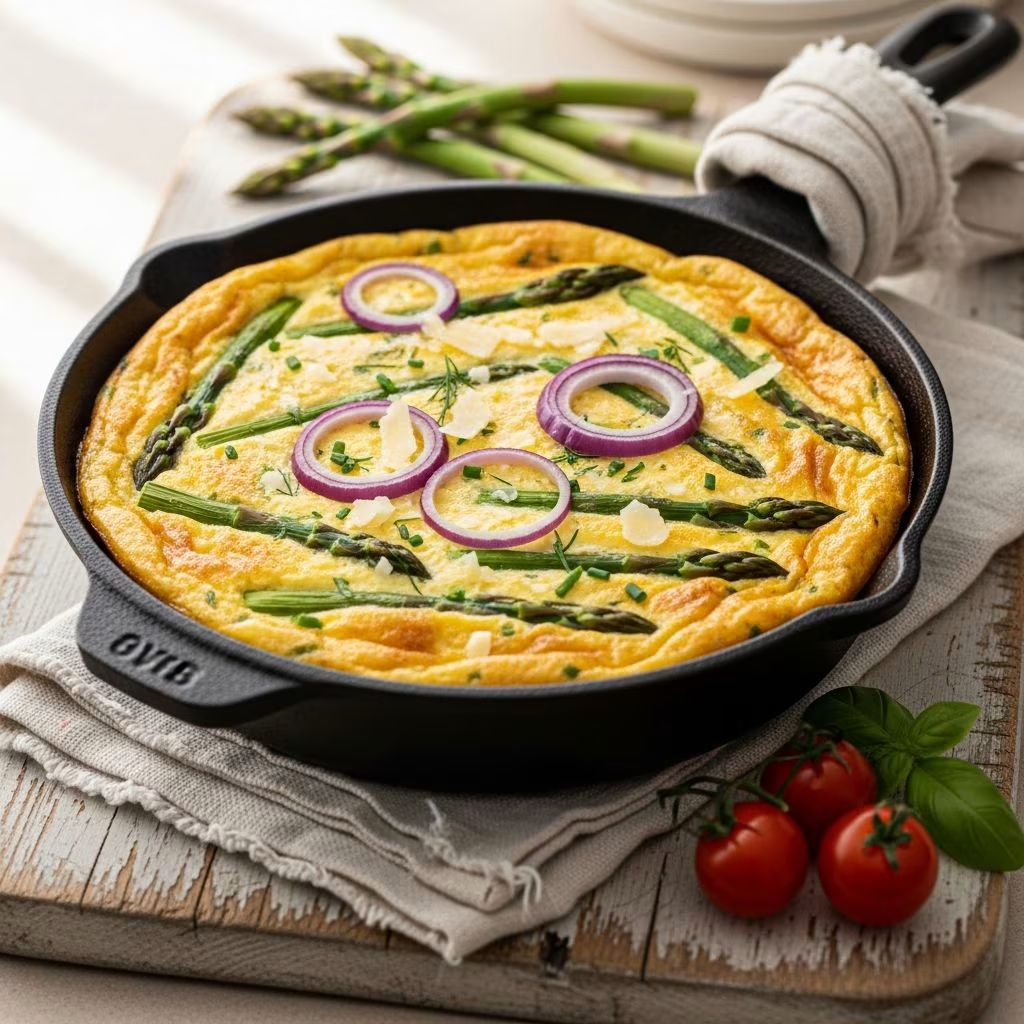
An egg-based dish that originated in Italy, the frittata has become a beloved staple in kitchens around the world. Unlike traditional omelets that require constant attention and flipping, this particular preparation method involves cooking the ingredients partially on the stovetop and finishing in the oven for a foolproof result. When you incorporate fresh asparagus into this framework, you create a dish that is both elegant and uncomplicated, making it suitable for various occasions from casual weeknight dinners to impressive brunch gatherings.
The beauty of this vegetable-forward preparation lies in its flexibility and speed. Most versions can be completed in under 40 minutes, with minimal active cooking time. The combination of protein-rich eggs, tender asparagus spears, and sharp cheese creates a balanced meal that satisfies without feeling heavy. Whether you are seeking a low-carbohydrate option or simply want to incorporate more vegetables into your diet, this dish delivers nutrition without compromise.
Understanding the Frittata Format
The frittata represents a cooking technique that differs fundamentally from other egg preparations. Rather than folding ingredients into cooked egg as you would with an omelet, a frittata begins with sautéed components mixed directly into an egg mixture before cooking. This method ensures even distribution of ingredients throughout the dish and eliminates the need for precise timing or technical skill.
The cooking process involves two distinct phases. First, you develop flavors and soften vegetables on the stovetop using medium heat. Second, you transfer the partially set mixture to a preheated oven where gentle, dry heat completes the cooking process. This two-stage approach prevents the bottom from burning while ensuring the top achieves a tender, just-set consistency. The result is a cake-like structure that slices neatly into individual portions.
Why Asparagus Works Particularly Well
Asparagus brings multiple advantages to this dish. Its mild flavor allows other ingredients to shine while its firm texture holds up well during cooking. The vegetable’s natural earthiness complements eggs beautifully, and its vibrant green color makes any finished dish visually appealing. Additionally, asparagus requires minimal preparation beyond trimming the woody lower portion and cutting spears into manageable pieces.
Fresh asparagus contains beneficial compounds including folate, vitamins A, C, and K, plus fiber that supports digestive health. By pairing it with eggs—an excellent protein source containing all nine essential amino acids—you create a nutritionally complete meal that sustains energy levels throughout the day.
Essential Ingredients and Preparation
Building Your Ingredient List
A basic asparagus frittata requires remarkably few components. The foundation consists of eggs, which serve as the binding agent and primary protein. Most recipes call for six to eight large eggs, depending on desired servings and additional ingredients. Quality matters here; fresher eggs produce better results with superior texture and flavor.
Cheese adds richness and depth. Parmesan is the traditional choice, offering a sharp, slightly salty profile that intensifies during cooking. Many cooks prefer freshly grated versions over pre-shredded alternatives, as the latter contains anti-caking agents that can interfere with melting and texture. You can use between one-half cup and three-quarters cup depending on preference.
Fat for cooking might be butter or olive oil, with each contributing distinct flavor characteristics. Olive oil provides a Mediterranean quality, while butter adds richness and subtle nuttiness. One to two tablespoons suffices for a ten-inch skillet.
Preparing the Asparagus
Begin by rinsing fresh asparagus under cool running water and inspecting for any sand or debris. Snap or cut off the lower woody portion of each spear; this typically comprises the bottom third to one-half inch depending on the asparagus thickness. You should end up with tender green spears measuring five to six ounces after trimming.
Cut prepared spears into one-inch pieces. This size works well because it allows pieces to cook through without becoming mushy while remaining substantial enough to taste in each bite. Some recipes recommend blanching asparagus briefly in boiling salted water before sautéing—this practice ensures the vegetable reaches ideal tenderness while preserving its bright color.
Optional Flavor Enhancers
While not strictly necessary, various additions elevate the final dish. Fresh herbs such as Italian parsley, basil, or chives brighten the flavor profile considerably. A single shallot minced finely provides subtle onion notes without overpowering delicate vegetables. Some preparations incorporate roasted red peppers, sun-dried tomatoes, or mushrooms for added depth and complexity.
Consider adding crumbled feta, goat cheese, or even mozzarella as alternatives or supplements to Parmesan. Each contributes unique flavor and textural qualities. A touch of Dijon mustard mixed into the egg mixture introduces a pleasant tang that complements both eggs and vegetables beautifully.
Step-by-Step Cooking Method
Oven Preparation and Temperature
Begin by preheating your oven to 350 degrees Fahrenheit (175 degrees Celsius). Some recipes suggest 400 degrees for faster cooking, but the moderate temperature allows the center to set gently without the top browning too quickly. Proper oven temperature ensures even cooking throughout. While the oven preheats, you can prepare ingredients without rushing.
Creating the Egg Mixture
In a medium bowl, crack your eggs and whisk until whites and yolks combine thoroughly. This step seems simple but proves crucial for uniform texture. Add your chosen dairy component—whether heavy cream, half-and-half, or whole milk—in the proportion of roughly one tablespoon per egg. This addition creates a creamier final texture and helps prevent overcooking the protein.
Season the egg mixture with salt and pepper to taste, remembering that cheese will contribute additional saltiness. Fold in grated cheese gently but thoroughly, ensuring it distributes evenly throughout. If including herbs, add them now along with any other flavor additions. Avoid over-mixing at this stage, as excessive agitation can incorporate excess air and result in a rubbery texture.
Stovetop Vegetable Development
Heat your chosen fat in a ten-inch nonstick or cast-iron skillet over medium heat. Once melted or warmed through, add your prepared asparagus pieces. Season lightly with salt and pepper. Cook for approximately three to five minutes, stirring occasionally, until the vegetables soften slightly but retain firmness. You are not aiming for fully tender pieces at this stage.
If using additional vegetables such as mushrooms or tomatoes, add them in order of cooking time required. Items that take longer should go in first, while quick-cooking ingredients can be added midway through. This staged approach ensures everything finishes at approximately the same time.
Combining and Finishing in the Oven
Pour the whisked egg mixture over the vegetables in the skillet, stirring gently to ensure even distribution. Cook on the stovetop for two to three minutes over medium heat until the edges begin setting while the center remains quite liquid. Then, transfer the skillet to your preheated oven.
Bake for approximately fifteen to twenty minutes, depending on your specific oven and skillet size. The frittata is done when the edges are firm and lightly browned while the very center shows only the slightest jiggle when you gently shake the pan. The residual heat will continue cooking after removal from the oven, so slightly underbaking prevents dryness.
Serving Suggestions and Timing
| Serving Occasion | Best Practices | Complementary Sides |
|---|---|---|
| Breakfast | Serve warm immediately or at room temperature; slice into wedges | Fresh fruit, crusty bread, sparkling water with lemon |
| Lunch | Prepare ahead and refrigerate; enjoy cold or reheated gently | Simple green salad, crackers, aged cheese |
| Dinner | Present as main course with substantial vegetable side | Roasted potatoes, sautéed greens, tomato salad |
| Brunch entertaining | Make in larger batch format; cut into smaller pieces for sharing | Chilled prosecco, fresh berries, elegant pastries |
The frittata maintains excellent texture served at any temperature, making it particularly convenient for meal planning. You can prepare it several hours in advance and store at room temperature, refrigerate for up to four days, or even freeze portions for future use. When reheating refrigerated frittata, either slice and pan-fry gently to restore crispness or warm in a 300-degree oven for gentle reheating that preserves moisture.
Variations and Customization Options
Protein Additions
While the basic vegetable frittata satisfies vegetarians and vegans (when using plant-based milk), many cooks prefer adding protein through meat. Crumbled cooked bacon introduces smoky richness, while diced prosciutto offers subtle saltiness. Ground sausage cooked through beforehand provides hearty substance. Even finely chopped smoked salmon creates an elegant preparation suited to special occasion brunches.
Cheese Combinations
Rather than restricting yourself to Parmesan, consider combinations that offer complexity. Mixing sharp Cheddar with milder mozzarella creates layered flavor with appealing textural contrast. Gruyère adds sophisticated nuttiness perfect for dinner preparations. Feta cheese crumbled throughout provides briny brightness that particularly complements spring vegetables. Goat cheese contributes tanginess and creamy texture.
Additional Vegetables
The versatility of the frittata format means you can incorporate nearly any vegetable. Roasted red peppers, caramelized onions, sautéed spinach, sliced tomatoes, or mushrooms all work beautifully. For hearty winter versions, consider Brussels sprouts, broccoli, or kale. Summer preparations might feature zucchini, snap peas, or fresh corn.
Frequently Asked Questions
Can I prepare this dish in advance?
Yes. You can prepare the frittata completely, cool it fully, and refrigerate it covered for up to four days. Reheat gently in a 300-degree oven or slice and pan-fry if you prefer to restore surface crispness.
What skillet size is appropriate?
A ten-inch nonstick or cast-iron skillet works best for standard recipes yielding four servings. Larger gatherings might benefit from a 12-inch skillet or square 9-inch baking dish. Adjust cooking time slightly if using different pan sizes.
Can I substitute fresh asparagus with frozen?
Frozen asparagus works in a pinch, though fresh provides superior texture and flavor. If using frozen, thaw completely and pat dry before cooking to avoid excess moisture in the final dish.
Is it possible to make this dairy-free?
Absolutely. You can omit cream entirely and use water or vegetable broth instead. For cheese, nutritional yeast or dairy-free cheese alternatives can replace traditional options, though results vary depending on the specific product.
How do I know when the frittata is properly cooked?
The edges should be set and lightly golden while the center shows only slight jiggle when you gently shake the pan. The residual heat continues cooking after removal from the oven, so slight undercooking prevents a dry, rubbery texture.
Can I freeze leftovers?
Yes. Cool the frittata completely, cut into individual portions, wrap in plastic wrap and aluminum foil, and freeze for up to three months. Thaw in the refrigerator overnight before reheating gently.
Conclusion
An asparagus frittata represents one of the most straightforward yet impressive dishes to master. Its combination of simplicity and sophistication makes it equally suitable for casual family dinners and entertaining guests. The minimal ingredient list and forgiving cooking method mean success regardless of your experience level. By understanding the basic technique and feeling confident in making adjustments, you unlock a dish that adapts to seasonal availability, dietary preferences, and creative inspiration. Whether enjoyed warm from the oven or at room temperature hours later, this versatile preparation proves that elegant meals need not require complicated techniques or extensive preparation time.
References
- Eggs: Nutrition, Health Benefits, and Preparation — United States Department of Agriculture (USDA). 2024. https://www.fsis.usda.gov/food-safety/safe-food-handling-and-preparation/eggs-and-egg-products
- Asparagus: Nutritional Composition and Health Properties — University of California Davis Department of Plant Sciences. 2024. https://ucanr.edu/sites/anrstaff/files/215960.pdf
- Food Safety Guidelines for Home Cooking — Centers for Disease Control and Prevention (CDC). 2024. https://www.cdc.gov/foodsafety/communication/steps-healthy-food-safety.html
- Italian Regional Cooking and Traditional Techniques — Slow Food Foundation International. 2024. https://www.slowfoodfoundation.com/en/what-we-do/our-projects/traditional-food-cultures/