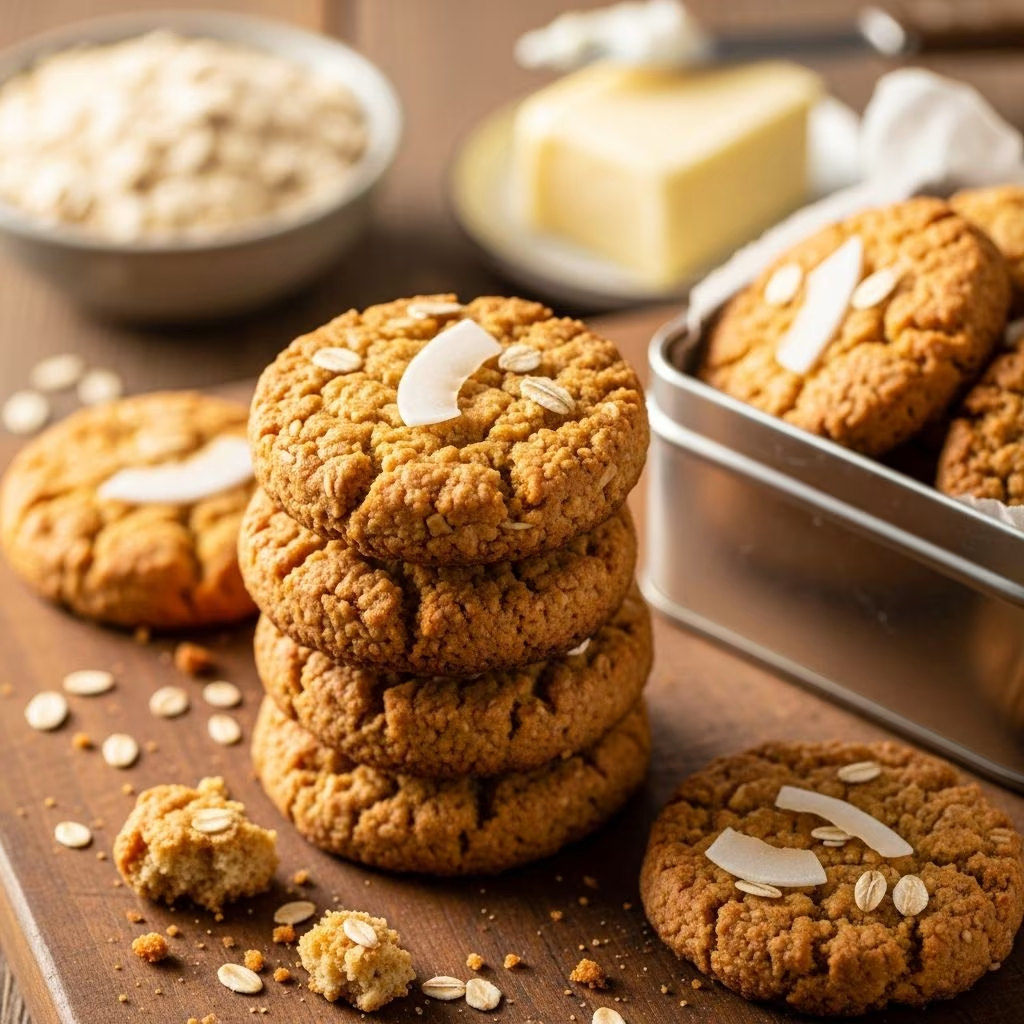
ANZAC biscuits represent more than just a delicious treat—they embody a cherished baking tradition that has been passed down through generations in Australia and New Zealand. These remarkable cookies, characterized by their distinctive combination of rolled oats and coconut, deliver a complex flavor profile featuring hints of caramel and toffee. Whether you’re a novice baker or an experienced kitchen enthusiast, understanding the nuances of creating these beloved treats will elevate your baking repertoire and provide you with a reliable recipe that consistently produces impressive results.
Understanding the Essential Components
The foundation of exceptional ANZAC biscuits relies on a carefully balanced selection of ingredients, each contributing distinct qualities to the final product. The primary components work synergistically to create the signature texture and flavor that distinguish these cookies from other baked goods.
The Role of Rolled Oats
Old-fashioned rolled oats form the textural backbone of ANZAC biscuits, providing a hearty, grainy foundation that prevents the cookies from becoming overly dense or cake-like. Unlike instant oats, which break down too quickly during mixing and baking, rolled oats maintain their integrity and contribute a pleasant chewiness to each bite. The oats create pockets of texture that distinguish ANZAC biscuits from conventional sugar cookies, making them substantially more interesting and satisfying to consume. When selecting oats, prioritize whole grain varieties to ensure optimal texture development.
Coconut Selection and Preparation
Coconut plays a pivotal role in defining the flavor and moisture content of these biscuits. Whether you choose sweetened flaked coconut, desiccated coconut, or unsweetened varieties depends on your sweetness preferences and regional availability. Many bakers discover that toasting coconut prior to incorporation enhances its natural flavor complexity and creates a more pronounced caramelized profile. This optional pre-baking step requires spreading coconut on a baking sheet and toasting it at moderate heat for approximately eight to ten minutes, stirring frequently to ensure even browning and prevent scorching.
Flour Composition
The flour component typically combines all-purpose flour with occasional additions of whole wheat flour. This combination balances structural integrity with nutritional density. All-purpose flour provides the necessary gluten network for proper cookie structure, while whole wheat flour introduces subtle nuttiness and increased fiber content. The flour proportion typically remains modest—approximately one cup in most recipes—ensuring the oats and coconut remain the dominant textural elements.
Sweetening Agents
Traditional ANZAC biscuits derive their sweetness from multiple sources working in concert. Brown sugar contributes molasses notes and hygroscopic properties that promote chewiness, while white granulated sugar adds crystalline sweetness and aids in spreading. Golden syrup serves as the traditional binding agent, imparting rich caramel undertones. However, adaptable bakers frequently substitute honey, maple syrup, or agave nectar when golden syrup proves unavailable, each providing subtly different flavor dimensions while maintaining structural integrity.
Core Ingredients Breakdown
| Ingredient | Typical Quantity | Purpose | Substitution Options |
|---|---|---|---|
| Rolled Oats | 1 cup | Texture and bulk | None (use old-fashioned, not instant) |
| All-Purpose Flour | ¾–1 cup | Structure | Whole wheat flour (partial) |
| Coconut | ¾–1 cup | Flavor and moisture | Sweetened or unsweetened varieties |
| Brown Sugar | ½–¾ cup | Sweetness and chewiness | White sugar (increases crispness) |
| Butter | ½ cup (125g) | Richness and binding | Coconut oil (altered flavor) |
| Golden Syrup | 2–3 tablespoons | Sweetness and caramel flavor | Honey, maple syrup, or corn syrup |
| Baking Soda | ¾–1½ teaspoons | Leavening | None (essential) |
| Boiling Water | 1–2 tablespoons | Activates baking soda | None (essential) |
| Vanilla Extract | ½–1 teaspoon | Flavor depth | Omit or substitute with almond extract |
Step-by-Step Preparation Method
Initial Setup and Preparation
Begin your baking journey by preheating your oven to 350 degrees Fahrenheit (175 degrees Celsius for fan-bake ovens). Line your baking sheets with parchment paper or silicone baking mats to facilitate easy removal and prevent sticking. This preparatory step proves crucial for achieving consistent browning and preventing the delicate undersides from burning.
Dry Ingredient Assembly
In a large mixing bowl, combine your rolled oats, flour, coconut, and brown sugar. If you’ve chosen to toast your coconut beforehand, allow it to cool completely before incorporating it into the dry mixture. Whisk these ingredients together thoroughly, ensuring even distribution of each component. This step creates a homogeneous base that will absorb the wet ingredients uniformly during mixing.
Wet Ingredient Preparation
In a separate small saucepan or microwave-safe container, melt your butter. Once melted, incorporate your chosen syrup or honey, stirring until the mixture becomes smooth and homogeneous. Separately, prepare your boiling water mixed with baking soda in a small cup. This mixture will fizz and bubble as the baking soda reacts with the water—this visible reaction confirms proper activation and is entirely normal. Whisk this effervescent mixture into your melted butter and syrup combination.
Dough Formation
Slowly pour your wet ingredients into the dry mixture, stirring gently until all components combine. Avoid over-mixing, which can develop excessive gluten and result in tough, cake-like cookies. The dough should appear slightly crumbly but hold together when pressed. Some recipes benefit from a brief resting period of five to ten minutes, allowing the oats to absorb moisture and create a more cohesive mixture.
Baking Techniques for Optimal Results
Portioning and Spacing
Using a cookie scoop or spoon, place individual portions of dough onto your prepared baking sheets, leaving adequate space between each cookie—approximately two inches—to accommodate spreading during baking. These cookies will expand more than many traditional varieties, making proper spacing essential for achieving individual, well-defined cookies rather than a connected mass.
Baking Duration and Temperature Monitoring
Bake your ANZAC biscuits for approximately twelve to fifteen minutes, though individual oven variations may require adjustment. The key indicator of doneness involves observing the cookie edges, which should turn golden brown while the centers retain a slightly softer appearance. This visual cue indicates the biscuits will develop the characteristic chewy center with crispy edges as they cool. Removing them slightly before they appear fully set prevents overbaking and maintains the desired texture balance.
Cooling and Texture Development
Allow your freshly baked biscuits to rest on the baking sheet for approximately five minutes before transferring them to a wire cooling rack. This crucial intermediate step permits carryover cooking, which continues to firm the edges while allowing the centers to set gradually. Immediate transfer to a cooling rack may result in excessively soft cookies, while extended time on the hot sheet promotes excessive crispness.
Customization and Flavor Variations
Texture Adjustments
The texture spectrum of ANZAC biscuits ranges from chewy to crispy, depending on personal preference and baking methodology. For chewier results, reduce baking time to ten to twelve minutes and store cookies in an airtight container with a slice of bread, which adds moisture. For crunchier varieties, extend baking time by two to four minutes, ensuring the centers achieve a more thoroughly set consistency. Storage method significantly influences final texture, making container selection an important consideration for texture preservation.
Flavor Enhancements
Creative bakers frequently introduce additional ingredients to personalize their ANZAC biscuits. Common additions include chopped nuts (particularly macadamia or pecans), dried fruit (raisins or dried cranberries), or spice elements (cinnamon or nutmeg). These additions should constitute no more than one-quarter cup to maintain the original flavor profile while introducing complementary dimensions.
Frequently Asked Questions
Why do my ANZAC biscuits spread excessively?
Excessive spreading typically results from insufficient binding or excessive baking soda. Verify that your baking soda quantity remains within recommended ranges, and ensure adequate flour incorporation. Temperature-related factors also contribute—dough that’s too warm when placed on baking sheets will spread more rapidly. Try chilling your dough for fifteen minutes before baking.
Can I substitute golden syrup with honey?
Yes, honey serves as an effective substitute at a one-to-one ratio, though it may impart subtle flavor differences. Maple syrup and corn syrup also work adequately, though each introduces distinct taste characteristics. Avoid combining multiple syrups, as this can alter moisture balance.
How should ANZAC biscuits be stored?
Store completely cooled biscuits in an airtight container at room temperature for up to two weeks. The extended shelf life characteristic of ANZAC biscuits makes them excellent for advance preparation. For chewier texture preservation, include a slice of bread in the storage container, replacing it every few days as it becomes saturated with moisture.
Why haven’t my biscuits developed the proper caramel color?
Insufficient baking time or oven temperature that runs cool may prevent proper browning. Verify your oven temperature with a separate thermometer, as many ovens develop calibration discrepancies over time. Ensure you’re baking for the full recommended duration, as premature removal prevents caramelization of the sugars.
Are ANZAC biscuits appropriate for dietary restrictions?
These biscuits naturally contain no eggs, making them suitable for some dietary needs. Gluten-free flour blends can substitute all-purpose flour with generally successful results. Vegan bakers can substitute butter with coconut oil or vegan butter alternatives, though texture may shift slightly.
Storage and Longevity
One distinguishing characteristic of ANZAC biscuits involves their remarkable shelf life compared to many alternative cookie varieties. The combination of reduced moisture content and minimal perishable ingredients creates cookies that maintain quality for extended periods. Store biscuits in airtight containers at room temperature, avoiding exposure to humidity and temperature fluctuations. Properly stored ANZAC biscuits remain fresh and enjoyable for up to three weeks, making them ideal for batch baking and advance preparation for social gatherings.
Troubleshooting Common Baking Challenges
Understanding common pitfalls helps prevent disappointment and encourages experimentation. Cookies that emerge too soft typically indicate insufficient baking time or excessive syrup content. Conversely, excessively hard or brittle biscuits suggest over-baking or insufficient syrup proportion. Dense, cake-like cookies often result from over-mixing the dough, which develops excessive gluten. Recognizing these patterns enables systematic adjustment for consistent success across multiple baking sessions.
Serving Suggestions and Pairings
ANZAC biscuits complement a wide range of beverage and food pairings. Traditional afternoon tea pairings include black tea, particularly varieties with robust character like English breakfast or Earl Grey. Coffee drinkers appreciate the complementary flavor interaction between these cookies and medium to dark roasted varieties. For casual snacking, ANZAC biscuits require no accompaniment, though milk—whether dairy or plant-based—provides a classic refreshment option. These versatile cookies adapt seamlessly to formal afternoon service or informal family gatherings.
References
- ANZAC Biscuits (Australian Coconut-Oat Cookies) — My Cooking Journey. https://www.mycookingjourney.com/anzac-biscuits-popular-biscuitcookie/
- Anzac Biscuits — Small Town Woman. https://www.smalltownwoman.com/anzac-cookies/
- Anzac Biscuits (Brown Sugar Oatmeal Coconut Cookies) — Whole and Heavenly Oven. https://wholeandheavenlyoven.com/2020/05/14/anzac-biscuits-brown-sugar-oatmeal-coconut-cookies/
- Authentic ANZAC Biscuits — Kylee Cooks. https://www.kyleecooks.com/authentic-anzac-biscuits/
- Chewy Oatmeal Coconut Brown Sugar Cookies (Anzac Biscuits) — Averie Cooks. https://www.averiecooks.com/chewy-oatmeal-coconut-brown-sugar-cookies-anzac-biscuits/