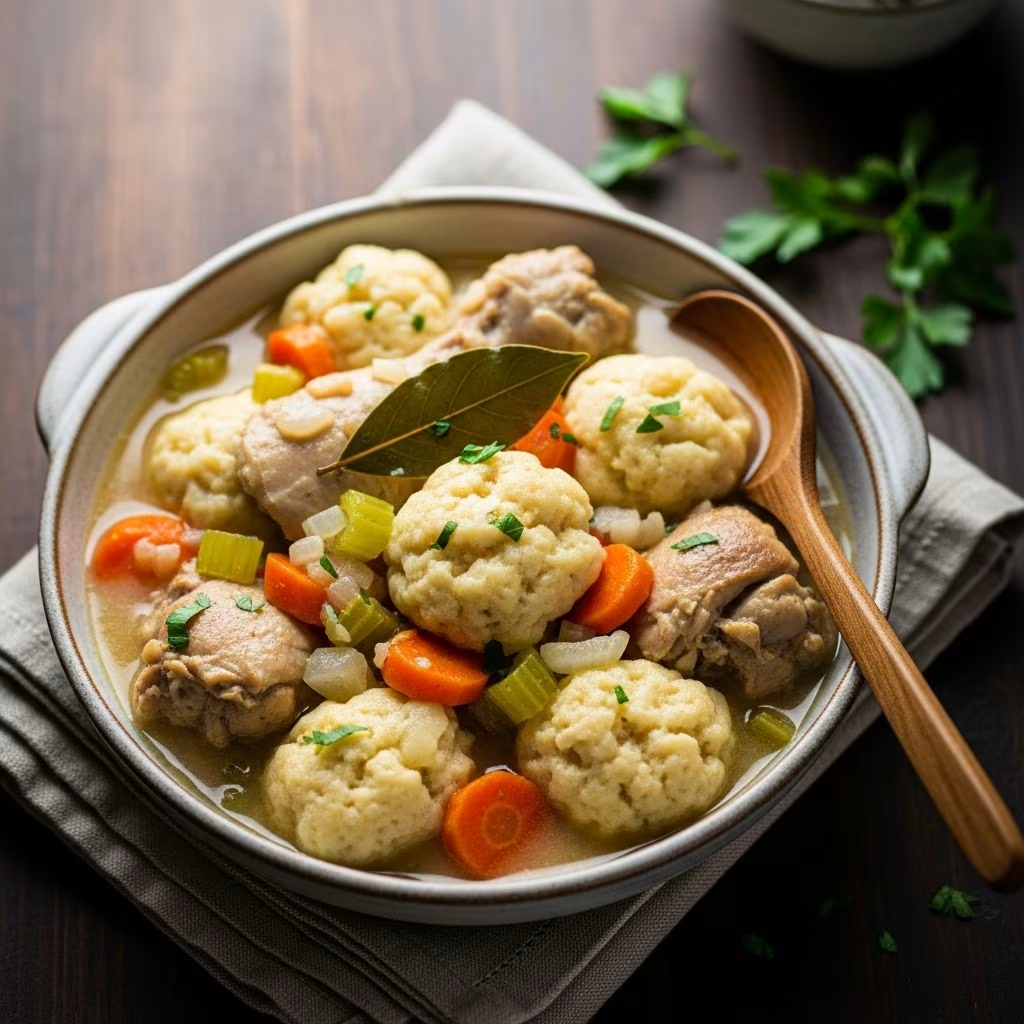
Comfort food doesn’t require a complicated ingredient list or hours spent in the kitchen. One of the most beloved dishes in American home cooking—chicken and dumplings—can be simplified to its essential components without sacrificing flavor or satisfaction. This approach to slow cooker cooking demonstrates that sometimes the best meals emerge from constraint rather than abundance.
The beauty of this culinary approach lies in its practicality. When you strip away unnecessary ingredients, you discover what truly matters in a dish: quality proteins, building blocks for richness and depth, and components that create texture contrast. This recipe respects both your time and your pantry, making it an ideal solution for those seeking nourishing meals without elaborate preparation.
Understanding the Core Components
Every successful minimal-ingredient dish relies on components that work with purpose and intention. In this chicken and dumplings preparation, each element serves a distinct culinary function.
Protein Foundation: Boneless, skinless chicken breasts serve as the primary protein component. These cuts cook evenly in a slow cooker environment and absorb the surrounding flavors effectively. The extended cooking time transforms the chicken into tender, easily shredded pieces that distribute throughout the dish. Thighs can substitute for breasts if you prefer slightly more flavorful meat, though cooking times may require minor adjustment.
Flavor Building Blocks: Condensed cream of chicken soup creates the rich, savory base essential to this dish. This ingredient provides both body and umami depth that would otherwise require multiple components. An onion, diced into small pieces, adds natural sweetness and aromatic complexity that develops during the long cooking process.
Moisture and Seasoning: Butter introduces richness and helps carry flavor throughout the broth, while chicken broth provides the liquid foundation necessary for both cooking the chicken and creating the sauce in which dumplings will cook. Together, these ingredients establish the flavor profile and texture that define the finished dish.
Textural Element: Canned biscuits transform into dumplings through the slow cooking process. Their dough absorbs the surrounding liquid and seasonings while maintaining a tender, pillowy texture when properly prepared and timed.
Ingredient Selection and Preparation Strategies
While this recipe technically requires only five ingredients, the way you select and prepare them influences the final outcome significantly.
Choosing Your Chicken
When selecting chicken breasts, look for pieces of relatively uniform thickness. This ensures even cooking throughout the slow cooker. If your chicken pieces vary dramatically in size, consider cutting larger portions to match smaller ones before adding to the cooker. Fresh chicken produces superior results compared to frozen in terms of texture, though frozen chicken can work if thoroughly thawed beforehand.
Onion Preparation
The onion should be diced into small, uniform pieces rather than left in large chunks. Smaller pieces break down more thoroughly during the extended cooking time, creating a more cohesive sauce and distributing onion flavor evenly throughout. This textural approach matters in a minimalist recipe where each ingredient’s contribution becomes more noticeable.
Biscuit Selection
Standard refrigerated biscuits work best for this application. These come in convenient cans and expand predictably during cooking. Avoid biscuits marketed specifically for fluffiness or those containing extra ingredients, as they may create an undesirable texture in this particular preparation.
The Cooking Process Explained
Slow cooker chicken and dumplings follows a two-stage cooking approach, with a crucial transition point between stages.
Stage One: Building the Base
Begin by placing chicken breasts in the slow cooker’s bottom. Layer the diced onion over the chicken, then add butter and the condensed soup. Pour chicken broth over everything, ensuring adequate liquid to prevent the chicken from drying during cooking. Stir gently to distribute the soup evenly throughout the broth.
Cover and cook on low for six to seven hours, or on high for three to four hours. The extended low-temperature cooking produces more tender chicken and allows flavors to meld gradually. If your schedule permits only faster cooking, the high setting works acceptably, though low produces superior textural results.
Stage Two: Adding Dumplings
Once the chicken reaches complete tenderness, remove the cooker lid. The chicken should shred easily with two forks. Shred all the chicken directly in the cooker, stirring thoroughly to break it into bite-sized pieces and to distribute it evenly throughout the broth.
Open the biscuit can and cut each biscuit into quarters or smaller pieces, depending on your preferred dumpling size. Gently fold these pieces into the hot mixture, ensuring each piece contacts the liquid. This contact allows the dough to absorb flavors and cook through properly.
Replace the lid and increase the heat to high. Cook for an additional 30 to 45 minutes, until the biscuit pieces expand fully and lose their raw appearance. The exact timing depends on your specific slow cooker and biscuit size, so checking at the 30-minute mark helps avoid overcooking.
Timing Variations and Flexibility
| Cooking Method | Base Cooking Time | Dumpling Cooking Time | Total Duration |
|---|---|---|---|
| Low Heat | 6-7 hours | 30-45 minutes | 6.5-7.75 hours |
| High Heat | 3-4 hours | 30-45 minutes | 3.5-4.75 hours |
The flexibility in timing accommodates various schedules. For working individuals, beginning on low in the morning and adding dumplings in the late afternoon creates a dinner-time meal. For those preferring quicker preparation, high-heat cooking requires only four to five hours total.
Achieving Optimal Texture and Flavor
Several techniques elevate this simple recipe beyond basic execution.
Preventing Oversaturated Dumplings
Timing matters tremendously for dumplings. Adding them too early results in over-cooked, mushy pieces that lose their structural integrity. Waiting until after the chicken is fully cooked and shredded ensures optimal cooking duration for the biscuit dough. The starch in the dough absorbs liquid gradually; monitoring helps achieve the textural sweet spot where they remain tender but still hold shape.
Ensuring Even Cooking
Stirring gently but thoroughly at the midpoint of base cooking helps distribute heat evenly and prevents the chicken from sticking to the cooker bottom. When adding dumplings, ensure they distribute across the entire cooker rather than clustering in one area, which helps them cook uniformly.
Developing Deeper Flavor
While this recipe contains no explicit seasonings beyond what’s in the soup and broth, the extended cooking time allows flavors to concentrate and develop complexity. The condensed soup’s existing seasoning intensifies as water content reduces through evaporation. If your taste preferences lean toward more pronounced seasoning, a pinch of black pepper or dried herbs can be stirred in before serving.
Serving and Presentation
This dish serves best in bowls rather than on plates, as its broth-rich nature demands a vessel that contains the liquid. Ladle portions ensuring each serving contains chicken, dumplings, and plenty of broth. The dish develops better flavor on the second or third day as components continue melding, making it an excellent candidate for batch cooking.
Portion this recipe generously—it’s inherently filling due to the starch in biscuit dumplings combined with protein-rich chicken and the substantial broth. Four to six servings typically emerge from this preparation depending on portion size.
Storage and Reheating Methods
Proper storage extends this dish’s usefulness beyond the initial serving.
Refrigeration: Transfer leftover chicken and dumplings to airtight containers once cooled to room temperature. Properly stored dishes maintain quality for three to four days in the refrigerator. The flavors actually improve slightly as ingredients continue interacting during storage.
Reheating Options: Stovetop reheating works best for preserving texture. Place a single serving in a saucepan and warm over medium heat, adding a splash of chicken broth to restore moisture lost during storage. This method typically requires three to five minutes. For microwave reheating, transfer a portion to a microwave-safe bowl and heat in one-minute increments, stirring between intervals. Monitor closely to avoid overheating, which can make dumplings tough.
Frequently Asked Questions
Can This Recipe Be Adapted for Instant Pot Cooking?
Yes, though adjustments are necessary due to the different cooking mechanism. Add all ingredients except biscuits to the Instant Pot, distributing them evenly. Seal the lid and cook on high pressure for five minutes. Allow pressure to release naturally before opening. Add biscuit pieces, close the lid without sealing, and allow residual heat to cook dumplings for approximately five minutes. This method produces similar results in significantly less time.
What Alternatives Work for Canned Biscuits?
While canned biscuits are specifically designed for this preparation, homemade biscuit dough works acceptably if chopped into appropriately sized pieces. Store-bought pie dough can substitute in a pinch, though texture differs slightly. Some cooks use small flour dumplings formed by dropping thick flour-water paste by spoonfuls into the simmering broth.
How Can Additional Vegetables Be Incorporated?
While the core recipe contains only five ingredients, frozen peas and carrots can be stirred in during the final cooking stage with dumplings. These additions maintain the spirit of simplicity while adding nutritional variety and subtle flavor complexity. Fresh vegetables like celery or carrots work but require chopping and slightly longer cooking times.
Can Chicken Thighs Replace Chicken Breasts?
Absolutely. Thighs provide richer, more flavorful meat but contain more bone and skin to remove beforehand. Boneless, skinless thighs work identically to breasts. Bone-in, skin-on thighs require removing the skin and bones after cooking before shredding, adding a few minutes to the preparation process.
What Should Be Done If the Mixture Seems Too Thick or Too Thin?
If the finished dish seems overly thick after adding dumplings, stir in additional chicken broth by quarter-cup increments until reaching desired consistency. If it appears too thin, allow it to simmer uncovered on high heat for ten to fifteen minutes to reduce excess liquid.
Why Minimalism Works in Comfort Food
This recipe represents a philosophy about cooking that values intention over complexity. By limiting ingredients to five essential components, you eliminate unnecessary variables, simplify shopping and preparation, and focus on executing each component properly.
The result is a dish that tastes comforting and familiar while remaining practical for modern life. It satisfies the need for nourishing, warming food without demanding specialized skills or obscure ingredients. This approach to slow cooker cooking proves that the most satisfying meals often emerge from simplicity rather than elaboration.
References
- Slow Cooker Safety and Quality Guidelines — U.S. Department of Agriculture Food Safety and Inspection Service. 2024. https://www.fsis.usda.gov/food-safety/safe-food-handling-and-preparation/food-safety-basics/safe-minimum-internal-temperatures
- Cooking Poultry from Farm to Table — U.S. Department of Agriculture. 2024. https://www.usda.gov/our-agency
- Food Storage Guidelines for Refrigeration — Centers for Disease Control and Prevention. 2023. https://www.cdc.gov/foodsafety/communication/storage-handling.html