When time is limited but cravings for homemade dessert persist, a streamlined approach to baking becomes invaluable. The concept of creating a satisfying cobbler using merely three foundational ingredients represents a breakthrough for busy home cooks seeking convenience without sacrificing quality or taste. This method combines the efficiency of modern convenience products with the comfort of traditional baked goods, producing results that rival more labor-intensive recipes.
Understanding the Foundation: What Makes This Dessert Work
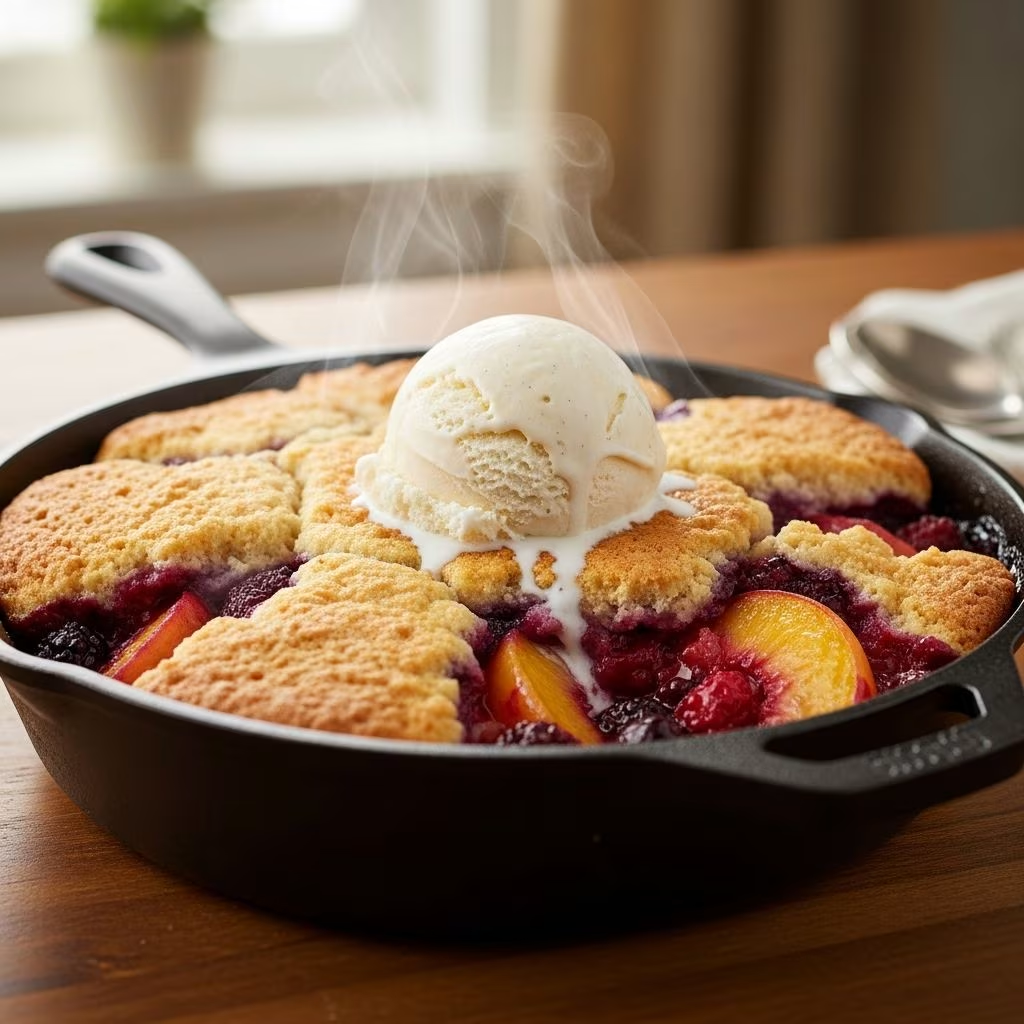
A cobbler prepared with this minimalist approach relies on the strategic combination of three essential components that work synergistically. The base layer consists of prepared fruit—whether fresh, frozen, or canned—which provides both moisture and natural sweetness. The middle element, a boxed cake mix, serves as the primary structure when combined with liquid and heat, transforming into a crumbly-textured topping reminiscent of traditional cobbler crusts. Finally, butter serves as the binding agent and flavor enhancer, creating richness and ensuring proper browning.
What distinguishes this method from conventional cobbler preparation is the elimination of complex mixing processes and the removal of the bottom crust layer. The result is a dessert that achieves the quintessential cobbler experience—tender fruit filling beneath a golden, cake-like topping—through unprecedented simplicity.
Selecting Your Fruit: Options and Considerations
The choice of fruit significantly influences the final flavor profile and texture of your creation. Canned fruits offer consistent quality and extended shelf life, making them reliable choices for year-round preparation. When selecting canned options, draining excess liquid prevents the cobbler from becoming overly saturated, which can compromise the structural integrity of the topping. Fresh fruits deliver superior flavor intensity and maintain more pronounced textural qualities, though they require careful selection based on ripeness and quality.
Consider these fruit options:
- Peaches provide classic warmth and sweetness with subtle spice notes
- Blueberries offer tartness balanced with natural sugars and vibrant color
- Cherries deliver rich, complex flavors and stunning visual presentation
- Strawberries contribute bright, fresh taste with lighter texture
- Mixed berries create layered flavor complexity
- Apples bring subtle sweetness and structural substance
When working with canned fruit, the choice between syrup and juice matters. Syrup-packed options contribute additional sweetness, while juice-packed varieties allow greater control over final sweetness levels. For those preferring natural preparations, fresh fruit can be enhanced with modest additions of sugar if desired, particularly when using naturally tart varieties.
The Cake Mix Variable: Variety and Selection Strategies
While yellow cake mix has achieved widespread popularity for this application due to its neutral vanilla flavor that complements most fruits, the versatility of cake mix options extends far beyond this traditional choice. Different flavor profiles offer opportunities for creative experimentation and personalized results.
| Cake Mix Type | Best Fruit Pairings | Flavor Profile |
|---|---|---|
| Yellow Cake Mix | Peaches, Blueberries, Cherries | Classic vanilla sweetness |
| White Cake Mix | Berries, Tropical Fruits | Delicate, mild vanilla |
| Chocolate Cake Mix | Cherries, Raspberries | Rich cocoa depth |
| Spice Cake Mix | Apples, Peaches | Warm spice notes |
| Lemon Cake Mix | Blueberries, Strawberries | Bright citrus tang |
For those with dietary restrictions, gluten-free cake mix varieties maintain the same ease of preparation while accommodating specific nutritional requirements. Similarly, reduced-sugar options allow modification of final sweetness levels without compromising the fundamental structure or baking behavior of the dessert.
Mastering the Technique: Layering for Optimal Results
Despite its simplicity, proper technique ensures superior outcomes. The construction method differs from traditional cobbler assembly and requires understanding the specific sequence.
The Layering Approach:
- Prepare your baking vessel by selecting an appropriate size—typically a 9×13 inch rectangular baking dish serves as the standard for conventional recipes
- Distribute fruit evenly across the bottom, including any accompanying liquid from canned products
- Sprinkle the entire contents of one cake mix box directly over the fruit surface without preliminary mixing
- Distribute softened or melted butter by slicing thin pieces across the entire top or drizzling melted butter evenly
- Resist the urge to stir or blend—the mixture will combine naturally during baking
This no-stir approach distinguishes the method from other dump cake variations. The cake mix creates a protective layer that gradually absorbs fruit moisture while baking, resulting in a distinctive texture that falls between traditional cake and cobbler categories. Some preparations involve partial mixing of cake mix with fruit before adding the topping layer, which alters the final consistency toward a more cake-like texture.
Baking Parameters and Temperature Management
Consistent baking conditions ensure predictable results across different fruit varieties and environmental factors. Standard preparation typically involves preheating the oven to 350 degrees Fahrenheit (175 degrees Celsius), providing adequate heat for proper cake mix expansion and fruit softening.
Baking duration varies based on fruit type and preparation method. Denser fruits like peaches generally require 30-35 minutes, while lighter fruits like blueberries may need 45-50 minutes for complete filling heating and topping golden browning. Visual cues provide reliable indicators of completion: the cake mix topping should achieve light golden-brown coloring, and fruit should display visible bubbling around the edges of the baking dish.
Oven variations may necessitate time adjustments—some ovens run hotter or cooler than indicated, affecting baking speed. Monitoring through the oven window during the final minutes of baking prevents over-browning while ensuring adequate heat penetration to the fruit layer.
Enhancement Strategies: Elevating Basic Preparations
While the three-ingredient approach succeeds independently, thoughtful additions can amplify flavor dimensions without substantially increasing complexity.
Flavor Intensification Options:
- Cinnamon sprinkled atop the dry cake mix adds warmth that harmonizes particularly well with peach and apple preparations
- Nutmeg or allspice contribute subtle spice notes that deepen fruit perception
- Vanilla extract mixed into melted butter enhances aromatic qualities
- Brown sugar layered with the fruit provides molasses notes and increased sweetness
- Lemon zest introduces brightness that cuts richness and enhances berry flavors
Texture modifications include adding cornstarch to fruit before the cake mix layer, which prevents excessive moisture accumulation and creates thicker filling consistency. This proves particularly beneficial when working with canned fruits packed in heavy syrups or when preparing berry varieties that release significant liquid during baking.
Serving Suggestions and Presentation Methods
Temperature preference influences the dining experience significantly. While freshly baked cobblers served warm showcase maximum flavor intensity and textural contrast—the warm fruit against slightly firm cake topping creates appealing sensory complexity—chilled preparations offer different appeal for warm weather consumption.
Traditional accompaniments include vanilla ice cream, which provides cool contrast and creamy richness that complements the warm cobbler’s texture. Whipped cream offers lighter alternative with subtle vanilla sweetness. For those avoiding dairy, plant-based ice cream alternatives or coconut whipped cream maintain the essential temperature and textural contrast without compromising the experience.
Serving size presents an interesting consideration—cobblers of this style naturally produce generous portions suitable for family gatherings, potlucks, or meal preparation. Individual portions can be scooped into serving bowls immediately after baking while the product maintains ideal temperature, or the entire baking dish can be brought to the table for casual family-style service.
Storage and Make-Ahead Considerations
Proper storage extends enjoyment beyond the initial serving. Covered at room temperature, the cobbler remains palatable for 2-3 hours post-baking. For extended storage, refrigeration preserves quality for up to five days, with the cobbler warming easily in a moderate oven for 10-15 minutes before serving. The texture changes slightly upon refrigeration—the cake topping becomes denser and more cake-like while remaining pleasant.
The mixture can be prepared in the baking dish several hours before baking, allowing flexibility in meal timing. Cover the assembled dish with plastic wrap or foil and refrigerate until ready to bake. Extend baking time by 5-10 minutes when starting from cold temperatures to ensure complete heating.
Troubleshooting Common Issues
Overly Wet Consistency: Reduce fruit liquid by draining canned products thoroughly or adding cornstarch to absorb excess moisture.
Cake Mix Remains Dry: Ensure adequate fruit liquid for moisture absorption, or increase butter quantity slightly to promote moistness.
Uneven Browning: Rotate the baking dish halfway through cooking, or tent with foil if browning occurs too rapidly.
Fruit Burns at Edges: Position oven rack lower to reduce direct heat intensity, or cover edges with foil.
Frequently Asked Questions
Can this recipe be prepared in alternative baking vessels?
Yes, though baking time may require adjustment. Smaller cast iron skillets produce individual portions and cook more quickly, while larger sheet pans spread the mixture thinner, potentially reducing overall baking time. Adjust monitoring accordingly.
Is this method suitable for dietary restrictions?
Modifications exist for most dietary needs. Gluten-free cake mixes accommodate celiac requirements, while dairy-free butter alternatives maintain the basic structure. Sugar-conscious preparations benefit from reduced-sugar cake mixes and carefully selected fruit options.
Can frozen fruit substitute for canned or fresh?
Absolutely. Frozen fruit requires no thawing and can substitute directly, though it may increase overall baking time slightly and potentially increase liquid content. Select unsweetened frozen varieties to maintain control over final sweetness.
What makes this different from traditional cobbler?
Traditional cobblers typically feature bottom crusts and more involved dough preparation. This streamlined version eliminates the bottom crust and uses cake mix instead of custom dough, dramatically simplifying execution while achieving similar flavor and texture satisfaction.
Conclusion: Accessible Baking for Modern Kitchens
The three-ingredient cobbler represents an elegant solution for contemporary baking demands. By leveraging quality convenience products in strategic combination, home cooks access dessert preparation that respects time constraints while maintaining authentic comfort food qualities. Whether serving unexpected guests, contributing to community potlucks, or satisfying personal cravings, this method delivers consistent, satisfying results that prove simplicity and quality need not remain mutually exclusive.
References
- Food Storage Guidelines — U.S. Department of Agriculture (USDA) Food Safety and Inspection Service. 2024. https://www.fsis.usda.gov/food-safety