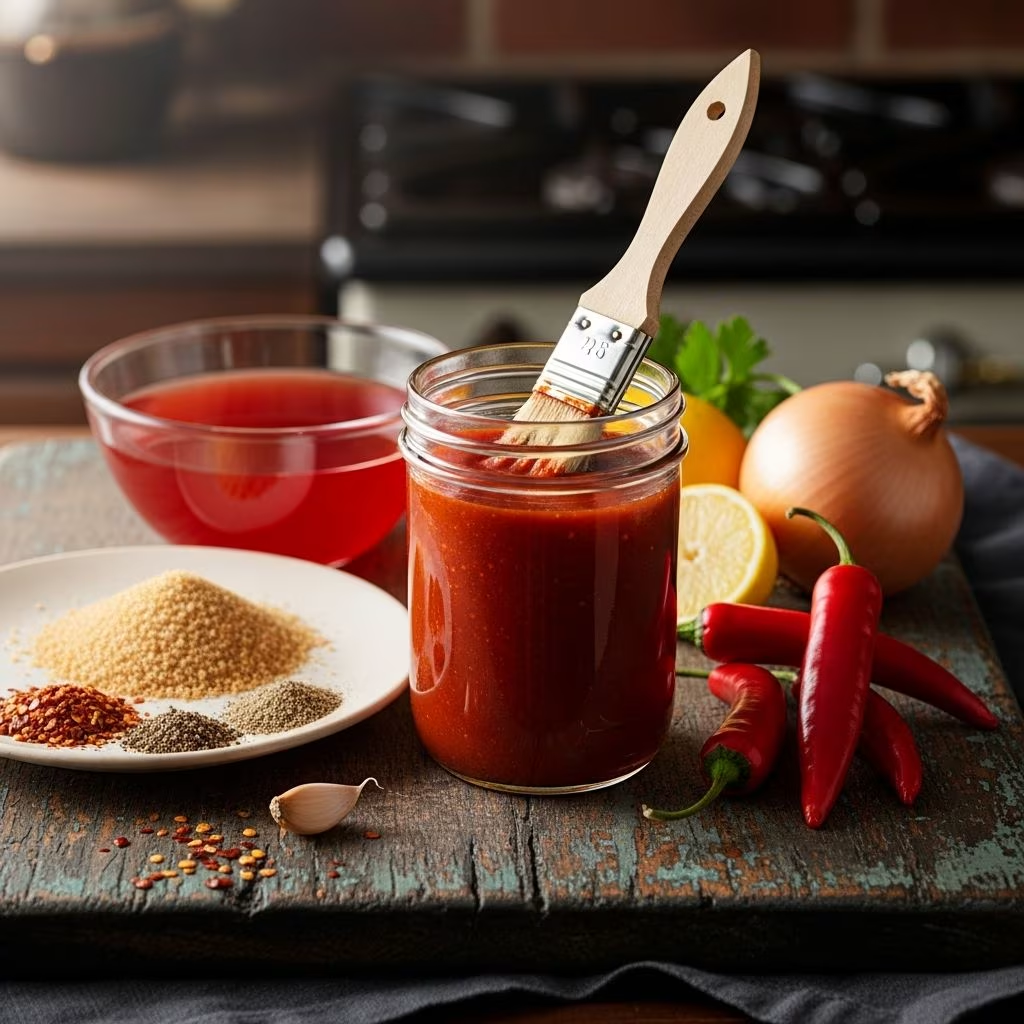
The barbecue landscape of Eastern North Carolina represents one of America’s most distinctive regional culinary traditions. At the heart of this tradition lies a sauce that is both simple and sophisticated—a vinegar-based condiment that has been perfected over generations of smoking whole hogs and crafting tender pulled pork. Unlike the thick, tomato-heavy sauces found in other regions, the Eastern Carolina approach emphasizes bright acidity, layered heat, and balance between tangy and subtle sweetness.
This sauce isn’t merely an accompaniment; it serves as a fundamental component of the barbecue experience in Eastern North Carolina. Whether brushed onto meat during the smoking process or served alongside freshly chopped pork, this vinegar-forward preparation defines the region’s barbecue identity. Understanding how to create this sauce authentically provides insight into the region’s food culture and allows home cooks to replicate the flavors found in legendary Carolina barbecue establishments.
Understanding the Foundation: Why Vinegar Matters
The foundation of Eastern North Carolina barbecue sauce rests entirely on vinegar as its primary ingredient and flavor driver. This isn’t an arbitrary choice but rather a reflection of practical cooking heritage and regional preference. Apple cider vinegar serves as the preferred base, providing the necessary acidity to cut through the richness of smoked pork while imparting subtle fruity undertones that complement the meat beautifully.
The vinegar component performs multiple functions beyond flavor contribution. During the smoking process, the acidic nature of vinegar helps break down the meat’s muscle fibers while maintaining moisture, resulting in more tender results. When served alongside finished pork, the bright acidity cleanses the palate between bites, enhancing the overall eating experience. Additionally, vinegar functions as a natural preservative, allowing sauce batches to be made in advance and stored at room temperature without refrigeration.
Substituting other varieties of vinegar fundamentally alters the sauce’s character and is not recommended. White vinegar, while also acidic, lacks the depth and complexity that apple cider vinegar brings to the preparation. Rice vinegar, distilled vinegar, or wine vinegar each introduce different flavor profiles that don’t align with Eastern Carolina tradition. The specific choice of apple cider vinegar represents generations of regional refinement and should be respected in authentic preparations.
The Essential Ingredient Profile
While vinegar provides the backbone, several key components work in concert to create the complete flavor profile characteristic of authentic Eastern Carolina sauce:
- Apple Cider Vinegar — Typically 2 cups serves as the base for a standard batch, providing the essential acidic foundation and subtle sweetness
- Hot Sauce — Louisiana-style varieties or the North Carolina-made Texas Pete brand contribute heat and savory depth, with 1 tablespoon to 1 teaspoon being a common amount depending on preference
- Red Pepper Flakes — Adding roughly 1 tablespoon provides persistent heat that builds gradually rather than striking immediately
- Brown Sugar — A tablespoon or two of packed dark brown sugar introduces subtle sweetness that balances the vinegar’s acidity
- Black Pepper — Freshly ground black pepper, approximately 1 teaspoon, adds complexity and a slightly sharp bite
- Kosher Salt — About 1/2 to 1 teaspoon draws flavors together and enhances all other components
Some preparations incorporate ketchup as a minor component, adding a small amount of tomato-based umami without dominating the vinegar-forward profile. Other variations might include additional spices such as smoked paprika, cayenne pepper beyond the standard red pepper flakes, or even worcestershire sauce for added complexity.
Step-by-Step Preparation Method
Creating Eastern North Carolina barbecue sauce requires minimal equipment and straightforward technique. The simplicity of preparation belies the complexity of flavors that emerge through proper assembly and infusion time.
Assembly Process: Begin by gathering all ingredients in one location to ensure nothing is overlooked. Pour 2 cups of apple cider vinegar into a clean mason jar or other glass container. To this vinegar base, add 1 tablespoon of Louisiana-style hot sauce, 1 tablespoon of red pepper flakes, 1 tablespoon of packed dark brown sugar, 1/2 teaspoon of kosher salt, and 1/2 teaspoon of freshly ground black pepper.
Activation and Infusion: Seal the container with a tight-fitting lid and shake vigorously for approximately 30 seconds, ensuring all components are thoroughly incorporated. The vigorous shaking helps dissolve the sugar granules into the vinegar and distributes the spices evenly throughout the liquid. After this initial mixing, allow the sauce to sit at room temperature for a minimum of 1 hour before first use, though longer infusion periods develop more nuanced and integrated flavors.
Flavor Development: The sauce improves considerably with time, with 24 to 48 hours of resting producing notably superior results compared to immediate use. During this infusion period, the vinegar extracts flavors from the spices while the sugar gently dissolves, creating a more cohesive final product. Many experienced barbecue enthusiasts prepare their sauce several days in advance, allowing maximum flavor development.
Storage and Longevity Considerations
One of the practical advantages of traditional Eastern Carolina sauce lies in its impressive shelf stability. Unlike many modern condiments that require refrigeration, this vinegar-based preparation keeps effectively at room temperature. The high acid content and salt both function as natural preservatives, inhibiting bacterial growth and maintaining quality over extended periods.
This storage characteristic reflects the practical realities of traditional barbecue preparation, where large quantities of sauce needed to be maintained throughout long smoking sessions without access to reliable refrigeration. The sauce can be transferred to squeeze bottles for convenient application during cooking or stored in glass jars for longer-term storage.
Before each use, shake the bottle or jar thoroughly, as the heavier spice components naturally settle toward the bottom. This simple action ensures consistent flavor distribution with each application. Many barbecue enthusiasts make sauce in large batches and maintain several bottles or jars throughout the year, knowing the sauce will remain stable and flavorful.
Regional and Professional Variations
While the basic formula remains consistent across Eastern North Carolina, accomplished pitmasters and regional variations introduce subtle differences that reflect personal preference and family tradition.
Professional-Scale Preparations: Renowned North Carolina barbecue establishments often scale recipes dramatically, combining 1 gallon of apple cider vinegar with 1 cup of red pepper flakes, 1 cup of packed dark brown sugar, and 1 cup of hot sauce, adjusting downward for home quantities. These larger preparations allow for refinement through tasting and adjustment before service.
Enhanced Flavor Profiles: Some practitioners incorporate additional components including smoked paprika for depth, cayenne pepper beyond standard red pepper flakes for graduated heat, minced garlic for savory complexity, or even darker molasses for richer sweetness. Fresh lemon slices added to the infusing sauce contribute brightness and complexity.
Individual Modifications: Home cooks frequently discover personal preferences through experimentation. Some favor slightly sweeter preparations achieved through increased brown sugar, while others prefer more pronounced heat through additional red pepper flakes or hot sauce. The beauty of this sauce style lies in its flexibility to accommodate personal taste while maintaining its essential Eastern Carolina character.
Application Techniques During Cooking
Eastern North Carolina sauce serves multiple roles throughout the barbecue preparation process. The sauce is traditionally applied to meat during smoking, functioning simultaneously as a moisture layer and flavor builder. As the pork cooks, the acidic vinegar penetrates the meat surface while the sugars caramelize slightly, building layers of flavor.
The final chopped pork receives additional sauce application immediately after leaving the smoker, with cooks using squeeze bottles to distribute sauce evenly throughout the meat. This final application ensures consistent moisture and flavor distribution to every bite. Many establishments also provide additional sauce on the side for diners to customize their portions according to personal preference.
Complementary Foods and Serving Suggestions
Eastern Carolina barbecue sauce finds its perfect partner in slow-smoked pork prepared over hardwoods such as oak or hickory. The bracing acidity and peppery heat cut through the meat’s natural fat and smoke, creating balance and preventing palate fatigue during extended dining sessions.
Beyond traditional pulled pork, this sauce works exceptionally well with homemade preparations including ribs, brisket, or smoked chicken. The sauce’s bright acidity complements rich proteins while its spice level remains accessible to diverse palates. Eastern Carolina sauce can also enhance non-traditional applications including grain bowls, sandwich preparations, or vegetable sides for vegetarian barbecue alternatives.
Troubleshooting and Adjustment Guide
| Issue | Possible Cause | Adjustment Strategy |
|---|---|---|
| Overly Acidic or Harsh | Insufficient infusion time or excessive vinegar ratio | Add additional brown sugar gradually or allow longer infusion period; consider 1.5 cups vinegar instead of 2 cups |
| Insufficient Heat | Minimal red pepper flakes or hot sauce | Increase red pepper flakes or hot sauce incrementally; taste between adjustments |
| Flat or One-Dimensional Flavor | Missing spice diversity | Add smoked paprika, cayenne, or fresh garlic; introduce fresh lemon juice |
| Overly Sweet | Excessive brown sugar | Reduce sugar quantity; balance with additional vinegar or increased heat |
Frequently Asked Questions About Eastern Carolina Sauce
Can I use distilled white vinegar instead of apple cider vinegar?
While distilled white vinegar shares the necessary acidity, it lacks apple cider vinegar’s subtle depth and fruity complexity. The sauce will function acceptably but will miss the refined character that distinguishes authentic preparations. Many cooks find distilled vinegar produces a sharper, less integrated final product. For the most authentic results, source proper apple cider vinegar from your local grocery store.
How long can I store this sauce before it spoils?
The high acid content and salt concentration preserve this sauce effectively at room temperature for several months without quality degradation. Many cooks maintain sauce in squeeze bottles throughout an entire barbecue season. If any mold appears or off-odors develop, discard the batch immediately.
What makes Texas Pete hot sauce specifically suitable for this recipe?
Texas Pete, despite its name, is manufactured in North Carolina and has become deeply integrated into the region’s barbecue tradition. Its specific heat profile and spice blend complement the other sauce components in ways that other hot sauces might not. However, alternatives like Frank’s RedHot work acceptably if Texas Pete is unavailable.
Should I refrigerate the sauce between applications?
No refrigeration is necessary or recommended. Room temperature storage preserves the sauce and maintains its flavor profile without alteration. Refrigeration can actually mute some of the subtle flavors and potentially cause separation or crystallization of components.
Can I make this sauce in advance for entertaining?
Yes, preparing sauce several days in advance is actually advantageous, as the infusion period creates superior flavor integration. Large batches maintain quality throughout an entire season when stored properly. This preparation strategy reduces last-minute cooking stress while actually improving the final product.
Mastering Your Technique
Creating authentic Eastern North Carolina barbecue sauce represents a gateway into understanding regional American food traditions. This simple yet refined preparation demonstrates how fundamental ingredients, proper technique, and respect for tradition combine to create something genuinely greater than the sum of its parts. Whether you’re preparing sauce for a backyard barbecue gathering or attempting to replicate the flavors of legendary Carolina establishments, this guide provides the foundation for success.
The beauty of mastering this sauce lies not only in the delicious results but in the connection it creates to generations of Carolina barbecue practitioners who have refined this formula. Begin with the basic recipe provided, then adjust according to personal preference and experimentation. Over time, you’ll develop an intuitive understanding of balance and flavor integration, creating sauce that feels authentically yours while honoring the tradition from which it emerged.
References
- Eastern Carolina BBQ Sauce (Vinegar Based) — Mandi of the Mountains. https://mandiofthemountains.com/vinegar-based-eastern-carolina-bbq-sauce/
- Eastern NC Slow Cooker BBQ Pork and Sauce — Love Bakes Good Cakes. https://www.lovebakesgoodcakes.com/eastern-nc-pulled-pork-and-bbq-sauce/
- Eastern North Carolina Barbecue Sauce Recipe — BBQ Brethren Forum. https://www.bbq-brethren.com/threads/eastern-north-carolina-barbecue-sauce-recipe.244398/
- Here’s How to Make Ed Mitchell’s Eastern-Style BBQ Sauce — Walter Magazine. https://waltermagazine.com/art-and-culture/heres-how-to-make-ed-mitchells-eastern-style-bbq-sauce/
- Rodney Scott’s Secret Eastern Carolina BBQ Sauce — Food Wishes. https://www.youtube.com/watch?v=d-fiwTKzZuA