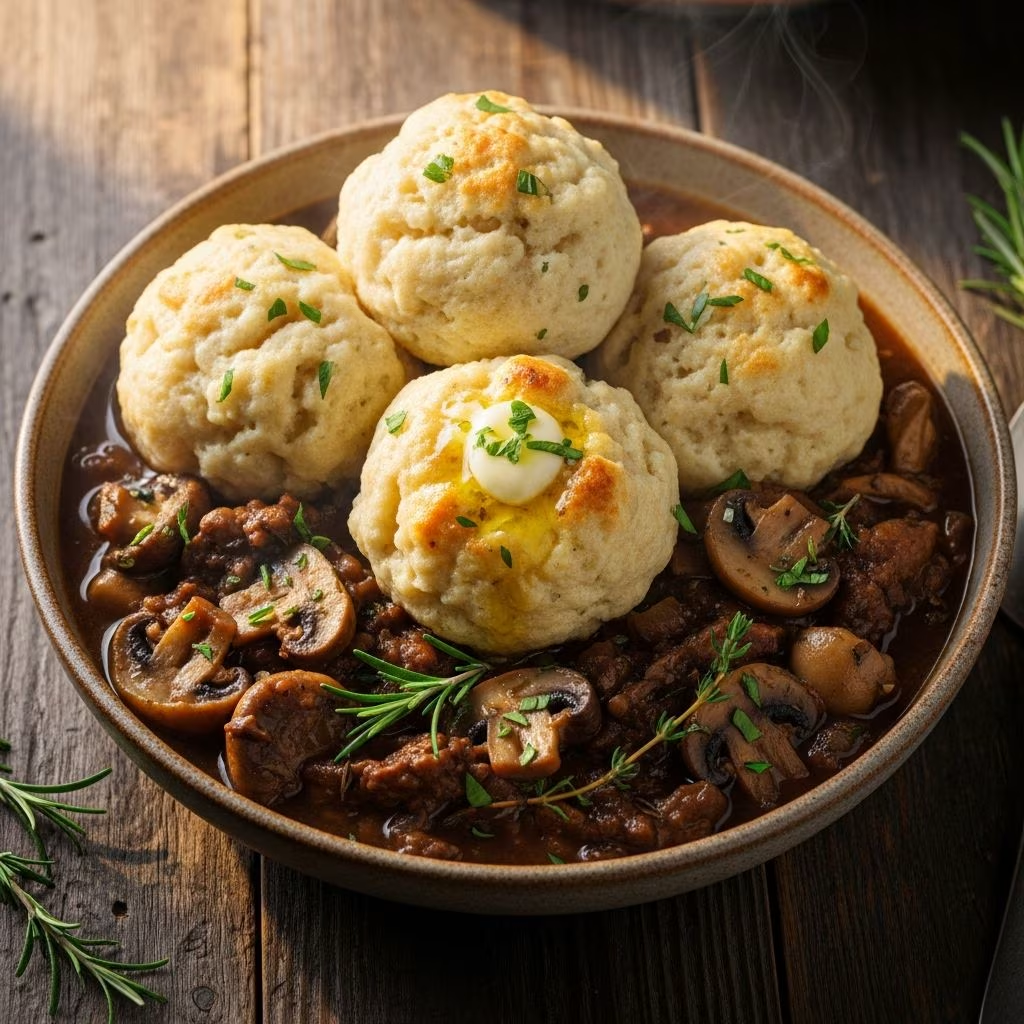
There are few dishes more satisfying on a chilly evening than a bowl of rich mushroom stew crowned with tender, homemade dumplings. This beloved comfort food combines earthiness from the fungi with the lightness of pillowy dumplings, creating a complete meal that warms both body and soul. Whether you’re cooking for family or seeking to expand your culinary repertoire, mastering this classic combination opens doors to countless variations and adaptations.
Understanding the Components: What Makes This Dish Special
The magic of dumplings over mushroom stew lies in the interplay between two distinct elements. The stew serves as a rich, flavorful base that absorbs aromatics and develops depth through slow cooking, while the dumplings provide textural contrast and substance. The stew typically features mushrooms as the star ingredient, though many preparations include additional vegetables and sometimes meat for added richness.
The construction of this dish requires understanding how each element contributes to the final result. The stew needs adequate time to develop its flavors through proper sautéing and simmering, while dumplings require precise technique to achieve their characteristically light, airy texture without becoming gummy or dense.
The Foundation: Building Your Mushroom Stew
Selecting and Preparing Mushrooms
The quality of your mushrooms directly impacts the final dish. A combination of varieties provides superior flavor complexity compared to using a single type. Fresh mushrooms should be cleaned gently with a damp cloth rather than washed, as they absorb water easily and become soggy during cooking. Slice them uniformly to ensure even cooking throughout the stew.
Beyond common button mushrooms, consider incorporating porcini, cremini, or oyster varieties. Each brings distinctive umami notes and textural qualities. Dried mushrooms can be rehydrated and added to boost the stew’s savory depth, though their soaking liquid should be strained and incorporated into the cooking process.
Aromatics and Flavor Building
Begin by heating fat—whether olive oil or butter—in a heavy-bottomed pot over medium-high heat. Diced onions should be cooked until they reach a golden, translucent stage, allowing natural sugars to caramelize slightly. Minced garlic and diced carrots are added next, with each ingredient getting sufficient time to release its flavors without burning.
This foundational step, sometimes called “sweating the aromatics,” creates the flavor base upon which the entire stew rests. The cooking process should be patient and deliberate; rushing this stage results in a stew that tastes flat and one-dimensional.
Deglazing and Building Depth
Once mushrooms are added and their moisture begins to release, deglazing with wine—typically red or white, depending on preference—adds acidic brightness and alcoholic complexity. The liquid should bubble vigorously for several minutes, allowing alcohol to cook off while flavors concentrate and meld.
Vegetable or beef stock then joins the pot, providing the liquid medium for simmering. Some recipes include diced potatoes directly in the stew, while others serve them separately as dumplings. Tomatoes, whether fresh or canned, contribute acidity and additional umami compounds. Dried herbs like thyme and oregano infuse the broth with subtle earthiness.
The Slow Simmer
Once all ingredients combine, reduce heat to low and allow the stew to simmer gently for 45 to 50 minutes. This extended cooking time permits flavors to meld and develop. The stew should bubble occasionally but never boil vigorously, which can toughen vegetables and cause flavors to become muddled.
Stir occasionally to prevent sticking and ensure even cooking. Taste periodically, adjusting seasoning as the stew reduces and flavors concentrate. The finished stew should taste harmonious, with no single ingredient overwhelming the others.
The Main Event: Crafting Perfect Dumplings
Dumpling Dough Components
Traditional dumplings served over stew typically feature a base of mashed potatoes combined with flour and binding agents. The technique begins with boiling floury potatoes—varieties with higher starch content—until completely tender. These are drained thoroughly, then passed through a ricer or mashed by hand until no lumps remain.
To this potato purée, add flour gradually—typically all-purpose flour or a combination with potato starch. The ratio matters significantly; too much flour creates dense, doughy dumplings, while insufficient flour makes dumplings fall apart during cooking. Most recipes call for approximately one part flour to four parts mashed potato, though exact ratios vary based on potato moisture content.
Binding and Flavoring
An egg yolk serves as a binder, holding the dumpling together while contributing richness. Some recipes incorporate potato starch specifically, which creates a lighter texture compared to wheat flour alone. Seasonings should include salt, white pepper, and often nutmeg—the latter providing subtle warmth that complements both the potatoes and mushroom stew without overwhelming delicate flavors.
A pinch of sugar, though seemingly minor, balances the earthiness of mushrooms and can brighten the overall taste profile. Butter mixed into the dough contributes tenderness and a subtle richness that elevates the dumplings from simple carbohydrate to something approaching indulgent.
Shaping and Cooking Technique
Once dough reaches the correct consistency—it should hold together without being sticky—gently shape it into balls or ovals approximately the size of walnuts. Uniform sizing ensures even cooking; larger dumplings may remain gummy inside while smaller ones overcook and toughen.
Bring a separate pot of salted water to rolling boil before introducing dumplings. The salt should render the water slightly salty, similar to pasta cooking water. Gently lower dumplings into the boiling liquid, stirring gently to prevent sticking to the pot’s bottom.
As dumplings cook, they initially sink, then gradually rise to the surface as they become less dense. Once they float, continue cooking for an additional minute or two to ensure centers are no longer gummy. Remove finished dumplings with a slotted spoon and transfer to the finished mushroom stew just before serving.
Variations and Adaptations
Protein Additions
While vegetarian versions showcase mushroom flavors beautifully, many cooks incorporate meat for added richness. Venison, commonly paired with mushrooms in European cuisine, brings a subtle gamey depth. Bratwurst sausages or ground pork contribute savory, slightly spiced notes. Beef, whether in chunks or ground form, adds substantial umami.
When including meat, brown it thoroughly in the initial stages before adding vegetables. This step develops complex flavors through the Maillard reaction and renders fat that enriches the entire stew.
Vegetable Variations
While mushrooms and potatoes form the core, numerous vegetables adapt well to this preparation. Carrots and onions are traditional, providing sweetness and structure. Leeks contribute subtle allium notes without the sharpness of raw garlic. Parsnips add natural sweetness and subtle earthiness distinct from carrots.
Celery, though less common, provides herbal background notes. Root vegetables like turnips or celeriac adapt beautifully, particularly in cold-weather preparations. Fresh or frozen peas brighten the stew with color and sweetness, though they should be added near the end to prevent overcooking and color loss.
Flavor Profile Adjustments
The stew’s character shifts considerably based on liquid choices. Red wine creates deeper, more robust flavors, while white wine produces a lighter, more delicate result. For alcohol-free versions, additional stock or broth replaces wine, with a splash of vinegar providing needed acidity.
Herbs merit experimentation; traditional thyme and oregano can be supplemented with rosemary for piney notes, sage for earthiness, or bay leaves for subtle background complexity. Some preparations include a single anchovy or miso paste, neither detectable as distinct flavors but rather enhancing overall depth through umami amplification.
Practical Guidance for Success
Make-Ahead Strategies
The mushroom stew actually improves with time, as flavors continue developing and melding. Prepare it a day in advance, refrigerate, then reheat gently before serving. This advance preparation reduces day-of cooking stress and often results in superior flavor.
Dumplings, by contrast, are best prepared fresh and cooked shortly before serving. Boiled dumplings refrigerate reasonably well for several hours but may become slightly tough if stored overnight. Uncooked dumpling dough freezes successfully; frozen dumplings cook without thawing, requiring only an additional minute or two in boiling water.
Serving and Presentation
Ladle hot stew into bowls, then add cooked dumplings, allowing them to nestle into the liquid while remaining partially visible above the surface. Garnish with fresh parsley, chives, or dill for color and fresh flavor contrast against the rich, earthy base.
Crusty bread serves as an ideal accompaniment, perfect for soaking up every drop of flavorful broth. A simple salad with bright vinaigrette provides textural and flavor contrast, particularly when the stew is particularly rich or meat-laden.
Troubleshooting Common Issues
If dumplings become heavy or dense, the likely culprit is excessive flour in the dough or overcooking. If they fall apart during cooking, insufficient flour or missing binder presents the problem. Adjusting ratios in subsequent batches based on these observations leads to improvement.
Watery stews result from insufficient simmering time or inadequate vegetable breakdown. Extend cooking time and allow more thorough reduction. Conversely, overly thick stews can be thinned with additional stock, wine, or water added gradually until reaching desired consistency.
Nutrition and Dietary Considerations
This dish provides substantial carbohydrates from potatoes and dumplings, fiber from vegetables, and various minerals including potassium, phosphorus, and B vitamins. Mushrooms contribute selenium and copper while providing negligible fat or calories. When meat is included, protein content increases significantly.
For vegetarian or vegan adaptations, plant-based milk can replace dairy in cream-based variations, and nutritional yeast adds savory depth while boosting B vitamins. The stew’s inherent heartiness ensures satisfaction even without meat or dairy components.
Final Thoughts on This Timeless Comfort Dish
Dumplings over mushroom stew represents more than mere sustenance; it embodies culinary tradition and the comfort associated with homemade preparation. The dish welcomes endless personalization while maintaining its essential character—a harmonious balance of tender dumplings and rich, flavorful stew.
Success depends not on complexity but on attention to fundamentals: proper vegetable preparation, adequate simmering time, correct dumpling dough ratios, and gentle cooking technique. These elements, combined with quality ingredients and mindful seasoning, create a dish worthy of regular rotation in any home cook’s repertoire.
Frequently Asked Questions
Can I prepare this dish in advance?
Yes, the stew benefits from advance preparation and actually tastes better the next day as flavors develop. Prepare it fully, cool, and refrigerate for up to three days. Reheat gently before serving. Prepare dumplings fresh or freeze uncooked dough for later use.
What type of mushrooms work best?
A combination of varieties provides superior flavor. Mix cremini, button, and porcini mushrooms for complexity. Dried porcini rehydrated and added to the stew contribute significant umami depth. Avoid mushroom varieties with very delicate textures that may disintegrate during extended cooking.
How do I prevent dense dumplings?
Use floury potato varieties and mash thoroughly without overworking. Add flour gradually, stopping when dough just holds together. Overcooking also toughens dumplings; remove them immediately upon floating. Ensure dough isn’t too wet, which indicates too little flour.
Can this be made vegetarian?
Absolutely. Omit meat and use vegetable stock for a fully vegetarian dish. The mushroom-forward stew provides substantial umami and satisfaction without meat. Consider adding nutritional yeast or miso paste for additional savory depth.
What wine pairs best with this dish?
The rich, earthy stew pairs beautifully with medium-bodied red wines like Pinot Noir or Côtes du Rhône. For white wine with the meal, Alsatian varieties or unoaked Chardonnay complement the dumplings without overwhelming them.
References
- Succulent Venison Stew with Mushrooms and Potato Dumplings — Kikkoman Europe. Accessed April 2026. https://www.kikkoman.eu/recipes/detail/succulent-venison-stew-with-mushrooms-and-potato-dumplings
- Potato Dumpling Casserole with Mushrooms, Leek & Meat — Bake to the Roots. Accessed April 2026. https://baketotheroots.de/potato-dumpling-casserole-with-mushrooms-leek-meat/
- German Potato Dumplings with Mushroom Gravy — Forks Over Knives. Accessed April 2026. https://www.forksoverknives.com/recipes/vegan-salads-sides/german-potato-dumplings-with-mushroom-gravy/