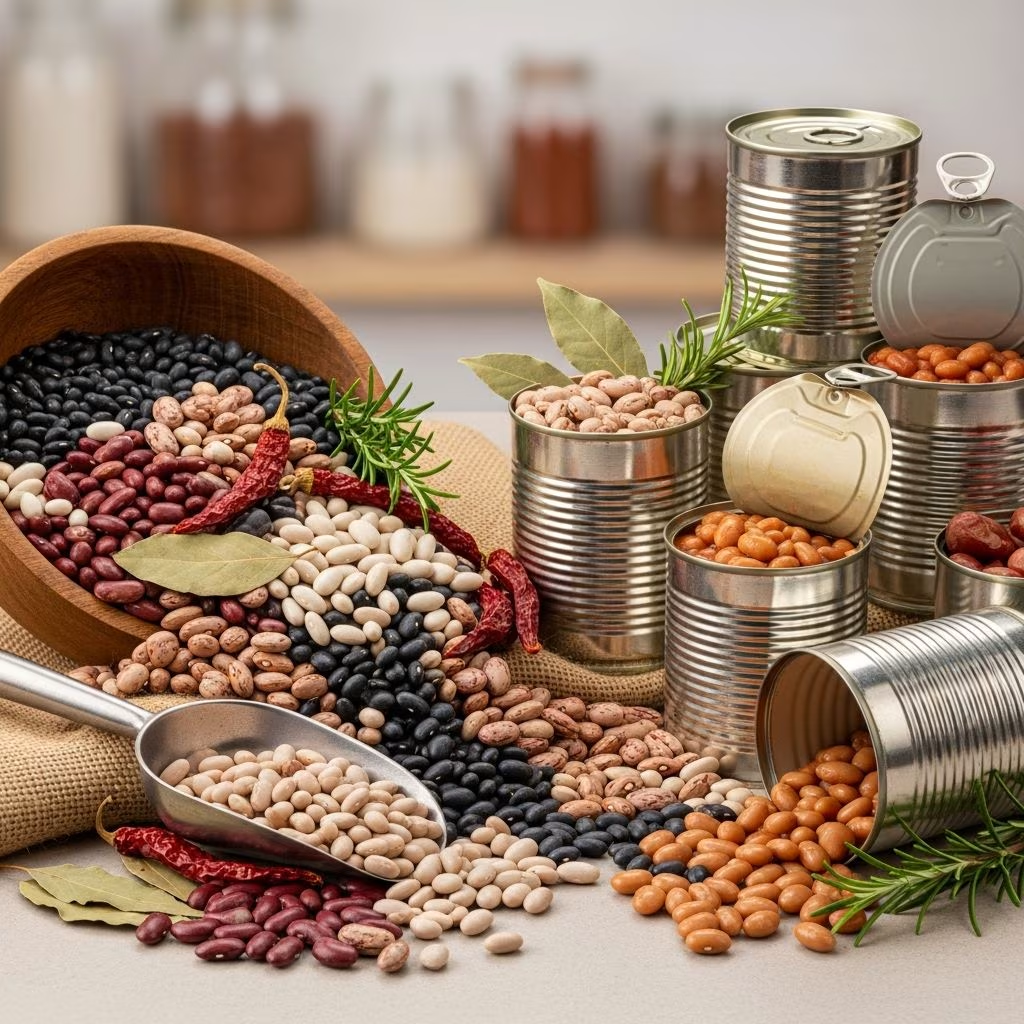
Legumes like beans stand out as one of the most reliable ingredients for home cooks seeking nutrition, affordability, and versatility. Available in dried or canned forms, they transform simple meals into hearty, flavorful dishes while supporting health goals and budget constraints. This guide delves into their advantages, practical uses, and strategies to incorporate them seamlessly into daily cooking.
Why Beans Belong in Every Kitchen
Beans offer a powerhouse of plant-based protein, fiber, and essential minerals, making them ideal for diverse diets including vegetarian, vegan, and omnivorous plans. Their long shelf life—dried beans last years, canned up to several years—positions them as true pantry heroes during busy weeks or unexpected shortages. Nutritionally, a half-cup serving delivers around 7-8 grams of protein and 6-8 grams of fiber, aiding digestion, blood sugar control, and satiety.
Beyond basics, beans adapt to global cuisines: think Mexican refried beans, Italian minestrone, or Indian dal. Their neutral flavor absorbs spices, herbs, and sauces, enabling endless creativity without waste.
Cost Breakdown: Dried Beans vs. Canned Options
Budget-conscious shoppers often debate dried versus canned beans, with economics heavily favoring the former. A one-pound bag of dried pinto beans, costing about $1.68, yields roughly 6 cups of cooked beans or 12 half-cup servings at just $0.14 per serving. In contrast, a 15-ounce can of store-brand pinto beans at $1.19 provides 3.5 servings, equating to $0.34 each, while national brands hit $0.45.
Recent 2025 surveys across U.S. supermarkets confirm this trend: cooking dried black beans costs $0.15 per half-cup versus $0.33 canned; chickpeas drop from $0.32 to $0.14. For a family of four eating beans weekly, switching to dried saves nearly $65 annually. Energy costs for cooking dried beans exist, but batch-cooking offsets this by producing convenience equivalents at a fraction of the price.
| Bean Type | Dried Cost per ½ Cup Serving | Canned Cost per ½ Cup Serving (Store Brand) | Annual Savings for Family of 4 (Weekly Use) |
|---|---|---|---|
| Pinto | $0.14 | $0.34 | $65 |
| Black Beans | $0.15 | $0.33 | ~$50 |
| Chickpeas | $0.14 | $0.32 | ~$58 |
| Kidney Beans | $0.16 | $0.32 | ~$52 |
This table illustrates average 2025 prices, highlighting dried beans’ edge for frequent users.
Nutritional Edge: Health Benefits Compared
Both forms pack similar nutritional punches, with studies affirming their value. Dried beans allow full control over seasonings, avoiding excess sodium common in canned varieties—rinsing reduces it by 40%, but dry starts at zero. Canned beans retain fiber, protein, and minerals like magnesium, with some research showing enhanced nutrient bioaccessibility due to processing.
Health outcomes link to regular bean intake regardless of form: a 2021 study found daily canned beans lowered cholesterol effectively. Varieties differ slightly—black beans excel in antioxidants, lentils in folate—but all support heart health, weight management, and gut wellness. Choose low-sodium cans or those in water to optimize benefits.
- Protein: 7-15g per half-cup, complete when paired with grains.
- Fiber: Soluble types lower cholesterol; insoluble aids regularity.
- Minerals: Iron, potassium, folate for energy and immunity.
- Antioxidants: Especially in darker beans like black or red.
Mastering Dried Beans: Soaking, Cooking, and Storage
Preparing dried beans rewards patience with superior texture and flavor. Start by sorting to remove debris, then rinse thoroughly. Soaking options include overnight (8-24 hours) for even cooking or quick-boil (1 hour simmer post-2-minute boil). Cooking times vary: lentils 20-30 minutes, chickpeas 1-2 hours on stovetop.
Pressure cookers or slow cookers slash times—Instant Pot chickpeas ready in 40 minutes. Avoid salting until tender to prevent tough skins. Yield: 1 cup dry = 3 cups cooked; 1 lb dry = 6 cups cooked. Cool, portion into freezer bags (1.75 cups per ‘can’ equivalent), and freeze up to 6 months for canned-like ease.
- Sort and rinse 1 lb beans.
- Soak overnight or quick-soak.
- Simmer with aromatics (onion, garlic) until tender.
- Season post-cook; freeze extras.
Canned Beans: Speed Without Sacrifice
For time-strapped days, canned beans shine—drain, rinse, and use in 2 minutes. Opt for no-salt-added or BPA-free liners. They integrate into salads, soups, or purees effortlessly. A 15-oz can equals 1.75 cups drained, perfect for single recipes.
Enhance by sautéing with oil and spices to mimic fresh-cooked depth. In emergencies, they’re shelf-stable nutrition, as noted in prepper discussions.
Storage Strategies for Longevity
Dried beans store indefinitely in cool, dry spots in airtight containers. Check for weevils periodically. Canned last 2-5 years; inspect for dents or rust. Post-opening, refrigerate up to 5 days or freeze. Cooked beans keep 4-5 days chilled or 6 months frozen.
Flavorful Recipes to Get Started
Batch Black Bean Chili (Serves 8)
Use 2 lbs dried black beans (or 8 cans). Sauté onions, garlic, cumin; add beans, tomatoes, chili powder. Simmer 30 minutes (canned) or 2 hours (dried). Cost: under $2/serving.
Creamy Hummus (Quick Canned Version)
Blend 2 cans chickpeas, tahini, lemon, garlic. Serve with veggies. Ready in 5 minutes.
Bean Salad Medley
Mix canned kidney, chickpeas, black beans with vinaigrette, herbs, feta. Prep-ahead lunch staple.
Variety Spotlight: Top Beans and Uses
- Pinto: Refried beans, burritos—mild, creamy.
- Black: Soups, tacos—earthy, antioxidant-rich.
- Chickpeas: Hummus, curries—nutty crunch.
- Lentils: Dal, salads—no soak, quick-cook.
- Kidney: Chili, salads—bold flavor.
Frequently Asked Questions (FAQs)
Are canned beans as healthy as dried?
Yes, both are nutrient-dense; rinse canned to cut sodium.
How long to cook dried beans?
30 minutes to 2 hours, depending on type and method.
Can I freeze cooked beans?
Absolutely, up to 6 months in portions.
Which is cheaper long-term?
Dried, saving 40-60% per serving.
Best low-sodium option?
Dried or no-salt-added canned, rinsed.
Tips for Bean Success
- Experiment with spices: cumin, paprika, bay leaves elevate basics.
- Batch-cook weekends for weekday ease.
- Pair with grains for complete proteins.
- Start small: one new variety weekly.
Incorporating beans elevates everyday eating with minimal effort. Whether prioritizing savings, speed, or superior taste, dried and canned forms ensure nutritious, delicious results year-round.
References
- Dry vs Canned – The Bean Institute — Bean Institute. Accessed 2026. https://beaninstitute.com/resources/cook-with-beans/dry-vs-canned/
- Food Economics: Canned Beans versus Cooked Dried Beans — The Vegetarian Resource Group. 2025-08-12. https://www.vrg.org/blog/2025/08/12/food-economics-canned-beans-versus-cooked-dried-beans/
- Dry or Canned Beans: Which Is Better? – A Legume a Day — A Legume a Day. Accessed 2026. https://alegumeaday.com/dry-or-canned-beans-which-is-better/
- Beans: Canned Beans VS Dry Beans — YouTube (Chef Prepper). Accessed 2026. https://www.youtube.com/watch?v=8Cv3b1xd90g