Almond milk has surged in popularity as a dairy alternative, prized for its nutty flavor and versatility in recipes from smoothies to lattes. Unlike traditional cow’s milk, it benefits from processing methods that extend its usability, but it can still spoil if not handled correctly. Recognizing the signs of spoilage ensures you avoid health risks and reduce food waste. This guide explores detection methods, storage strategies, shelf life differences, and practical advice drawn from food safety principles.
Why Almond Milk Spoils and How Processing Affects It
Almond milk’s stability stems from pasteurization, a heat treatment that kills harmful bacteria. Refrigerated varieties undergo standard pasteurization, while shelf-stable versions receive ultra-high temperature (UHT) processing, making them resistant to spoilage at room temperature until opened. Homemade versions lack these treatments, relying solely on fresh ingredients, which shortens their viability significantly.
Spoilage occurs when bacteria or molds proliferate, often due to exposure to air, temperature fluctuations, or contamination. Factors like opened containers and improper refrigeration accelerate this process. Understanding these basics helps in proactive management.
Visual Signs That Almond Milk Has Turned
The first line of defense against spoiled almond milk is a thorough visual inspection. Begin with the container: a bloated or swollen carton indicates gas production from bacterial activity, a clear warning to discard it immediately.
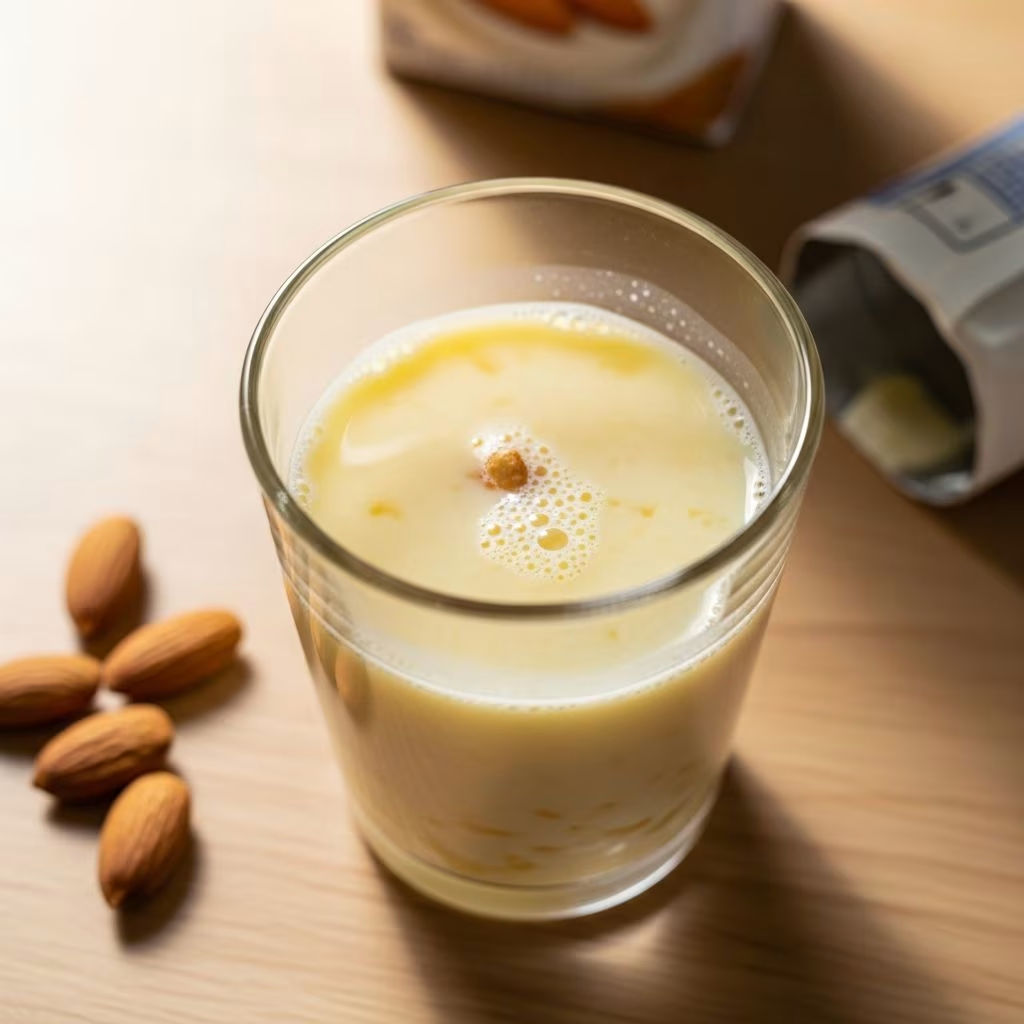
Next, pour a small amount into a clear glass. Fresh almond milk appears smooth and uniform, typically white or off-white. Look for these red flags:
- Clumps or curdling that doesn’t dissolve after shaking.
- Thickening beyond normal separation.
- Discoloration, such as yellowing or graying.
- Black flecks or spots signaling mold growth.
Separation is common in plant milks due to natural settling of particles, but vigorous shaking should restore homogeneity. Persistent lumps mean it’s time to toss it.
Smell Test: The Reliable Spoilage Detector
If the milk passes visual checks, rely on your nose. Good almond milk emits a mild, nutty aroma with subtle sweetness. Off-putting odors include:
- Sour or rancid scents reminiscent of spoiled dairy.
- Funky, sharp, or fermented smells.
- Any deviation from the expected nutty profile.
The sense of smell is highly sensitive to volatile compounds produced by microbes, making it a quick and effective check. Trust your instincts—if it smells wrong, it likely is.
Taste as the Final Confirmation
For the bold, a tiny sip provides definitive proof. Fresh almond milk tastes creamy, nutty, and mildly sweet. Spoiled batches deliver sour, bitter, or unpleasant flavors that linger unpleasantly.
Never consume large amounts if unsure; even small sips from bad milk can cause nausea, vomiting, or diarrhea due to bacterial toxins. When in doubt, err on the side of caution.
Shelf Life Breakdown by Type
Almond milk’s longevity varies by preparation and packaging. Here’s a comparison:
| Type | Unopened Shelf Life | Opened (Refrigerated) |
|---|---|---|
| Homemade | N/A | 4-5 days |
| Refrigerated (Store-Bought) | Up to sell-by date | 7-14 days |
| Shelf-Stable (UHT) | Up to 1 year (pantry) | 7-14 days |
These are guidelines; always prioritize sensory checks over dates, as “best by” labels indicate quality, not safety.
Optimal Storage Practices for Longevity
Proper storage is key to maximizing shelf life. Keep unopened shelf-stable cartons in a cool, dark pantry away from heat sources. Once opened, refrigerate promptly at 40°F (4°C) or below.
Additional tips:
- Store in the main fridge compartment, not the door, for consistent temperature.
- Seal tightly after use to minimize air exposure.
- Avoid cross-contamination by using clean utensils.
- Freeze in airtight containers for up to 2 months if needed; thaw in fridge and check before use.
Avoid temperature swings, like leaving it out during use, as they promote bacterial growth.
Health Risks of Consuming Spoiled Almond Milk
While almond milk is low in natural sugars compared to dairy, spoilage can lead to foodborne illness. Common culprits include bacteria like Listeria or molds producing mycotoxins. Symptoms range from mild stomach upset to severe gastrointestinal distress.
Vulnerable groups—children, elderly, pregnant individuals, and those with weakened immunity—face higher risks. If symptoms occur after consumption, seek medical advice and stay hydrated.
Comparing Almond Milk to Other Plant-Based Milks
Almond milk generally outlasts oat or soy milk post-opening due to lower protein content, which slows bacterial growth. However, coconut milk may separate more noticeably without indicating spoilage. Always check specifics for each type.
| Milk Type | Avg. Opened Fridge Life | Common Spoilage Signs |
|---|---|---|
| Almond | 7-14 days | Clumps, sour smell |
| Oat | 5-7 days | Rancid odor, sliminess |
| Soy | 7-10 days | Curdling, off taste |
Troubleshooting Common Issues
Sometimes, changes aren’t spoilage. Natural separation? Shake it. Slight flavor shifts from additives settling? Stir well. If carton bloats without opening, return it for a refund—manufacturers often replace due to processing defects.
For homemade batches, add a pinch of salt or citric acid as a preservative, but consume quickly.
FAQs on Almond Milk Freshness
Can I use almond milk past its expiration date?
Yes, if it passes smell, sight, and taste tests. Dates are quality guides, not strict safety cutoffs.
Why does my almond milk separate?
It’s normal due to emulsifiers settling; shake vigorously to recombine.
Is bloated packaging always dangerous?
Typically yes, as it signals fermentation gases. Discard immediately.
How do I store opened shelf-stable almond milk?
Refrigerate and use within 7-14 days.
Can I freeze almond milk?
Yes, in ice cube trays or portions; quality may decline slightly upon thawing.
Sustainable Ways to Use Near-Expired Almond Milk
Before tossing, repurpose it: blend into smoothies, bake into pancakes, or make vegan cheese sauce. These uses mask minor off-flavors while preventing waste. For fully spoiled milk, compost if possible or dilute for garden use (avoid direct plant contact).
Incorporating these habits not only saves money but aligns with eco-friendly practices, as plant milks already have a lower environmental footprint than dairy.
References
- How To Tell When Your Almond Milk Has Definitely Gone Bad — Delish. 2024-10-15. https://www.delish.com/kitchen-tools/kitchen-secrets/a63106467/does-almond-milk-go-bad/
- How to tell when almond milk goes bad — Slowtwitch Forum (citing Almond Breeze). 2015-08-12. https://forum.slowtwitch.com/t/how-to-tell-when-almond-milk-goes-bad/686730
- Does Almond Milk Go Bad? Storage Tips And Shelf Life Secrets — Foodology (YouTube). 2023-05-20. https://www.youtube.com/watch?v=DO4xqflWKgU