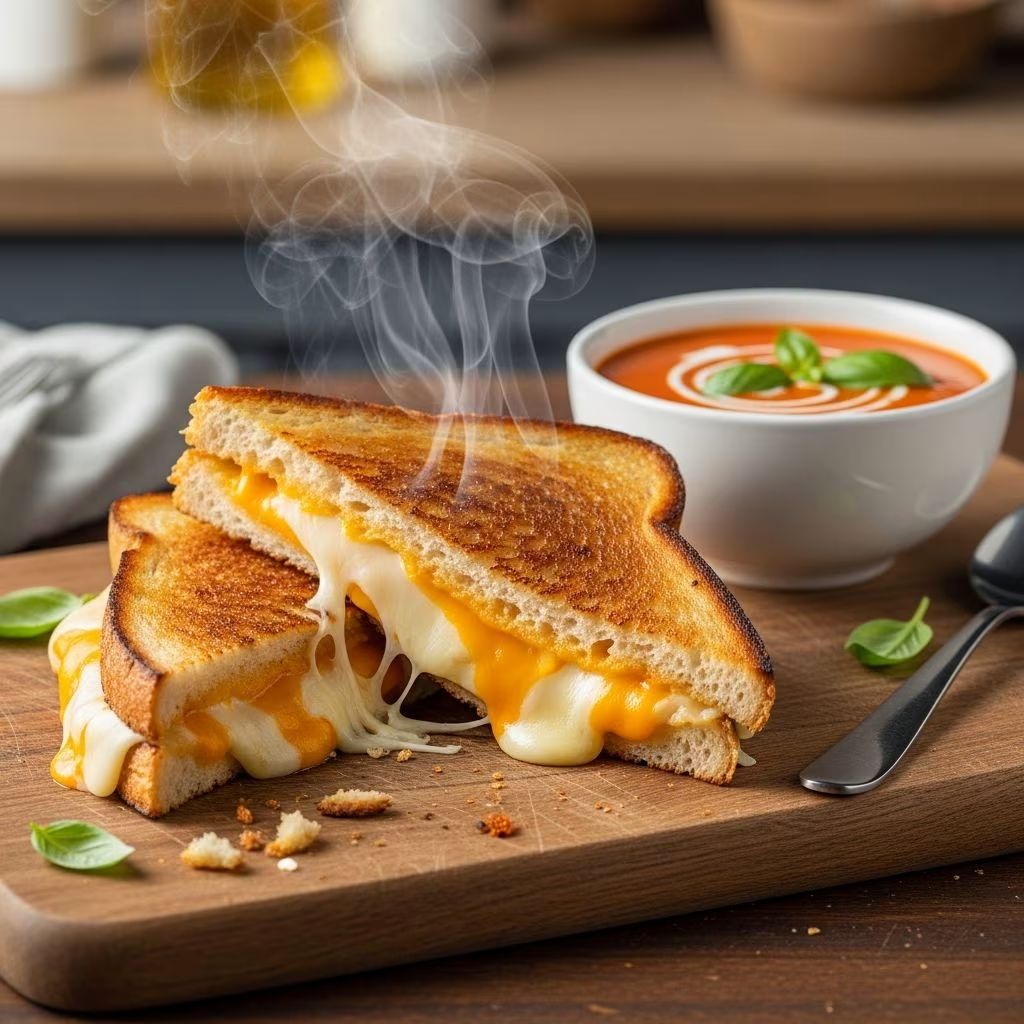
The grilled cheese sandwich holds a special place in American cuisine, but Disney has elevated this humble comfort food into something truly extraordinary. What makes the Disney version so memorable isn’t just the taste—it’s the careful layering of premium ingredients and meticulous preparation that transforms a simple sandwich into a culinary experience. By understanding the fundamental principles behind this beloved park favorite, home cooks can recreate the magic in their own kitchens.
Understanding the Foundation: Why This Sandwich Stands Apart
Traditional grilled cheese sandwiches rely on basic ingredients: bread, butter, and cheese. Disney’s interpretation revolutionizes this formula by introducing multiple components that work in harmony. The sandwich’s appeal comes from its complexity—several distinct flavor profiles and textures that create depth and sophistication. Rather than a single cheese type, Disney employs a strategic blend designed to deliver optimal melting qualities, flavor intensity, and that coveted cheese pull that makes each bite memorable.
The genius of this sandwich lies in its structural engineering. The combination of different cheese types serves a purpose beyond flavor. Each cheese contributes different melting points and textures, creating a more interesting eating experience than any single cheese could provide. Understanding this principle helps home cooks appreciate why specific ingredients matter and why substitutions might diminish the final product.
The Three-Component Preparation System
Disney’s approach to sandwich construction emphasizes organized preparation. Rather than attempting to assemble everything at once, the recipe breaks into three distinct components that can be prepared separately and then combined efficiently.
Component One: The Whipped Cream Cheese Foundation
The first critical element is a specially prepared cream cheese mixture that serves as an internal spread. This isn’t standard cream cheese straight from the package. Instead, it’s whipped with additional ingredients to create a luxurious, spreadable consistency that distributes evenly across the bread.
The cream cheese base combines:
- Softened cream cheese (approximately half a cup) as the primary ingredient
- Shredded sharp cheddar or Double Gloucester cheese for enhanced flavor and richness
- Heavy cream for improved spreadability and a lighter texture
- Coarse salt for seasoning and flavor enhancement
Using a food processor, these ingredients are combined until achieving a smooth, thick consistency. The processing technique matters significantly—over-mixing can create an overly thin mixture, while insufficient blending results in uneven texture. The goal is a whipped consistency that holds its shape but spreads smoothly across bread surfaces.
This component differs dramatically from standard sandwich spreads. By whipping cream cheese with these specific additions, the result becomes more luxurious and easier to work with than basic cream cheese. The heavy cream introduction lightens the mixture while maintaining richness, creating an almost mousse-like texture that distinguishes this sandwich from typical versions.
Component Two: The Garlic-Infused Mayo Spread
The external coating that contacts the bread and skillet is a garlic-enhanced mayonnaise. This spread serves multiple functions: it adds flavor, contributes to browning during cooking, and helps create that desirable golden-brown exterior.
The garlic spread requires:
- High-quality mayonnaise as the base ingredient
- Freshly minced garlic for aromatic flavor
- Coarse salt for taste balance and seasoning
Unlike the whipped cream cheese, this mixture demands minimal processing. Simple hand-whisking combines the ingredients into a uniform spread. The mayonnaise provides fat for browning while the garlic introduces savory complexity. This spread is applied to the bread’s exterior before grilling, ensuring even heat distribution and attractive coloring.
Component Three: The Cheese and Bread Assembly
The final component involves selecting and arranging the cheese and bread. Disney’s sandwich employs multiple cheese types, each contributing distinct characteristics.
The cheese selection includes:
- Medium or sharp cheddar cheese slices (two per sandwich half) providing classic cheese flavor and good melting properties
- Provolone cheese slices (two per sandwich half) offering mild, slightly smoky undertones and excellent stretch
- Premium artisan bread serving as the structural foundation and flavor component
The bread selection deserves careful consideration. Artisan bread provides superior structure compared to standard sandwich bread, allowing the sandwich to maintain integrity despite the moisture from melting cheese. The crust contributes textural contrast while the interior absorbs the garlic spread without becoming overly saturated.
Strategic Cheese Layering and Assembly Techniques
The assembly process follows a specific sequence that ensures proper ingredient distribution. Understanding the order prevents common mistakes and optimizes the final result.
The assembly process unfolds as follows:
- Arrange bread slices on a clean work surface, designating which slices will receive which cheese types
- Place two cheddar slices on four of the bread pieces
- Position two provolone slices on the remaining four bread pieces
- Divide the whipped cream cheese spread into four equal portions
- Apply cream cheese spread evenly onto the provolone-topped bread pieces
- Join the cheddar and provolone halves together, creating sandwiches with cream cheese between the two cheese layers
- Apply garlic spread to both exterior surfaces of each assembled sandwich
This sequence ensures that the cream cheese layer acts as a flavor separator between the two cheese types, creating distinct taste layers. The exterior garlic spread prepares the bread for optimal browning while providing a flavor accent to the overall experience.
Cooking Methods and Temperature Control
Achieving the perfect grilled cheese requires understanding heat management and cooking techniques. The cooking process determines whether the sandwich achieves proper browning while the interior reaches ideal melting consistency.
Equipment Selection for Optimal Results
A heavy-duty skillet provides superior heat distribution compared to non-stick alternatives. Cast iron works exceptionally well, though stainless steel pans are equally effective. Non-stick surfaces can work but often don’t achieve the same level of browning and can complicate cheese melting.
Before cooking begins, the skillet should heat for approximately five minutes on medium heat. This preheating period allows the cooking surface to reach optimal temperature, ensuring consistent browning and proper cheese melting throughout the sandwich.
Cooking Process and Timing
Cooking time represents one of the most critical factors in sandwich success. Disney’s version typically requires two minutes per side when cooked in a properly heated skillet at medium temperature.
The cooking sequence involves:
- Placing the sandwich carefully into the preheated skillet
- Allowing the first side to cook undisturbed for two minutes
- Flipping the sandwich with careful technique to avoid breaking it
- Cooking the second side for another two minutes until the bread achieves golden-brown coloring and the cheese melts completely
The two-minute timing produces bread with ideal color and texture while allowing sufficient time for the multiple cheese layers to melt without becoming overly hot or separating. Cooking times may require minor adjustments depending on individual skillet characteristics and heat output variation.
Ingredient Quality and Selection Considerations
The final sandwich quality depends significantly on ingredient selection. Using premium components throughout the process elevates the result dramatically.
Cheese Selection Priorities
Sharp cheddar cheese contributes pronounced flavor and melts smoothly. Medium varieties work but lack the intensity that distinguishes this sandwich. Double Gloucester cheese represents an excellent alternative if available, offering similar characteristics to sharp cheddar with subtle differences in flavor profile.
Provolone selection should emphasize good-quality blocks rather than thin-sliced varieties. Slicing your own provolone from higher-quality blocks ensures superior melting and better flavor contribution compared to pre-packaged thin slices.
Bread and Spread Quality
Selecting artisan bread made with quality ingredients makes a substantial difference. Bread’s texture, flavor, and ability to support the sandwich’s weight and moisture content depend on production methods and ingredient quality. Local bakery options often surpass supermarket alternatives.
Heavy cream and mayonnaise quality similarly impacts the final product. Using full-fat ingredients ensures proper mouthfeel and flavor development. Budget alternatives often contain additives that can affect taste and texture.
Troubleshooting Common Challenges
| Challenge | Potential Cause | Solution |
|---|---|---|
| Uneven melting | Inconsistent heat or improper cheese layering | Use uniform cheese slices and ensure consistent skillet temperature; preheat thoroughly |
| Burnt bread, unmelted cheese | Heat too high or insufficient cooking time | Reduce heat to medium and extend cooking time slightly per side |
| Overly wet sandwich | Too much cream cheese spread applied | Use measured portions and spread evenly; don’t exceed recommended amounts |
| Bread falls apart during flipping | Insufficient crust development or premature flipping | Allow full two minutes before flipping; use robust artisan bread with strong crust |
| Separated or oily appearance | Excessive heat causing fat separation | Lower temperature to medium and monitor carefully; ensure proper ingredient balance |
Frequently Asked Questions
Can I prepare components in advance?
Yes, both the cream cheese spread and garlic spread can be prepared several hours in advance and refrigerated. Bring them to room temperature before assembling sandwiches for optimal spreading consistency. Bread and cheese should remain fresh until assembly.
What alternatives exist for specific ingredients?
While substitutions alter the final result, some reasonable alternatives include using sharp white cheddar instead of yellow varieties, or Gruyère cheese instead of provolone. However, each substitution changes the flavor profile noticeably. Experimentation helps identify personal preferences.
How many sandwiches can I cook simultaneously?
Cooking capacity depends on skillet size. Most standard skillets accommodate one large sandwich comfortably. Attempting to cook multiple sandwiches simultaneously risks uneven cooking and difficulty managing flips. Cook in batches for consistent results.
Is melting better with covered or uncovered cooking?
Uncovered cooking at medium heat provides the best results. Covering with a lid accelerates melting but often creates excessive moisture that prevents proper browning. The uncovered method allows better control over the cooking process.
What serving suggestions pair well with this sandwich?
Tomato soup, vegetable sides, or light salads complement this rich sandwich. The sandwich’s richness suggests lighter accompaniments rather than heavy sides. Beverage options range from cold milk to iced tea.
Elevating Your Grilled Cheese Craft
Creating Disney’s grilled cheese at home represents more than simply following instructions—it involves understanding the principles that make the sandwich exceptional. By appreciating how each component contributes to the overall experience, home cooks can troubleshoot problems and potentially refine the recipe to personal preferences.
The sandwich demonstrates how attention to detail elevates ordinary ingredients into something memorable. Temperature control, ingredient quality, assembly sequence, and cooking timing all matter. None represent difficult techniques, yet together they create results that rival professional preparation.
Practicing this recipe develops cooking skills applicable to other dishes. Understanding cheese melting behavior, bread selection principles, and heat management enhances overall culinary competence. The grilled cheese becomes not just a meal but a learning opportunity.
Whether recreating this sandwich for family gatherings, casual weeknight meals, or entertaining guests, the principles outlined here provide a framework for consistent success. The magic of Disney’s version lies not in secret ingredients or mysterious techniques but in thoughtful preparation and proper execution of fundamental cooking principles.
References
- Homemade Disneyland Grilled Cheese Sandwich Recipe — Bobby Boyd Living. https://www.bobbyboydliving.com/blog/homemade-disneyland-grilled-cheese-sandwich-delicious
- Disney Grilled Cheese Sandwich Recipe from Toy Story Land — Eating Richly. https://eatingrichly.com/disney-grilled-cheese-sandwich-recipe/
- Woody’s Lunch Box Grilled Cheese Recipe — The Disney Dish. https://thedisneydish.com/woodys-grilled-cheese/