The concept of combining all ingredients directly into a baking vessel and allowing heat to work its magic has revolutionized how busy families approach weeknight dinners. This straightforward cooking methodology eliminates multiple pots, pans, and extensive preparation steps that traditionally accompany home cooking. By understanding the fundamental principles behind this approach, home cooks can consistently produce restaurant-quality meals with minimal active cooking time.
Understanding the Foundation of Direct-Bake Cooking
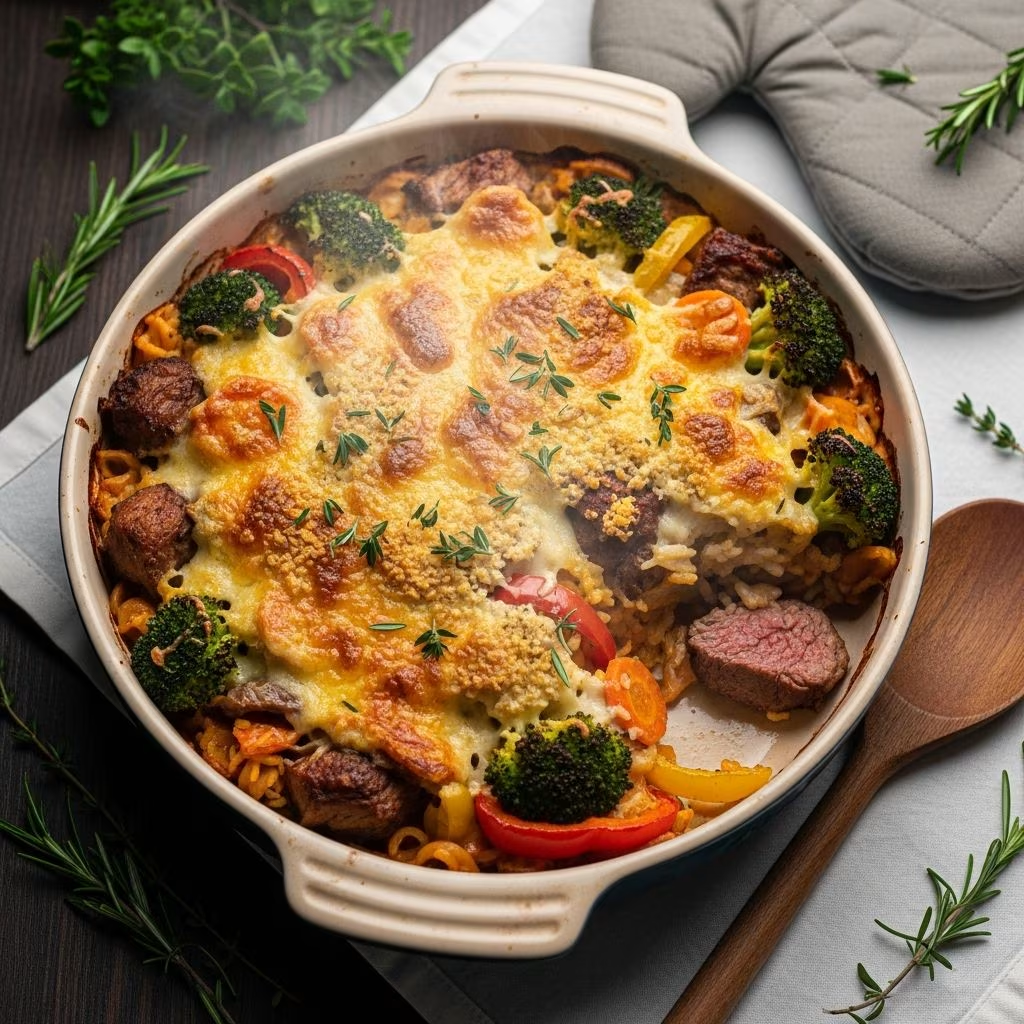
Direct-bake casseroles operate on a simple principle: raw or minimally processed ingredients are combined in a single baking dish, covered, and placed in the oven where heat simultaneously cooks all components. This method transforms cooking from an active, time-consuming process into a mostly passive endeavor. The oven becomes the primary cooking instrument rather than stovetop burners, allowing cooks to focus on other tasks while flavors develop and ingredients meld together.
The beauty of this approach lies in its flexibility and adaptability. Whether preparing protein-based meals, vegetable-forward dishes, or grain-centered compositions, the same fundamental techniques apply across diverse recipe variations. Home cooks benefit from reduced stress, faster meal preparation, and significantly simplified cleanup compared to traditional multi-step cooking methods.
Strategic Ingredient Selection and Preparation
Successful direct-bake casseroles begin with thoughtful ingredient selection. Understanding which components require minimal preprocessing and which benefit from slight modifications ensures optimal results. Raw proteins like chicken pieces or ground meat work excellently in these preparations, cooking thoroughly during the baking process. Vegetables should generally be cut into uniform, bite-sized pieces to ensure even cooking throughout the dish.
Dry grains and pasta can be added without pre-cooking, as the surrounding liquid provides necessary moisture for proper hydration and texture development. However, ingredient quality matters significantly. Using fresh herbs, quality seasonings, and flavorful liquids like broth or sauce creates deeper taste profiles than would otherwise be possible in such a streamlined cooking process.
Consider these ingredient categories when planning casseroles:
- Proteins: chicken breasts or thighs, ground beef or turkey, seafood, eggs, legumes
- Starches: uncooked pasta, raw rice, potatoes, beans
- Vegetables: fresh produce cut into uniform sizes
- Liquids: broth, sauce, cream-based mixtures
- Seasonings: herbs, spices, salt, pepper
- Dairy: cheese, cream, cream cheese for richness
Layering and Assembly Techniques
While direct-bake casseroles don’t require complex layering, the order in which ingredients are combined influences cooking efficiency and final texture. Denser ingredients generally benefit from positioning at the bottom of the baking vessel, where they receive more direct heat exposure. Vegetables and proteins can be distributed throughout, while lighter ingredients like cheese or cream cheese might be positioned on top for optimal melting and browning.
Proper liquid distribution ensures all ingredients hydrate evenly during cooking. Insufficient liquid results in dried, unappealing textures, while excessive liquid creates overly soupy results. A good rule involves ensuring all dry ingredients are visibly moistened by surrounding liquids before baking begins. Gentle stirring helps distribute seasonings and prevents dry pockets from forming during the cooking process.
Temperature, Timing, and Baking Considerations
Most direct-bake casseroles cook successfully at temperatures between 350 and 425 degrees Fahrenheit, with specific temperatures depending on ingredients used and desired cooking speed. Higher temperatures accelerate cooking but risk surface overcooking before interior components reach proper doneness. Moderate temperatures provide more balanced cooking, though they require longer total times.
Covering dishes with foil during initial baking stages prevents surface drying while allowing interior ingredients to cook through. Removing covers during final cooking stages allows cheese to melt, surfaces to brown, and moisture to reduce to desired consistency. Most casseroles require between 25 and 50 minutes total, though exact timing depends on oven characteristics, dish depth, ingredient density, and individual recipe requirements.
Testing for doneness involves checking that proteins have reached safe internal temperatures, grains are tender, and vegetables have softened to pleasant textures. A quick visual inspection and fork or knife test can confirm that components have achieved proper cooking stages.
Adapting Recipes for Dietary Preferences
The fundamental direct-bake methodology accommodates numerous dietary approaches and restrictions. Vegetarian versions substitute plant-based proteins and legumes for meat products, using vegetable broth instead of meat-based stocks. Gluten-free preparations swap traditional pasta for alternative grain options or legume-based noodles that cook similarly to conventional varieties.
Dairy-free adaptations replace cream cheese and traditional cheeses with plant-based alternatives, while maintaining similar cooking techniques and timing. Lighter versions reduce fat content by minimizing cream additions and using lean proteins. Low-carbohydrate preparations emphasize vegetable bases with minimal grain components. These modifications rarely complicate the fundamental cooking process, making this approach accessible to cooks managing various dietary needs.
Making Casseroles Ahead for Maximum Convenience
Assembling casseroles in advance streamlines meal preparation on busy days. Most casseroles can be assembled completely, covered, and refrigerated for up to 24 hours before baking. This allows flavors to develop while simplifying evening preparations to simply placing the dish in the oven.
For extended storage, casseroles can be frozen after assembly. Freezing before baking doesn’t significantly impact cooking times, though adding approximately 10 to 15 minutes to standard baking durations accounts for the frozen state. Clearly labeling frozen casseroles with contents and assembly dates helps prevent confusion during future meal preparation.
Storage and Reheating Guidelines
Properly stored casseroles remain safe and delicious for several days in refrigeration and considerably longer when frozen. Covering dishes tightly prevents moisture loss and flavor absorption from surrounding refrigerator odors. Cool casseroles completely before refrigerating to avoid raising appliance temperatures and potentially affecting food safety.
Reheating previously cooked casseroles requires lower temperatures to prevent surface overcooking before interior components warm through. A 325-degree Fahrenheit setting with foil coverage typically requires 20 to 30 minutes for complete reheating. Adding small amounts of broth or water compensates for moisture loss during initial cooking and reheating. Removing foil during final minutes allows surface crisping and cheese re-browning if desired.
Common Challenges and Solutions
| Challenge | Possible Cause | Solution |
|---|---|---|
| Dry, tough texture | Insufficient liquid or overcooking | Increase liquid amounts, reduce baking time, or cover longer |
| Undercooked grains or pasta | Insufficient liquid or heat | Increase liquid ratios, extend baking time, or increase oven temperature |
| Unevenly cooked ingredients | Inconsistent vegetable sizes or poor heat distribution | Cut ingredients uniformly, stir halfway through baking |
| Watery consistency | Excessive liquid | Reduce liquid amounts in future preparations |
| Bland flavor | Insufficient seasonings | Enhance with quality broths, herbs, and seasonings |
Recipe Inspiration and Flavor Combinations
Direct-bake casseroles accommodate virtually limitless flavor combinations. Mediterranean-inspired versions combine chicken with sun-dried tomatoes, spinach, and Italian seasonings. Asian-influenced preparations feature soy sauce, ginger, and vegetable combinations. Mexican-style versions incorporate enchilada sauce, beans, and appropriate spice profiles. Comfort food classics combine familiar ingredients like potatoes, cheese, and savory proteins.
The versatility extends to incorporating global cuisines and personal preferences. Experimenting with different broth varieties, seasonal vegetables, and complementary seasonings transforms the same basic methodology into entirely different dining experiences. Building a mental library of successful combinations encourages future creativity and reduces meal planning stress.
Equipment and Preparation Tips
Selecting appropriate baking vessels significantly impacts cooking success. Nine-by-thirteen-inch rectangular dishes accommodate most family-sized recipes and promote even heat distribution. Deeper dishes require adjusted cooking times, while shallower alternatives cook faster. Quality baking dishes with good heat conductivity produce more consistent results than thin, inexpensive alternatives.
Proper preparation ensures release and prevents sticking. Light coating with cooking spray or oil before assembly prevents adhesion without requiring elaborate greasing. Using parchment paper or foil liners simplifies cleanup further, though isn’t strictly necessary with adequate preparation.
Frequently Asked Questions
Can frozen vegetables be used in direct-bake casseroles?
Absolutely. Frozen vegetables work excellently and often release less moisture than fresh varieties, making them ideal for casserole preparations. No thawing is necessary; add directly to the baking dish.
Should raw chicken be used in these casseroles?
Yes, raw chicken cooks thoroughly during the baking process when recipes include adequate liquid and appropriate cooking times and temperatures. Ensure pieces reach safe internal temperatures of 165 degrees Fahrenheit.
How can casseroles be made less soupy?
Reduce liquid amounts gradually in future preparations, remove covers during final cooking stages to allow evaporation, or increase cooking time at lower temperatures to promote moisture reduction.
What’s the best way to transport baked casseroles?
Allow casseroles to cool slightly, cover tightly with foil for insulation, and transport in insulated containers or bags to maintain temperature during travel.
Can recipe ingredients be substituted freely?
Many substitutions work, but significant changes to liquid ratios or cooking times may require adjustments. Experiment cautiously with substantial modifications and take notes for future reference.
References
- USDA Poultry Safety Guidelines — United States Department of Agriculture. 2024. https://www.usda.gov/food-safety/foodborne-illnesses-and-contaminants/safe-food-handling-foods/poultry-food-safety
- Food Storage and Handling Best Practices — FDA Center for Food Safety and Applied Nutrition. 2024. https://www.fda.gov/food/food-storage
- Cooking Temperatures and Times for Safe Food Preparation — CDC Division of Foodborne, Waterborne, and Environmental Diseases. 2023. https://www.cdc.gov/foodsafety/communication/cooking-temperatures.html