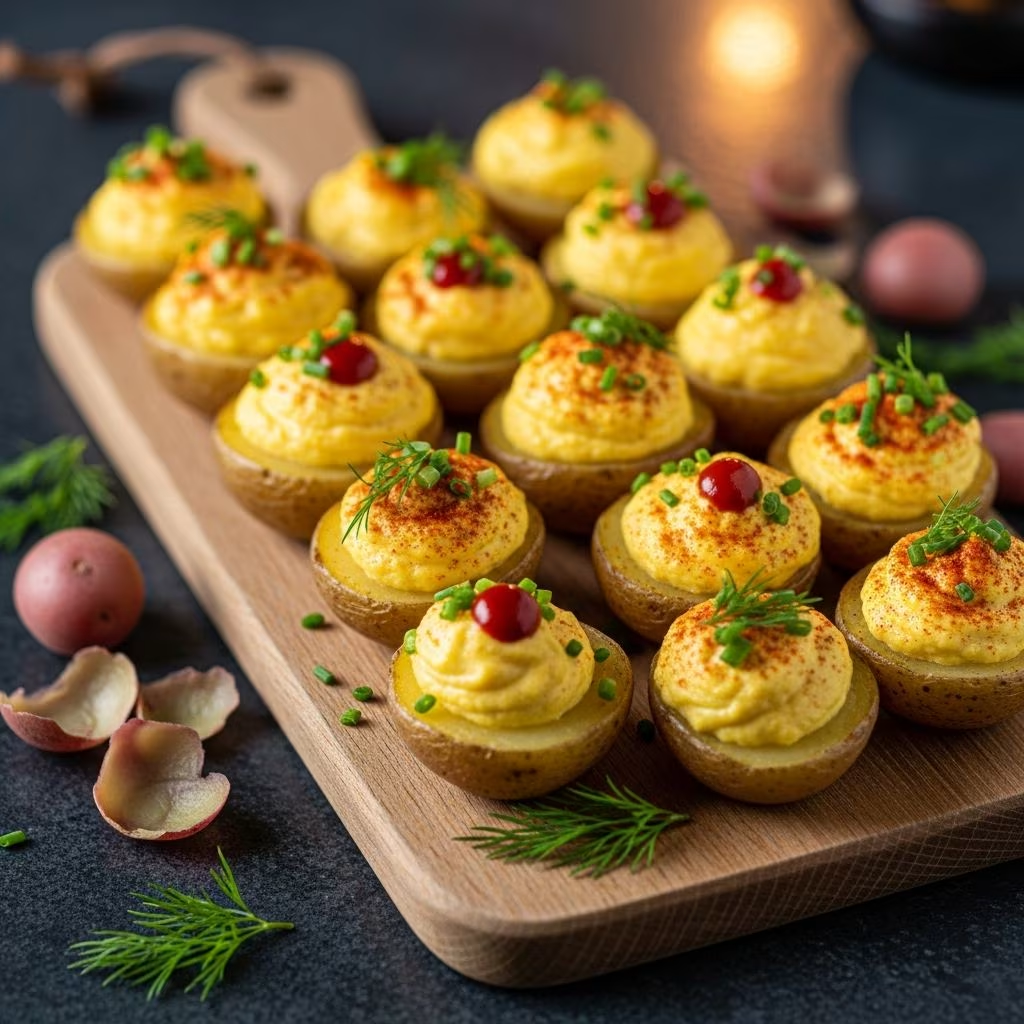
When it comes to preparing finger foods for entertaining, deviled potatoes offer a refreshing departure from traditional options. These miniature potato vessels, filled with creamy, seasoned mixtures, deliver the same satisfying flavors associated with their egg-based counterparts while providing a starchier, more substantial base. Whether you’re hosting a casual gathering or planning an elegant dinner party, deviled potatoes present a practical solution that combines ease of preparation with impressive presentation.
Understanding the Concept Behind Deviled Potatoes
Deviled potatoes represent a clever culinary innovation that borrows inspiration from the beloved tradition of deviled eggs. Rather than relying on chicken eggs as the primary ingredient, this creative adaptation utilizes small, firm potatoes as edible containers. The concept involves selecting appropriately sized potatoes, cooking them until tender, halving them carefully, and scooping out a portion of the interior flesh to create a small cavity. This hollow space becomes the perfect vessel for holding a flavorful filling that draws from the same flavor profiles traditionally associated with deviled eggs.
The appeal of this dish extends beyond mere novelty. For individuals managing egg allergies or following dietary restrictions that exclude eggs, deviled potatoes provide a welcome alternative. Additionally, when egg prices fluctuate seasonally, potato-based versions offer a budget-conscious option without sacrificing the creamy, tangy experience that makes deviled eggs such a perennial favorite.
Selecting the Right Potatoes for Success
The foundation of exceptional deviled potatoes begins with thoughtful potato selection. Baby varieties work best for this preparation because their compact size creates naturally proportioned portions that are easy to handle and serve. Several potato types deliver excellent results:
- Dutch Yellow Potatoes: These waxy potatoes maintain their shape during cooking and offer a slightly buttery flavor that complements creamy fillings beautifully.
- Red Potatoes: Known for their firm texture and subtle earthiness, red varieties hold up well to scooping and resist becoming mealy.
- Yukon Gold Potatoes: Their golden hue and naturally creamy flesh make them visually appealing, and they produce a rich flavor when incorporated into the filling mixture.
- White Potatoes: These versatile spuds work reliably and provide a neutral backdrop that allows other flavors to shine.
When shopping, aim for potatoes roughly the size of large eggs—typically between 1 to 2 inches in diameter. Uniform sizing ensures that cooking times remain consistent across your batch, preventing some potatoes from becoming mushy while others remain undercooked.
Preparation Techniques: From Raw Potato to Edible Container
Two primary cooking methods yield satisfactory results when preparing potatoes for deviling: roasting and boiling. Each technique imparts slightly different characteristics to the finished dish.
The Roasting Method
Roasting potatoes in an oven produces a slightly crisper exterior and concentrates their natural flavors. Begin by preheating your oven to 350 degrees Fahrenheit. Rinse your baby potatoes thoroughly and pat them dry to encourage even browning. Place them in a roasting pan and puncture each potato several times with a fork to allow steam to escape during cooking. Toss gently with olive oil and a light sprinkling of salt. Roast for approximately 45 minutes, or until a fork easily pierces the flesh. Once cooled enough to handle, slice each potato in half lengthwise, creating two elongated pieces that resemble halved eggs.
The Boiling Method
Boiling provides a faster alternative, typically requiring 15 minutes of cooking time. Place your cleaned potatoes in a large pot and cover with cold water. Add salt to the water—roughly one teaspoon per cup of liquid creates properly seasoned potatoes. Bring to a rolling boil and maintain this heat until a sharp knife slides through the potato flesh without resistance. Drain thoroughly and allow the potatoes to cool completely before handling. Once cooled, slice each potato crosswise rather than lengthwise, creating more uniform oval shapes.
Regardless of your chosen method, allow potatoes to cool completely before scooping. Warm potatoes become fragile and may break apart, compromising their integrity as serving vessels.
Scooping Technique and Cavity Creation
Once your potatoes have cooled, the next critical step involves carefully removing a portion of the interior flesh while preserving enough potato structure to hold the filling. A melon baller—a specialized kitchen tool featuring a small rounded scoop—works exceptionally well for this task. Alternatively, a small spoon or demitasse spoon provides adequate control. Insert your chosen tool gently into the center of each potato half and rotate it slightly to loosen the flesh, then lift out the extracted potato pulp. Aim to create a cavity roughly the size of a walnut, ensuring that sufficient potato shell remains around all edges to prevent the vessel from collapsing.
Collect all scooped potato flesh in a medium mixing bowl, as this forms the foundation of your filling. Some recipes call for roasting the empty potato shells for an additional 10 minutes to dry them out further, creating more rigid containers that resist softening during storage.
Crafting the Ideal Filling: Flavor Combinations and Texture
The filling represents the soul of a deviled potato, and its composition deserves careful consideration. A successful filling balances creaminess with distinctive flavor notes—acidity from mustard and pickles, richness from mayonnaise or sour cream, and subtle seasoning complexity from carefully selected spices.
Core Filling Components
Every exceptional deviled potato filling begins with a creamy base. Mayonnaise stands as the traditional choice, delivering both richness and emulsifying properties that create a silky texture. Alternatively, sour cream offers a tangier profile with slightly fewer calories, and vegan mayonnaise accommodates plant-based dietary preferences. A typical filling incorporates between 1/4 and 1/2 cup of your chosen creamy base for every dozen potato halves.
Mustard contributes essential sharpness and complexity. Yellow mustard provides a mild, slightly sweet profile, while Dijon varieties offer more sophisticated, peppery notes. Beginning with one teaspoon and adjusting to taste prevents overpowering the other ingredients. The acidic component can come from dill pickle juice, apple cider vinegar, or fresh lemon juice—each contributing distinct flavor characteristics.
Seasoning Architecture
Salt and freshly ground black pepper form the aromatic foundation, but additional layers of flavor elevate the filling from simple to memorable. Consider incorporating:
- Garlic powder (1/4 to 1/2 teaspoon) for savory depth
- Onion powder (1/4 to 1/2 teaspoon) for subtle sweetness
- Fresh dill (1 to 2 teaspoons chopped) for herbaceous brightness
- Fresh parsley (1 to 2 teaspoons chopped) for mild, clean flavor
- Whole grain mustard (1 to 2 teaspoons) for texture and complexity
- Smoked paprika for warmth and visual appeal
- Black salt (kala namak) in vegan variations for an egg-like quality
- Ground turmeric in vegan versions for golden coloring and subtle earthiness
Optional Protein and Texture Additions
Some interpretations incorporate chopped hard-boiled eggs directly into the filling, creating an intensely savory mixture. Others include brined capers for briny pops of flavor, drained dill pickle relish for enhanced tanginess, or finely chopped green onions for mild onion flavor and visual garnish appeal.
Assembly and Presentation Strategies
Once your filling reaches desired consistency and flavor balance, transfer it to a pastry bag fitted with either a large round tip or an open star tip. This approach creates professional-looking presentations suitable for entertaining. If a pastry bag isn’t available, simply spoon or scoop the filling directly into the potato cavities using a small ice cream scoop or rounded measuring spoon. Distribute approximately one to two teaspoons of filling into each potato half, creating a slight dome that extends above the rim.
A light dusting of smoked paprika, fresh ground black pepper, or additional fresh herbs applied immediately before serving adds both visual sophistication and subtle flavor enhancement. Green onions, fresh dill, or parsley sprigs provide attractive garnish options that signal the ingredients within.
Storage and Make-Ahead Considerations
Deviled potatoes excel as make-ahead appetizers, allowing hosts to complete preparation the day before serving. Once filled and garnished, arrange them on a platter, cover with plastic wrap, and refrigerate for up to 24 hours. The cool storage time actually enhances flavor development as seasonings meld and permeate the filling. Remove from refrigeration approximately 15 minutes before serving to allow flavors to emerge as the potatoes return to room temperature.
Unfilled roasted potato shells can be prepared several days in advance and stored in an airtight container. Prepare your filling no more than six hours before service, as mayonnaise-based mixtures begin to weep and separate after extended refrigeration.
Flavor Variations and Creative Adaptations
While classic deviled potato recipes follow traditional flavor patterns, creative cooks can explore numerous variations tailored to personal preferences or dietary requirements.
Vegan-Friendly Interpretation
Plant-based eaters need not forgo deviled potatoes. Substitute vegan mayonnaise for traditional varieties, use Dijon mustard, incorporate apple cider vinegar for acidity, and add black salt (kala namak) to impart an egg-like flavor complexity. Ground turmeric contributes golden coloring while supporting the egg-mimicking effect. This adaptation delivers all the satisfaction of traditional versions without animal products.
Fresh Herb Emphasis
Elevate your filling by incorporating generous amounts of fresh herbs. Combine sour cream with fresh dill, parsley, tarragon, and chives. Add lemon zest for brightness and reduce mustard quantities to allow herbs to dominate. This variation pairs exceptionally well with seafood courses or spring entertaining.
Smoky and Savory Profile
Incorporate smoked paprika, a dash of liquid smoke, and crispy crumbled bacon into your filling for a barbecue-inspired variation. This heartier interpretation appeals to guests who prefer robust, smoke-forward flavors.
Frequently Asked Questions About Deviled Potatoes
Can deviled potatoes be prepared in advance?
Yes. Complete the filling preparation within six hours of serving. Assemble potatoes up to 24 hours ahead, cover, and refrigerate. Remove from cold storage 15 minutes before serving.
What should I do if my filling becomes too thick?
Gradually incorporate additional mayonnaise, sour cream, or a small amount of milk until you reach desired consistency. Add liquid in half-teaspoon increments to avoid over-thinning.
Are there protein-free variations available?
Absolutely. Omit eggs entirely and increase vegetable additions like finely minced red peppers or cucumber. The potato flesh itself provides sufficient body and substance.
How many deviled potatoes should I prepare for a gathering?
Plan for 3 to 4 pieces per guest for appetizer service, or 1 to 2 pieces as part of a larger spread. One pound of baby potatoes typically yields 24 to 30 potato halves.
Can I freeze deviled potatoes?
Freezing isn’t recommended, as mayonnaise-based fillings separate upon thawing and potatoes become mealy. Prepare as close to serving time as practical.
Conclusion: Why Deviled Potatoes Deserve a Place on Your Menu
Deviled potatoes represent an intelligent culinary solution that combines budget-consciousness with impressive presentation. These versatile bites accommodate numerous dietary preferences, from vegan interpretations to elegant versions enhanced with fresh herbs and capers. Their make-ahead nature eliminates last-minute stress during entertaining, while their customizable fillings ensure they complement virtually any meal or party theme. Whether you’re seeking an economical alternative to deviled eggs or simply exploring creative potato preparations, deviled potatoes deliver satisfying flavors and professional-looking results that will delight your guests.
References
- Deviled Potatoes Recipe — Jolly Tomato. 2024. https://jollytomato.com/deviled-potatoes/
- Deviled Potatoes — Eat Dessert Snack. 2024. https://eatdessertsnack.com/deviled-potatoes/
- Vegan Deviled Potatoes — It Doesn’t Taste Like Chicken. 2024. https://itdoesnttastelikechicken.com/vegan-deviled-potatoes/
- Deviled Potatoes Recipe — Eat Wisconsin Potatoes. 2024. https://eatwisconsinpotatoes.com/recipes/deviled-potatoes/
- Deviled Potatoes — Baked Broiled and Basted. 2024. https://bakedbroiledandbasted.com/deviled-potatoes/