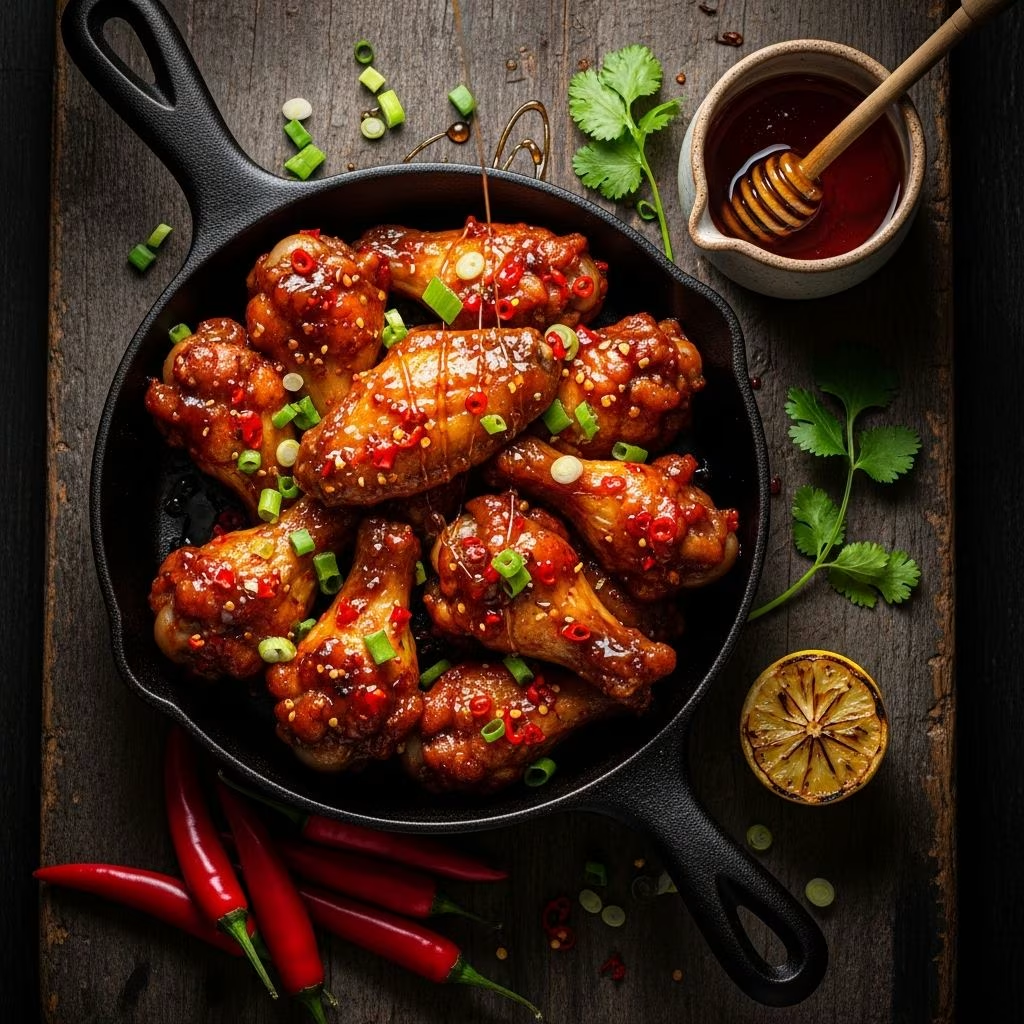
Detroit-style hot honey wings represent a culinary intersection where Midwestern comfort meets bold, contemporary flavors. These wings combine the sweetness of honey with the heat of hot sauce and the richness of butter, creating a glaze that is simultaneously addictive and sophisticated. The preparation method emphasizes achieving crispy, perfectly cooked wings before tossing them in a warm sauce that adheres beautifully to the surface. Whether you’re preparing these for a casual gathering or a special occasion, understanding the nuances of this preparation will elevate your wing game significantly.
Understanding the Detroit Wing Tradition
The Detroit culinary scene has long celebrated bold, unpretentious flavors that prioritize taste over refinement. Hot honey wings fit perfectly within this tradition, combining accessible ingredients into something memorable. The technique involves cooking wings to complete doneness first, then coating them in a sauce rather than marinating them beforehand. This approach ensures the wings maintain their textural integrity while the sauce creates a flavorful exterior that clings to every surface.
What distinguishes this preparation from other wing styles is the specific ratio of honey to hot sauce balanced with butter. The honey provides sweetness and helps create a glossy finish, while the hot sauce delivers heat and depth. Butter acts as an emulsifier and adds richness that prevents the coating from becoming cloying. This triumvirate of flavors creates complexity that keeps people reaching for another wing.
Essential Ingredients and Their Roles
The Wing Foundation
Quality chicken wings form the base of this dish. You’ll want approximately 2 to 4 pounds of wings, with drumettes and flats separated for even cooking. Some cooks save the wing tips for making stock, which adds value to the preparation. Pat the wings thoroughly dry with paper towels before seasoning, as moisture prevents proper browning and crispy skin development. This step is non-negotiable for achieving the textural contrast that makes these wings exceptional.
The Seasoning Profile
The dry seasoning applied before cooking should be restrained but impactful. Cayenne pepper provides foundational heat, while salt and black pepper enhance natural chicken flavor. Some variations include garlic powder or paprika for additional depth. The seasoning mixture should be minimal enough that it doesn’t overpower the honey sauce that follows, but substantial enough to build flavor layers throughout the cooking process.
The Signature Sauce
The sauce defines these wings completely. Butter serves as the base, typically between ¼ and ½ cup depending on batch size. Honey, ranging from ½ to 1 cup, provides sweetness and viscosity. Hot sauce completes the trio, usually between ¼ and ½ cup, though personal preference dictates the exact amount. Choose a hot sauce that complements rather than dominates—vinegar-based varieties work well, as do habanero or cayenne-forward options. The sauce should achieve a balance where heat and sweetness are equally present on the palate.
Cooking Methods and Techniques
Oven Preparation
Preheating your oven to 400°F creates an environment hot enough to render chicken fat while developing a golden exterior. Line a baking sheet with aluminum foil for easy cleanup and to promote even heat distribution. Arrange wings in a single layer, ensuring they don’t touch. This spacing allows hot air to circulate completely around each wing, promoting uniform cooking.
Bake for 20 to 30 minutes, depending on wing size and oven characteristics. The wings are finished when juices run clear and skin achieves a light golden tone. Some cooks rotate the pan halfway through cooking to ensure even browning. After removing from the oven, allow wings to rest for a few minutes before tossing in the sauce—this brief cooling prevents the sauce from becoming too thin from the residual heat.
Grill Method
Grilling imparts a smoky character absent in oven-cooked versions. Oil the grill grates thoroughly before adding wings to prevent sticking. Medium-high heat works best, allowing wings to cook through without excessive charring. Position wings directly over heat for initial searing, then move to indirect heat zones to finish cooking. This two-zone approach develops color while preventing burning.
Grilled wings typically require 20 to 30 minutes, though variables like grill type and outside temperature affect timing. Watch for flare-ups caused by rendered fat, and manage heat zones accordingly. The advantage of grilling lies in the complex flavors created through light charring and smoke exposure, which enhance rather than compete with the honey sauce.
The Sauce Application
Once wings reach complete doneness, prepare the sauce in a separate vessel. Heat butter in a saucepan over medium heat until fully melted. Add honey and hot sauce, stirring continuously for 2 to 3 minutes. The sauce should achieve a cohesive consistency without reducing excessively. Taste at this point and adjust seasoning if necessary—adding more hot sauce increases heat, while additional honey provides sweetness without compromising the overall balance.
Transfer cooked wings to a large bowl and pour the warm sauce over them. Using tongs or two wooden spoons, toss thoroughly until every wing surface displays a glossy coating. For additional flavor intensification, return sauce-coated wings to the oven for 5 additional minutes at 350°F. This step allows the sauce to partially set and adhere more permanently to the wing surface, though immediate consumption remains acceptable.
Customization and Flavor Variations
| Variation | Modification | Effect on Flavor |
|---|---|---|
| Smokier Profile | Add smoked paprika to dry rub; grill instead of bake | Introduces depth and complexity beyond sweet-spicy balance |
| Heat Elevation | Increase cayenne in rub or use extra-hot sauce | Intensifies spice while maintaining honey sweetness |
| Garlic Forward | Add garlic powder to rub and minced garlic to sauce | Creates savory undertones that enhance overall richness |
| Citrus Brightness | Incorporate lime juice or zest into sauce | Adds freshness and prevents sauce from feeling heavy |
| Herbaceous Notes | Mix fresh thyme or rosemary into warm sauce | Introduces sophisticated flavor layers and aroma |
Achieving Optimal Texture and Results
Crispy skin represents the hallmark of excellent wings. Achieving this requires starting with completely dry wings—any surface moisture creates steam that interferes with browning. Pat wings aggressively with paper towels, ensuring no dampness remains. Some advanced cooks apply baking powder to wings before cooking, which accelerates browning and enhances crispness, though this step remains optional.
Spacing during cooking matters tremendously. Overcrowding a baking sheet or grill creates steam pockets that soften skin rather than crisping it. Allow adequate room for hot air circulation completely around each wing. This attention to spacing distinguishes restaurant-quality wings from mediocre preparations.
Timing precision prevents wings from becoming tough and rubbery. Check for doneness by piercing the thickest part of a drumette with a sharp knife—juices should run clear with no pink remaining. At exactly this moment, remove wings from heat. Continued cooking beyond this point results in moisture loss and textural degradation.
Serving Suggestions and Complementary Sides
Detroit-style hot honey wings shine as standalone appetizers or centerpieces for casual gatherings. Serve immediately after sauce application while coating remains warm and glossy. Provide small plates and plenty of napkins, as these wings intentionally deliver messiness as part of their charm.
Cooling beverages become essential companions. Cold beer, especially lighter styles, provides relief from heat while cleansing the palate. Iced lemonade or sweet tea offer non-alcoholic alternatives that complement sweetness without competing for attention.
Simple sides enhance the experience without overwhelming the wings themselves. Celery and carrot sticks with ranch dip provide textural contrast and coolness. Coleslaw dressed with vinegar-based dressing refreshes the palate between bites. Cornbread or other mild starches absorb excess sauce and provide variety in texture and flavor.
Storage and Make-Ahead Strategies
Leftover wings store well in airtight containers for up to 3 days. Reheat gently in a 300°F oven for 10 to 15 minutes, covering with foil to prevent drying. Reheating in a microwave remains possible but results in softer skin and less pleasant texture.
The sauce preparation can be completed hours ahead and stored in a sealed container at room temperature. Reheat gently before tossing with hot, freshly cooked wings. Wings themselves can be cooked completely in advance, then sauced just before serving for optimal texture and appearance.
For meal prep purposes, prepare unsauced wings and store separately from sauce. This separation maintains wing crispness while allowing quick assembly moments before service. This strategy works particularly well for large gatherings where timing coordination becomes critical.
Troubleshooting Common Issues
Wings that remain soggy or rubbery typically result from overcooking or insufficient heat during initial cooking. Ensure oven or grill reaches 400°F before adding wings. Verify that wings aren’t crowded on cooking surfaces. Reduce cooking time for smaller wings, as size affects duration significantly.
Sauce that separates or becomes too thin suggests butter hasn’t properly emulsified with honey and hot sauce. Ensure sauce ingredients combine thoroughly over consistent heat. Add sauce to warm rather than hot or cold wings, as temperature extremes interfere with sauce cohesion.
Overwhelming heat that obscures other flavors indicates excessive hot sauce or cayenne. Begin with conservative measurements and increase gradually during sauce preparation or seasoning application. Taste the sauce before coating wings, allowing final adjustments.
Frequently Asked Questions
Can I use bone-in chicken thighs or breasts instead of wings?
Yes, though cooking times will extend and texture differs. Bone-in thighs work particularly well and maintain moisture better than breasts. Increase cooking time by 10 to 15 minutes for thighs, and reduce heat slightly to prevent skin from over-browning before the interior finishes cooking.
What hot sauce works best for this recipe?
Vinegar-forward sauces like Frank’s RedHot integrate seamlessly with honey without dominating other flavors. Habanero-based options create fruity heat notes. Experiment with brands available locally to find your preferred balance between heat intensity and flavor profile.
Is it necessary to use real honey, or can honey substitutes work?
Real honey provides distinctive flavor that substitutes cannot replicate. The natural complexity and slight caramelization that occurs during heating distinguish honey from high-fructose corn syrup or other sweeteners. Use quality honey for best results—the ingredient cost remains minimal relative to the overall dish.
How do I prevent the honey sauce from burning during reheating?
Keep heat low when reheating sauce, preferably on medium or medium-low. Stir constantly and use a thick-bottomed saucepan that distributes heat evenly. Adding a splash of chicken broth helps prevent scorching while maintaining desired consistency.
Can I make this recipe without an oven or grill?
Deep frying produces excellent results and cooks wings quickly—approximately 8 to 12 minutes at 350°F. Exercise caution with hot oil and maintain a clean cooking surface to prevent splattering. Air fryer cooking at 400°F for 15 to 20 minutes provides a healthier alternative with comparable crispness.
Conclusion: Mastering Detroit-Style Wings
Detroit-style hot honey wings represent an accessible yet impressive preparation that delivers restaurant-quality results in a home kitchen. Success depends on understanding the interplay between textural elements—crispy skin, tender meat, glossy coating—and flavor components that balance sweetness, heat, and richness. By following proper technique, choosing quality ingredients, and allowing for personal customization, anyone can create wings that disappoint no one and impress most who experience them. The combination of simplicity in concept with sophistication in execution makes this preparation endlessly rewarding to master.
References
- The Kitchen Magpie: Detroit Honey Hot Wings — The Kitchen Magpie. https://www.thekitchenmagpie.com/detroit-honey-hot-wings/
- For the Wing: Detroit Hot Honey Wings — For the Wing. https://forthewing.com/detroit-hot-honey-wings/
- The Savory Chopstick: The Best Hot Honey Chicken Wings Recipe — The Savory Chopstick. https://www.thesavorychopstick.com/hot-honey-chicken-wings/