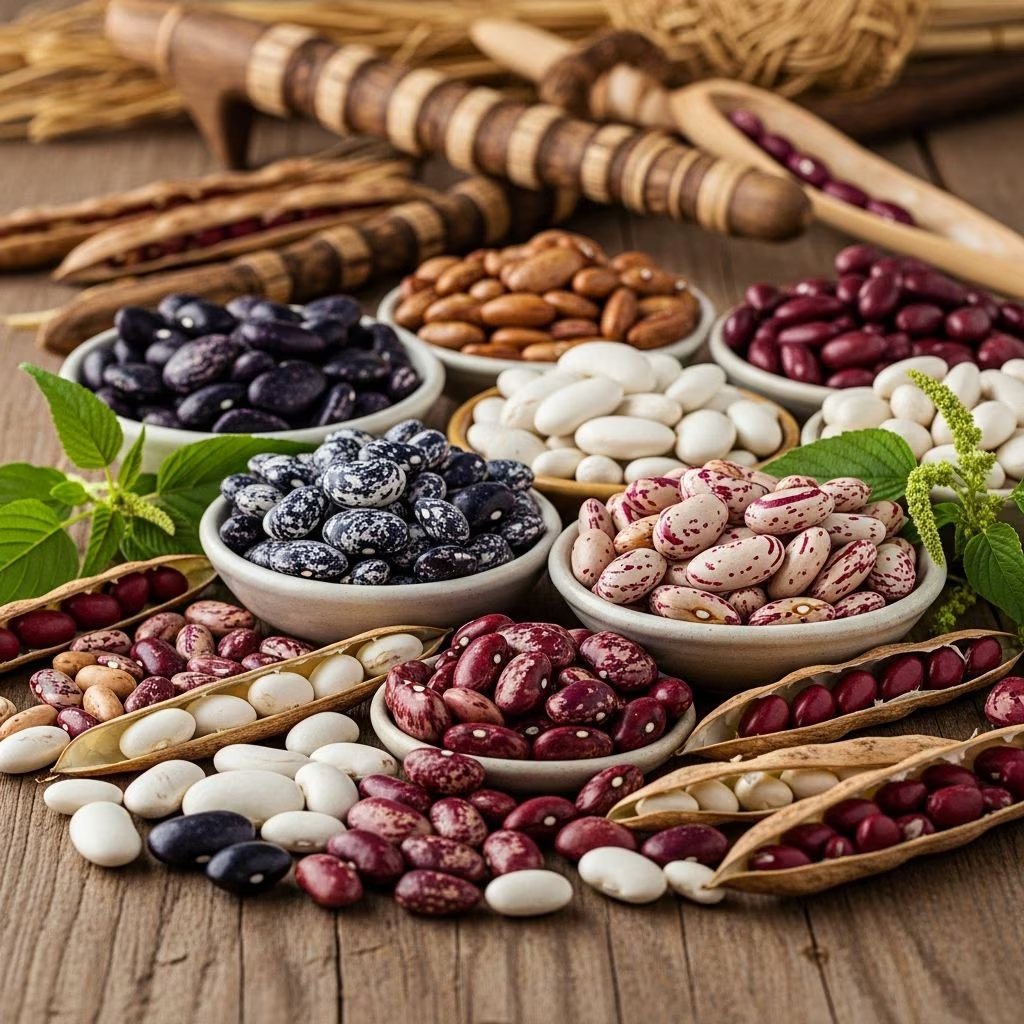
Heritage beans such as black velvet varieties represent a gateway to reclaiming indigenous culinary traditions, offering nutrient-dense, plant-based options that counter the dominance of processed and colonial-influenced foods. These legumes, deeply embedded in the Americas’ agricultural history, support health restoration and cultural identity.
The Roots of Indigenous Legumes in the Americas
Long before European contact, communities across Mesoamerica cultivated a diverse array of beans, integral to the ‘three sisters’ farming system alongside corn and squash. Black velvet beans, with their glossy ebony skins and creamy interiors, exemplify this legacy, providing protein, fiber, and essential minerals without reliance on animal products.
Archaeological evidence reveals that these beans were staples for nourishment and trade, sustaining populations through their versatility in stews, tortillas, and fermented dishes. Today, reviving them challenges the narrative of Mexican cuisine as meat-heavy, highlighting instead a plant-centric heritage.
Health Benefits Beyond the Plate
Incorporating heirloom beans into daily meals delivers profound nutritional advantages. Rich in antioxidants, folate, and resistant starch, they stabilize blood sugar, reduce inflammation, and promote gut health—key defenses against chronic conditions like diabetes and heart disease prevalent in diaspora communities.
- Protein Powerhouse: Complete amino acid profiles rival animal sources, ideal for vegan diets.
- Fiber Fortress: Supports digestion and satiety, aiding weight management.
- Micronutrient Boost: High in iron, magnesium, and potassium for energy and immunity.
Studies from agricultural extensions affirm that diverse bean varieties enhance soil health and biodiversity, mirroring sustainable ancestral practices.
From Diagnosis to Dietary Revolution
The personal journey of reclaiming these foods often begins with health crises. When faced with illness, many turn to ancestral ingredients for healing, as seen in stories of cancer survivors adopting bean-forward, plant-based eating. This shift not only aids physical recovery but also reconnects individuals to their heritage, fostering resilience.
Cooking from scratch with dried beans—sourced affordably from markets—empowers self-sufficiency, bypassing ultra-processed alternatives laden with sugars and preservatives.
Key Ingredients for Authentic Revival
Building meals around pre-colonial staples transforms ordinary kitchens into cultural hubs. Here’s a curated selection:
| Ingredient | Origin | Uses | Health Perk |
|---|---|---|---|
| Black Velvet Beans | Mesoamerica | Stews, refried, salads | Antioxidant-rich |
| Nopales (Cactus Pads) | Mexico | Grilled, soups | Blood sugar control |
| Chayote | Central America | Stir-fries, stuffed | Low-calorie hydration |
| Jicama | Mexico | Raw slices, slaws | Vitamin C boost |
| Amaranth Greens | Andes/Mesoamerica | Sautés, tacos | Iron absorption |
These elements, once everyday fare, now inspire innovative recipes that blend tradition with convenience.
Step-by-Step: Mastering Heirloom Bean Cookery
Preparing black velvet beans unlocks their full potential. Start with a simple overnight soak in water, then simmer with aromatics like onion, garlic, and epazote herb for 1-2 hours until tender.
- Rinse dried beans thoroughly to remove debris.
- Soak 8+ hours or quick-boil for 2 minutes then rest.
- Cook in fresh water with sea salt added near end to preserve texture.
- Flavor infusions: Bay leaves, cumin, or dried chiles elevate taste profiles.
For refried versions, mash with avocado oil and lard alternatives, creating velvety spreads for tostadas.
Signature Recipes to Decolonize Your Table
Velvety Black Bean Enchiladas
Fill corn tortillas with pureed black velvet beans, roll, and bake in a tomato-chile sauce topped with toasted pepitas. This dish delivers comfort without dairy overload.
- Prep: 20 min | Cook: 45 min | Serves: 4
- Key twist: Use heirloom tomatoes for deeper umami.
Cactus and Bean Stew
Simmer nopales, beans, and squash in a broth infused with wild herbs. A one-pot wonder embodying seasonal abundance.
Bean-Stuffed Chayote Boats
Hollow chayotes, fill with spiced beans and amaranth, then roast. Nutty, satisfying, and visually striking.
These recipes adapt easily, scaling for families or meal prep, emphasizing fresh, local sourcing.
Cultural Significance in Modern Contexts
Decolonizing diets extends beyond nutrition to spiritual and communal healing. By prioritizing indigenous crops, communities resist the erasure of foodways disrupted by colonization—wheat, dairy, and meats supplanted native abundance.
Seasonal eating aligns with ancestral rhythms: hearty bean stews in winter, fresh salads in summer. This cyclical approach nurtures land stewardship and food sovereignty.
Overcoming Common Challenges
Accessing heirloom beans may require ethnic markets or online seed savers, but the investment yields superior flavor and nutrition. Cooking times demand patience, yet pressure cookers modernize the process without compromising authenticity.
For beginners, start small: Swap canned beans for home-cooked in familiar dishes to build confidence.
Broader Impacts on Food Justice
Reviving these traditions promotes equity, supporting small farmers and reducing reliance on industrial agriculture. Community kitchens and seed banks amplify this movement, linking health to environmental justice.
Frequently Asked Questions
What does decolonizing your diet mean?
It involves returning to pre-colonial, plant-based foods from one’s heritage to reclaim health and cultural identity, sidelining introduced ingredients like wheat and dairy.
Are heirloom beans healthier than conventional?
Yes, they often retain more nutrients and flavor due to less hybridization, supporting better digestion and antioxidant intake.
How do I source black velvet beans?
Look for them at Latin markets, heirloom seed catalogs, or grow your own from saved seeds for sustainability.
Can kids enjoy these recipes?
Absolutely—mild flavors and fun presentations like bean quesadillas make them family-friendly.
Is this diet suitable for athletes?
High-protein beans paired with grains provide sustained energy; many report improved endurance.
Building a Sustainable Legacy
Embracing heritage beans fosters not just personal wellness but a ripple effect of cultural preservation. Gardens blooming with these legumes symbolize resistance and renewal, inviting all to partake in this flavorful reclamation.
References
- Decolonize Your Diet: Mexican-American Plant-Based Recipes for Health and Healing — Real Food Media. 2023. https://realfoodmedia.org/portfolio/decolonize-your-diet/
- If you think Mexican food is unhealthy, then you need to read this — Los Angeles Times. 2016-04-16. https://www.latimes.com/health/la-he-decolonize-your-diet-20160416-story.html
- Decolonize Your Diet: Cookbook Review — Each Green Corner. 2023-08-17. https://www.eachgreencorner.org/2023/08/17/decolonize-your-diet-cookbook-review/
- Feeding the Revolution: Claudia Serrato On Decolonizing Your Diet — Atmos. N/A. https://atmos.earth/art-and-culture/feeding-the-revolution-claudia-serrato-on-decolonizing-your-diet/
- #6 | Decolonize Your Diet — Eat Drink Think Substack. 2020-08-08. https://eatdrinkthink.substack.com/p/3984042_8-8-2020
- Decolonize Your Diet — YES! Magazine. 2017-07-13. https://www.yesmagazine.org/social-justice/2017/07/13/decolonize-your-diet