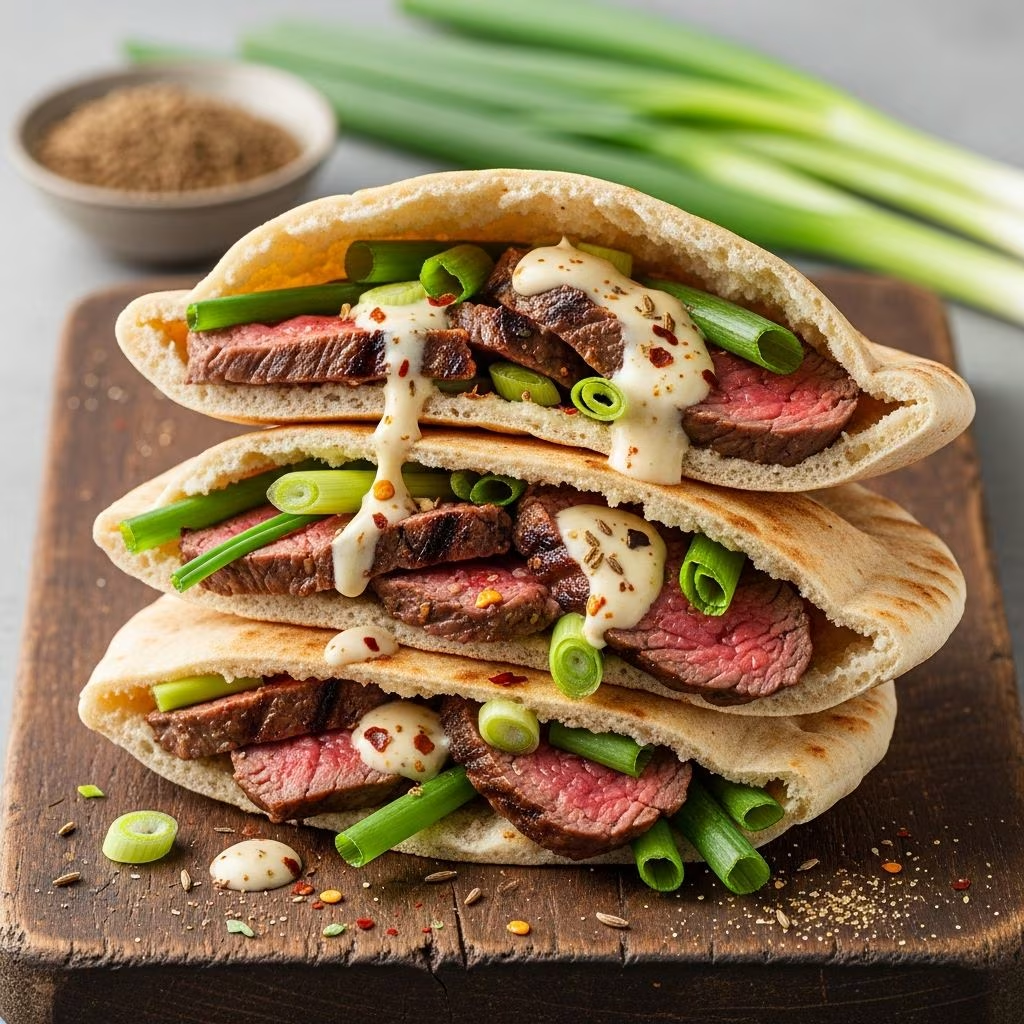
Middle Eastern cuisine has long celebrated the combination of warm spices, tender proteins, and fresh vegetables wrapped in soft bread. One standout dish that exemplifies these principles is the cumin-infused steak pita, a versatile meal that works equally well for casual weeknight dinners or impressive entertaining. The beauty of this dish lies in its simplicity—a handful of aromatic spices transform affordable cuts of beef into something remarkably sophisticated. When paired with caramelized scallions and your choice of fresh accompaniments, you create a complete meal that feels both restaurant-quality and approachable.
Understanding Your Protein: Selecting the Right Steak Cut
The foundation of exceptional pita sandwiches begins with choosing the appropriate beef cut. Skirt steak and flank steak represent the most popular choices for this preparation, each offering distinct advantages. Skirt steak, characterized by its pronounced marbling and rich flavor profile, delivers exceptional taste when properly seasoned. The intramuscular fat renders during cooking, keeping the meat remarkably tender despite its typically chewy nature. Flank steak, conversely, presents a leaner option that benefits from proper slicing technique and marinading. Both cuts work beautifully for this application because they cook quickly over high heat and slice cleanly against the grain.
When purchasing either cut, aim for steaks between 1.5 and 2 pounds, which provides ample portions for four servings. Look for meat with good color and visible marbling throughout. Ask your butcher to trim any excessive surface fat, leaving just enough to contribute flavor. The quality of your starting ingredient directly impacts the final result, so invest in the best beef you can access.
Mastering the Art of Spice Blending
Cumin serves as the aromatic anchor for this dish, but it performs best alongside complementary spices that enhance rather than overwhelm. Ground cumin contributes warmth and earthiness, creating a foundation that bridges the gap between Mediterranean and Middle Eastern flavor profiles. The optimal approach involves combining cumin with garlic, paprika, and black pepper to create a multidimensional seasoning blend. Some preparations incorporate coriander or even a whisper of cinnamon to add complexity without announcing itself explicitly on the palate.
The magic happens when you apply this spice mixture directly to the steak’s surface, allowing the flavors to penetrate during a short marinating period. Unlike lengthy marinades that can compromise texture, a quick 30-minute to 2-hour soak suffices for beef cuts this size. The spices form a flavorful crust during cooking, caramelizing beautifully and concentrating their aromatic qualities. This approach differs significantly from soaking the meat for extended periods, which can actually break down proteins excessively and result in mushy texture.
The Marinade Foundation: Building Flavor Without Dominance
A well-constructed marinade balances acid, fat, and seasonings to enhance rather than mask beef’s natural qualities. Combine your spice blend with extra-virgin olive oil, which carries the aromatics into the meat while contributing its own subtle flavor notes. Acidic components like lemon juice or lime juice help tenderize the exterior while adding brightness that complements the warming spices. Fresh garlic, whether minced or pressed, intensifies the aromatic profile considerably.
The ratio should lean toward simplicity: approximately 3 tablespoons of olive oil, 2-3 tablespoons of fresh citrus juice, 2-3 teaspoons of cumin, 1 teaspoon of paprika, 1 teaspoon of salt, and ½ teaspoon of black pepper creates an effective base. Fresh herbs like cilantro or parsley, while optional, add a bright counterpoint to the warm spices. Apply this marinade evenly across all surfaces of your steak, ensuring it penetrates crevices and flat areas alike.
Preparing Your Steak: Techniques for Optimal Results
Preparation directly precedes cooking by just 30 minutes to 2 hours—avoid preparing the night before, as extended marinating can negatively impact texture. Pat your steak dry with paper towels before applying the marinade; excess moisture prevents proper spice adhesion and interferes with browning. For particularly thick steaks, consider pricking the surface all over with a paring knife, which creates channels for the marinade to penetrate deeper into the meat.
Before cooking, remove your steak from refrigeration 15-20 minutes prior to heat application. This ensures even cooking throughout—cold meat straight from the refrigerator develops an overcooked exterior before the interior reaches appropriate doneness. Room-temperature steak cooks more predictably and develops superior crust development.
Cooking Methods: Cast Iron Versus Grill
Two excellent cooking approaches suit this dish equally well, each imparting slightly different characteristics. Cast-iron skillet cooking on your stovetop provides precise temperature control and works year-round regardless of weather. Heat your cast-iron skillet over medium-high heat until nearly smoking—approximately 3-5 minutes on most stovetops. Place your prepared steak in the dry skillet and allow it to sear undisturbed for 2-3 minutes, developing a flavorful brown crust. Flip and cook the opposite side for another 2-3 minutes, then reduce heat slightly and continue cooking to your target temperature.
Grilling over medium heat offers the advantage of beautiful char marks and distinctive smoky undertones. Oil your grill grates thoroughly to prevent sticking, then place your prepared steak over medium coals or medium gas-grill heat. Allow 11-16 minutes of covered grilling, turning occasionally to ensure even cooking. The exposed flame creates caramelization that enhances the cumin’s natural warmth.
Regardless of method, aim for an internal temperature of 140-145°F (medium-rare), measured with an instant-read thermometer at the thickest point. Remember that meat continues cooking slightly after removal from heat, so aim for the lower end of your target range. Allow your steak to rest for 5-10 minutes before slicing—this settling period allows juices to redistribute, ensuring moistness throughout each bite.
Mastering the Scallion Component
Scallions deserve equal attention in your preparation timeline. Trim the roots and yellowed tops from one generous bunch of scallions, leaving the white and light-green portions intact. Brush lightly with olive oil and season with a pinch of salt and pepper. Place these on your grill alongside the steak during the final few minutes of cooking, allowing the exteriors to char while the interiors remain tender and slightly creamy. If cooking indoors, you can char scallions in the same cast-iron skillet after removing the steak, cooking them over high heat until blackened spots appear.
Charring transforms scallions from a simple garnish into a flavorful component that complements the cumin-spiced beef beautifully. The high heat creates caramelized edges while the onion’s natural sweetness intensifies. These charred scallions should remain substantial enough to contribute texture and structure to your finished pita.
Slicing and Serving: Technique Matters
After your steak rests, slicing technique becomes paramount. Identify the grain direction—visible lines running through the meat—and slice against this direction rather than parallel to it. Cutting against the grain shortens muscle fibers, resulting in perceived tenderness even with tougher cuts. Use a sharp knife and aim for slices between ¼-inch and ½-inch thick. Your knife should glide through the meat rather than requiring pressure or sawing motions.
Stack your warm pitas on a clean surface and spread with your chosen base—hummus provides a classic option, while tahini offers another authentic choice. Layer your cumin-spiced beef slices on this foundation, then arrange charred scallions alongside. Now add your preferred fresh components: diced tomatoes, sliced cucumbers, additional fresh herbs like mint or cilantro, thinly sliced onions, or even a crumbled cheese like feta.
Fresh Accompaniments and Toppings
The interplay between warm spiced beef and cool, fresh vegetables creates the dish’s essential balance. Consider these component options:
- Diced tomatoes mixed with fresh lemon juice and olive oil
- Sliced cucumbers, preferably Persian varieties for their delicate seeds and tender texture
- Thinly sliced red onions, optionally quick-pickled in lime juice for added brightness
- Fresh herbs including cilantro, parsley, mint, or a combination
- Crumbled feta cheese for tangy contrast
- Tahini sauce thinned with lemon juice and water for drizzling
- Hummus spread as a creamy binding element
Storing and Make-Ahead Strategies
While this dish achieves optimal results when assembled shortly before serving, components can be prepared ahead. Store your spice-rubbed steak in an airtight container in the refrigerator for up to 8 hours before cooking. Pre-cut vegetables should be stored in separate containers with paper towel moisture absorption. Warm your pitas briefly before assembly—either wrapped in a clean kitchen towel over steam or warmed in a dry skillet—to ensure they remain pliable and pleasant to eat.
Frequently Asked Questions
Can I use flank steak instead of skirt steak?
Absolutely. Flank steak works beautifully for this preparation, though it’s leaner so benefits from marinading. Follow identical cooking times and temperatures, and always slice against the grain for optimal tenderness.
What’s the best way to warm pitas without drying them?
Wrap pitas in a clean, damp kitchen towel and warm them in a 300°F oven for 5-7 minutes, or briefly heat them in a dry skillet over medium heat for 30 seconds per side.
Can I prepare this on the stovetop exclusively?
Yes. Cook your steak in a preheated cast-iron skillet over medium-high heat, then char scallions in the same pan afterward. You’ll achieve excellent results without any grilling equipment.
Should I marinate the steak overnight?
No. Extended marinating—beyond 2 hours—can compromise texture. The spice-based marinade works quickly, with 30 minutes to 2 hours providing optimal flavor penetration without texture degradation.
What internal temperature should I target?
Aim for 140°F on your thermometer for medium-rare beef. The temperature will rise slightly during resting, reaching approximately 145°F, the ideal final temperature for this dish.
Scaling Up for Entertaining
This recipe multiplies gracefully for larger gatherings. For eight servings, prepare two identical steaks simultaneously, allowing each its own cooking space to develop proper browning. Pre-assemble all fresh components on separate platters, allowing guests to customize their pitas according to preference. This approach transforms dinner service into an interactive experience where each person constructs their ideal sandwich.
Flavor Variations and Adaptations
While cumin remains the dominant spice, experimentation opens interesting possibilities. Consider adding smoked paprika for deeper complexity, or incorporate a small amount of ground coriander for floral notes. Some cooks enjoy a whisper of cayenne pepper for gentle heat, though this remains optional. The foundational technique remains constant while spice proportions shift based on personal preference.
References
- Middle Eastern Steak Pitas — The Amiable Cooks. 2024. https://theamiablecooks.com/middle-eastern-steak-pitas/
- Mediterranean Beef Flank Steak Pitas — Wisconsin Beef Council. 2024. https://www.youtube.com/watch?v=B8T2yI3-x9c
- Adobo Grilled Flank and Scallion Pitas — Better Than Bouillon. 2024. https://www.betterthanbouillon.com/recipes/adobo-grilled-flank-and-scallion-pitas/
- Cumin Steak and Scallion Pitas Recipe — Bon Appétit. 2024. https://groups.io/g/Mixed-Recipes-Galore/topic/cumin_steak_and_scallion/108083751