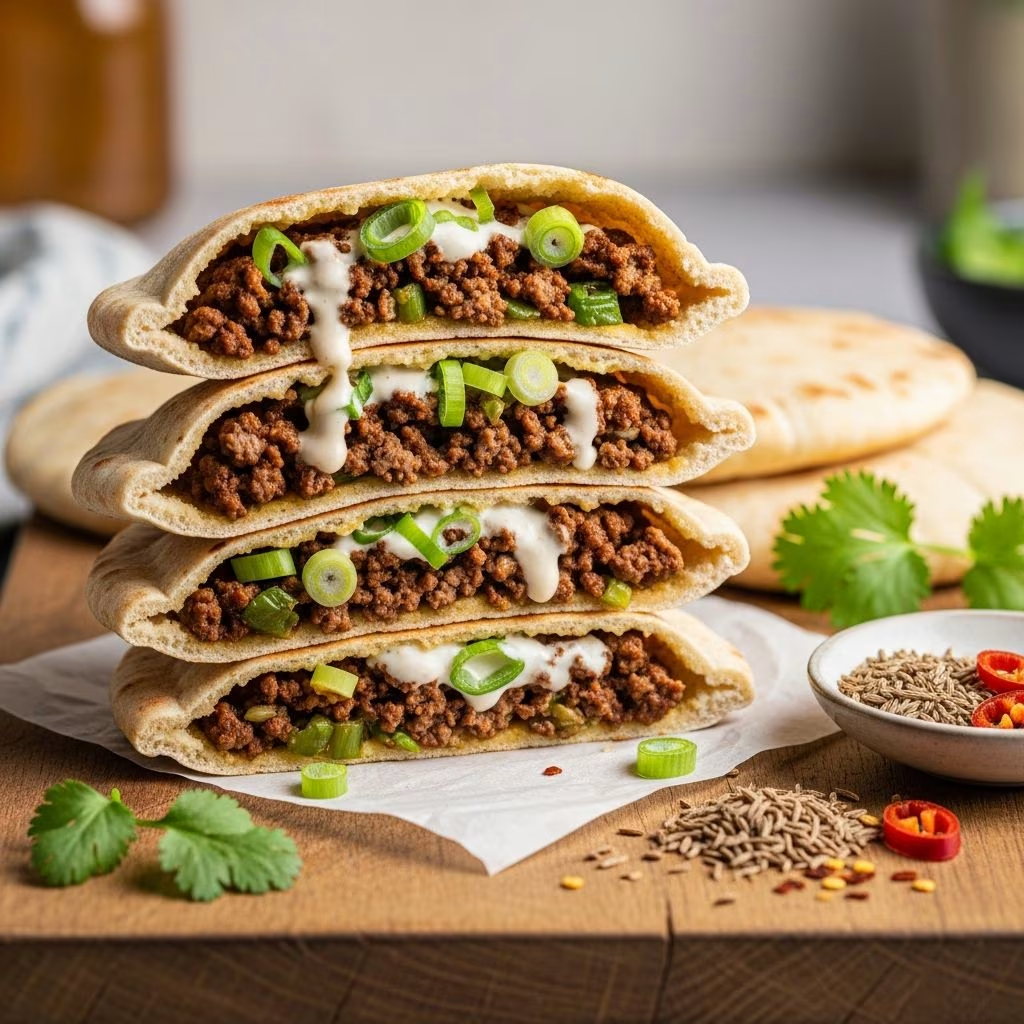
When it comes to creating an impressive meal that feels restaurant-quality yet remains achievable in a home kitchen, few dishes deliver the combination of simplicity and sophistication found in cumin-spiced beef and scallion pitas. This dish marries the warmth of aromatic spices with the freshness of grilled vegetables, all nestled within soft pita bread. Whether you’re planning a weeknight dinner or preparing food for guests, this recipe offers a satisfying and memorable eating experience.
Understanding the Star Ingredient: The Beef Cut
The foundation of any successful pita dish begins with selecting the appropriate cut of beef. For this preparation, flank steak or skirt steak serves as the ideal choice. These cuts possess several advantageous characteristics that make them particularly suited to this cooking method. Both cuts feature significant connective tissue and muscle fibers that, when properly treated, become tender and flavorful. The natural marbling and texture of these cuts allow them to absorb marinades effectively while maintaining their structural integrity during cooking.
Flank steak typically weighs between 1.5 to 2 pounds and works well when sliced thinly against the grain. This slicing technique proves crucial because it shortens the muscle fibers, resulting in a more tender bite. The grain of the meat refers to the direction in which the muscle fibers run; cutting perpendicular to this direction maximizes tenderness. Before slicing, allow the cooked steak to rest for several minutes, which permits the juices to redistribute throughout the meat, ensuring moisture retention in each bite.
The Flavor Profile: Cumin and Beyond
Cumin forms the aromatic cornerstone of this dish, providing an earthy, slightly warm flavor that distinguishes Mediterranean and Middle Eastern cuisines. This spice derives from the seeds of the Cuminum cyminum plant and has been utilized in cooking for thousands of years. The compound responsible for cumin’s distinctive flavor profile is cuminaldehyde, which creates the spice’s characteristic warm and slightly nutty taste.
Beyond cumin, this recipe typically incorporates complementary spices and aromatics that layer complexity into the final dish. Garlic, either fresh or powdered, adds pungency and depth. Fresh herbs like cilantro or parsley contribute brightness and freshness that balances the earthiness of the spices. Some variations include paprika for subtle smokiness or a hint of cayenne for gentle heat. The combination of these elements creates a harmonious spice blend that enhances rather than overwhelms the natural beef flavor.
Preparing the Marinade: Building Flavor Foundation
A successful marinade transforms the beef by infusing it with flavor and promoting tenderness through chemical processes. The typical cumin-based marinade combines several key components that work synergistically:
- Acid source: Lemon juice or vinegar breaks down protein structures, facilitating both flavor penetration and texture modification
- Oil: Extra-virgin olive oil carries fat-soluble flavor compounds and prevents the meat from drying during cooking
- Spices: Cumin, garlic, and complementary seasonings create the distinctive flavor profile
- Salt: Enhances flavor perception and aids in moisture retention within the meat
To prepare the marinade, combine your chosen spices with minced garlic and then whisk in lemon juice and olive oil. The proportions typically call for approximately 2 to 3 tablespoons of olive oil per pound of meat, combined with ¼ cup acid and 1 to 2 teaspoons of cumin. After preparing this mixture, place the beef in a food-safe container and coat thoroughly, ensuring the marinade contacts all surfaces. For optimal flavor development, marinate for a minimum of 2 hours, though overnight marination produces superior results. The extended time allows the spices to thoroughly permeate the meat fibers.
Handling Scallions: Preparation and Cooking Techniques
Scallions, also known as green onions, contribute a mild onion flavor with fresh, slightly sweet notes. Unlike their larger bulb-onion relatives, scallions remain tender when cooked quickly over high heat. For this preparation, trim the white root ends and any yellowed or damaged portions of the green tops. Rinse thoroughly under cool water to remove any soil or debris trapped between the layers.
When grilling or cooking scallions, consider their delicate nature. Whole scallions should be arranged perpendicular to grill grates to prevent them from falling through. Brush lightly with olive oil to prevent sticking and promote browning. Cook for approximately 2 to 3 minutes over direct heat, turning occasionally, until the white portions begin to soften and the green tops show light charring. This brief cooking time preserves the scallion’s natural sweetness while developing caramelized flavors from the heat.
Cooking Methods: From Stovetop to Grill
This dish accommodates multiple cooking approaches, allowing flexibility based on available equipment and weather conditions. The stovetop method involves heating a cast-iron or heavy-bottomed skillet over medium-high heat until quite hot. Once the surface shimmers slightly, add the marinated beef in a single layer, allowing it to make direct contact with the hot surface. Resist the urge to move the meat frequently; let it cook undisturbed for 2 to 3 minutes on the first side to develop a caramelized exterior. Turn and cook the second side for an additional 2 to 3 minutes until the internal temperature reaches 130 to 135 degrees Fahrenheit for medium-rare. Remove the beef from heat and allow it to rest on a clean cutting board.
Grilling offers an alternative method that imparts additional smoky complexity. Preheat a gas or charcoal grill to medium-high heat. Remove the beef from the marinade and arrange it in a single layer across the grates. Grill for approximately 3 to 4 minutes on the first side, then flip and cook for an additional 2 to 3 minutes for medium-rare doneness. The grill’s radiant heat creates attractive char marks while cooking the interior evenly.
Assembling Fresh Accompaniments
While the beef cooks, prepare fresh components that provide textural contrast and brightness to the finished dish. Dice ripe tomatoes, releasing excess moisture into a strainer to prevent soggy pitas. Peel and chop cucumbers into bite-sized pieces. If available, add crumbled feta cheese for creamy saltiness or prepare a simple tahini sauce by whisking tahini with lemon juice, garlic, and water until pourable.
Fresh herbs elevate the final presentation considerably. Chopped cilantro, parsley, or mint add aromatic freshness and visual appeal. Red onions, finely sliced, provide sharp bite that cuts through the richness of the beef. Consider preparing a simple salad component by tossing these fresh ingredients with olive oil, lemon juice, and salt at least 15 minutes before service, allowing flavors to meld.
Pita Bread Selection and Preparation
The choice of bread significantly impacts the eating experience. Traditional pocket pitas provide convenient vessels for filling and contain the components neatly. Alternatively, pocketless flatbread varieties offer a different textural experience. Some cooks prefer lavash, a thin Armenian flatbread, or even naan for variations on the traditional approach.
To warm pitas, wrap them in foil and place in a 350-degree Fahrenheit oven for 5 to 7 minutes, or briefly warm them directly over a gas flame or on a hot skillet. This warming restores pliability and enhances their flavor through gentle toasting. For grilling, brush lightly with olive oil and char each side for approximately 1 minute until light golden marks appear.
Assembly and Service Strategy
Begin assembly by spreading a thin layer of tahini sauce or hummus along the interior of the warm pita. Add a portion of the rested, sliced beef, followed by grilled scallions. Layer the fresh vegetable components and scatter fresh herbs across the top. Some diners appreciate a dollop of Greek yogurt for cooling creaminess, while others prefer additional lemon juice squeezed over the filling for brightness.
Serving Suggestions and Complementary Sides
These pitas serve as impressive main courses for casual gatherings or everyday dinner. Pair with simple side dishes that don’t compete with the carefully balanced flavors. A Mediterranean salad featuring mixed greens, feta, olives, and vinaigrette provides vegetable content and refreshment. Hummus with raw vegetables offers a lighter accompaniment. Alternatively, serve with warm rice pilaf or roasted potatoes for guests preferring heartier sides.
Storage and Make-Ahead Considerations
The marinade can be prepared up to 24 hours in advance and refrigerated until cooking time. The cooked beef slices remain fresh in an airtight container for up to 3 days, making this an excellent choice for meal preparation. Reheat gently in a skillet over medium heat, adding a tablespoon of water or broth to prevent drying. Fresh components like tomatoes and cucumbers should be prepared no more than a few hours before service to maintain optimal texture and flavor.
Flavor Variations and Creative Adaptations
While the classic cumin preparation remains satisfying, several variations expand the dish’s possibilities. Substitute the cumin with sumac for bright, lemony tang, or incorporate za’atar spice blend for Middle Eastern authenticity. Those preferring heat can add jalapeño to the marinade or scatter red pepper flakes across the finished pita. For Mediterranean variations, replace some cumin with oregano and add sun-dried tomatoes to the fresh components.
Frequently Asked Questions
Can I prepare this dish in advance?
Yes. Marinate the beef up to 24 hours ahead. Cook the beef and store in the refrigerator for up to 3 days. Assemble pitas fresh to order for optimal texture, or prepare components separately and allow guests to assemble their own.
What if I don’t have skirt or flank steak?
Other thin cuts work adequately, including sirloin tip, strip steak, or even thinly sliced chicken breast. Adjust cooking times accordingly based on cut thickness and protein type.
How do I know when the beef is cooked properly?
Use an instant-read meat thermometer inserted into the thickest portion. Medium-rare registers 130 to 135 degrees Fahrenheit; medium registers 135 to 145 degrees Fahrenheit.
Can I make this vegetarian?
Absolutely. Substitute the beef with grilled portobello mushroom slices or seasoned chickpeas pressed and crisped in a hot skillet. The cumin-based marinade works equally well with plant-based proteins.
What beverages pair well with this dish?
Light Mediterranean wines like Sauvignon Blanc or rosé complement the fresh ingredients. Alternatively, consider chilled citrus beverages, sparkling water with lemon, or refreshing iced tea.
References
- Middle Eastern Steak Pitas — The Amiable Cooks. https://theamiablecooks.com/middle-eastern-steak-pitas/
- Mediterranean Beef Flank Steak Pitas — Wisconsin Beef Council. https://www.youtube.com/watch?v=B8T2yI3-x9c
- Adobo Grilled Flank and Scallion Pitas — Better Than Bouillon. https://www.betterthanbouillon.com/recipes/adobo-grilled-flank-and-scallion-pitas/