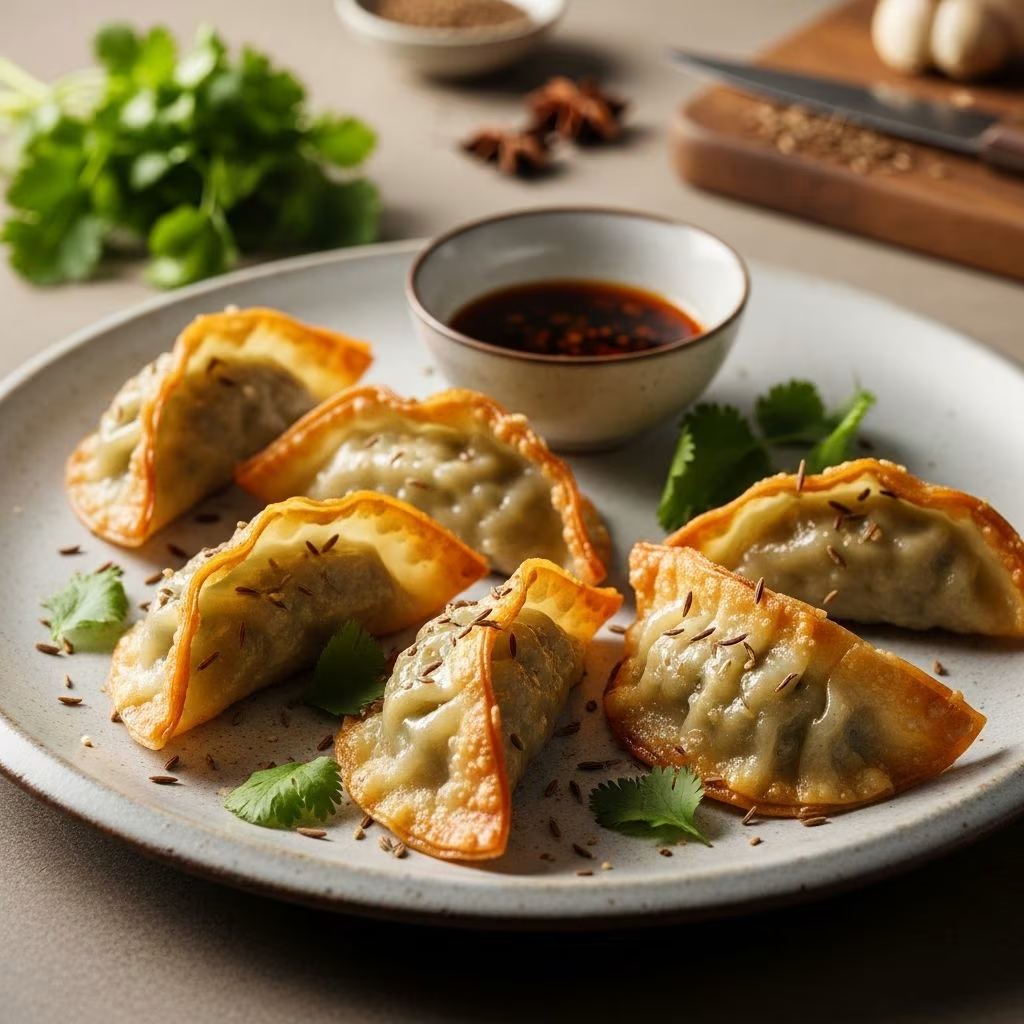
Cumin lamb potato wontons represent a fascinating intersection of Asian culinary traditions and bold spice profiles. These delicate parcels combine the aromatic warmth of ground lamb, earthy potato, and fragrant cumin into bite-sized packages wrapped in delicate wonton skins. Whether you’re preparing them for a special occasion or exploring new cooking techniques, understanding the fundamentals of wonton preparation will elevate your kitchen skills and impress your guests.
Understanding Wontons and Their Culinary Heritage
Wontons are a cornerstone of Asian cuisine, particularly in Chinese and Southeast Asian cooking traditions. These small dumplings evolved as an economical way to use minimal ingredient quantities while creating maximum flavor impact. The wonton wrapper itself—typically made from wheat flour, eggs, and water—provides a delicate vessel that cooks quickly and absorbs surrounding flavors beautifully.
The beauty of wonton preparation lies in its versatility. While traditional recipes often feature pork or shrimp fillings, contemporary interpretations have expanded to embrace proteins like lamb, which brings a deeper, more complex flavor profile to the traditional form. The introduction of aromatic spices like cumin transforms these humble dumplings into sophisticated appetizers or main course components.
Essential Ingredients for Success
The Core Filling Components
Creating an exceptional wonton filling requires balancing proteins, aromatics, seasonings, and textural elements. Ground lamb serves as your primary protein base, offering a rich, distinctive flavor that distinguishes these wontons from lighter seafood or poultry variations. The lamb’s natural fat content contributes to moisture and taste complexity.
Potatoes in the filling provide earthiness and help bind ingredients while creating subtle textural contrast. When minced finely and combined with ground lamb, potatoes add body to the mixture without overwhelming the lamb’s natural character. This combination creates a more substantial filling than lamb alone would provide.
Aromatics and Flavor Builders
- Fresh ginger: Grated ginger adds warmth and brightness, cutting through the lamb’s richness while contributing antimicrobial properties valued in traditional cooking.
- Garlic: Minced garlic provides pungency and depth, acting as a flavor amplifier that enhances all surrounding ingredients.
- Scallions: Fresh scallions contribute mild onion notes and color while adding textural interest to the filling.
- Cilantro: Fresh cilantro leaves introduce herbaceous notes that balance the filling’s heavier components.
- Cumin: Ground cumin delivers the signature warmth and earthiness that defines this particular wonton variation.
Supporting Ingredients and Flavor Enhancers
Soy sauce or coconut aminos provide umami depth and saltiness, seasoning the filling comprehensively. Sesame oil contributes aromatic richness and helps bind ingredients together, while also adding complexity on the palate. These Asian staple condiments work synergistically to create balanced, well-rounded flavor profiles.
Detailed Filling Preparation Process
Ingredient Preparation Steps
Before combining your filling ingredients, proper preparation of each component ensures even distribution and optimal flavor development. Begin by grating fresh ginger using a microplane or box grater, which creates fine, evenly-sized pieces that integrate smoothly into the lamb mixture. Fresh ginger prepared this way releases its oils more effectively than minced ginger.
Mince garlic cloves to uniform sizes, aiming for pieces no larger than peppercorn-sized. This consistency ensures even cooking and prevents large garlic chunks from overwhelming individual bites. For scallions, slice thinly and separate white and light green portions from darker green tops—use both, though the lighter portions provide more subtle flavor.
Fresh potatoes should be peeled and finely minced into uniform pieces roughly the size of grains of rice. If your potatoes are particularly watery, lightly squeeze them in paper towels to remove excess moisture, preventing your filling from becoming too wet. Finely chop fresh cilantro just before adding it to your mixture to preserve its volatile aromatic compounds.
Combining Ingredients for Optimal Texture
In a medium-sized mixing bowl, combine your ground lamb with the prepared aromatics, cumin, and supporting ingredients. Mix gently but thoroughly using a fork or your fingers, ensuring even distribution of all components. Overmixing can develop gluten in any flour residue on your hands or bowl surface, potentially making the filling dense.
The filling should hold together loosely when pressed but shouldn’t appear paste-like or uniform in color. You should still distinguish individual potato pieces and aromatics throughout the mixture. A well-textured filling indicates proper preparation and will yield wontons with better mouthfeel and flavor distribution.
Wonton Assembly Techniques
Setting Up Your Work Station
Efficient wonton assembly requires organized workspace design. Arrange your ingredients in the following order: wonton wrappers in a small stack to your left, a small bowl of water at center position, and your filling bowl nearby. Have a clean, dry work surface large enough to hold finished wontons without them touching. Many cooks line a baking sheet with parchment paper for easy storage and freezing if needed.
Step-by-Step Wrapping Instructions
Place a single wonton wrapper on your work surface and position it as a diamond shape, with one corner pointing toward you. Add approximately one teaspoon of filling to the wrapper’s center—consistency in filling quantity ensures even cooking and professional appearance. Using too much filling makes sealing difficult and can cause wontons to burst during cooking.
Dip your finger into the water bowl and lightly dampen all edges of the wrapper. The moisture acts as an adhesive that helps seal the delicate dough. Bring the corner pointing toward you up and over the filling, pressing firmly to seal and create a triangle shape. Ensure no air pockets remain between layers.
Next, bring the two remaining corners of your triangle together at the base where they meet behind the filling. Press firmly to seal, creating the traditional wonton shape where the wrapper now forms a small purse with a point at the top. This distinctive shape isn’t merely aesthetic—it optimizes water circulation around the wonton during cooking, ensuring even heat transfer.
Cooking Methods and Timing
Boiling: The Traditional Approach
Bring a large pot of generously salted water to a rolling boil. Add wontons carefully one at a time, stirring gently with a wooden spoon to prevent sticking to the pot bottom. The water should return to a boil within thirty seconds of adding wontons.
Cook for three to four minutes total. Wontons indicate completion when they float to the surface and remain afloat for an additional thirty seconds. At this stage, the wrapper is fully cooked and the lamb has reached safe internal temperatures. Remove with a slotted spoon and transfer to a towel-lined plate to drain excess water.
Achieving Crispy Exteriors
For textural contrast, heat a shallow pan over medium heat and add one tablespoon of ghee, tallow, or lard—traditional fats that withstand higher temperatures without smoking. Place cooled boiled wontons into the pan in a single layer and cook until the exterior achieves golden-brown color on both sides, approximately two to three minutes total. This finishing technique creates textural complexity while maintaining the filling’s tenderness.
Creating Complementary Sauces and Dressings
Chili Oil Foundation
Chili oil serves as the perfect complement to cumin lamb wontons, providing heat and aromatic complexity. In a heatproof bowl, combine finely minced garlic, chili flakes, and black pepper. Heat neutral oil with additional chili oil in a small pan until it reaches approximately 275 degrees Fahrenheit—the oil should shimmer noticeably but not smoke.
Carefully pour the hot oil over your garlic mixture, standing back slightly as the mixture will sizzle. This blooming process develops the garlic’s sweetness while infusing the oil with aromatic compounds. After cooling for five minutes, add soy sauce, rice vinegar, and a small amount of broth or water to extend the sauce and balance flavors. The resulting dipping sauce should taste complex—simultaneously spicy, savory, tangy, and aromatic.
Optional Complementary Sauces
Beyond chili oil, several other sauces complement cumin lamb wontons effectively. A simple combination of soy sauce with rice vinegar and a touch of sesame oil creates a lighter alternative. Sweet soy sauce (kecap manis) mixed with lime juice provides complex sweetness balanced by citrus brightness. Fresh cilantro-lime sauce made from blended cilantro, lime juice, and neutral oil offers herbaceous freshness that cuts through the wontons’ richness.
Presentation and Serving Strategies
Plating Techniques
Arrange cooked wontons on shallow bowls or plates, creating slight height variation for visual interest. For family-style service, consider using a larger platter and drizzling chili oil decoratively across the surface. Fresh garnishes transform simple presentations into restaurant-quality dishes.
Garnish Elements
- Toasted sesame seeds: Provide subtle nuttiness and textural crunch
- Scallion slices: Offer color contrast and fresh onion notes
- Fresh cilantro: Adds herbaceous brightness and visual appeal
- Cumin seeds: Echo the filling’s dominant spice and add visual distinction
- Red chili flakes: Indicate heat level and add visual drama
Storage and Make-Ahead Strategies
Freezing Uncooked Wontons
Freshly assembled wontons freeze excellently for several weeks. Arrange them in a single layer on a parchment-lined baking sheet without touching, then freeze until solid. Transfer frozen wontons to freezer bags for space-efficient storage. Cook frozen wontons directly from the freezer without thawing—simply extend cooking time by one minute due to the frozen filling’s slower heat penetration.
Storing Cooked Wontons
Cooked wontons maintain quality in the refrigerator for up to three days when stored in an airtight container. Reheat gently in simmering water for two minutes or in a low oven to prevent wrapper toughening. Sauce separately when reheating to prevent sogginess.
Frequently Asked Questions
What lamb cut produces the best filling?
Ground lamb prepared from shoulder or leg portions works best. These cuts contain sufficient fat content to create flavorful, moist wontons without excessive greasiness. If purchasing pre-ground lamb, verify fat content hasn’t been trimmed excessively.
Can I substitute other vegetables for potato?
Yes, though results vary. Finely minced mushrooms, water chestnuts, or bamboo shoots provide textural interest. Reduce quantity of any substitute ingredient compared to potato, as they may release more moisture during cooking.
How do I prevent wontons from sticking together?
Dust finished wontons lightly with cornstarch before storage. This prevents wrapper stickiness without affecting cooking. Ensure wontons aren’t touching during freezing by freezing on sheet pans before transferring to bags.
What’s the ideal internal temperature for lamb wontons?
Lamb reaches food-safe temperature at 160 degrees Fahrenheit for ground lamb. Use an instant-read thermometer to verify internal filling temperature, especially when teaching others or working with particularly thick wontons.
Flavor Customization Options
While cumin provides the signature spice profile, experimentation yields delicious variations. Adding Sichuan peppercorns introduces numbing spiciness and complexity. A pinch of cinnamon or five-spice powder adds subtle sweetness and warmth. For deeper cumin emphasis, toast whole cumin seeds briefly and grind them fresh before adding to the filling.
Regional variations might include North African-inspired additions like ground coriander or paprika, or Middle Eastern elements like dried lime. These modifications allow creative expression while maintaining the fundamental cumin lamb potato wonton concept.
References
- Lamb Wontons with Chili Oil — American Lamb Board. 2024. https://americanlamb.com/recipes/lamb-wontons-with-chili-oil/
- Asian Lamb Wonton Salad — Blooming Joy Farm. 2024. https://bloomingjoyfarm.com/asian-lamb-wonton-salad/
- Win Son’s Lamb Wontons — Cooks Without Borders. 2024. https://cookswithoutborders.com/win-son-lamb-wontons
- Real-Deal Xinjiang Cumin Lamb — Omnivore’s Cookbook. 2024. https://omnivorescookbook.com/cumin-lamb/