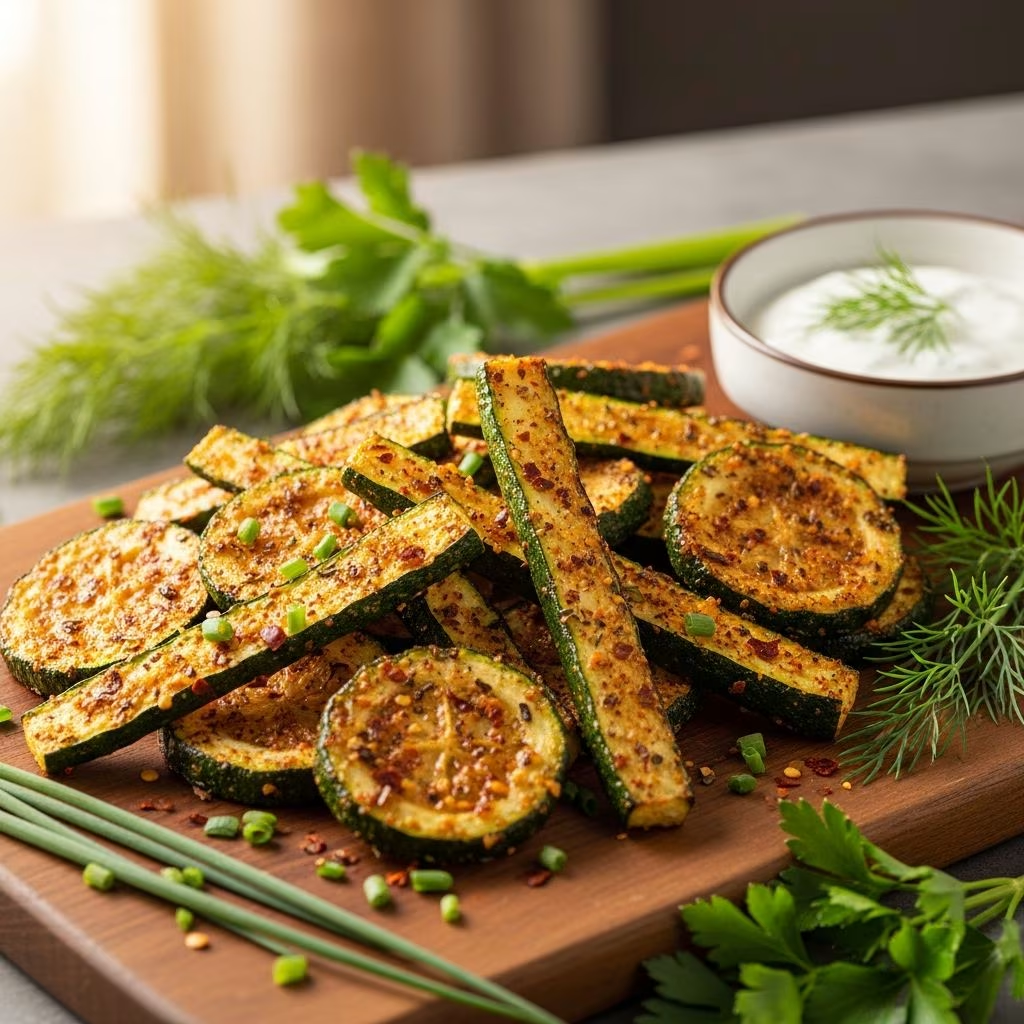
Finding nutritious snacks that appeal to both adults and children can be challenging, especially when trying to reduce reliance on processed options. One solution lies in transforming everyday produce into something extraordinary. Zucchini, a versatile summer vegetable often overlooked in snack preparations, becomes an entirely different culinary experience when properly prepared with the right seasonings and cooking techniques. These crispy vegetable chips deliver the satisfying crunch of traditional potato snacks while providing the nutritional benefits of fresh vegetables.
Why Zucchini Makes an Exceptional Snacking Ingredient
Zucchini possesses unique characteristics that make it ideal for creating chip-like snacks. The vegetable contains high water content, which when properly managed through careful preparation and cooking techniques, evaporates to create a genuinely crispy texture. Unlike starchy alternatives, zucchini provides a lighter snacking option that won’t leave consumers feeling overly full or sluggish.
The mild flavor profile of zucchini serves as a perfect canvas for savory seasonings. When combined with aromatic herbs and spices, zucchini readily absorbs these flavors, resulting in deeply seasoned snacks that satisfy cravings for bold tastes without excessive sodium or artificial additives. Additionally, zucchini delivers valuable nutrients including vitamin C, potassium, and dietary fiber, making these snacks a genuinely healthful choice for mindful eaters.
Essential Components and Quality Selection
Creating successful zucchini snacks begins with understanding the role each ingredient plays in the final product. The selection and preparation of each component directly influences texture, flavor, and overall eating experience.
Selecting and Preparing Fresh Zucchini
The quality of your finished snack depends significantly on choosing appropriate zucchini. Smaller specimens, typically six to eight inches in length, tend to have fewer seeds and thinner skin than larger varieties, resulting in superior texture once cooked. When examining zucchini at the market, select firm vegetables without soft spots or blemishes. The skin should appear bright and unblemished.
Preparation begins with thorough washing under cool running water to remove any surface dirt or debris. Pat the zucchini completely dry with paper towels before slicing, as excess moisture can prevent proper crisping during cooking. The thickness of your slices dramatically affects final results. Thin slices, approximately one-eighth inch thick, cook more evenly and achieve superior crispness compared to thicker cuts. A mandoline slicer produces the most consistent results, though a sharp knife works adequately for those without specialized equipment.
Flavor Foundation: Seasoning Combinations
While savory ranch-style seasonings represent the most popular preparation method, zucchini chips accommodate numerous flavor profiles. The beauty of this snack lies in its versatility, allowing customization based on personal preferences or available ingredients.
The core savory approach relies on combining ranch seasoning with complementary flavors. This blend typically incorporates dried herbs such as dill and parsley alongside garlic and onion powders. Other preparations expand this foundation with Parmesan cheese for umami depth, or incorporate breadcrumb coatings for textural contrast. Some recipes introduce spice elements through paprika, cayenne pepper, or Italian herb blends.
Multiple Cooking Methods for Achieving Optimal Crispness
Different cooking techniques produce varied results, offering flexibility based on available equipment and time constraints. Understanding the characteristics of each method enables selection of the approach best suited to your circumstances.
Traditional Oven Baking
Conventional oven preparation represents the most accessible method for most home cooks. Begin by preheating your oven to 250 degrees Fahrenheit for a slower, more controlled cooking process that minimizes browning while maximizing moisture evaporation. This gentle heat allows zucchini slices to dry thoroughly without burning.
Arrange prepared zucchini slices in a single layer on baking sheets lined with silicone mats or parchment paper. Avoid crowding, as proper air circulation proves essential for even cooking. The initial baking phase typically requires 45 minutes. Following this initial period, flip each slice carefully and continue baking for an additional 10 to 20 minutes, monitoring closely as cooking times vary based on slice thickness and oven characteristics. The snacks are ready when fully dried and beginning to show light browning at the edges.
Air Fryer Preparation
Air fryers have revolutionized quick snack preparation by dramatically reducing cooking times while delivering exceptional crispness. Preheat your air fryer basket to 400 degrees Fahrenheit. Arrange seasoned zucchini slices in a single layer, avoiding overlap. Cook for four to five minutes, then carefully flip each slice and continue cooking for another four to five minutes until slices achieve desired browning and crispness. The entire process requires approximately ten minutes, making this method ideal for last-minute snack preparation.
Breaded and Baked Variation
For those preferring added textural complexity, applying a breadcrumb coating creates a more substantial snack. This method involves a two-step breading process similar to traditional fried foods, but baked for healthier results. Prepare dredging stations with beaten egg whites in one bowl and a mixture of breadcrumbs combined with grated Parmesan cheese and ranch seasoning in another. Dip each zucchini slice into egg, allowing excess to drip away, then coat thoroughly with the breadcrumb mixture. Bake at 425 degrees Fahrenheit for approximately 25 to 30 minutes, flipping halfway through cooking. This approach yields snacks with a more pronounced exterior crunch and interior softness.
Preparation Techniques for Success
Moving beyond ingredient selection and cooking methods, certain preparation steps significantly impact final results. These foundational techniques ensure consistent success regardless of chosen cooking method.
- Moisture management: After slicing zucchini, pat each slice individually with paper towels to remove surface moisture. This step prevents steaming during cooking and promotes the development of crispness.
- Even coating application: Whether using spray oil or hand-tossing with olive oil and seasonings, ensure every slice receives uniform coverage. Uncoated areas may dry unevenly or fail to brown appropriately.
- Proper spacing: Arrange slices with slight gaps between each piece. Touching slices create steam pockets that prevent crisping and may result in soggy sections.
- Temperature consistency: Avoid opening ovens or air fryers repeatedly during cooking, as temperature fluctuations extend cooking times and compromise texture development.
- Timing observation: Begin checking for doneness toward the end of estimated cooking times, as oven variations significantly affect actual duration needed.
Complementary Dipping Accompaniments
While delicious on their own, zucchini chips pair wonderfully with dipping sauces that enhance the eating experience. A simple ranch mayo combination offers a convenient option requiring only mayonnaise and ranch dressing mix stirred together until smooth. This accompaniment should be refrigerated until serving time to develop flavors fully.
Alternative dipping options include traditional marinara sauce for an Italian-inspired approach, or a yogurt-based ranch alternative for lighter calorie options. Experiment with hummus, queso dip, or even simple salsa to discover personal preferences and create variety across multiple servings.
Storage and Make-Ahead Considerations
Properly stored zucchini chips maintain quality for several days after preparation. Once completely cooled to room temperature, transfer chips to airtight containers with paper towels between layers to absorb any residual moisture. Store in a cool, dry location away from direct sunlight. Most properly prepared chips remain crispy for three to four days, though texture gradually softens as atmospheric moisture infiltrates the storage container.
For longer storage, freeze chips in freezer bags for up to one month. Thaw at room temperature for 15 to 20 minutes before serving. The texture will not perfectly replicate freshly prepared chips, but the snack remains enjoyable and provides convenient access to this healthy option.
Nutritional Perspective and Health Benefits
Unlike traditional potato chips laden with excess sodium and unhealthy fats, zucchini-based alternatives provide genuine nutritional value alongside satisfying snacking pleasure. A typical serving delivers vitamin C for immune support, potassium for electrolyte balance, and dietary fiber for digestive health. The preparation methods described here minimize added fats compared to deep-fried alternatives, making these snacks suitable for those monitoring caloric intake.
Frequently Asked Questions
Can I prepare zucchini chips without a mandoline slicer?
Yes, though results may be less uniform. A sharp knife works adequately when used carefully. Ensure consistent slicing thickness for even cooking. Some cooks prefer vegetable peelers for creating thin ribbons, which cook extremely quickly and produce different textural results.
What causes zucchini chips to remain soggy instead of crisping?
Insufficient drying before cooking and inadequate spacing during cooking represent the primary culprits. Ensure thorough pat-drying and avoid crowding cooking surfaces. Additionally, verify oven temperature accuracy, as improperly calibrated ovens may not achieve sufficient heat for proper moisture evaporation.
How can I modify the recipe for different dietary restrictions?
For lower-sodium preparations, create custom seasoning blends using dried herbs without commercial seasoning mixes. Gluten-free diets simply omit breadcrumb coatings or substitute gluten-free breadcrumbs. Vegan adaptations replace eggs with aquafaba or plant-based binding agents.
Do I need special equipment to make these snacks?
While a mandoline slicer and air fryer offer convenience, neither is absolutely necessary. Sharp knives and standard ovens work effectively. Silicone baking mats improve results but parchment paper provides adequate alternatives.
Conclusion: Elevating Everyday Snacking
Transforming simple zucchini into crispy, flavorful snacks represents an accessible entry point into healthier eating habits for families and individuals alike. The straightforward techniques and minimal ingredient requirements eliminate barriers to preparation, while multiple cooking method options accommodate various kitchen setups and time constraints. Whether served as an after-school snack, party appetizer, or lunchbox addition, these seasoned vegetable chips demonstrate that nutritious eating need not sacrifice flavor or satisfaction. Experimenting with different seasoning combinations and preparation methods invites customization that keeps this versatile snack fresh and exciting across repeated preparations.
References
- Nutritional Data for Zucchini (Raw) — United States Department of Agriculture National Nutrient Database. Accessed 2024. https://fdc.nal.usda.gov/
- Food Safety Guidelines for Fresh Vegetables — Food and Drug Administration. 2023. https://www.fda.gov/food/produce-safety/
- Cooking Methods and Nutrient Retention in Vegetables — Journal of Food Science and Technology. 2022. https://pubmed.ncbi.nlm.nih.gov/
- Air Frying Technology and Food Quality Parameters — International Journal of Culinary Science and Technology. 2023. https://doi.org/10.1016/j.ijfoodmicro.2023.110089