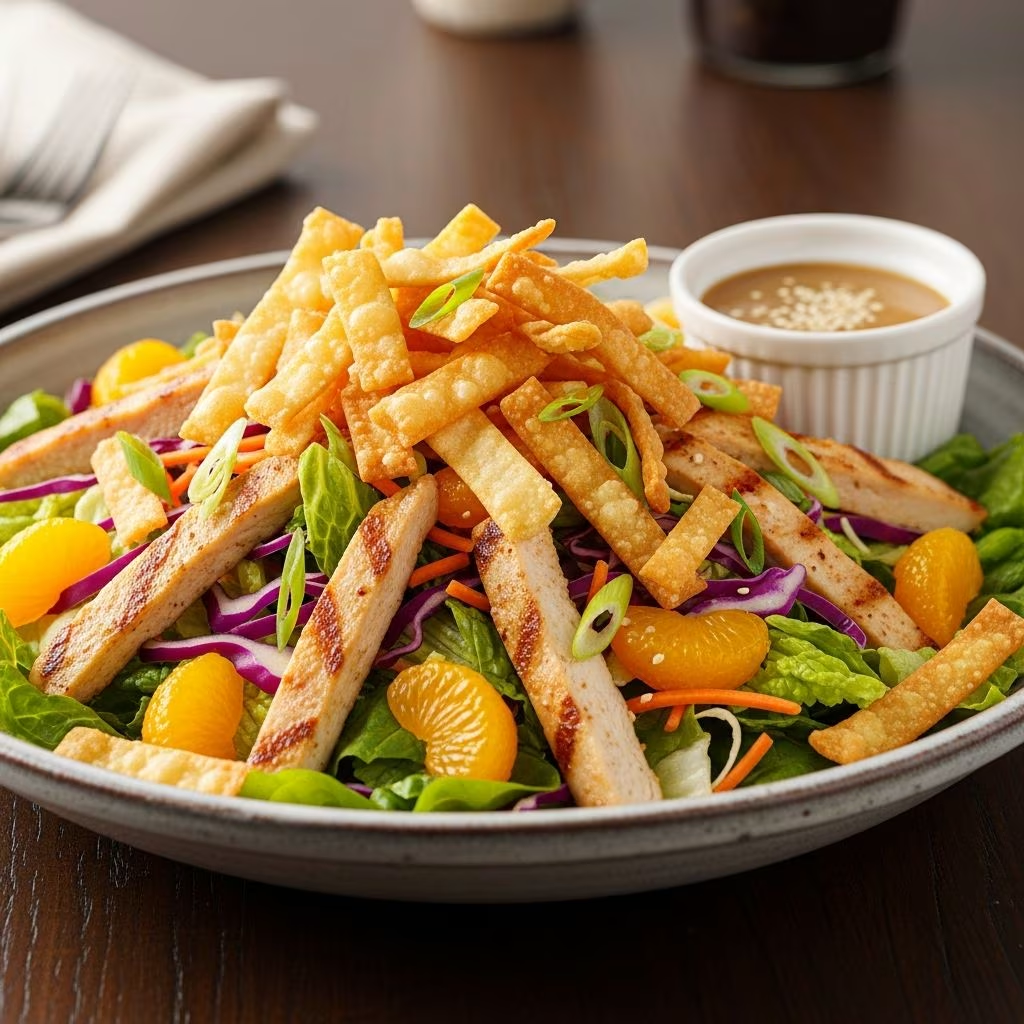
Wonton salads represent one of the most versatile and satisfying meals that bridges the gap between nutritious dining and indulgent comfort food. This particular preparation combines the textural contrast of crispy fried wontons with the refreshing crunch of fresh vegetables, all bound together by a vibrant, tangy dressing that draws inspiration from traditional Asian flavor profiles. Whether you’re planning a quick weeknight dinner, preparing lunch for the upcoming week, or hosting a casual gathering, this straightforward recipe delivers restaurant-quality results without requiring extensive culinary skills or hard-to-find ingredients.
Understanding Wontons: The Foundation of Your Salad
Wontons serve as the textural anchor for this entire dish. These small parcels of dough, traditionally filled with seasoned meat or vegetables, provide a satisfying crunch that contrasts beautifully with the soft components of the salad. The beauty of modern convenience products lies in the availability of pre-made frozen wontons that require minimal preparation while maintaining authentic flavor and texture.
When selecting wontons for this dish, you have numerous options beyond the commonly available frozen varieties. Mini chicken wontons work exceptionally well and cook quickly without requiring extensive monitoring. Vegetarian and vegan alternatives have become increasingly available, making this recipe accessible to those following plant-based diets. Some specialty markets also offer shrimp wontons or pork wontons, each contributing their own distinctive flavor dimension to the finished salad.
The cooking method significantly impacts the final texture and flavor of the wontons. Pan-frying frozen wontons in a modest amount of oil produces golden, crispy exteriors while ensuring the filling cooks through completely. This approach takes approximately 10 to 12 minutes and requires minimal attention beyond the occasional flip to achieve even browning on both sides.
Selecting and Preparing Fresh Vegetables
The vegetable component of this salad provides cooling, hydrating elements that balance the richness of the fried wontons. Persian cucumbers serve as an excellent choice due to their thin skin, minimal seeds, and crisp texture. These smaller varieties maintain their structure better throughout the salad-making process compared to standard cucumber types. Should Persian cucumbers prove unavailable, any thin-skinned cucumber variety will serve equally well.
Preparing vegetables for maximum dressing absorption involves a simple technique: scoring the cucumber surface with the tines of a fork before slicing. This creates tiny grooves that help capture and hold the dressing, ensuring every bite carries the full flavor of the preparation. Slice the cucumbers thinly and uniform in size to promote even distribution throughout the salad.
Fresh herbs elevate the flavor profile considerably. Chives or scallions add a subtle onion note and visual appeal, while fresh mint provides cooling, aromatic qualities that enhance the overall eating experience. Some preparations benefit from the addition of cilantro, which contributes a distinctive citrusy note that complements the Asian-inspired dressing. The combination of these fresh, green elements transforms the salad from a simple dish into something vibrant and sophisticated.
For those who enjoy heat, fresh chili peppers add both visual interest and a warming spice element. Slicing the peppers thinly distributes the heat throughout the salad rather than creating isolated spicy bites. This approach allows diners to experience consistent flavor in every forkful.
Building Layers of Aromatic Flavor
The aromatic components of this salad—fresh garlic and ginger—provide depth and complexity that elevate the dish beyond a simple vegetable preparation. Rather than mincing these ingredients finely, grating them directly into the bowl ensures even distribution and prevents large, overwhelming chunks. Fresh ginger contributes a warm, slightly peppery quality that pairs beautifully with the other components, while garlic adds pungency and the characteristic savory depth that defines much of Asian cuisine.
An optional but highly recommended addition involves lemongrass paste. This ingredient introduces a distinctive citrusy, slightly lemony quality that adds complexity and intrigue to the flavor profile. For those adventurous enough to experiment with this ingredient, the investment proves worthwhile in creating a truly memorable salad experience.
Crafting the Perfect Dressing
The dressing serves as the component that unifies all the disparate elements into a cohesive whole. A balanced Asian-style dressing combines salty, sweet, acidic, and umami elements in proportions that create depth without overwhelming any single flavor. Soy sauce provides the salty, umami-rich base, while rice vinegar contributes necessary acidity that brightens the overall flavor profile.
Sweetness in the form of maple syrup balances the salty and acidic elements while adding subtle complexity. The quantity of sweetener should be calibrated to personal preference—some diners prefer a more pronounced sweet note, while others favor a more savory preparation. Lime juice adds fresh citric acid along with subtle tropical notes that enhance the Asian flavor direction.
For those who enjoy spice, sriracha or other chili sauces introduce heat that builds gradually rather than striking immediately. This gradual warming sensation creates a more nuanced spicy experience compared to fresh chili peppers. The amount of sriracha can be easily adjusted based on personal heat tolerance and preference.
An optional but sophisticated finishing touch involves a splash of fish sauce, which intensifies the umami qualities and deepens the overall savory profile. This ingredient should be added judiciously, as a small amount goes a considerable distance in creating complex flavor.
Step-by-Step Assembly Process
Initiating the Wonton Cooking: Begin by heating oil in a large non-stick skillet over medium heat. Once the oil reaches proper temperature, add the frozen wontons in a single layer. Allow them to cook undisturbed until the bottom side achieves a golden-brown color, which typically requires 5 to 6 minutes. Flip the wontons and continue cooking until they display golden coloring on the second side and the filling cooks through completely, an additional 4 to 6 minutes. Transfer the cooked wontons to a plate or paper towel to cool slightly before adding to the salad.
Preparing the Vegetable Base: While the wontons cook, begin vegetable preparation. Score the cucumbers using a fork, then slice them into uniform, thin pieces. Transfer the sliced cucumbers to a large mixing bowl and add the chopped chives, mint, and sliced chili pepper. Grate the garlic and ginger directly over the mixture, and add lemongrass paste if desired. This step produces a fragrant mixture that has not yet been dressed.
Combining Dressing Components: In a small bowl or directly in the main bowl, combine the soy sauce, rice vinegar, maple syrup, and lime juice. Mix thoroughly to ensure the sweetener dissolves completely and the components integrate evenly. Taste and adjust the balance of flavors according to personal preference before proceeding.
Bringing Components Together: Pour the prepared dressing over the vegetable and herb mixture and toss thoroughly to ensure even distribution. Add the cooled wontons to the bowl and gently toss to combine all components. Season with salt and pepper to taste, adjusting as needed. At this stage, consider adding a splash of fish sauce for those who enjoy intensified umami qualities.
Final Preparation and Serving: Refrigerate the completed salad until serving time. Just before presenting to diners, garnish with toasted sesame seeds for nutty richness and visual appeal. A drizzle of chili crisp adds both visual interest and a pleasant textural crunch along with additional spice.
Ingredient Variations and Substitutions
One of the greatest strengths of this salad recipe lies in its flexibility and adaptability to various dietary preferences and ingredient availability. Wonton varieties can be freely substituted based on what’s available at your local market or what aligns with your dietary choices. Vegetarian wontons perform equally well, while shrimp or pork varieties offer interesting flavor alternatives.
Vegetable components can be adjusted seasonally or according to personal preference. While Persian cucumbers provide an excellent base, other crisp vegetables such as carrots or daikon radish add interesting textural variety. Additional leafy greens such as baby spinach or mixed salad leaves can be incorporated to increase the volume and nutritional density of the dish.
The dressing components offer numerous opportunities for personalization. Those who prefer less sweetness can reduce the maple syrup, while individuals seeking additional umami can increase the soy sauce proportion or add a dash of fish sauce. The acid component can be varied by substituting lime juice with rice vinegar or even a touch of white vinegar for a different flavor direction.
Flavor Profiles and Taste Experience
The completed salad delivers multiple taste sensations in succession and simultaneously. The initial impression involves the satisfying crunch of the crispy wontons contrasted with the cool, refreshing quality of the fresh vegetables. The aromatic components of garlic, ginger, and mint provide herbal, warming qualities that develop as you continue eating. The dressing ties these elements together, with salty, sweet, acidic, and potentially umami and spicy notes creating a complex flavor experience that engages multiple taste receptors.
Storage and Make-Ahead Considerations
This salad maintains best quality when consumed relatively soon after assembly, as the wontons gradually soften as they absorb moisture from the dressing and vegetables. For optimal texture, prepare the components separately and combine them shortly before serving. The cooked wontons can be stored in an airtight container for several days, while the vegetables and dressing components can be prepared up to a day in advance and refrigerated separately.
Should you need to prepare the entire salad ahead of time, store it in an airtight container in the refrigerator. The wontons will become softer over time but will still deliver pleasant flavor and a slightly different textural experience. Before serving, consider preparing additional fresh wontons to add on top, which provides a textural contrast element for those who value the original crispy quality.
Nutritional Considerations
This salad balances indulgent fried elements with fresh vegetables and aromatic herbs, creating a dish that satisfies while providing nutritional value. The vegetables contribute fiber, vitamins, and minerals, while the wontons provide protein from their meat or vegetable fillings. The dressing relies primarily on soy sauce and vinegar rather than oil-based emulsions, keeping the fat content moderate relative to the overall dish.
Frequently Asked Questions
What type of oil works best for cooking wontons?
Neutral-flavored oils such as vegetable oil, canola oil, or peanut oil work well for cooking wontons. These oils have high smoke points suitable for medium-heat cooking and won’t impart competing flavors. Olive oil, while delicious in many applications, has a lower smoke point and more pronounced flavor that may overpower the delicate wonton filling.
Can this salad be made entirely vegetarian?
Absolutely. Vegetarian and vegan wonton varieties are widely available and work excellently in this recipe. Additionally, ensuring that the dressing doesn’t include fish sauce maintains the vegetarian status. All other components of the salad are naturally plant-based or easily substituted.
How far in advance can components be prepared?
Wontons can be cooked up to several days ahead and stored in an airtight container. Fresh vegetables and herbs are best prepared on the day of serving to maintain their crispness and vibrant color. The dressing can be mixed a day ahead and refrigerated, though flavors may intensify during storage.
What temperature should oil be for cooking wontons?
Medium heat is ideal for cooking frozen wontons. This temperature allows the exterior to become golden and crispy while providing sufficient time for the filling to cook through completely. Excessively high heat may brown the exterior too quickly before the interior cooks through.
Can regular-sized wontons replace mini wontons?
Yes, though the cooking method requires adjustment. Regular-sized wontons benefit from frying one side until golden, then adding a splash of water to the pan and covering it briefly to allow steam to cook the filling through. This hybrid technique produces better results than extended dry frying, which may create overly thick, tough exteriors.
References
- Wonton Salad Recipe — Feasting At Home. Accessed April 2026. https://www.feastingathome.com/wonton-salad/
- Mini Chicken Wonton Stir Fry — Trader Joe’s Official Recipes. Accessed April 2026. https://www.traderjoes.com/home/recipes/mini-chicken-wonton-stir-fry.html