Food textures shape our eating experiences more than we often realize. Among them, crispy and crunchy stand out as beloved qualities that signal freshness and skill in preparation. While frequently confused, these terms describe unique sensory profiles defined by structure, sound, and bite force.
Defining the Sensations
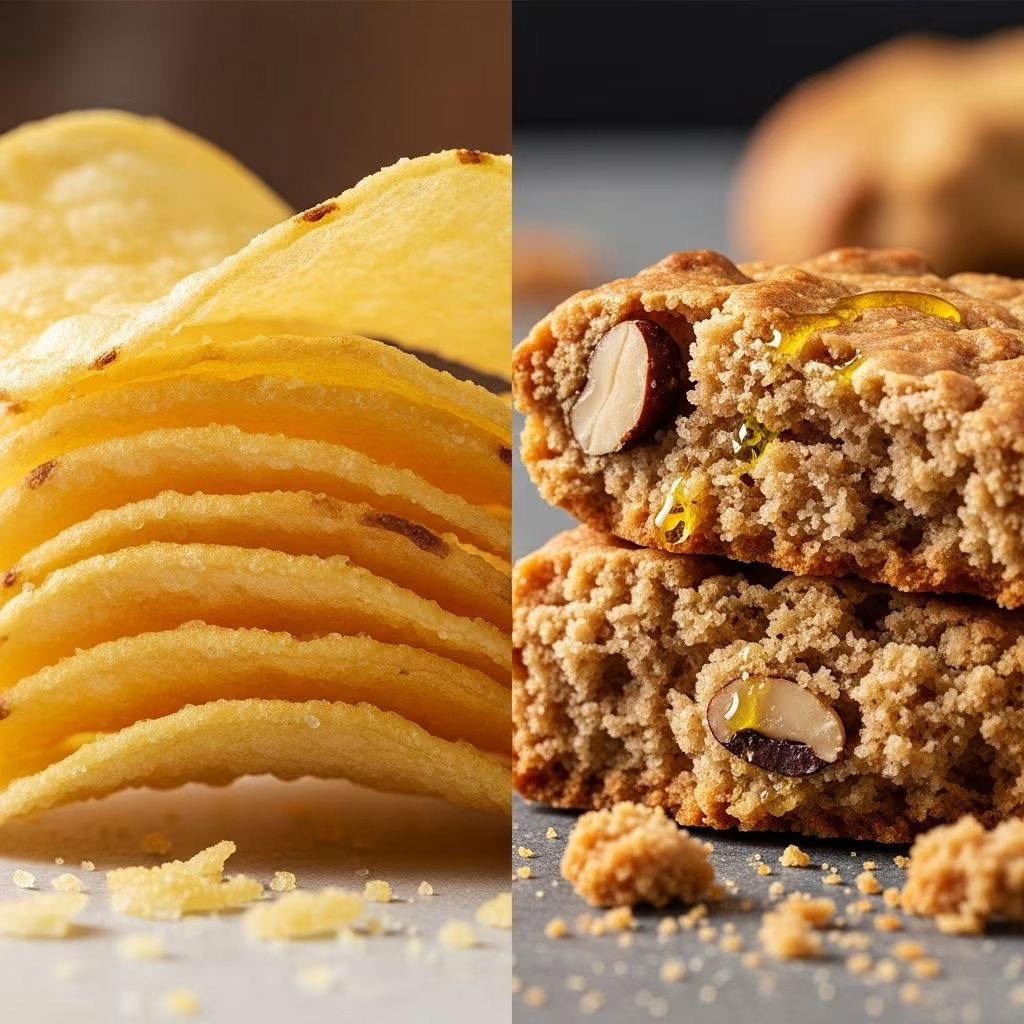
Crispy refers to a light, fragile quality where the food shatters instantly with minimal pressure. This texture thrives in thin structures that have lost surface moisture through rapid heating, creating a delicate shell. Imagine the snap of a potato chip or the shatter of tempura batter—these evoke high-pitched, quick sounds and effortless breakdown.
Crunchy, by contrast, demands more effort. It features denser, thicker forms that resist initial bites, producing deeper, resonant crunches. The satisfaction comes from grinding through firm internals, as in raw vegetables or roasted nuts. This distinction hinges on physics: crispy items fracture into many small pieces with low force, while crunchy ones yield fewer, larger breaks requiring sustained pressure.
Scientific Foundations of Texture
Texture science, or food rheology, measures these traits via force-deformation curves. Instruments like texture analyzers reveal crispy foods generate numerous small peaks in fracture data, indicating easy shattering. Crunchy samples show taller, spaced peaks with significant ‘drop-offs,’ reflecting robust structure.
A 2013 study in the International Journal of Food Properties quantified this: crispy demands low bite force and high-pitch audio (around 5-10 kHz), while crunchy needs higher force and lower frequencies (1-5 kHz). Evolutionarily, firm textures link to ripeness—crisp apples or crunchy carrots signal peak nutrition, boosting our innate preference.
| Aspect | Crispy | Crunchy |
|---|---|---|
| Structure | Thin, light, surface-dried | Thick, dense, internal firmness |
| Bite Force | Low (front teeth) | High (molars needed) |
| Sound | High-pitched, sharp snap | Low-pitched, prolonged crunch |
| Examples | Chips, pastry, fried skin | Nuts, carrots, thick chips |
Everyday Examples in Action
- Crispy Stars: Potato chips shatter like glass; phyllo dough layers flake apart; creme brulee tops crack under a spoon.
- Crunchy Heroes: Celery stalks snap with juicy resistance; kettle chips hold thick ridges; granola clusters grind satisfyingly.
- Hybrids: Fried chicken blends crispy skin over crunchy meat; celery qualifies as both due to its cellular turgor.
Perception varies culturally but consistently: surveys show ‘crunchy’ evokes energy and appeal, ‘crispy’ connotes precision craftsmanship.
Mastering Crispy Textures at Home
Achieving crispiness centers on rapid moisture evaporation from thin surfaces. High-heat methods dehydrate exteriors without cooking interiors fully.
- Prep Dry: Pat ingredients with paper towels; excess water steams instead of crisps.
- High Heat Blast: Fry at 350-375°F, bake at 425°F+, or air-fry for 5-10 minutes. Thin slices (1-2mm) maximize surface area.
- Double Duty: Dredge in flour-egg-breadcrumb for shatter-proof shells, like chicken tenders.
- Cool Crisp: Rest on wire racks to prevent steam sogginess.
Pro Tip: Sugar or starch coatings accelerate Maillard browning, amplifying that golden snap.
Perfecting Crunchy Delights
Crunchiness preserves internal hydration amid hardened outsides, using gentler, prolonged heat.
- Sturdy Starts: Opt for dense bases like root veggies, nuts, or grains.
- Low-and-Slow: Roast at 250-300°F for 20-60 minutes, stirring for even drying.
- Season Smart: Oil lightly; salt draws out moisture gradually.
- Dehydrate Deep: Oven-dry fruits or chickpeas at 135°F overnight for leather-tough crunch.
Avoid overcooking—soggy centers ruin the contrast.
Blending Both Worlds
Signature dishes layer textures: crispy coatings over crunchy cores, like panko-crusted onion rings or tempura veggies.
- Fry hot-fast for crust, then low-slow for inside.
- Stack elements: brittle phyllo wrapping firm nuts.
- Flavor Bridge: Acidic marinades cut richness, unifying bites.
Experiment with contrasts in salads (crispy shallots + crunchy chickpeas) or snacks (thin crisps beside thick nuts).
Common Pitfalls and Fixes
Sogginess kills both: for crispy, ban humidity—fry in stable oil, store airtight. For crunchy, prevent drying out fully; parboil veggies before roasting.
| Problem | Cause | Solution |
|---|---|---|
| Soggy Crispy | Moisture trap | Dry thoroughly, high heat |
| Soft Crunchy | Too fast/uneven | Low temp, longer time |
| No Sound | Thick/wet | Thin slices, dehydrate |
Health and Appeal Insights
Firm textures promote mindful eating—loud crunches slow us, aiding portion control. They also mimic natural foods, tricking brains into satiety. Nutritionally, crunchy veggies retain vitamins better than soft ones; crispy skins pack antioxidants if not over-fried.
Industry leverages this: cereals engineer crispy flakes vs. crunchy clusters for variety.
FAQs
What makes food crispy vs crunchy?
Crispy is thin and shatters easily with high-pitch sound; crunchy is dense, needs more bite force, lower sound.
How to get crispy fried chicken skin?
Dry skin overnight, high-heat fry (375°F), rest on rack.
Best oven temp for crunchy nuts?
275°F for 20-30 min, shake halfway.
Can celery be both?
Yes—its thin ribs crisp, thick stalk crunches.
Why do textures matter?
They signal freshness, enhance enjoyment, influence perceptions of quality.
Embracing these nuances transforms cooking from routine to artistry. Next time you bite, savor the science.
References
- Crispy vs Crunchy: Understanding the Key Differences and Cooking Techniques — Times of India. 2024-10-28. https://timesofindia.indiatimes.com/life-style/food-news/crispy-vs-crunchy-understanding-the-key-differences-and-cooking-techniques/articleshow/116670801.cms
- Discover the difference between crispy and crunchy — Stable Micro Systems. 2024-01-01. https://www.stablemicrosystems.com/blog/2024/discover-the-difference-between-crispy-and-crunchy/
- The Difference Between Crispy And Crunchy Textures — Food Republic. 2024-11-01. https://www.foodrepublic.com/1559986/crispy-vs-crunchy-texture-difference/