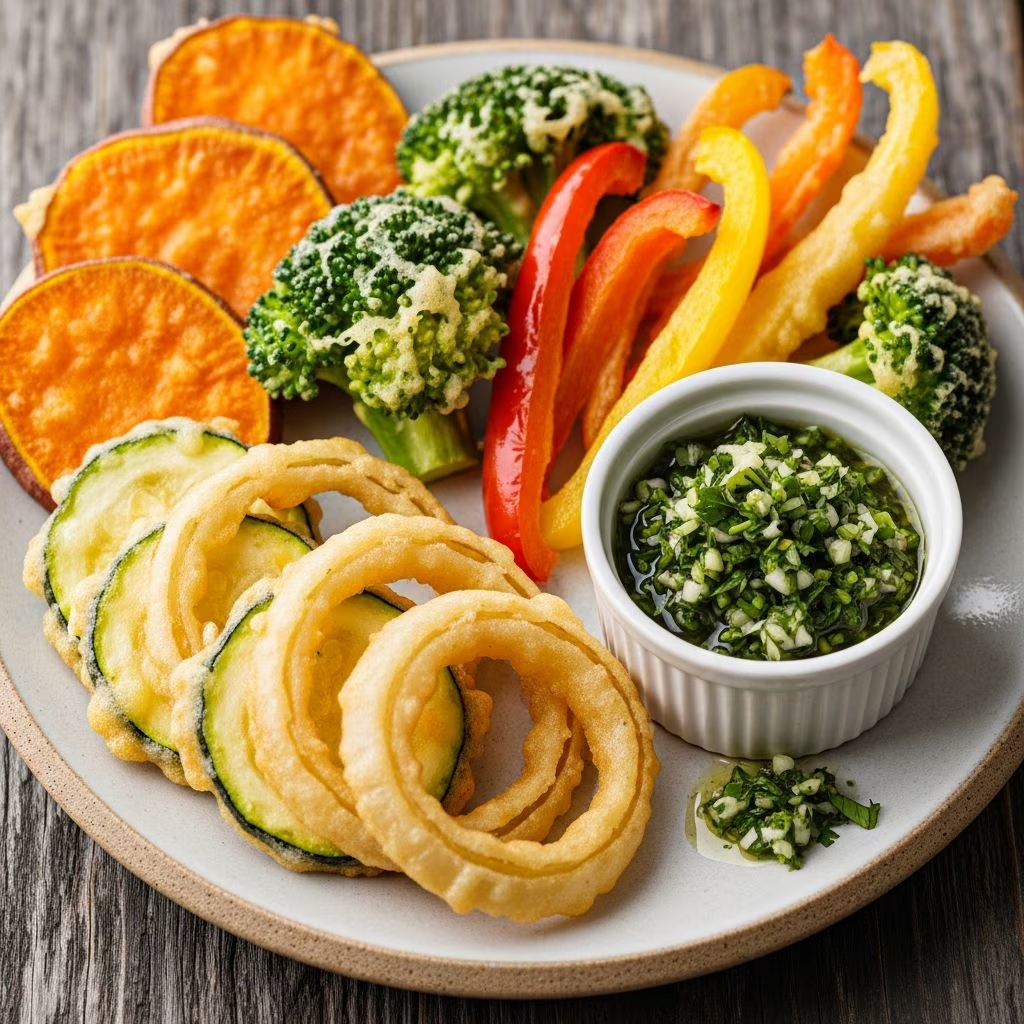
Tempura represents one of the most celebrated cooking techniques in Japanese cuisine, transforming simple vegetables into delicate, crispy creations that showcase the natural flavors of each ingredient. The magic of this preparation lies in achieving that perfect balance—a shatteringly crisp exterior that gives way to tender, perfectly cooked vegetables within. When vegetables like sweet potatoes and onions are treated with this technique and paired with a vibrant herb-infused mayonnaise, the result becomes an elegant appetizer that rivals restaurant quality.
Understanding the Tempura Foundation
The foundation of exceptional tempura begins with understanding the core elements that make this cooking method distinct. Unlike other batters that aim for thickness and density, tempura batter should remain delicate and minimal, creating a thin, lacey coating rather than a heavy outer shell. This philosophy guides every step from ingredient selection through the final plating.
The technique gained prominence during Japan’s Edo period and has since become a cornerstone of both casual and fine dining establishments. What makes tempura particularly appealing is its versatility—while vegetables remain the traditional choice, the method accommodates nearly any ingredient, adapting to seasonal availability and personal preferences. The preparation demands precision but rewards practitioners with consistently impressive results.
Essential Components for Success
The Batter Architecture
Creating the ideal batter requires specific attention to temperature and ingredient ratios. The batter functions as both adhesive and protective coating, and its composition directly influences the final texture and appearance of the fried vegetables.
- Flour Selection: All-purpose flour provides the ideal protein content for tempura batter. The gluten development must be carefully controlled—excessive mixing creates toughness, while insufficient mixing can result in uneven coating
- Liquid Component: Ice-cold water remains essential for maintaining batter viscosity and promoting the characteristic light, airy texture. Temperature control proves crucial; warm water develops gluten prematurely and produces a heavier result
- Binding Agent: Japanese mayonnaise serves as an alternative to traditional egg-based binders, offering reduced oil absorption and improved crispness
- Consistency: The batter should coat the vegetables lightly without pooling or creating thick layers
Oil Selection and Temperature Management
The choice of frying medium significantly impacts both flavor and texture. High smoke point oils prevent degradation during extended cooking periods, while maintaining neutral flavor allows the vegetables to shine. For enhanced authenticity, many chefs combine vegetable or canola oil with a percentage of sesame oil, which suppresses oxidation and introduces subtle aromatic complexity reminiscent of specialty tempura establishments.
Temperature precision determines whether vegetables cook through before the batter over-browns. The ideal frying temperature ranges between 338-350°F (170-175°C). At this temperature, the exterior sets rapidly while the interior steams gently, cooking vegetables to perfect tenderness. Maintaining consistent temperature throughout the frying process prevents batches from cooking at different rates.
Preparing Your Vegetables
Selection and Cutting Techniques
Sweet potatoes and onions bring complementary qualities to this preparation. Sweet potatoes contribute natural sweetness and a creamy interior texture, while onions offer subtle pungency and appealing color contrast. Proper cutting ensures even cooking and creates visually appealing presentations.
- Sweet potatoes should be sliced into uniform pieces approximately ¼-inch thick to ensure even cooking
- Onions are best separated into individual rings, which maintain structural integrity during frying
- Uniform sizing prevents some pieces from burning while others remain undercooked
- Soaking cut vegetables briefly in water removes excess starch and prevents discoloration
Moisture Management
Excess moisture becomes the enemy of crispy tempura. After soaking, vegetables must be thoroughly dried using paper towels or clean cloth. This step proves particularly important for onions, which naturally contain high water content. Moisture prevents the batter from adhering properly and creates steam pockets that can cause splattering during frying.
The Battering and Frying Process
Mixing the Batter Correctly
Batter preparation demands a deliberate approach that resists the instinct to thoroughly mix. Begin by combining ice-cold water and Japanese mayonnaise with a whisk, ensuring these components blend smoothly before introducing flour. This preliminary mixing prevents flour from clumping when added.
Add flour in two stages using chopsticks rather than utensils that encourage vigorous mixing. Mix the first portion until the batter becomes powdery, then add the remaining flour and combine with minimal stirring. Lumps in the batter are acceptable and even desirable—they contribute to the delicate, irregular coating characteristic of superior tempura. Over-mixing develops gluten networks that toughen the final product.
Pre-Coating Technique
Before dipping vegetables into the batter, lightly brush each piece with flour. This preparatory coating serves as an adhesive layer, helping the main batter adhere to the vegetable surface and creating superior texture. The flour layer prevents the batter from sliding off during frying and ensures even coating.
Dipping and Frying Strategy
Dip each floured vegetable piece into the prepared batter, allowing excess to drip away before transferring to hot oil. This step determines the final coating thickness—excessive batter creates thick, heavy crusts, while insufficient batter results in exposed vegetable surfaces that may brown unevenly.
Fry vegetables in small batches rather than crowding the pan. Overcrowding reduces oil temperature and forces vegetables to steam rather than fry crisply. Each piece requires space for rapid cooking and even heat exposure. Frying duration typically ranges from 3-4 minutes, during which the batter develops golden color while the interior cooks through.
The Herb-Infused Condiment
While traditional tempura often accompanies tentsuyu (a dipping sauce combining dashi, soy sauce, and mirin), the herb-infused mayonnaise provides a contemporary alternative that complements the vegetables while introducing fresh, bright flavors.
Condiment Composition
- Base: Quality mayonnaise provides richness and creamy texture
- Fresh Chives: Finely chopped chives contribute mild onion flavor and visual appeal
- Additional Herbs: Tarragon, parsley, or dill enhance complexity without overwhelming delicate vegetables
- Flavor Modifiers: Lemon juice or vinegar adds brightness and prevents the condiment from becoming overly rich
- Seasoning: Salt and white pepper should be added judiciously to balance flavors
Preparation is straightforward: combine mayonnaise with finely minced fresh herbs and adjust seasoning to taste. The condiment can be prepared hours in advance, allowing flavors to meld while the herbs maintain their vibrant color and fresh character.
Finishing and Presentation
Upon removal from oil, transfer tempura pieces immediately to paper towels to absorb excess oil. This step proves critical for maintaining crispness throughout the serving period. Allow vegetables to cool for just 1-2 minutes before serving—tempura is best enjoyed while still warm, when the contrast between crispy exterior and tender interior provides maximum textural interest.
Arrange finished pieces on a serving platter, grouping by vegetable type for visual organization. Serve the herb condiment in a small bowl alongside, allowing guests to control the amount applied to each piece. A light garnish of additional fresh chives or microgreens adds sophistication while subtly reinforcing the condiment’s herbaceous character.
Troubleshooting Common Challenges
| Challenge | Likely Cause | Solution |
|---|---|---|
| Soggy or greasy exterior | Oil temperature too low or excessive batter | Maintain oil at 338-350°F and limit batter thickness |
| Undercooked interior | Pieces too thick or oil too hot | Cut uniform slices and verify temperature accuracy |
| Batter clumping or heavy coating | Over-mixed batter or warm water | Use ice-cold water and mix minimally with chopsticks |
| Uneven browning | Crowded pan or inconsistent vegetable sizing | Fry in small batches and cut uniform pieces |
| Batter sliding off vegetables | Excess moisture or missing flour coating | Pat vegetables dry and apply flour pre-coat |
Frequently Asked Questions
Can I prepare the batter in advance?
Tempura batter achieves optimal texture when mixed immediately before use. If advance preparation is necessary, mix dry ingredients and combine with ice-cold liquid just before frying. Batter left standing for extended periods allows gluten development, compromising the delicate final texture.
What vegetables work best for this preparation?
Sweet potatoes, onions, bell peppers, zucchini, and mushrooms all produce excellent results. Select vegetables with similar cooking times and cut them uniformly to ensure even preparation. Avoid vegetables with very high water content, as these tend to create excessive steam during frying.
How can I keep tempura crispy after cooking?
Transfer finished pieces to paper towels immediately upon removal from oil to absorb excess fat. Maintain service temperature using a warm plate rather than covering with foil, which traps steam and softens the exterior. Tempura is best enjoyed within 15-20 minutes of cooking.
Can I make this recipe with alternative condiments?
Yes—traditional tentsuyu remains an excellent choice, and ginger-spiked mayo, sriracha-based condiments, or simple ponzu sauce all complement tempura vegetables beautifully. Experiment with condiments based on available ingredients and personal flavor preferences.
Serving Suggestions and Occasions
This preparation serves multiple purposes across different dining contexts. As an appetizer, a generous portion offers substantial satisfaction without overwhelming the palate before subsequent courses. As a side dish, tempura vegetables provide textural contrast alongside rice-based meals. The preparation also functions beautifully as an elegant snack course, suitable for entertaining or special occasions.
Consider serving alongside complementary items such as steamed rice, fresh greens, or light broths that don’t compete with the vegetables’ delicate flavors. Temperature contrast enhances the overall experience—serve tempura warm against room-temperature accompaniments for maximum impact.
Mastering the Technique
Tempura preparation rewards practice and attention to detail. Each attempted batch teaches valuable lessons about batter consistency, oil temperature management, and vegetable preparation timing. Begin with smaller quantities to develop confidence before preparing larger portions for gatherings. The satisfaction of consistently producing restaurant-quality tempura—golden, delicate, and perfectly crispy—justifies the precision this technique demands.
References
- Crispy Sweet Potato Tempura (With Dipping Sauce) — Chopstick Chronicles. 2025. https://www.chopstickchronicles.com/sweet-potato-tempura/