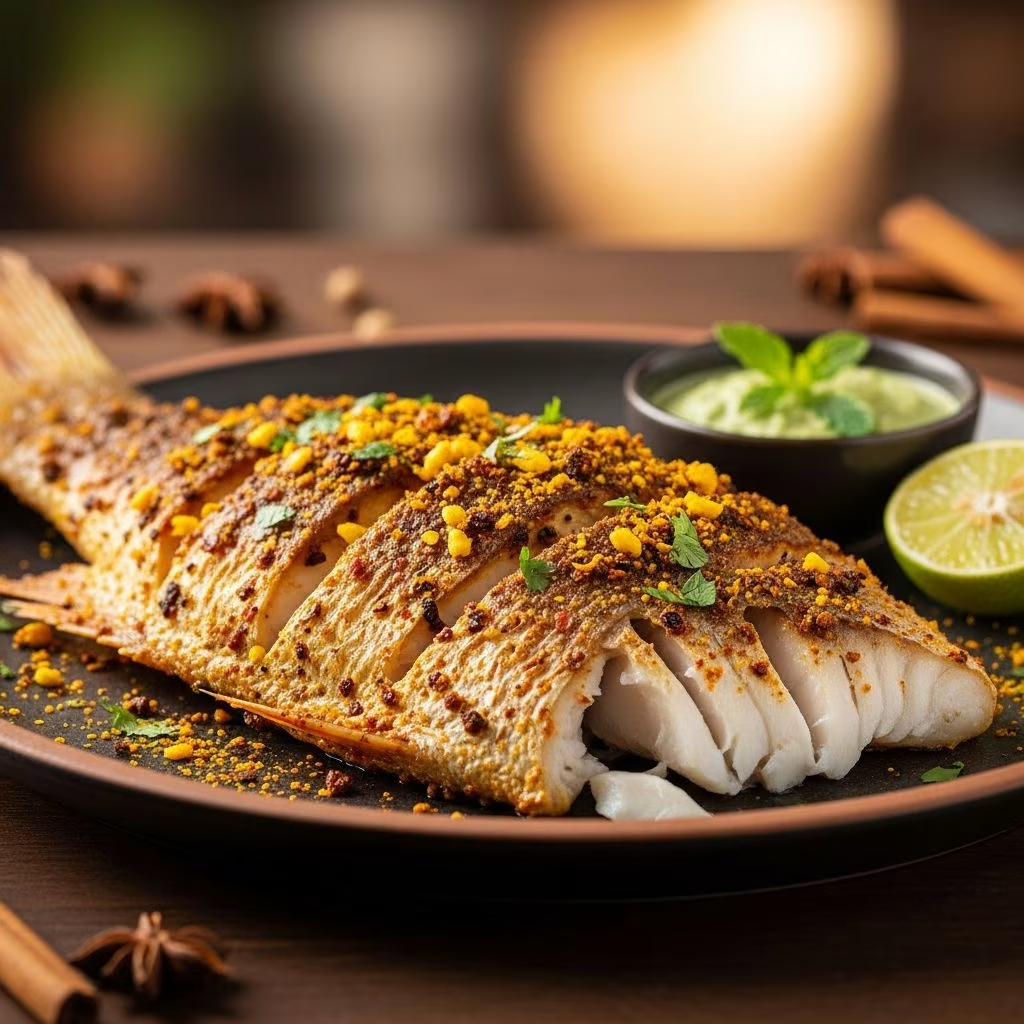
The combination of delicate white fish and vibrant Indian spicing represents one of modern cuisine’s most exciting flavor intersections. Crispy snapper prepared with chaat masala demonstrates how a few quality ingredients and proper technique can elevate a simple fish fillet into an exceptional dining experience. This guide explores the methodology, ingredient selection, and culinary principles that transform ordinary snapper into a dish worthy of fine dining establishments.
Understanding Chaat Masala: The Spice Blend That Defines This Dish
Chaat masala stands as one of India’s most distinctive spice compositions, particularly celebrated in street food preparations. This powder delivers a multifaceted sensory experience that simultaneously incorporates spicy, salty, sour, and sweet dimensions. Unlike heavier masala blends designed for curries or slow-cooked preparations, chaat masala’s lighter formulation makes it ideally suited for coating proteins where the spice remains prominent rather than absorbed into a sauce.
The magic of chaat masala lies in its complexity. The blend typically combines dried mango powder (amchur) for acidity, cumin and coriander for earthy warmth, dried ginger for pungent heat, and various other spices that create layers of flavor. When applied to crispy fish, these elements don’t overpower the delicate fish flesh; instead, they create a flavorful crust that complements the tender interior.
Selecting the Right Fish for Maximum Results
Fish selection significantly influences the final outcome of this preparation. Snapper, with its firm white flesh and subtle flavor profile, provides the ideal canvas for bold spicing. The fish’s natural oils and texture allow it to maintain structural integrity during cooking while developing an impressive crispy exterior.
Alternative white fish options include tilapia and catfish, both of which perform admirably in similar preparations. The key consideration involves selecting fillets of appropriate thickness. Overly thick cuts risk creating an unbalanced dish where the exterior crisps before the interior cooks through, while thin fillets may overcook and become dry. Optimal thickness typically ranges between one-quarter and one-half inch, allowing simultaneous achievement of both crispy coating and moist, flaky interior.
Preparation begins with thorough rinsing under cold water to remove any remaining scales or debris. Pat the fillets completely dry using paper towels, as moisture prevents proper browning and crispy coating development.
Building the Flavor Foundation: Infused Oil Components
A critical element often overlooked involves creating an infused oil that carries chaat masala’s flavors directly onto the fish. This technique differs from traditional breadcrumb coating approaches, offering a lighter, more refined result that allows the fish’s natural qualities to shine through.
The infused oil typically incorporates finely minced ginger, which contributes both aromatic warmth and subtle heat. This component works synergistically with chaat masala to create depth and complexity. The minced ginger distributes evenly throughout the oil, ensuring consistent flavor throughout each bite. Combine these elements with high-quality grapeseed oil, which possesses a high smoke point suitable for achieving proper searing temperatures without imparting unwanted flavors.
Coating Techniques: Two Approaches to Consider
Two distinct methodologies exist for applying chaat masala to snapper, each producing different textural results. Understanding both approaches allows cooks to select the method best suited to their equipment and preferences.
The Breadcrumb Coating Method
This traditional approach combines breadcrumbs with chaat masala to create an exceptionally crispy exterior crust. Begin by preparing a mixture of fine breadcrumbs, chaat masala powder, and salt on a large plate or shallow baking sheet. The ratio typically involves approximately one-half cup breadcrumbs to one teaspoon chaat masala, adjusted to personal preference for spice intensity.
Dip each rinsed and dried fish fillet briefly into whole milk, allowing excess liquid to drip away before transfer to the breadcrumb mixture. The milk creates an adhesive layer that helps the coating adhere during cooking. Gently press both sides of the fillet into the breadcrumb mixture, ensuring even coverage without excessive compression that might compress the coating.
An important technique consideration: prepared fillets can be cooked immediately or refrigerated for four to six hours before cooking. This flexibility accommodates advance preparation for entertaining or meal planning purposes.
The Spiced Oil Crust Method
An alternative approach applies the chaat masala oil directly to the fish surface prior to cooking. This technique produces a lighter, less breaded result that appeals to those preferring more refined texture. Combine minced ginger, chaat masala, and grapeseed oil in a small bowl, then brush or rub this mixture onto both surfaces of each fish fillet. This method requires careful oil temperature management to prevent burning while still achieving adequate browning and crust development.
The Cooking Process: Achieving Perfect Crispy Texture
Proper pan-frying technique determines whether the fish achieves the desired crispy exterior while maintaining moisture within. Heat peanut or vegetable oil in a large cast iron or heavy-bottomed frying pan over medium-high heat until the oil reaches approximately 350°F. The oil should shimmer and move fluidly across the pan surface but not produce smoke, which indicates excessively high temperature that will burn the coating.
Carefully place coated fish fillets into the hot oil, taking care not to overcrowd the pan. Overcrowding reduces oil temperature and creates steam, which prevents proper crust formation. Ideally, maintain sufficient spacing between fillets to allow hot oil to circulate freely around each piece.
Cook for three to four minutes on the first side without disturbing the fish, allowing the breadcrumb coating or oil crust to set and brown properly. Resist the urge to turn the fish prematurely, as inadequate initial crust formation results in coating separation. Once the bottom surface achieves golden-brown coloring, carefully flip and cook the second side for an additional three to four minutes until the fish flakes easily when tested with a fork.
The total cooking time varies slightly depending on fillet thickness and oil temperature consistency. Thinner fillets may require only slightly reduced cooking time, while thicker cuts might need an additional minute per side. Visual and tactile cues provide the most reliable cooking indicators rather than strict time adherence.
Complementary Flavors and Serving Suggestions
The bright acidity of fresh lemon juice provides essential balance to chaat masala’s complexity. Serve the finished dish with lemon wedges, allowing diners to adjust acidity to their preference. The citrus brightens the spiced fish and cuts through any richness from the cooking oil.
Green chutneys offer another excellent accompaniment that enhances the overall dining experience. These fresh herb-based condiments provide cooling contrast to the warm spices while introducing herbaceous notes that complement the fish’s delicate flavor.
Side dish pairings should consider balancing the fish’s richness and spice intensity. Light preparations work best, such as steamed jasmine rice, aromatic basmati, or simple green salads. These options allow the snapper to remain the focal point rather than competing with heavy starches or sauces.
Ingredient Selection and Quality Considerations
The finished dish’s quality depends significantly on ingredient selection. Quality matters particularly with chaat masala, as commercial variations differ substantially in both spice balance and freshness. Shan brand chaat masala represents one reliable option, readily available through Indian specialty grocers and major online retailers. For superior results, consider sourcing chaat masala from Indian markets where high turnover ensures maximum freshness.
Fish freshness proves equally critical. Purchase snapper from reputable fishmongers who maintain proper storage temperatures and can provide information about the fish’s origin and handling. Fresh fish should possess firm flesh with a mild ocean scent, without ammonia or off-putting odors indicating spoilage or improper handling.
Oil selection affects both cooking performance and flavor development. Grapeseed oil and peanut oil both possess high smoke points and neutral flavor profiles suitable for this preparation. Avoid butter or low-smoke-point oils that impart unwanted flavors or burn at required cooking temperatures.
Common Challenges and Solutions
Several frequent issues may arise during preparation, each with straightforward remedies. If the breadcrumb coating separates during cooking, this typically indicates insufficient initial drying of the fish or milk adhesive application. Ensure fish surface moisture removal through thorough patting, and apply milk coating evenly without excessive quantity.
Unevenly cooked fish often results from inconsistent pan temperature or variable fillet thickness. Maintain steady medium-high heat throughout cooking, and consider purchasing uniform-thickness fillets cut from similar-sized fish. Some cooks prefer purchasing thicker fillets and butterflying them to achieve consistent thickness.
Soggy rather than crispy coating suggests cooking oil temperature insufficiency or pan overcrowding. Verify proper oil temperature using a thermometer before adding fish, and maintain adequate spacing between fillets to allow oil circulation.
Nutritional Profile and Dietary Considerations
Snapper provides excellent nutritional value alongside culinary enjoyment. This white fish delivers high-quality protein while containing minimal fat, making it suitable for health-conscious dining. The cooking method, while involving oil, results in relatively moderate fat consumption compared to heavier preparations.
For reduced-fat variations, consider baking the coated fish at 425°F for approximately 12-15 minutes rather than pan-frying. While this method produces less dramatic crisping, it substantially reduces overall oil content while maintaining flavor development from the chaat masala coating.
Frequently Asked Questions
Can I substitute other white fish for snapper?
Yes, tilapia and catfish serve as excellent alternatives, offering similar cooking characteristics and flavor profiles suitable for chaat masala preparation.
Where can I purchase chaat masala?
Indian specialty grocery stores and online retailers including Amazon carry chaat masala, with Shan brand representing a widely available commercial option.
Can I prepare the fish in advance?
Yes, coated fillets can be refrigerated for four to six hours before cooking, allowing advance preparation for entertaining purposes.
What oil temperature should I use for cooking?
Heat oil to medium-high temperature until it shimmers but does not smoke, approximately 350°F. Oil should move fluidly across the pan surface without producing smoke.
How do I achieve crispy coating without overcooking the fish?
Maintain consistent medium-high oil temperature, avoid pan overcrowding, and cook for three to four minutes per side without disturbing the fish during initial crust formation.
References
- Chai Time with Meherwan Irani: Crispy Snapper with Chaat Masala — YouTube/Spicewalla. Accessed 2026. https://www.youtube.com/watch?v=BM6oXe_WxXg
- Crispy Fish with Chaat Masala — Poet and Flower. Accessed 2026. https://www.poetandflower.com/home/crispy-fish-with-chaat-masala
- Shemin’s Chaat Masala Fried Fish — YouTube/Shemin’s Curry Paste. Accessed 2026. https://www.youtube.com/watch?v=2qHR1Z-MMw8