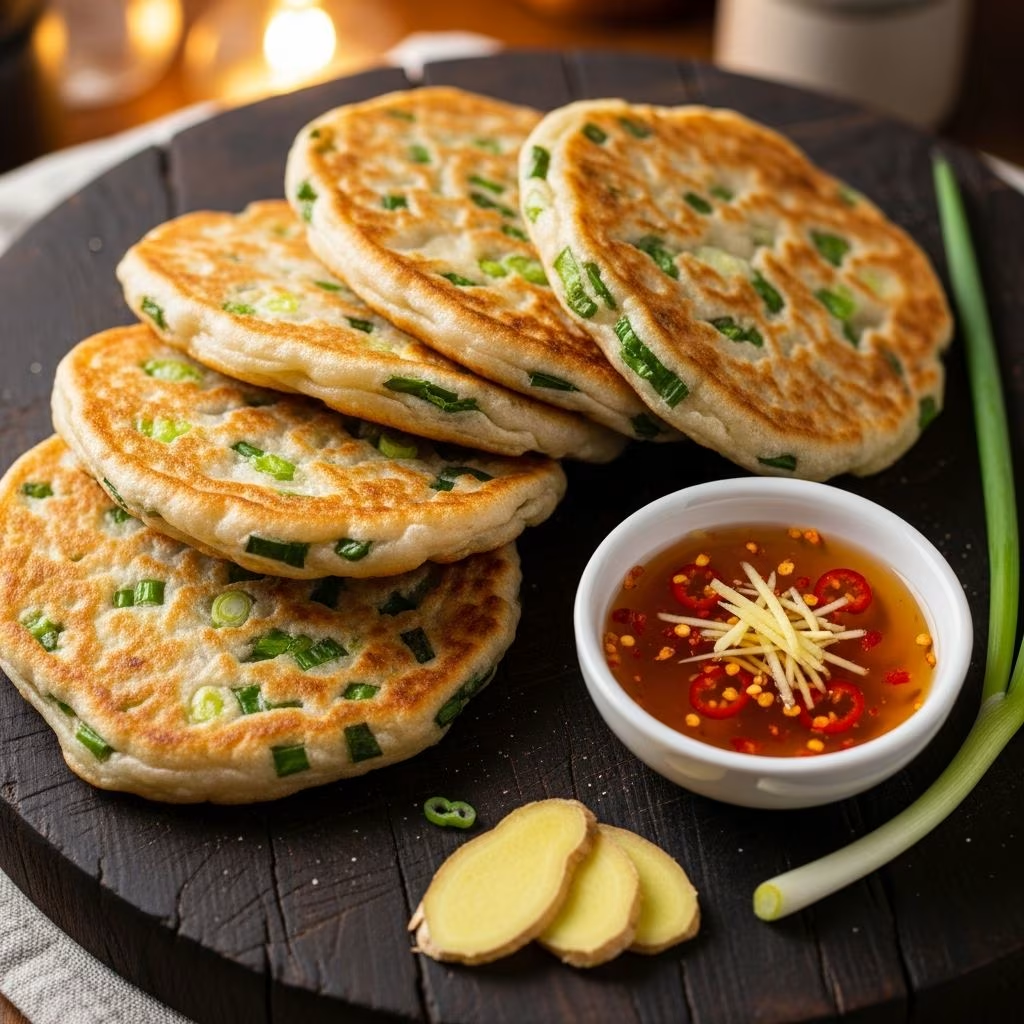
Scallion pancakes represent one of the most beloved creations in Asian cuisine, combining simple pantry staples into a dish that rivals restaurant-quality preparations. The magic lies in the contrast between the crispy, delicate exterior and the soft, layered interior, further elevated by a vibrant ginger-based dipping sauce. This versatile dish serves excellently as an appetizer at gatherings, a quick lunch option, or a light snack that satisfies without overwhelming the palate.
Understanding the Foundation of Scallion Pancakes
At their core, scallion pancakes require minimal ingredients, yet their preparation demands attention to technique and timing. The dough begins with a basic combination of flour and water, transformed through proper resting and rolling methods into something far more complex than its humble components suggest. Unlike sweet pancakes, these savory creations develop their signature flaky layers through a deliberate process of folding and layering rather than relying on leavening agents.
The beauty of this dish extends beyond its taste. The preparation process itself offers a meditative cooking experience, allowing home cooks to engage with traditional techniques passed down through generations. The satisfying crunch when biting into a perfectly cooked pancake provides immediate feedback that your technique has succeeded.
Assembling Your Ingredients
Creating exceptional scallion pancakes begins with understanding each ingredient’s role in the final dish. The following components work in harmony to produce the desired texture and flavor profile:
For the Pancakes
- All-purpose flour (2 cups) – forms the structural foundation and can be sifted beforehand to improve incorporation
- Boiling water (1 cup) – creates steam during cooking, contributing to flaky layers and tender texture
- Sesame oil (1 tablespoon) – provides nutty flavor and helps develop the characteristic aroma
- Fresh scallions (½ cup thinly sliced) – delivers the signature onion flavor and visual appeal
- Vegetable oil (4 teaspoons, divided) – used for cooking to achieve the golden exterior
- Kosher salt – seasons the dough and can be sprinkled on finished pancakes
For the Ginger Dipping Sauce
- Soy sauce (¼ cup) – provides umami depth and saltiness
- Rice vinegar (¼ cup) – adds brightness and cuts through richness
- Fresh ginger (1 teaspoon grated) – contributes warming spice and aromatic complexity
- Sliced scallions (¼ cup) – offers fresh onion notes and textural interest
- Sugar (1 teaspoon) – balances acidic and savory components
- Chili oil or sriracha (to taste) – introduces heat and vibrant color
The Preparation Process: Step by Step
Crafting the Dough
Begin by placing sifted flour into a medium bowl. The sifting step, while seemingly optional, aerates the flour and promotes even hydration. Slowly add boiling water in a steady stream while continuously stirring with a wooden spoon. This gradual incorporation prevents lumps from forming and ensures uniform dough consistency. Continue adding water until a cohesive ball forms. The dough will appear quite stiff at this stage—this is intentional and represents the correct texture.
Transfer the dough to a lightly floured surface and knead briefly, roughly 1-2 minutes, until the surface becomes smooth. Avoid excessive kneading, which would develop gluten strands that make the pancakes tough rather than tender. Cover the dough with a damp kitchen towel and allow it to rest at room temperature for a minimum of 30 minutes. This resting period allows the flour to fully hydrate and the gluten to relax, both essential for achieving flaky layers.
Preparing the Dipping Sauce
While the dough rests, prepare the dipping sauce by combining soy sauce, rice vinegar, grated fresh ginger, sliced scallions, and sugar in a small bowl. Whisk these ingredients together until the sugar completely dissolves. Taste and adjust the heat level by adding chili oil or sriracha according to your preference. Set the sauce aside at room temperature. This advance preparation ensures the sauce flavors meld and develop while you focus on the pancake cooking process.
Shaping and Layering
After the dough has rested adequately, transfer it to a lightly floured surface and divide it into four equal portions. Work with one portion at a time, keeping the others covered with a damp towel to prevent drying. Using a rolling pin, flatten each portion into a thin, roughly circular shape approximately 8-10 inches in diameter. The dough should be thin enough to see through it slightly—this thinness is crucial for developing flaky layers.
Brush the flattened dough circle with a light coating of sesame oil, then sprinkle thinly sliced scallions evenly across the surface. Starting from one edge, roll the dough into a tight cylinder, similar to rolling a jelly roll. Once rolled, carefully coil the rope into a flat spiral, tucking the end underneath to seal. Flatten this coil again with your hands or rolling pin to create a pancake approximately ¼ inch thick. The spiral structure created by this rolling and coiling technique naturally produces the characteristic flaky layers when cooked.
Cooking Techniques for Perfect Results
Heat 1 teaspoon of vegetable oil in a non-stick skillet or griddle over medium-high heat. The oil should shimmer and move freely across the pan surface—this indicates adequate temperature for immediate cooking. Carefully place one pancake in the hot pan and cook undisturbed for approximately 2 minutes. The bottom should develop a golden-brown color with some slightly darker spots indicating proper caramelization.
Using a spatula, flip the pancake and cook the second side for another 2 minutes until it matches the color of the first side. Some recipes recommend pressing gently on the pancake during cooking to ensure even contact with the pan, promoting uniform browning. If the scallions appear to be browning too quickly before the pancake sets, reduce the heat slightly. Repeat this cooking process with the remaining three pancakes, adding approximately 1 teaspoon of fresh oil for each subsequent pancake.
Transfer each finished pancake to a plate lined with paper towels to drain excess oil. While still warm, cut each pancake into wedges, typically four to six pieces depending on preference. The warm pancakes will be at their most tender and flavorful state, making this the ideal time for serving.
Flavor Development and Customization
The dipping sauce serves as the perfect complement to the mild-flavored pancakes, introducing complexity through layered tastes. The soy sauce provides salty umami notes that enhance the overall savory profile. Rice vinegar brightens these heavier flavors and prevents palate fatigue, making multiple bites enjoyable. Fresh ginger adds a warm, slightly peppery note that complements the onion flavors in the pancakes beautifully.
For those seeking additional heat, chili oil or sriracha can be adjusted to personal tolerance levels. Starting with a small amount and tasting before adding more allows you to find your ideal balance. Some prefer a gentle warmth, while others appreciate substantial heat that lingers pleasantly. The beauty of preparing sauce at home involves complete control over every flavor dimension.
Consider experimenting with alternative additions to the traditional recipe. A small amount of minced garlic in the sauce intensifies savory elements, while fresh cilantro adds herbal notes. Sesame seeds sprinkled on the pancakes provide textural variety and nutty flavor that complements the sesame oil used in the dough.
Troubleshooting Common Challenges
| Issue | Likely Cause | Solution |
|---|---|---|
| Tough, chewy pancakes | Excessive kneading or insufficient resting time | Knead minimally and extend resting period to 45 minutes |
| Pancakes not flaking apart | Insufficient sesame oil or improper rolling technique | Ensure adequate oil coating between layers and coil before final rolling |
| Scallions burning during cooking | Heat too high or pancake cooked too long | Reduce temperature to medium and flip more frequently |
| Pancakes remaining doughy inside | Insufficient cooking time or inadequate heat | Extend cooking time and ensure oil is properly heated before cooking |
| Uneven browning | Hot spots on pan or insufficient pressure on pancake | Use even pressure when cooking and consider rotating pan occasionally |
Storage and Make-Ahead Options
Scallion pancakes can be prepared in advance, offering flexibility for entertaining or meal planning. After cooking and cooling completely, stack pancakes between parchment paper and store in an airtight container in the refrigerator for up to three days. When ready to serve, gently warm each pancake in a dry skillet over medium heat for 1-2 minutes per side, allowing the exterior to crisp while the interior softens. The pancakes will taste nearly as fresh as when originally cooked.
Uncooked pancakes can also be frozen after the shaping step. Place shaped pancakes on a baking sheet, freeze until solid (approximately 2-3 hours), then transfer to a freezer bag for up to one month of storage. Cook frozen pancakes directly from the freezer, adding approximately 1-2 minutes to the cooking time on each side. The dipping sauce keeps refrigerated for up to one week, improving as flavors continue developing.
Serving Suggestions and Occasions
These pancakes shine in numerous contexts beyond simple appetizer service. At casual gatherings, arrange warm pancakes on a platter with the dipping sauce in a small bowl nearby, allowing guests to serve themselves. This presentation style encourages interactive eating and conversation around the food.
For a more substantial meal, pair scallion pancakes with complementary dishes such as vegetable stir-fries or light soups. The neutral flavor profile means they work well alongside Asian-inspired dishes or stand independently as the main attraction. Consider serving them for brunch alongside soft-scrambled eggs and fresh fruit, or as part of a light lunch with cucumber salad and jasmine tea.
Frequently Asked Questions
Can I use a food processor to make the dough?
While technically possible, hand mixing provides superior control over hydration and gluten development. Food processors tend to overwork the dough, resulting in tough pancakes. Hand mixing allows you to add water gradually and stop at precisely the right consistency.
What if I don’t have sesame oil?
While sesame oil provides distinctive flavor, vegetable oil works as a functional substitute. The pancakes will lack the characteristic nutty aroma, but the flaking and texture will develop normally. Consider adding a small amount of sesame seeds to the dipping sauce for some of the missing nutty flavor.
How do I achieve maximum flakiness?
Flakiness depends on proper layering achieved through rolling, coating with oil, and coiling before final flattening. Use generous but not excessive amounts of sesame oil between layers, and ensure the dough rests fully before cooking. Every step contributes to the final texture.
Can I make larger or smaller pancakes?
Absolutely. Divide the dough into more portions for smaller pancakes with reduced cooking times, or fewer portions for larger pancakes requiring slightly longer cooking. Adjust oil amounts proportionally to the dough size.
References
- Spring Onion Pancakes With Chilli-Ginger Dipping Sauce — Patient.info. Retrieved from https://patient.info/recipes/vegetarian-recipes/scallion-pancakes-with-chili-ginger-dipping-sauce
- Korean Scallion Pancakes and Ginger Dipping Sauce — The Art of Food and Wine. Retrieved from https://theartoffoodandwine.com/scallion-pancake-recipe/
- Scallion Pancakes with Ginger Chili Dipping Sauce Recipe — The Nosher, My Jewish Learning. Retrieved from https://www.myjewishlearning.com/the-nosher/scallion-pancakes-with-ginger-chili-dipping-sauce-recipe/
- Scallion Pancakes with Ginger Dipping Sauce — Homemade Italian Cooking. Retrieved from https://www.homemadeitaliancooking.com/scallion-pancakes/
- Scallion Pancakes with Ginger Dipping Sauce — Brown Eyed Baker. Retrieved from https://www.browneyedbaker.com/scallion-pancakes-with-ginger-dipping-sauce/