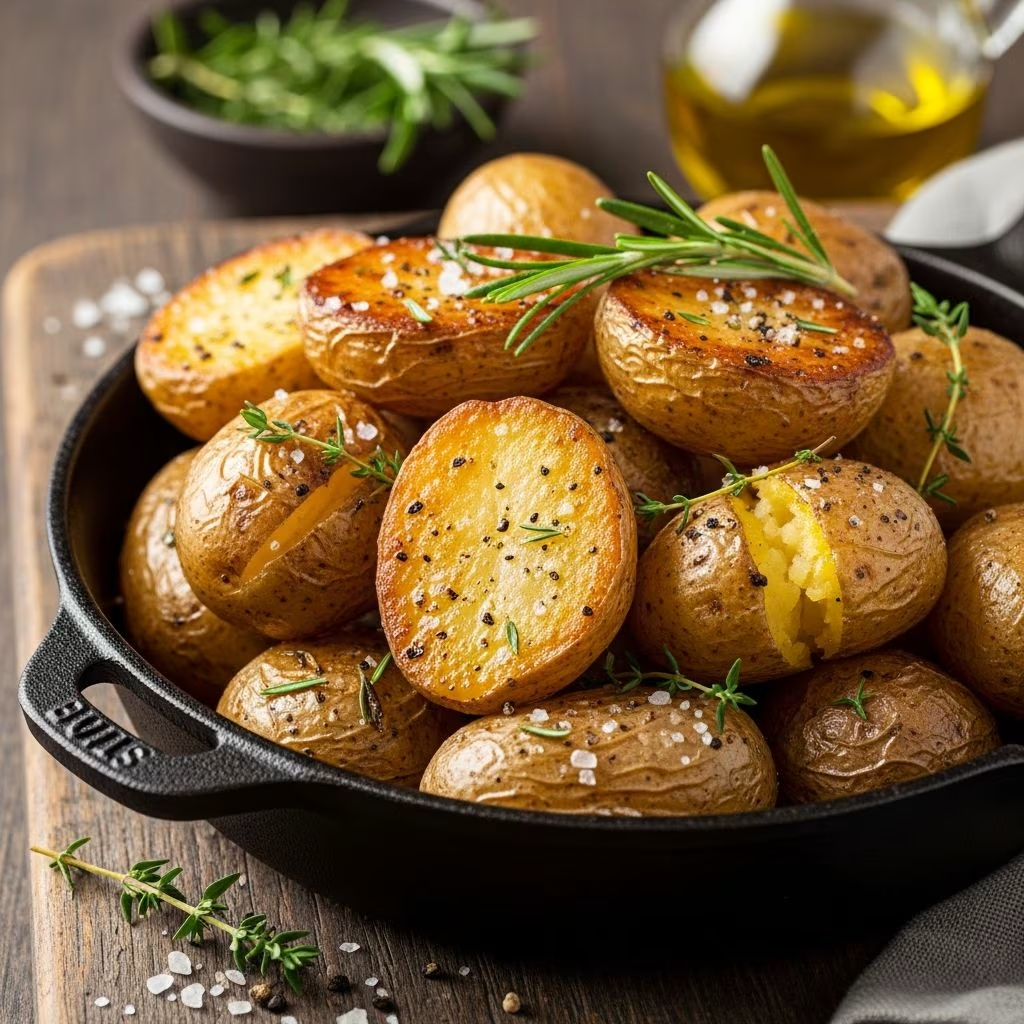
Achieving the perfect roasted potato—one with a shatteringly crisp exterior and a tender, buttery interior—has long been considered a culinary challenge that separates home cooks from experienced chefs. However, the secret to success lies not in complicated techniques or expensive ingredients, but in understanding the science of potato preparation and a single game-changing ingredient: baking soda.
Understanding Why Potatoes Resist Crispness
Before we dive into the solution, it’s important to understand why achieving crispiness in roasted potatoes is inherently difficult. Potatoes are composed primarily of starch and water, with their surface naturally resistant to browning during the initial stages of cooking. When you place raw potato pieces directly into hot oil, the exterior quickly hardens due to starch gelatinization, trapping moisture inside and preventing the development of the coveted crispy layer.
The challenge intensifies because potatoes have a relatively high moisture content. During cooking, this internal moisture migrates toward the surface, creating steam that prevents proper crisping. Additionally, the potato’s natural surface is too intact and smooth to develop the irregular, textured crust that yields that satisfying crunch.
The Alkaline Water Solution: How Baking Soda Transforms Potato Texture
The breakthrough technique involves using baking soda in the parboiling water, a simple addition that fundamentally alters the potato’s surface chemistry. When baking soda is added to boiling water, it increases the pH level, making the water alkaline. This alkaline environment triggers a remarkable transformation: the potato’s outer skin begins to break down more rapidly than it would in neutral water.
This breakdown is not a flaw—it’s precisely what creates the conditions for exceptional crispness. The alkaline water causes the outermost layers of the potato to soften and partially dissolve, creating a roughened, irregular surface texture. These softened outer edges are then deliberately roughed up further during the draining process, creating multiple microscopic peaks and valleys across the potato’s exterior.
When these textured, compromised surfaces hit hot oil in the oven, they undergo rapid moisture evaporation and browning. The uneven topography means multiple surface areas are exposed to direct heat simultaneously, allowing for exponentially more crisping than a smooth surface would provide. The result is a dramatically textured crust with significantly increased surface area—and therefore, dramatically increased crispiness.
Selecting the Right Potato Variety
Not all potatoes are created equal when it comes to roasting. The starch content and moisture profile of different potato varieties significantly impact the final texture.
| Potato Type | Starch Content | Best Use | Crispness Rating |
|---|---|---|---|
| Russet Potatoes | High | Roasting for maximum crispness | Excellent |
| Yukon Gold | Medium | General roasting, slight less crispness | Good |
| Red Potatoes | Low | Salads, boiling rather than roasting | Fair |
| Fingerling | Medium | Whole roasting with skins | Good |
Russet potatoes are the gold standard for achieving maximum crispness due to their higher starch content. Their dense interior structure means they hold their shape during the parboiling process while developing that desired roughened exterior. While Yukon Gold potatoes can be used in a pinch, they contain more moisture and less starch, making them naturally less prone to developing a crispy crust.
The Complete Step-by-Step Process
Preparation Phase
Begin by peeling your russet potatoes and cutting them into uniform 1-inch pieces. Uniformity is crucial because it ensures all pieces cook at the same rate, preventing some from being undercooked while others become mushy. Place the cut potatoes in a large bowl of cold water while you prepare your other ingredients—this prevents oxidation and keeps the potatoes from drying out.
The Critical Parboiling Step
Bring a large stockpot of water to a rolling boil. Add a generous quantity of kosher salt (approximately 1.5 to 2 tablespoons) and a small amount of baking soda (approximately 1/2 teaspoon). The salt seasons the potatoes from within and affects water density, while the baking soda creates the alkaline environment necessary for surface transformation.
Add your prepared potatoes to the boiling water and stir gently to ensure even heating. The cooking time during this parboiling phase should be 8 to 10 minutes, with the goal of reaching a state where the potatoes are fork-tender but still maintain significant structural integrity. You’re looking for the point where a fork can pierce the potato with slight resistance—not complete softness, which would cause disintegration during the roughing-up process.
The Texture-Creating Drain and Rough-Up
Once the potatoes have reached the proper parboil stage, drain them thoroughly in a colander. This step is absolutely critical: excess water remaining on the potatoes will create steam during roasting, which prevents crisping. Some recipes even recommend allowing the drained potatoes to rest briefly in the pot with the lid on to allow residual steam to escape.
Return the drained potatoes to the empty pot or a large bowl. Here’s where the magic happens: using a sturdy metal spoon or large serving spoon, vigorously toss and scrape the potatoes against the sides and bottom of the pot. This deliberate roughing-up process breaks down the already-softened exterior surfaces created by the alkaline parboiling water, creating the irregular, textured surface that will become magnificently crispy.
The goal is to create visible, deliberate scarring and small breakages on the potato surfaces. You should see the outer layer becoming noticeably mushy and rough. This seems counterintuitive, but these soft, torn edges are precisely what will crisp up brilliantly in the oven.
Oil Preparation and Temperature Control
While your potatoes are still warm from the cooking water, add your fat of choice and seasonings. Options include olive oil, avocado oil, ghee, duck fat, or goose fat. The amount should be generous—approximately 1/2 to 3/4 cup of oil for a standard batch of potatoes. This coating is essential not just for flavor, but because it facilitates browning and crisping through the Maillard reaction.
Toss the warm potatoes thoroughly with the oil, ensuring every piece is well-coated. At this point, you can season with salt, pepper, and any dried herbs. Some cooks add fresh minced garlic or garlic powder, dried thyme, rosemary, or paprika. The warm potatoes absorb these seasonings more effectively than cold potatoes would.
The Roasting Phase
Preheat your oven to 425 to 450 degrees Fahrenheit. Spread the oiled, seasoned potatoes on a rimmed baking sheet in a single layer, leaving some space between pieces rather than crowding them together. Space allows hot air to circulate completely around each piece, facilitating even browning and preventing steam accumulation.
Roast for approximately 45 minutes to 1 hour, stirring or shaking the pan approximately halfway through cooking. The potatoes are finished when they’re deeply golden brown on all sides and very crispy to the touch. If your oven runs cool, you may need additional time. If it runs hot, reduce the time accordingly.
Optional Garlic Herb Finish
For enhanced flavor, prepare a finishing oil by gently heating additional oil with minced garlic, fresh parsley, and thyme for approximately 30 seconds. During the final 3 to 5 minutes of roasting, remove the potatoes from the oven and toss them with this fragrant mixture, then return them to finish cooking. This technique infuses the crispy potatoes with additional flavor without compromising their texture.
Common Mistakes and How to Avoid Them
Using Parchment Paper: Parchment paper insulates the bottom of the potatoes, preventing the direct contact with the baking sheet necessary for maximum browning. Use unlined baking sheets for best results.
Overcrowding the Pan: When potatoes are packed too densely, steam becomes trapped and prevents crisping. Always leave at least an inch of space between pieces.
Insufficient Parboil Time: If potatoes aren’t parboiled long enough, they won’t cook through during roasting and the exterior won’t have that crucial roughed-up texture.
Skipping the Rough-Up Process: This is the single most important step. Without deliberately scarring the surface after parboiling, you’ll lose the opportunity to create the extreme crispiness that sets this method apart.
Using Insufficient Oil: Potatoes need adequate fat to brown properly. A thin coating of oil will result in dull, pale potatoes rather than golden, crispy ones.
Flavor Variations and Customization
The basic technique remains constant, but the flavor profile is endlessly customizable. Consider these combinations:
- Classic garlic and herb with fresh rosemary, thyme, and minced garlic
- Spicy Cajun style with Old Bay seasoning, cayenne, and smoked paprika
- Mediterranean with dried oregano, dried basil, and garlic powder
- Simple finish with fleur de sel and cracked black pepper
- Indian-inspired with garam masala, turmeric, and cumin
- Cheesy version with grated Parmesan cheese added in the final minutes
Storage and Make-Ahead Strategies
The beauty of this technique is that potatoes can be prepared several hours in advance. After the roughing-up phase, the prepared potatoes can be transferred to a covered bowl and held at room temperature for up to 2 hours before roasting. This makes the method ideal for entertaining, allowing you to complete the time-intensive parboiling and texture-creation stages earlier in the day.
Cooled leftover roasted potatoes can be stored in an airtight container in the refrigerator for up to 3 days. To revive them, spread on a baking sheet and reheat in a 375-degree oven for 8 to 10 minutes until warmed through and re-crisped.
Frequently Asked Questions
Why is my baking soda amount so small if it’s so important?
Only a small amount of baking soda is needed—typically 1/2 teaspoon per large pot of water—because the goal is simply to raise the pH slightly, not to create an extremely alkaline environment. A small adjustment in chemistry creates the desired effect without imparting a baking-soda taste to the potatoes.
Can I use baking powder instead of baking soda?
No. Baking powder is a combination of baking soda, cream of tartar, and sometimes cornstarch, and it won’t provide the same alkaline effect. Baking soda is the specific ingredient required.
What if I don’t have russet potatoes?
While russets are optimal, you can use Yukon Gold or other medium-starch potatoes with acceptable results, though the final crispness will be diminished. Avoid waxy potatoes like red potatoes entirely for this technique.
How do I know when potatoes are done roasting?
Finished potatoes should be deeply golden brown on all sides and should sound crispy when you tap them with a spoon. They should also be quite fragrant as the exterior caramelizes.
Can this method be used for potato wedges or other shapes?
Yes, though the parboil time may need slight adjustment based on thickness. Thicker pieces may require an additional 2 to 3 minutes of parboiling.
Conclusion
Creating perfectly crispy roasted potatoes is no longer a matter of luck or mysterious professional technique. By understanding the chemistry of alkaline water and deliberately engineering the potato’s surface texture, you can reliably produce restaurant-quality results in your own kitchen. The combination of baking soda, proper parboiling, aggressive roughing-up, and hot-oil roasting creates the ideal conditions for developing that coveted contrast between a shatteringly crisp exterior and a creamy, tender interior. Whether serving these potatoes as a side dish for a holiday meal or simply as a weeknight treat, this method will transform your roasted potato game.
References
- Crispy Roasted Potatoes (The Secret Is Baking Soda!) — Food By Maria. Accessed April 2026. https://www.foodbymaria.com/crispy-roasted-potatoes/
- Crispy Roasted Potatoes — The Modern Proper. Accessed April 2026. https://themodernproper.com/crispy-roasted-potatoes
- Extra Crispy Oven Roasted Potatoes Recipe — Little Spice Jar. Accessed April 2026. https://www.littlespicejar.com/extra-crispy-roasted-potatoes/
- Internet-Famous Crispy Potatoes — ScheckEats. Accessed April 2026. https://scheckeats.com/internet-famous-crispy-potatoes/