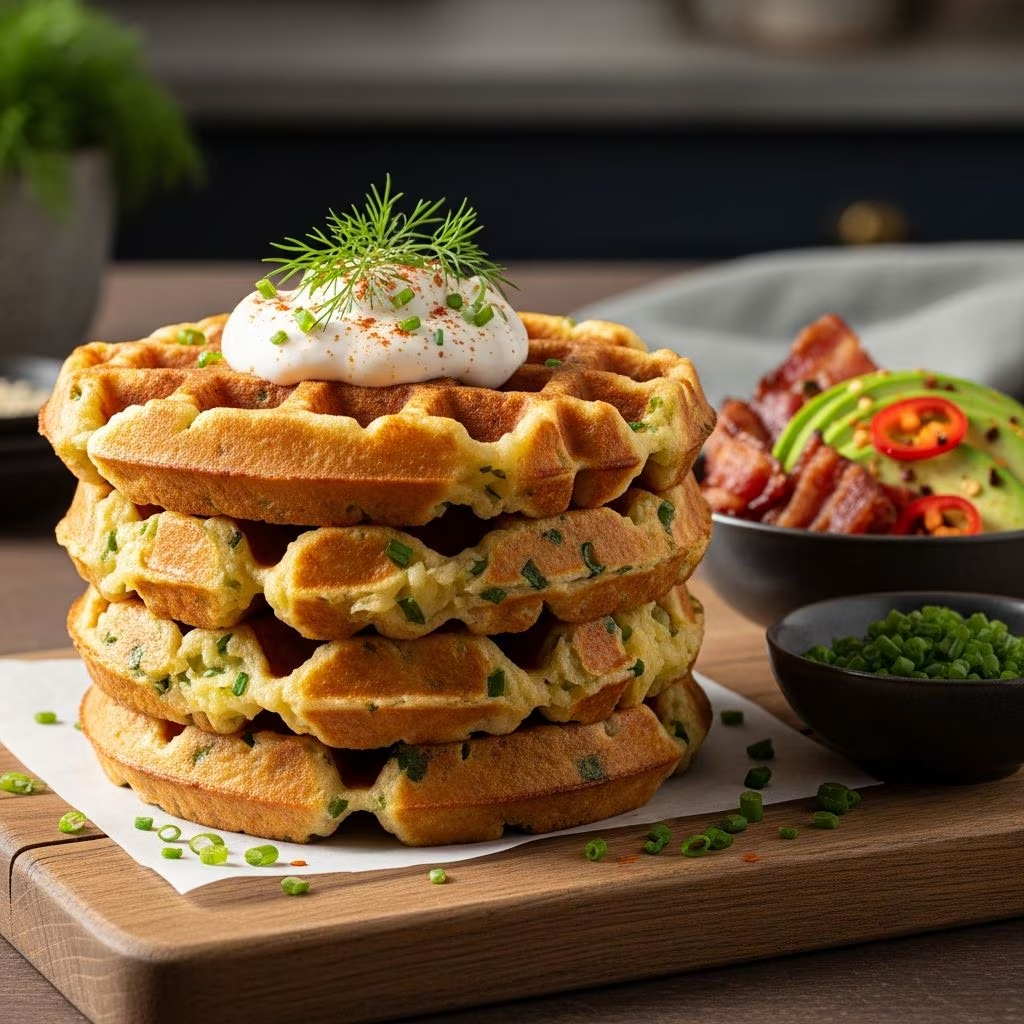
Potato waffles represent a creative and practical solution for transforming humble leftover potatoes into an elegant yet simple dish that works across multiple meals. Unlike their sweet counterparts, savory potato waffles combine comfort food appeal with sophistication, making them suitable for breakfast tables, casual brunches, or even light dinner options. The waffle iron becomes an unexpected kitchen tool that elevates traditional potato preparations into something visually impressive and remarkably satisfying.
Understanding the Foundation: What Makes Potato Waffles Special
The charm of potato waffles lies in their dual texture profile. When prepared correctly, the exterior becomes wonderfully crispy through the direct heat of the waffle iron, while the interior maintains a soft, tender consistency that contrasts beautifully with the outer crunch. This textural interplay distinguishes them from conventional mashed potato side dishes or traditional potato pancakes.
The foundation of any potato waffle begins with quality mashed potatoes. Whether you prepare these from scratch using medium-sized russet or Yukon gold potatoes or utilize refrigerated leftovers from a previous meal, the key consideration involves moisture content. Potatoes that are too wet will result in dense, soggy waffles, while excessively dry potatoes may produce crumbly, difficult-to-hold waffles. Room-temperature or slightly chilled leftover mashed potatoes work optimally, as cold potatoes help maintain structural integrity during cooking.
Essential Components for Your Waffle Batter
Binding Agents and Dry Ingredients
Creating the proper consistency requires balancing binding agents with dry ingredients. Most recipes incorporate eggs as the primary binder, which helps hold the potato mixture together while contributing to browning and structural stability. Flour serves as an additional thickening agent, with all-purpose flour being the standard choice. However, alternative flours like almond flour work well for those seeking lower-carbohydrate options, while tapioca flour appeals to those managing gluten intake.
The ratio typically calls for approximately two cups of mashed potatoes to half a cup of flour, though this can be adjusted based on the existing moisture level of your potatoes and personal preference regarding texture density.
Fat Components for Optimal Texture
Melted butter or clarified butter (ghee) adds richness and contributes to achieving that desirable crispy exterior. These fats distribute evenly throughout the batter when melted before incorporation, ensuring consistent texture throughout each waffle. The amount generally ranges from one-third to one-half cup, depending on whether additional ingredients contribute fat content.
Liquid Elements and Dairy
Milk or coconut milk introduces moisture that balances flour and helps achieve the correct batter consistency. Full-fat dairy products create richer results, though lighter alternatives work acceptably. The liquid quantity should allow the mixture to hold together while remaining slightly thick—different from pancake batter which pours, potato waffle batter requires spreading within the iron.
Flavor Enhancement Through Strategic Additions
Cheese Selections
Shredded cheese transforms plain potato waffles into something genuinely special. Aged cheddar provides a sharp, distinctive flavor that intensifies when crisped in the waffle iron. Pepper jack introduces subtle heat, while mozzarella offers a milder, more subtle profile. Most recipes incorporate one to two cups of cheese, typically divided between mixing into the batter and sprinkling as a topping for additional crispness and flavor concentration.
Aromatic Vegetables
Fresh green onions or scallions provide onion flavor without overpowering the potato base. These should be finely sliced to distribute evenly throughout the batter. Minced garlic adds depth and savory complexity, typically using two to three cloves per full batch. For those seeking additional vegetable content, finely chopped and sautéed spinach, kale, or bell peppers integrate seamlessly into the mixture without disrupting texture.
Seasonings and Spices
Beyond salt and pepper, subtle additions like nutmeg enhance the potato flavor profile, creating warmth and sophistication. Dried herbs or fresh basil complement the savory elements, while granulated garlic powder offers concentrated flavor without textural interference. These additions should be balanced carefully to enhance rather than dominate the potato foundation.
Preparation and Cooking Methodology
Mixing Technique and Temperature Considerations
Combine all ingredients in a large mixing bowl, ensuring thorough but gentle mixing to avoid developing excessive gluten, which can result in tough, dense waffles. Room-temperature ingredients mix more uniformly than cold components directly from refrigeration. Cold mashed potatoes can be used directly, as they will warm during the mixing process.
Waffle Iron Preparation and Heat Management
Preheat your waffle iron according to manufacturer specifications, typically on medium to high heat settings. The heat setting significantly impacts final texture—higher temperatures promote crispness while lower temperatures produce softer, cake-like results. Lightly oil the waffle iron grid with cooking spray or brush with high smoke-point oil like avocado oil to prevent sticking without creating greasiness.
Cooking Process and Timing
Spoon approximately half-cup of batter into the center of the preheated waffle iron, spreading gently with the back of a spoon to ensure even distribution. Close the lid without forcing it down excessively, as gentle contact allows proper cooking. Potato waffles typically require significantly longer cooking time than traditional flour-based waffles—expect ten to fifteen minutes on medium-high heat, with cooking time varying based on waffle iron size, batter thickness, and individual equipment characteristics.
Steam will gradually diminish as the waffle cooks, signaling moisture reduction and approaching completion. Avoid opening the iron prematurely, as this releases steam and can cause waffles to break or cook unevenly. Once steam production substantially decreases, carefully open the iron to check for golden-brown coloring, adjusting cooking time as needed for your specific equipment.
Presentation and Topping Possibilities
Savory Topping Combinations
The versatility of potato waffles accommodates numerous topping strategies. Sour cream mixed with fresh chives creates a classic accompaniment, while crispy bacon bits add textural contrast and smoky flavor. Fresh sliced tomatoes, avocado, or guacamole introduce freshness and nutritional balance. Salsa and hot sauce appeal to those preferring bolder, spicier profiles.
Protein-Forward Options
A perfectly cooked egg placed atop a warm waffle transforms it into a complete meal, with runny yolks creating an unexpected sauce. Grilled chicken, smoked salmon, or leftover roasted meats convert potato waffles into satisfying dinner components. Vegetarian proteins like seasoned black beans or crispy tofu appeal to plant-based diets.
Sauce and Condiment Applications
Beyond traditional sour cream, creamy avocado-basil sauce creates restaurant-quality presentations. Greek yogurt-based sauces offer protein and probiotic benefits while maintaining tanginess. Herb-infused oils drizzled over warm waffles provide elegant finishing touches, while cheese sauces create indulgent comfort food presentations.
Customization and Variation Strategies
Dietary Accommodation Options
Paleo-oriented versions substitute almond flour for wheat flour and incorporate ghee instead of butter, maintaining the recipe’s integrity while meeting specific dietary requirements. Those avoiding eggs can experiment with aquafaba (chickpea cooking liquid) as a binder, though results may vary. Dairy-free alternatives using coconut milk and dairy-free cheese perform adequately in most potato waffle applications.
Flavor Profile Experimentation
Mediterranean variations incorporate sun-dried tomatoes, fresh basil, and feta cheese for bright, sophisticated flavors. Southwestern interpretations leverage jalapeños, cumin, and pepper jack cheese for warm spice profiles. Asian-inspired versions might include green onion, ginger, and soy-based drizzles, creating unexpected flavor dimensions.
Storage and Make-Ahead Strategies
Potato waffles maintain quality when refrigerated in airtight containers for up to four days, though they’re ideally consumed within two days of preparation. Reheat using a toaster oven, regular oven, or careful waffle iron reheating to restore exterior crispness without drying the interior. Freezing cooked waffles for up to two months provides convenient meal-prep options; simply reheat from frozen using standard toasting methods.
Troubleshooting Common Preparation Challenges
Texture and Structural Issues
Waffles that emerge too soft indicate either insufficient cooking time or excessively low heat settings. Conversely, extremely crispy or hard waffles suggest excessive heat exposure or inadequate moisture in the original batter. Adjusting both heat levels and cooking duration allows customization to personal texture preferences.
Sticking and Release Problems
Inadequate waffle iron oiling creates sticking issues, while excessive oil produces greasiness. High smoke-point oils like avocado or grapeseed oil perform better than butter for preventing adhesion. Ensuring the iron reaches full temperature before adding batter also improves release.
Consistency and Batter Issues
Batter that’s too thin won’t hold together during cooking; adding additional flour or reducing liquid content resolves this. Conversely, excessively thick batter won’t spread evenly; additional milk or melted butter corrects the situation. Cold potatoes may require longer mixing times to fully incorporate with other ingredients.
Nutritional Considerations and Serving Suggestions
Potato waffles provide carbohydrates from potatoes and flour, balanced by protein from eggs and cheese, with fat content from butter and additional cheese. Incorporating vegetables like spinach or peppers increases fiber and micronutrient density. Portion sizes can be managed by adjusting topping selections—lighter vegetable toppings provide volume and nutrition with minimal caloric addition, while cream-based or protein-heavy toppings create more substantial meals.
These waffles work exceptionally well as breakfast components alongside fresh fruit and yogurt, as midday brunch offerings with champagne or mimosas, or as light dinner bases when paired with substantial vegetable sides or protein additions.
Equipment Considerations and Waffle Iron Selection
Standard household waffle irons work adequately for potato waffles, though devices with adjustable temperature controls provide better precision. Deep-dish or Belgian-style waffle irons create thicker, more impressive presentations, while traditional shallow grids produce thinner, crisper versions. Non-stick coatings significantly ease cleanup, while vintage cast-iron irons, though requiring more maintenance, produce exceptional results.
Frequently Asked Questions
Can I use instant mashed potatoes for this recipe?
While technically possible, instant potatoes create less desirable results compared to homemade or leftover traditional mashed potatoes. The texture becomes gluey or mealy rather than achieving the optimal creamy-crispy combination. Fresh or refrigerated mashed potatoes substantially outperform instant varieties.
How far in advance can I prepare the batter?
Prepared batter keeps refrigerated for up to eight hours, though batter quality gradually diminishes as flour hydrates and ingredients separate slightly. Mixing fresh batter yields superior results, though prepared batter remains entirely usable within this timeframe.
What’s the best way to reheat leftover potato waffles?
A standard toaster oven at 350°F for five to eight minutes restores crispness while warming the interior. Waffle iron reheating on medium heat also works effectively, though requires monitoring to prevent over-crisping. Microwave reheating, while convenient, produces undesirable texture loss and isn’t recommended.
Can these waffles be frozen for later use?
Yes, cooked waffles freeze successfully for up to two months when stored in freezer bags or airtight containers. Thaw at room temperature or reheat directly from frozen using toaster oven or oven reheating methods.
References
- Potato Waffles with Cheddar Cheese and Green Onions — Feel Good Foodie. 2024. https://feelgoodfoodie.net/recipe/potato-waffles/
- Mashed Potato Waffles and Creamy Avocado Basil Sauce — Healthy Nibbles and Bits. 2023. https://healthynibblesandbits.com/mashed-potato-waffles-and-creamy-avocado-basil-sauce/
- Southwestern Mashed Potato Waffles — Delish Knowledge. 2023. https://www.delishknowledge.com/southwestern-mashed-potato-waffles/
- Easy Cheesy Potato Waffles — Little Nomads Recipes. 2023. https://littlenomadsrecipes.com/easy-cheesy-potato-waffles/
- Crispy Mashed Potato Waffles — Mom’s Dish. 2024. https://momsdish.com/crispy-mashed-potato-waffles
- Leftover Mashed Potato Waffles and Topping Ideas — The Fit Fork. 2023. https://thefitfork.com/leftover-mashed-potato-waffles-topping-ideas/