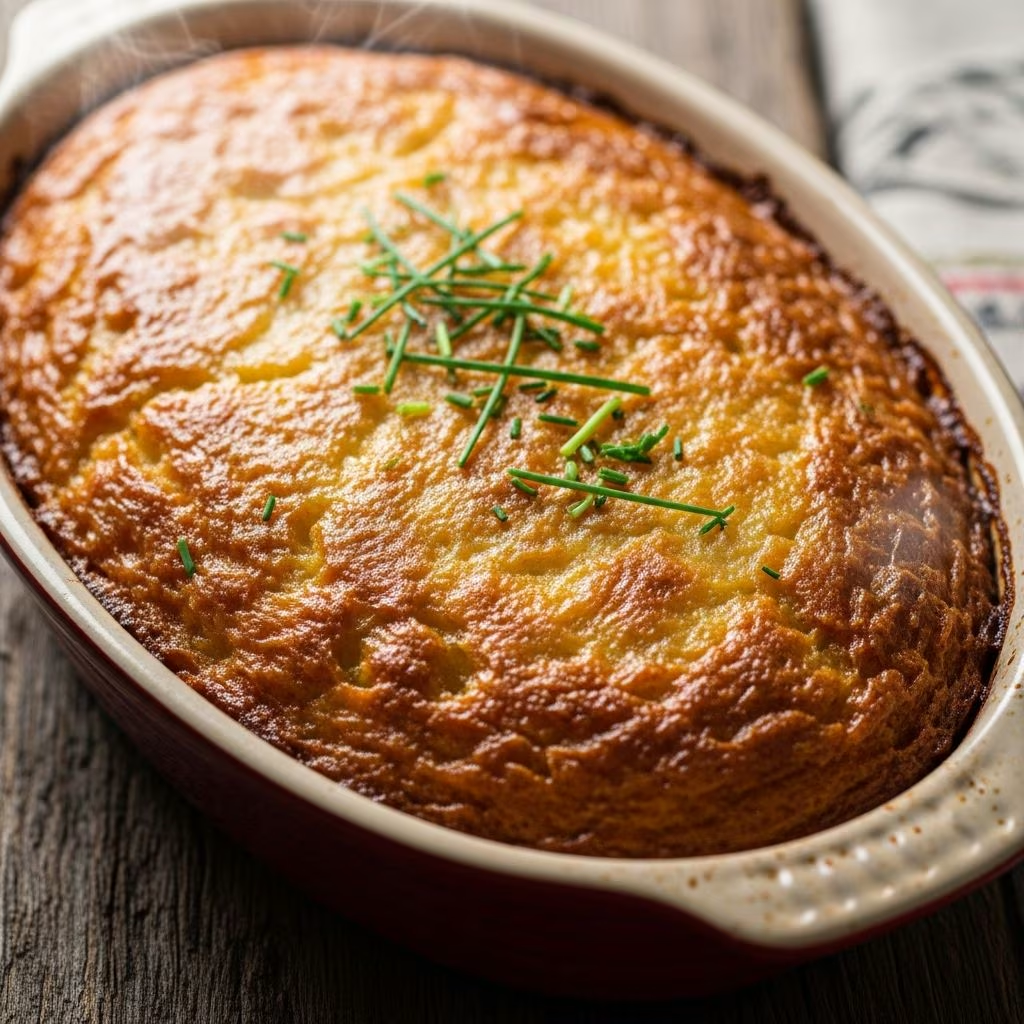
Potato kugel stands as a cornerstone of Jewish culinary tradition, particularly cherished during Passover and other holidays. This baked casserole combines shredded potatoes and onions with eggs and oil, yielding a dish that’s crispy on the outside and tender within. Its versatility makes it a favorite side for roasted meats or a standalone comfort food.
The Heritage and Appeal of Potato Kugel
Rooted in Ashkenazi Jewish cooking, potato kugel—often called kugel or potato pudding—dates back centuries. Families pass down recipes, each with subtle tweaks reflecting regional tastes or available ingredients. The dish’s magic lies in its simplicity: humble potatoes transform into something indulgent through grating, binding with eggs, and high-heat baking for that signature crust.
Today, it graces tables beyond holidays, appealing to anyone seeking hearty, vegetarian fare. Its gluten-free potential (using potato starch) broadens its reach, while the aroma of baking onions and potatoes evokes warmth and nostalgia.
Essential Ingredients for Success
Gathering quality components ensures your kugel shines. Focus on starchy potatoes like Russets or Yukon Golds for optimal texture—they hold shape while releasing just enough moisture.
- Potatoes: 5-8 medium (about 3-5 lbs), peeled and grated. More potatoes yield fluffier results.
- Onions: 2 large, for moisture and savory depth.
- Eggs: 5-7 large, acting as the binder.
- Oil or fat: ½-¾ cup vegetable oil, olive oil, or schmaltz for richness. Reserve some for the pan.
- Seasonings: 2-3 tsp salt, ½-1 tsp pepper, optional garlic powder.
- Thickener: ¼-⅓ cup potato starch, matzah meal, or cornstarch (Passover-friendly options).
These proportions serve 8-12, scalable for crowds. Fresh ingredients prevent sogginess.
Step-by-Step Preparation Guide
Mastering kugel requires attention to moisture control and oven technique. Prep takes 20-40 minutes; baking 1-1.5 hours.
- Preheat and Prep Pan: Set oven to 400°F (200°C). Place a 9×13-inch dish with 2-3 tbsp oil inside to heat—this creates the crisp base.
- Grate Produce: Peel potatoes, cut lengthwise for processor fit. Grate using shredding blade or box grater. Soak in cold water briefly to prevent browning, then drain and squeeze dry in a towel. Grate onions separately with chopping blade.
- Mix Batter: Whisk eggs, remaining oil, salt, pepper, and thickener in a large bowl. Fold in potatoes and most onions (reserve some to coat potatoes, reducing oxidation).
- Assemble: Remove hot pan (use mitts), swirl oil to coat. Add batter, smooth top evenly. Sprinkle paprika or sea salt for flavor and color.
- Bake: 40-60 minutes at 400°F until edges crisp, then lower to 350°F (180°C) for 20-30 more minutes until golden. Rest 10 minutes before slicing.
Hand-mixing ensures even distribution; wear gloves if preferred.
Tips for the Perfect Crispy Crust
The coveted crunch defines great kugel. Hot oil in a preheated pan is key—it fries the bottom instantly. Squeeze potatoes thoroughly to expel starch-laden water, preventing steaminess. Avoid overmixing post-grating to retain shreds’ integrity.
| Common Issue | Solution |
|---|---|
| Soggy center | Grate finer or add more starch; bake longer. |
| No crust | Ensure pan is scorching hot; use ample oil. |
| Browning too fast | Tent with foil after 45 minutes. |
| Raw potatoes | Use starchy varieties; check doneness with a knife. |
Test oil readiness by dropping batter—it should sizzle.
Customizing Your Kugel
While classic is unbeatable, variations add excitement.
- Spicy: Add cayenne or hot paprika.
- Cheesy: Mix in cheddar post-baking (non-Passover).
- Veggie-Packed: Incorporate shredded carrots or zucchini.
- Mini Cups: Bake in muffin tins for 25-35 minutes—perfect appetizers.
- Sweet: For dessert kugel, add sugar, cinnamon, and raisins.
Passover versions skip flour-based thickeners.
Storage, Reheating, and Freezing
Kugel keeps well, making it ideal for meal prep.
- Fridge: Up to 4 days in airtight container. Reheat at 350°F for 15-20 minutes.
- Freezer: Cool completely, wrap tightly, freeze up to 3 months. Thaw overnight, reheat covered to retain moisture.
- Make-Ahead: Assemble batter, refrigerate up to 24 hours before baking.
Serve warm or room temperature; pairs with sour cream, applesauce, or brisket.
Nutritional Insights
A generous slice (1/12th) offers about 250-350 calories, rich in potassium from potatoes, protein from eggs. It’s naturally low-carb if starch is minimal, but oil adds healthy fats. Customize with olive oil for heart benefits.
Potato Kugel in Holiday Traditions
During Passover, kugel symbolizes abundance amid restrictions—no leavened grains. At Shabbat dinners, it comforts with its oven-ready ease. Modern twists include vegan versions using aquafaba for eggs.
Explore global spins: Yiddish kugel means ‘ball,’ evolving to baked forms. In Israel, it’s street food; in America, a deli staple.
Frequently Asked Questions
Can I make potato kugel without a food processor?
Yes, use a box grater—it’s traditional and therapeutic, though more labor-intensive.
Is potato kugel gluten-free?
Naturally, if using potato starch instead of matzah meal or flour.
Why do potatoes turn brown?
Oxidation; soak in water with lemon juice or mix with onions immediately.
How do I know when it’s done?
Edges crispy, top golden, center firm when pierced with a knife.
Can I use sweet potatoes?
For a sweeter profile, mix half-and-half with russets, adjusting sugar if desired.
Conclusion
Potato kugel embodies comfort and tradition in every bite. With practice, you’ll craft a family heirloom recipe. Experiment confidently—its forgiving nature rewards home cooks.
References
- Authentic & Delicious Potato Kugel Recipe — The Simple Home Journey. 2023. https://thesimplehomejourney.com/authentic-delicious-potato-kugel-recipe/
- Classic Potato Kugel — My Jewish Learning (The Nosher). 2022-04-10. https://www.myjewishlearning.com/the-nosher/classic-potato-kugel/
- Potato Kugel — Savoring Italy. 2021. https://www.savoringitaly.com/potato-kugel/
- Passover Potato Kugel — Tori Avey. 2020-03-25. https://toriavey.com/passover-potato-kugel/