Carrots are one of the most versatile and nutritious vegetables available, yet they often remain underappreciated in home cooking. Too frequently, they find their way onto dinner plates as steamed, mushy accompaniments that lack character and excitement. However, when prepared correctly, carrots can become a star component of any meal—crispy on the outside, tender within, and bursting with savory, umami-rich flavors. The technique of smashing and roasting carrots, combined with the addition of parmesan cheese and ranch seasoning, elevates this humble root vegetable into something truly remarkable.
This preparation method transforms the carrot’s natural sweetness while introducing textural contrasts and complex flavor layers that make the dish memorable. Whether you’re seeking a new side dish to complement grilled meats, a sophisticated appetizer for entertaining, or a satisfying snack for the between-meal hours, this approach to preparing carrots delivers on multiple fronts. The beauty of this recipe lies not only in its finished product but also in its accessibility—requiring minimal ingredients, basic kitchen equipment, and straightforward techniques that home cooks of any skill level can execute successfully.
Understanding the Ingredient Foundation
The success of this dish begins with understanding each component’s role in the final outcome. The recipe relies on a carefully balanced combination of elements that work synergistically to create the desired texture and flavor profile.
The Base: Fresh Carrots
The foundation of this dish is, naturally, carrots themselves. For optimal results, select firm carrots with unblemished skin and vibrant coloring. Medium-sized carrots tend to work better than either very small or extremely large specimens, as they provide manageable portions and cook evenly. Before preparation, thoroughly wash carrots under cold running water to remove any soil, then peel away the outer skin using a vegetable peeler or sharp knife. The peeling step is important not just for aesthetic reasons but also to ensure uniform cooking throughout the dish.
When cutting carrots, consistency matters significantly. Aim for uniform pieces approximately half an inch thick when cutting crosswise into coins. This uniformity ensures that all pieces finish cooking at approximately the same time, preventing some from becoming mushy while others remain hard. Many home cooks find it helpful to cut one piece and use it as a reference guide for the remaining carrots, ensuring consistency throughout the batch.
The Flavor Trio: Oil, Cheese, and Seasoning
Three primary flavor components transform simple carrots into an elevated dish. Neutral cooking oil—such as vegetable, canola, or refined coconut oil—provides the fat necessary for crisping and helps distribute seasonings evenly across each piece. The oil also facilitates the browning reactions that create the appealing caramelized exterior.
Freshly grated parmesan cheese contributes nutty, savory notes alongside essential umami qualities. Purchasing whole parmesan blocks and grating them at home yields superior flavor and texture compared to pre-shredded versions, which often contain anti-caking agents that affect the final result. The cheese not only seasons the dish but also creates tiny, crispy edges that add textural complexity.
Ranch seasoning powder provides herbaceous notes and saltiness that complement both the carrot’s natural sweetness and the cheese’s savory character. This readily available seasoning blend typically contains dried herbs like chives, parsley, and dill, along with garlic and onion powders, creating a convenient flavor foundation that would otherwise require mixing multiple dried herbs individually.
The Two-Stage Cooking Technique Explained
This recipe employs a two-stage cooking approach that ensures optimal results. Understanding the purpose behind each stage helps home cooks execute the technique successfully and troubleshoot any issues that arise.
Stage One: The Preliminary Cook
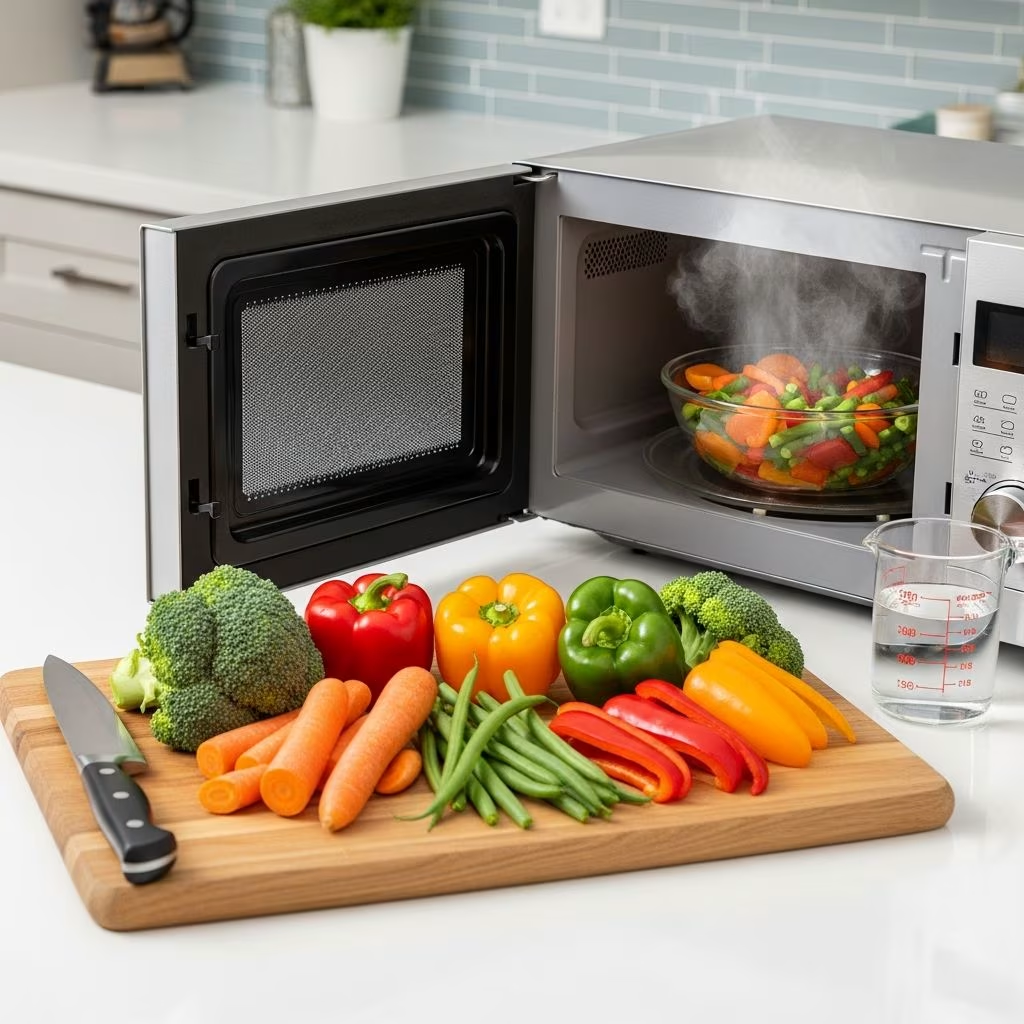
The first stage involves boiling or microwaving carrots in water until they reach a fork-tender state. This step is crucial for several reasons. First, it significantly reduces the overall cooking time, as carrots require substantial time to soften when relying solely on dry-heat roasting. Second, this preliminary cooking ensures that the carrot’s interior reaches perfect tenderness regardless of thickness variations in your cut pieces. Without this step, some pieces would remain hard while others overcook.
When using the boiling method, bring a pot of water to a rolling boil, add carrots, and maintain a gentle simmer for approximately ten minutes. When using the microwave method, combine carrots with water in a microwave-safe bowl, cover loosely, and microwave in one-minute increments, stirring between each interval, until the carrots become very tender. The microwave method typically requires three to five minutes total, though exact timing depends on your specific microwave and carrot size.
It’s important to avoid overcooking during this stage. The carrots should be tender enough to accept a fork with minimal pressure but should not be so soft that they fall apart when handled. They’ll continue cooking during the roasting stage, so stopping slightly short of complete softness is advisable.
Stage Two: The Roasting and Crisping
After thorough draining, the preliminary-cooked carrots are transferred to a baking sheet, dressed with oil and seasonings, then carefully smashed flat. The smashing accomplishes multiple objectives: it increases surface area for browning, creates irregular edges that become particularly crispy, and ensures even thickness for uniform cooking.
Use a heavy-bottomed glass, measuring cup, or the base of a sturdy jar to apply steady, even pressure to each carrot piece. The goal is to compress the carrot to approximately one-quarter inch thickness without pulverizing it into unrecognizable pieces. This requires a delicate balance of applying adequate pressure while maintaining the carrot’s structural integrity.
Roasting occurs in a preheated oven set to 425 degrees Fahrenheit. At this relatively high temperature, the carrots’ exterior develops the desired golden-brown color and crispy texture through the Maillard reaction—the same chemical process that creates appealing browning on bread, roasted vegetables, and seared meats. The roasting duration typically ranges from fifteen to twenty-five minutes, depending on your oven’s characteristics and the exact thickness of your smashed carrots. The dish is finished when the carrots display golden-brown coloring, particularly around the edges, and feel crispy when pressed.
Customization and Variation Opportunities
While the classic parmesan and ranch combination is delicious and reliable, this basic technique supports numerous creative variations.
| Flavor Profile | Cheese Options | Seasoning Additions | Finishing Touches |
|---|---|---|---|
| Mediterranean | Feta or aged Gouda | Dried oregano, garlic powder, lemon zest | Fresh herbs like oregano or thyme |
| Spicy Southwestern | Cotija or sharp cheddar | Cumin, paprika, chili powder, cayenne | Lime juice, fresh cilantro |
| Asian-Inspired | Sesame seeds instead of cheese | Garlic powder, ginger powder, five-spice | Toasted sesame seeds, green onions |
| Italian Herb | Pecorino Romano or Asiago | Italian seasoning blend, garlic, black pepper | Fresh basil, red pepper flakes |
| Smoky and Bold | Smoked Gouda or aged provolone | Smoked paprika, garlic, thyme | Bacon bits, fresh thyme sprigs |
These variations demonstrate the versatility of the base technique. The key is maintaining the fundamental approach while adjusting flavoring components to match your taste preferences or the overall meal composition.
Serving Suggestions and Pairing Opportunities
The crispy parmesan ranch carrots pair exceptionally well with numerous main courses and can be served in various contexts throughout your menu.
- As a side dish: These carrots complement grilled proteins beautifully, particularly chicken, beef, and fish. Their crispy texture and rich flavors balance lighter preparations, while their vegetable foundation adds nutritional value and visual interest to the plate.
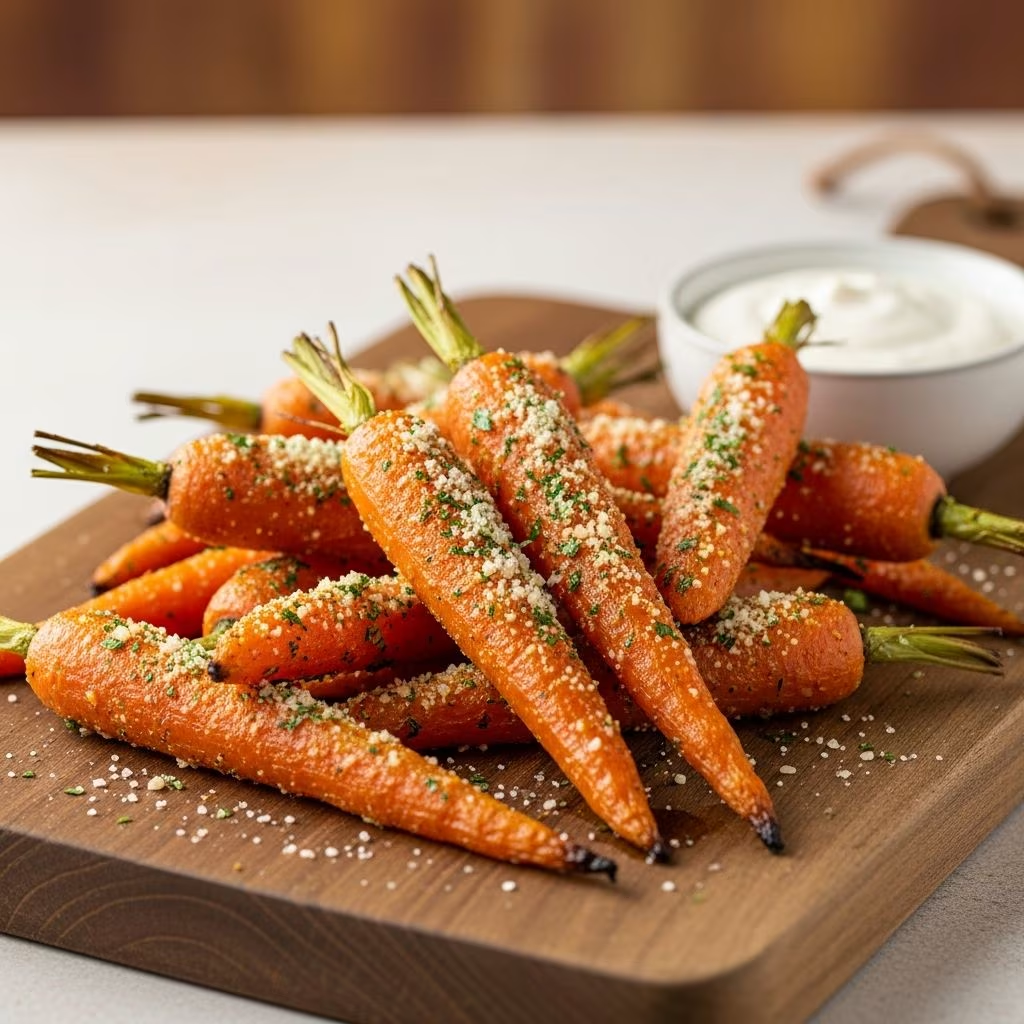
- As an appetizer: Served at room temperature with ranch dressing for dipping, these carrots make an impressive appetizer for entertaining. Guests often assume the preparation is more involved than it actually is, making you appear like a more sophisticated cook than the effort required.
- As a snack: The individual pieces are naturally portioned for snacking. Pack them in containers for lunch boxes, store them in the refrigerator for between-meal grazing, or serve them at casual gatherings where finger foods are appropriate.
- On salads: Crumbled or broken into smaller pieces, these roasted carrots add textural contrast and rich flavor to otherwise simple green salads.
- In grain bowls: Layer them atop quinoa, rice, or other grains along with vegetables, proteins, and dressing for a composed, balanced meal.
Storage and Make-Ahead Preparation
These roasted carrots maintain quality for several days when stored properly. Allow them to cool completely before transferring to an airtight container, where they’ll keep refrigerated for up to four days. For longer storage, freeze them in a single layer on a baking sheet, then transfer to a freezer bag, where they’ll maintain quality for up to three months.
When reheating, place them on a baking sheet and warm in a 350-degree oven for five to ten minutes until they regain their crispness. Microwaving is quicker but may result in a slightly softer texture. For serving at room temperature, they don’t require reheating at all, making them convenient for picnics and packed meals.
You can prepare the carrots through the smashing and seasoning stage in advance, refrigerating them on the baking sheet for up to eight hours before the final roasting step. This approach allows you to minimize last-minute preparation time, roasting the carrots just before serving for maximum crispness.
Nutritional Considerations and Health Benefits
Carrots are nutritionally dense vegetables, providing significant amounts of beta-carotene (which the body converts to vitamin A), dietary fiber, and various beneficial phytonutrients. The cooking process, particularly the initial boiling or microwaving stage, makes certain nutrients more bioavailable, allowing your body to absorb and utilize them more effectively. The addition of oil further enhances nutrient absorption, as fat-soluble vitamins require dietary fat for proper absorption.
While parmesan cheese and ranch seasoning add calories and sodium compared to plain roasted carrots, they contribute protein, calcium, and flavor satisfaction that makes the dish more enjoyable and sustainable as a regular part of a balanced diet. The increased palatability of a flavorful vegetable side dish often encourages greater vegetable consumption overall, supporting broader nutritional goals.
Frequently Asked Questions
Can I use baby carrots instead of regular carrots?
Yes, baby carrots work well in this recipe. Reduce the preliminary cooking time to five to seven minutes, as they’re already smaller and cook faster. Depending on their size, you may skip the smashing step entirely and proceed directly to roasting, or apply very light pressure if you prefer a flatter presentation.
What if I don’t have fresh parmesan cheese?
Pre-shredded parmesan works adequately, though the results won’t be quite as refined. Use the same quantity called for in the recipe. Alternatively, substitute other hard cheeses like Pecorino Romano, aged Gouda, or Asiago for different flavor profiles.
How can I make this dish vegetarian or vegan?
This recipe is naturally vegetarian. For a vegan version, omit the parmesan cheese and use a high-quality vegan cheese alternative or nutritional yeast as a substitute, adjusting quantities to taste.
What’s the best way to avoid soggy carrots?
Ensure complete drainage after the preliminary cooking stage. Spread the drained carrots on paper towels for a minute or two to absorb excess moisture before tossing with oil and seasonings. During roasting, don’t cover the baking sheet with foil, allowing moisture to escape freely.
Can I broil these for extra crispness?
Yes, after the main roasting period, you can switch your oven to the broiler setting and broil the carrots for one to two minutes, watching closely to prevent burning. This step intensifies browning and increases crispiness but requires attention to prevent charring.
References
- Vegetables and Legumes — U.S. Department of Agriculture MyPlate. 2024. https://www.myplate.gov/eat-healthy/vegetables-legumes
- Carotenoids and Human Health — National Institutes of Health, Office of Dietary Supplements. 2023. https://ods.od.nih.gov/factsheets/Carotenoids-HealthProfessional/
- The Maillard Reaction in Cooking — Journal of Agricultural and Food Chemistry, American Chemical Society. 2022. https://pubs.acs.org/journal/jafcau
- Fat-Soluble Vitamins and Nutrient Absorption — American Journal of Clinical Nutrition. 2023. https://academic.oup.com/ajcn
- Food Storage and Safety Guidelines — U.S. Food and Drug Administration. 2024. https://www.fda.gov/food/food-storage