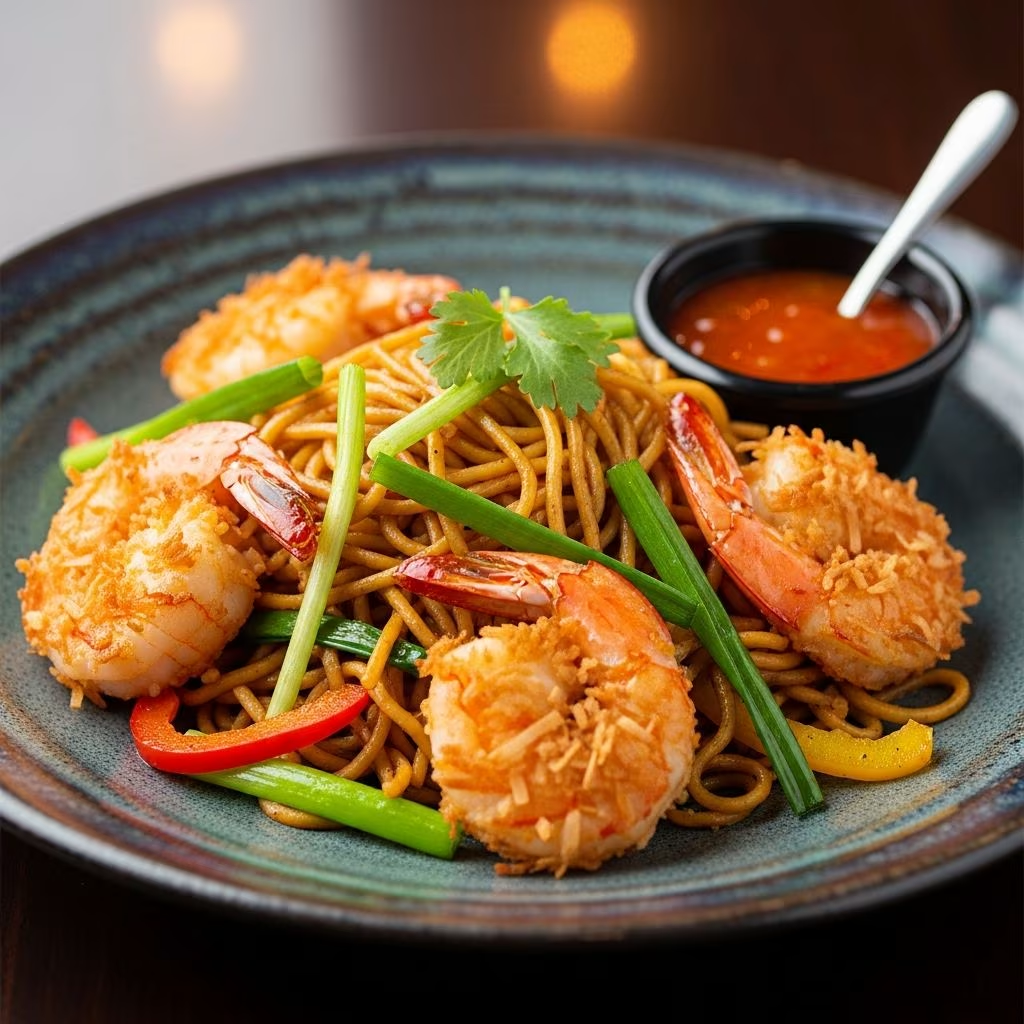
Pan-fried noodle dishes represent one of the most versatile approaches to weeknight cooking, offering the flexibility to incorporate proteins, vegetables, and flavor profiles that suit your preferences. When combined with coconut-coated shrimp, this preparation method creates a harmonious balance of textures and tastes that elevates an ordinary dinner into something memorable. The beauty of this dish lies in its simplicity—requiring minimal prep work while delivering maximum flavor impact.
The foundation of a successful pan-fried noodle dish begins with understanding how to properly prepare and cook the base components. Rather than boiling noodles until they’re soft, the pan-frying technique creates desirable textural contrasts. Some portions of the noodles develop crispy, golden edges while others retain a slight chewiness, providing complexity that standard preparation methods cannot achieve.
Selecting Your Noodle Foundation
The type of noodle you choose significantly impacts both the texture and flavor of your final dish. Different noodle varieties absorb sauce differently and offer varying degrees of structural integrity during cooking. Understanding these differences allows you to make intentional choices rather than arbitrary selections.
Rice noodles represent a popular choice for this application, as they provide a neutral flavor profile that complements both the coconut shrimp and vegetables without competing for dominance. These noodles cook quickly and maintain an appealing texture even when exposed to moisture from sauce or vegetables. The thin strands also facilitate even distribution of flavoring throughout the dish.
Alternatively, egg noodles or wheat-based noodles offer a heartier foundation that can stand up to heavier sauces and longer cooking times. These varieties develop more pronounced browning and crispiness during pan-frying, creating textural elements that appeal to those who prefer more substantial noodle dishes. Ramen noodles, when the seasoning packet is discarded, provide another adaptable option that becomes remarkably crispy when cooked using the pan-frying method.
For optimal results regardless of noodle selection, prepare your noodles just slightly before their full doneness. This technique, called undercooking or cooking to al dente, prevents them from becoming mushy during the final pan-frying phase. The residual cooking that occurs during pan-frying will complete the cooking process while maintaining the desired textural qualities.
Preparing Shrimp for Coconut-Coated Excellence
Shrimp preparation requires attention to detail, as the protein must be properly cleaned and handled to achieve optimal results. Begin by selecting appropriately sized shrimp—larger varieties provide better textural appeal than smaller options. The larger surface area allows for better seasoning application and creates more visually impressive presentations.
Peeling and deveining shrimp removes both the shell and the intestinal tract that runs along the back of the protein. This preparation step is essential for texture and appearance, as the vein contains sand and debris that create an unpleasant gritty sensation. Devein by using a small knife to create a shallow cut along the back and gently removing the dark line beneath.
Fresh shrimp offers superior flavor and texture compared to previously frozen varieties, though frozen shrimp properly thawed maintains acceptable quality. If using frozen shrimp, defrost gradually in refrigeration rather than using hot water, which can compromise the protein structure and create a mushy final product. Patting shrimp dry after defrosting removes surface moisture that would otherwise interfere with browning and coating adherence.
The coconut coating on shrimp can be achieved through several methods. Purchasing pre-breaded frozen coconut shrimp simplifies preparation considerably. Alternatively, creating a homemade coating involves combining shredded coconut with breadcrumbs, seasonings, and a binding agent like egg white. This approach provides greater control over the final flavor profile and allows for customization based on personal preferences or dietary requirements.
Building Your Vegetable Component
Vegetables contribute both nutritional value and textural variety to pan-fried noodle dishes. The selection should balance visual appeal with flavor compatibility and cooking time requirements. Vegetables that cook quickly prevent overcooking while ensuring the entire dish reaches proper temperature simultaneously.
Bell peppers, whether red, yellow, or green, provide natural sweetness and vibrant color. Cutting them into uniform strips ensures even cooking and creates visual consistency. Onions add aromatic depth and subtle sweetness, becoming translucent and tender during cooking. Yellow or white onions provide milder flavor compared to red varieties, making them ideal for applications where the coconut-shrimp elements should remain primary.
Cruciferous vegetables like broccoli add nutritional density and appealing texture. Cut florets into smaller pieces than you might prefer in other applications, as the pan-frying process creates opportunities for caramelization and browning. Green vegetables contribute color balance to a plate that might otherwise appear warm-toned due to the shrimp and noodles.
Additional options include snap peas, carrots (best thinly sliced or shredded for quicker cooking), cabbage varieties, and mushrooms. The key consideration involves cooking time—faster-cooking vegetables should be added near the completion of cooking, while denser varieties benefit from earlier introduction to the pan. Organizing vegetables by cooking time requirement ensures everything reaches peak doneness simultaneously.
Sauce and Seasoning Strategies
The sauce component acts as the binding element that marries all components together. A well-constructed sauce should be flavorful enough to enhance without overwhelming the delicate coconut shrimp elements. Asian-inspired flavor bases work particularly well with coconut preparations, creating complementary complexity.
Soy sauce provides umami depth and salinity that grounds other flavors. Coconut milk contributes creamy texture and subtle sweetness that echoes the shrimp coating. Fresh lime juice brightens the overall profile and prevents the dish from becoming too heavy. Ginger and garlic provide aromatic complexity that elevates the finished dish beyond basic stir-fry territory.
Sesame oil, whether used as a cooking medium or finishing accent, adds nutty undertones that enhance perception of depth. A touch of honey or palm sugar can balance any acidic or spicy elements. Fish sauce, used judiciously, adds fermented complexity appreciated by those familiar with Southeast Asian cuisines.
Rather than adding liquid sauce separately, consider tossing cooked noodles and vegetables with oil-based seasonings before pan-frying. This approach allows flavors to develop during the cooking process through caramelization and browning, creating more complex taste development than simply coating with sauce at the end.
Step-by-Step Execution Method
Successful dish preparation follows a logical sequence that ensures all components reach readiness simultaneously while building layers of flavor throughout the cooking process.
Begin by cooking noodles according to package directions, then drain and rinse with cool water to stop the cooking process. This step prevents them from becoming overly soft before pan-frying. While noodles cook, prepare all vegetables and shrimp, arranging them within arm’s reach of your cooking station.
Heat your pan or wok over medium-high heat, allowing it to reach proper temperature before adding oil. A properly heated cooking vessel promotes browning and prevents sticking. Add oil with a high smoke point—vegetable, peanut, or canola oil work reliably.
Cook shrimp first, removing them when just cooked through (approximately 3-5 minutes depending on size). Setting shrimp aside prevents overcooking during subsequent steps. Add vegetables next, starting with those requiring the longest cooking time. Stir-fry for 3-5 minutes before adding quicker-cooking varieties.
Once vegetables reach appropriate tenderness, return shrimp to the pan along with prepared noodles. Toss everything together gently but thoroughly, ensuring even distribution of sauce or seasoning. Cook for an additional 1-2 minutes to allow flavors to meld and the dish to heat through completely.
Common Preparation Considerations and Solutions
| Challenge | Solution |
|---|---|
| Noodles sticking together | Rinse cooked noodles with cool water and toss with small amount of oil before pan-frying |
| Shrimp becoming tough or rubbery | Avoid overcooking; remove immediately when shrimp curves into C-shape and turns pink |
| Vegetables remaining too firm | Cut into appropriately small pieces and add to pan earlier in cooking sequence |
| Dish tasting bland | Adjust seasoning gradually during cooking; taste and adjust salt, acid, and spice levels |
| Oil smoking excessively | Lower heat slightly or use oil with higher smoke point; ensure pan isn’t overcrowded |
Flavor Variation Possibilities
While the coconut-shrimp foundation provides a strong base, this dish adapts readily to various flavor directions. Thai-inspired variations incorporate red curry paste or lemongrass. Vietnamese-influenced versions might include fish sauce and cilantro for bright, fresh undertones. Indian-spiced approaches incorporate turmeric, cumin, and ginger for warmth and earthy complexity.
Heat levels can be adjusted through the incorporation of chilies, sriracha, or chili oil. Those preferring milder profiles can omit hot elements entirely, allowing the coconut creaminess and shrimp sweetness to dominate. Acid balance—whether from lime juice, rice vinegar, or citrus—significantly impacts perception of the overall flavor profile.
Frequently Asked Questions
How far in advance can components be prepared? Vegetables can be cut several hours ahead and refrigerated in containers. Shrimp should remain refrigerated until the last minute before cooking. Noodles are best cooked just before pan-frying to maintain ideal texture.
Can this dish be made with different proteins? Yes, chicken, tofu, or other seafood like scallops or fish can substitute for shrimp. Adjust cooking times accordingly—chicken requires longer cooking than shrimp, while delicate fish needs careful handling.
What should I do if I don’t have coconut milk? Heavy cream, Greek yogurt, or even dairy-free alternatives provide similar richness. The flavor profile will shift, but the dish remains satisfying.
Is this recipe freezer-friendly? The finished dish doesn’t freeze well due to noodle texture changes. However, components can be prepared ahead and stored separately for assembly when needed.
How can I make this dish vegetarian or vegan? Replace shrimp with extra vegetables, tofu, or legumes. Use coconut milk and vegetable-based seasonings throughout. Coconut-breaded cauliflower provides a similar textural element to shrimp.
Nutritional Considerations and Serving Ideas
This dish provides complete protein through the shrimp component, making it a balanced meal option. The coconut milk contributes healthy fats that aid nutrient absorption. Vegetables provide fiber, vitamins, and minerals essential for overall health. Noodles supply carbohydrates necessary for energy.
Serving options range from individual bowls to family-style presentations. Garnish with fresh cilantro, lime wedges, sesame seeds, or sliced scallions for visual appeal and flavor enhancement. Crushed peanuts add textural variety and protein boost. A drizzle of sesame oil just before serving adds luxurious finish.
Pair with steamed rice or additional noodles for heartier appetites. Complement with light sides like cucumber salad or steamed bok choy. A refreshing beverage—whether sparkling water, light beer, or aromatic tea—balances the richness of the coconut-based preparation.
References
- The Mindful Hapa – Goan Coconut Shrimp Rice Noodles — The Mindful Hapa. Accessed 2026-04-07. https://themindfulhapa.com/goan-coconut-shrimp-rice-noodles/
- Sheet Pan Coconut Shrimp and Crispy Noodles Recipe — SeaPak. Accessed 2026-04-07. https://seapak.com/recipe/sheet-pan-coconut-shrimp-and-crispy-noodles/
- Saucy Garlic Butter Shrimp with Coconut Milk and Rice Noodles — Half Baked Harvest. Accessed 2026-04-07. https://www.halfbakedharvest.com/saucy-garlic-butter-shrimp/