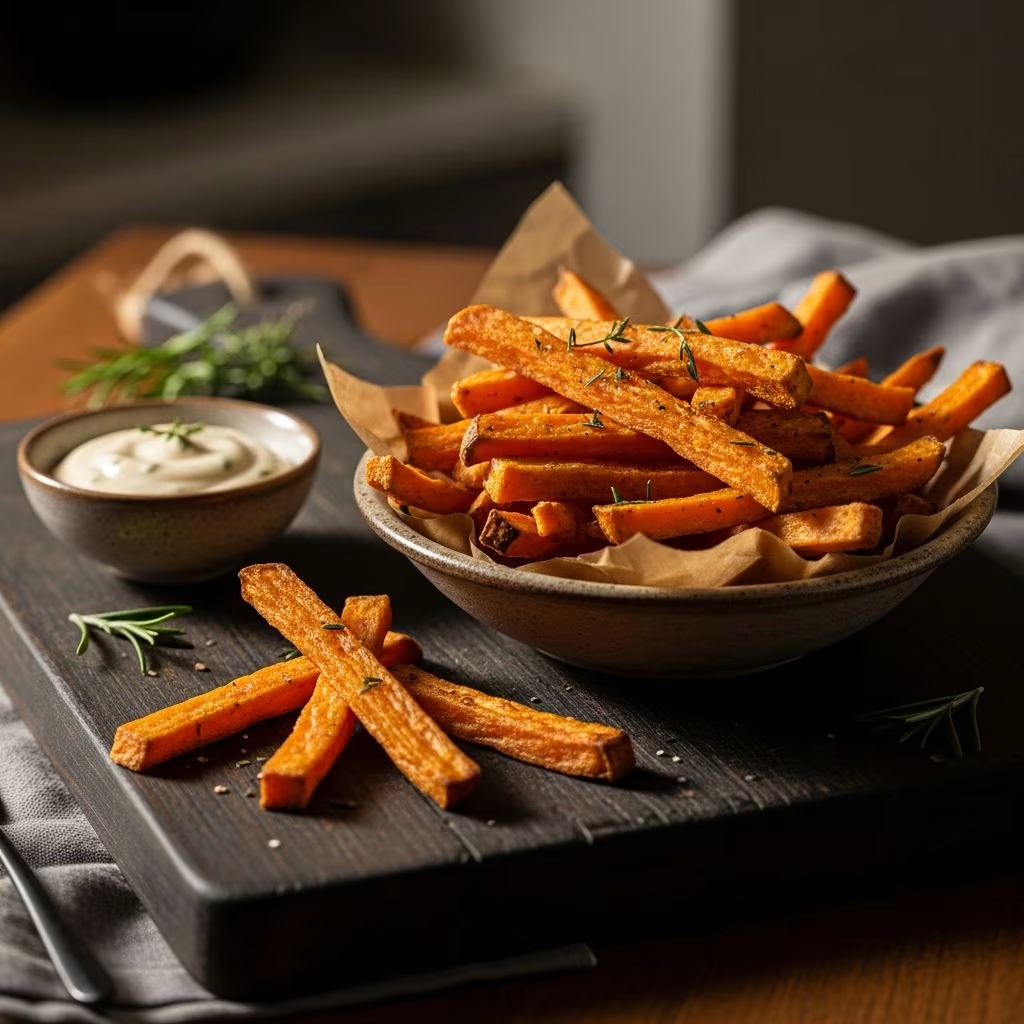
Sweet potato fries have become a beloved alternative to traditional potato fries, offering a naturally sweet flavor profile combined with impressive nutritional benefits. Baking them at home eliminates the need for deep frying, making this dish both healthier and more convenient for weeknight dinners or casual entertaining. The key to achieving restaurant-quality results lies in understanding temperature control, proper preparation techniques, and the importance of spacing on your baking sheet.
Why Choose Oven-Baked Over Fried
The appeal of oven-baking sweet potato fries extends beyond health considerations. This cooking method requires minimal oil, reduces cooking odors that can linger in your kitchen, and eliminates the safety concerns associated with handling hot oil. Additionally, you can prepare multiple batches simultaneously using two baking sheets, making this approach ideal for feeding families or entertaining guests. The results rival traditional deep-fried versions when proper techniques are employed, delivering crispy exteriors and tender, creamy interiors.
Essential Ingredients and Equipment
Creating perfect oven-baked sweet potato fries requires just a handful of basic ingredients and standard kitchen equipment. Here’s what you’ll need:
Ingredient Components
- Sweet potatoes (medium to large, approximately 2-4 depending on desired yield)
- Cooking oil (olive, avocado, or canola)
- Kosher salt
- Ground black pepper
- Optional seasonings such as garlic powder, paprika, smoked paprika, or additional spices
- Optional starch additive for extra crispness (cornstarch)
Kitchen Tools Required
- Sharp chef’s knife
- Cutting board
- Large mixing bowl
- Baking sheets (preferably two)
- Parchment paper or aluminum foil
- Metal spatula or tongs for flipping
- Small bowl for mixing seasonings
Preparation: The Foundation of Success
Proper preparation significantly impacts the final texture and flavor of your fries. Begin by selecting firm sweet potatoes without soft spots or blemishes. Scrub them thoroughly under running water to remove dirt and debris, as you may choose to leave the nutritious skin intact.
Once cleaned, peel the sweet potatoes using a vegetable peeler or knife, depending on your preference. Some cooks prefer leaving the skin on for added fiber and nutrients, while others prefer a more uniform appearance. Remove both ends of each potato and discard any discolored areas.
Slice the potatoes into uniform sticks approximately 1/4-inch thick and 3-4 inches long. Consistency in size ensures even cooking throughout your batch. Use a sharp knife to make this process easier and safer; dull blades require excessive pressure and increase injury risk.
The Soaking Advantage
An often-overlooked technique that dramatically improves crispness involves soaking prepared fries in ice-cold water for 30 minutes to several hours. This process removes excess starch from the surface of each fry, allowing them to achieve superior crispness during baking. After soaking, drain thoroughly and pat completely dry using paper towels or a clean kitchen towel. Excess moisture prevents proper browning and can result in steamed rather than roasted fries.
For those seeking maximum crispness, toss dried fries with a small amount of cornstarch before adding oil and seasonings. This creates a light coating that promotes additional crispiness during the baking process.
Seasoning Strategies and Flavor Variations
While classic salt and pepper provide satisfying simplicity, oven-baked sweet potato fries welcome numerous flavor adaptations. The natural sweetness of the vegetable complements both savory and slightly sweet seasoning profiles.
Classic and Savory Options
| Seasoning Profile | Ingredient Combination | Best Paired With |
|---|---|---|
| Mediterranean Style | Za’atar, paprika, cumin, black pepper | Tahini dipping sauce |
| Spicy Heat | Smoked paprika, cayenne, garlic powder, chili powder | Chipotle or sriracha aioli |
| Herb-Forward | Rosemary, thyme, oregano, sea salt | Garlic-infused sour cream |
| Sweet and Savory | Cinnamon, chili powder, salt, pepper | Lime crema or cilantro-lime sauce |
| Simple Garlic | Garlic powder, onion powder, kosher salt, black pepper | Ketchup or vinegar-based dipping sauce |
Creating Your Seasoning Blend
Combine all dry seasonings in a small bowl before adding to your potatoes. This ensures even distribution and prevents certain spices from concentrating in one area of your baking sheet. Toss the potatoes thoroughly after adding the seasoning mixture, using your hands or two spoons to coat each fry completely.
Oil Selection and Coating Technique
The type and amount of oil you use directly affects both the texture and final flavor of your fries. Olive oil, avocado oil, and canola oil all work effectively, each bringing subtle flavor differences. Use approximately 2-4 tablespoons of oil per batch, depending on the quantity of potatoes and your personal preference. Less oil creates lighter fries, while additional oil promotes crispness and browning.
Drizzle the oil over your seasoned fries and toss thoroughly, ensuring every piece receives a light coating. Using your hands allows better control and ensures more complete coverage than spoon-tossing alone.
Oven Temperature and Baking Process
Temperature control represents one of the most critical factors in achieving perfectly baked sweet potato fries. Most recipes recommend temperatures between 415°F and 450°F, with 425°F serving as an ideal middle ground for most home ovens.
Preparation Before Baking
- Preheat your oven to the desired temperature for at least 15 minutes, allowing it to reach consistent heat throughout
- Line your baking sheets with parchment paper or lightly oiled aluminum foil to prevent sticking
- Arrange fries in a single layer without overlapping or touching
- Ensure adequate spacing between fries to allow hot air to circulate properly
- If your batch is large, use two baking sheets rather than crowding one
Baking Timeline
Place your prepared baking sheets in the preheated oven. For most recipes using 425°F, bake for approximately 15-20 minutes before flipping. Use a metal spatula to carefully turn each fry, maintaining their individual placement to prevent them from touching. Return to the oven for an additional 15-20 minutes, or until fries are golden brown and crispy when tested with a fork.
Timing may vary slightly depending on your oven’s characteristics, potato thickness, and the amount of oil used. Check fries during the second baking period to prevent overcooking. They should emerge from the oven with browned edges and tender, creamy centers.
Troubleshooting Common Issues
Soggy Fries
Soggy texture typically results from insufficient oil, overcrowding on the baking sheet, or inadequate oven temperature. Ensure your oven is fully preheated, fries are properly spaced with air circulation space between them, and you’ve applied adequate oil coating. Additionally, verify that your sweet potatoes are completely dry before seasoning and baking.
Unevenly Cooked Fries
When some fries brown quickly while others remain pale, the issue usually involves inconsistent sizing or uneven spacing on your baking sheet. Cut all fries to approximately the same thickness and length. Redistribute fries during the flipping step to ensure even heat exposure throughout your batch.
Burnt Edges
Burnt or overly darkened fries indicate excessive oven temperature or extended cooking time. Use an oven thermometer to verify your oven’s actual temperature, as many home ovens run hotter than displayed. Reduce oven temperature by 25°F and monitor fries more closely during the final baking minutes.
Serving Suggestions and Dipping Sauces
Oven-baked sweet potato fries pair wonderfully with numerous dipping sauces and complementary dishes. Serve immediately after removing from the oven for optimal texture and flavor. Allow to cool for just 2-3 minutes if handling is difficult, but serving while still warm provides the best eating experience.
Recommended Pairings
- Creamy dips including sour cream, Greek yogurt-based sauces, or tahini-based preparations
- Spicy accompaniments such as sriracha, chipotle aioli, or hot sauce
- Sweet elements like honey-infused dipping sauces or maple-based preparations
- Citrus-forward options including lime crema or lemon-herb dipping sauce
- Classic ketchup or vinegar-based condiments
Storage and Reheating Guidelines
Leftover oven-baked sweet potato fries store in an airtight container in your refrigerator for up to four days. While they’re best enjoyed immediately after cooking, you can refresh them by reheating in a 350°F oven for approximately 8-10 minutes until warmed through and edges crisp slightly. Microwave reheating tends to produce softer results and is less ideal for this application.
Frequently Asked Questions
Can I prepare sweet potato fries in an air fryer instead of an oven?
Yes, air fryer preparation works excellently for this recipe. Cook at 380°F-400°F in batches for approximately 12-20 minutes, shaking the basket halfway through cooking. Air frying typically produces exceptionally crispy results and may require slightly less cooking time than traditional oven baking.
How thick should sweet potato fries be cut?
Most recipes recommend 1/4-inch thickness for optimal texture. This thickness allows adequate cooking time for the interior while permitting the exterior to brown and crisp properly. Thicker cuts may result in undercooked centers, while thinner cuts risk becoming overly browned or burnt.
Is soaking mandatory for crispy fries?
While not absolutely mandatory, soaking dramatically improves final crispness by removing surface starch. Even a brief 30-minute soak produces noticeable texture improvements. For those without advance planning time, this step can be skipped, though results may be slightly less crispy.
What type of oil produces the best results?
Avocado oil and olive oil both produce excellent results with distinct flavor profiles. Avocado oil has a higher smoke point, making it ideal for higher-temperature baking. Olive oil imparts subtle Mediterranean flavors. Canola oil works well for neutral applications where you want minimal oil flavor interference.
Can I make these fries without any oil?
While technically possible, fries prepared without oil produce noticeably inferior texture and browning. Oil promotes crispness and allows Maillard browning reactions that develop flavor and appearance. Using at least 2 tablespoons of oil per batch is recommended for best results.
Conclusion
Mastering oven-baked sweet potato fries involves understanding fundamental cooking principles including temperature management, proper preparation, and spacing techniques. Once you’ve perfected the basic method, experimenting with various seasonings and flavor profiles becomes straightforward. Whether serving as a simple weeknight side dish or preparing for entertaining, these homemade fries consistently deliver satisfying results that rival restaurant preparations while offering superior control over ingredients and cooking methods.
References
- Oven Baked Sweet Potato Fries — Plant-Based on a Budget. 2024. https://plantbasedonabudget.com/oven-baked-sweet-potato-fries/
- Crispy Oven Baked Sweet Potato Fries — Fox and Briar. 2024. https://www.foxandbriar.com/crispy-oven-baked-sweet-potato-fries/
- Crispy Oven Baked Sweet Potato Fries — The Mediterranean Dish. 2024. https://www.themediterraneandish.com/baked-sweet-potato-fries-zaatar/
- Crispy Baked Sweet Potato Fries — Jessica Levinson, MS, RDN, CDN. 2024. https://jessicalevinson.com/crispy-baked-sweet-potato-fries/
- Baked Sweet Potato Fries Recipe — I Heart Naptime. 2024. https://www.iheartnaptime.net/baked-sweet-potato-fries/