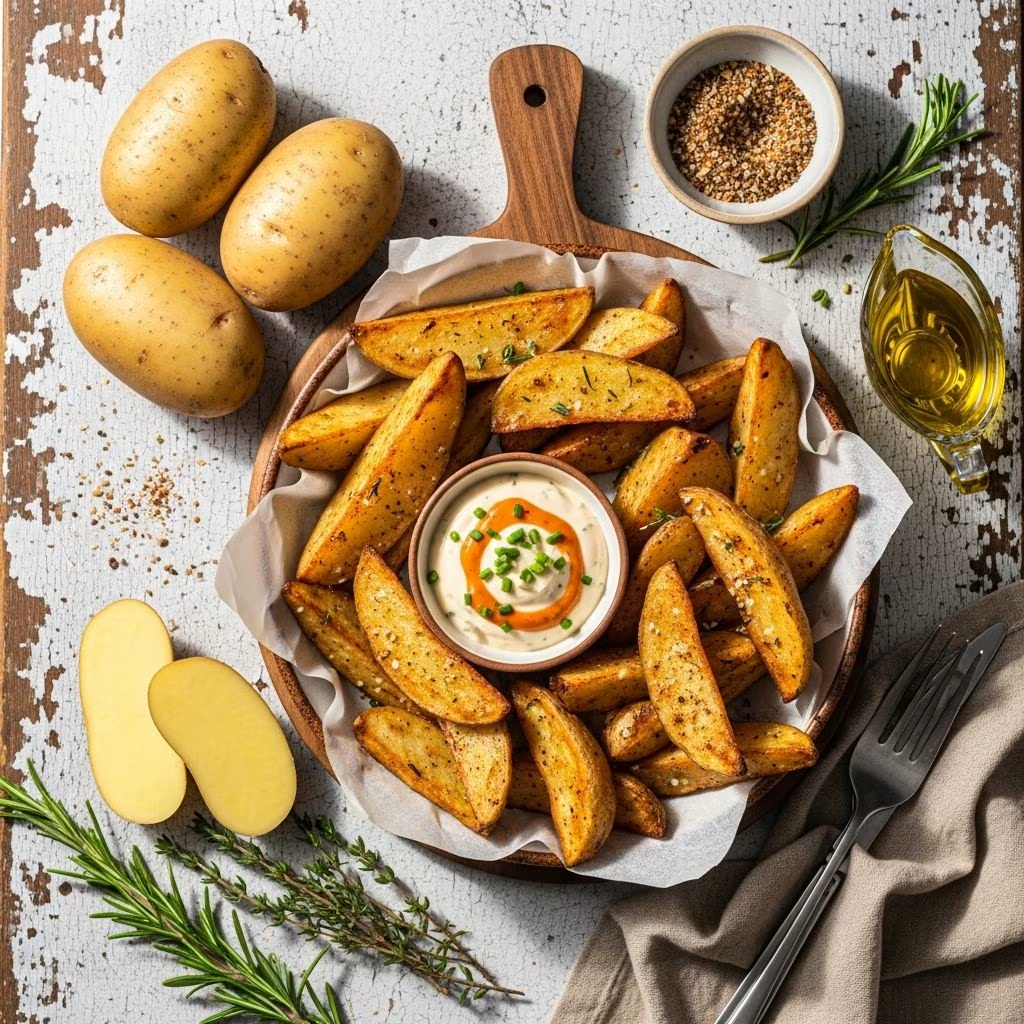
Creating perfectly crispy potato wedges in your home oven is simpler than you might think. This method eliminates the need for deep frying while delivering the same satisfying crunch and golden exterior that makes fried potatoes so appealing. Whether you’re preparing a weeknight dinner or hosting a gathering, oven-baked potato wedges offer a healthier alternative that doesn’t compromise on flavor or texture.
Understanding the Basics of Oven Potato Preparation
The foundation of exceptional oven-baked potato wedges begins with selecting the right potatoes. Starchy varieties such as russet or Idaho potatoes work exceptionally well because they develop a crispy exterior while maintaining a soft, fluffy interior. All-purpose potatoes like Yukon Gold offer a middle ground with good texture and buttery flavor. Red potatoes contain more moisture and less starch, making them less ideal for achieving maximum crispness, though they still produce acceptable results.
The size and shape of your potato cuts directly impact cooking time and texture consistency. Cutting potatoes into uniform wedges ensures even cooking throughout your batch. Wedges typically range from a quarter to half-inch thickness, providing an optimal balance between crispy exterior development and tender interior preservation. Thinner cuts may become overly crispy and dry, while thicker pieces risk remaining undercooked in the center.
Essential Equipment and Preparation Steps
Your choice of baking vessel significantly influences the final outcome. Metal rimmed baking sheets or half-sheet pans distribute heat most effectively and promote even browning. Ceramic or glass baking dishes, while functional, tend to conduct heat differently and may result in uneven cooking or excessive browning on the bottom. Preheating your baking sheet alongside the oven ensures immediate searing when potatoes contact the hot surface, jumpstarting the crisping process.
Before cutting, thoroughly wash potatoes under running water and pat them completely dry with paper towels. Moisture on the potato surface interferes with proper browning and crisping. Some cooks prefer leaving the skin intact for added texture and nutrition, while others prefer peeled potatoes for a more refined appearance. Both approaches are valid and depend on personal preference.
Coating and Seasoning Strategies
The oil coating creates the foundation for crispiness by facilitating browning through the Maillard reaction. Olive oil, whether extra virgin or regular, provides excellent flavor and browning capability. Canola oil, vegetable oil, or avocado oil serve as neutral alternatives that work equally well. Aim for approximately one to two tablespoons of oil per pound of potatoes. Insufficient oil results in dry, pale wedges, while excess oil creates greasy results that taste heavy.
Seasoning flexibility allows you to customize wedges for different meals and preferences. Classic combinations include kosher salt, freshly ground black pepper, and paprika. Fresh or dried herbs like thyme, oregano, basil, and parsley add Mediterranean flair. Garlic powder, onion powder, and chili powder introduce savory depth. For bold flavors, taco seasoning or barbecue rubs transform standard potato wedges into distinctive sides complementing specific cuisines.
Mix all seasonings directly into the oil before tossing potatoes to ensure even distribution throughout the batch. This approach prevents seasoning from settling at the bottom of the mixing bowl and guarantees consistent flavor in every wedge. Toss the potatoes thoroughly, ensuring each piece receives a complete coating from the seasoned oil.
Advanced Cooking Techniques for Maximum Crispness
Temperature management determines whether your wedges emerge perfectly crispy or merely baked. Starting at 375°F allows for initial cooking before increasing temperature midway through preparation. This technique prevents edges from burning before interiors cook through. Alternatively, begin at 400°F and maintain consistent heat, adjusting only if browning progresses too quickly or slowly. Some recipes employ convection settings, which circulate hot air for more even heat distribution and faster cooking.
Arrangement on the baking sheet demands attention and intention. Spread potato wedges in a single layer with cut sides facing downward on the hot oiled pan. Avoid overlapping pieces, as contact between wedges traps steam and prevents crisping. This positioning allows direct contact between cut surfaces and the hot pan, developing the desirable golden-brown exterior.
Monitoring progress during cooking prevents disappointment. After initial baking of eight to fifteen minutes, check browning on the bottom surface. Once the base develops golden coloring, flip wedges to cook the opposite side. This flipping ensures both cut surfaces develop equal crispness and color. Total cooking time typically ranges from twenty to forty minutes depending on wedge thickness, oven characteristics, and temperature settings.
Flavor Enhancement Through Parboiling
Some preparation methods include a parboiling step before baking, which partially cooks potatoes and creates a different texture profile. Bring salted water to a boil, add quartered or wedged potatoes, and simmer for approximately eight to ten minutes until they become just barely tender. Drain thoroughly and allow potatoes to cool and dry completely. This technique creates particularly creamy interiors and more reliable crispness during oven cooking.
The parboiling approach proves especially valuable when incorporating additional vegetables like onions. Onions require longer cooking time than potatoes to soften and caramelize properly. Starting with parboiled potatoes ensures they reach perfect doneness just as onions complete cooking. Onions can be added during the final baking phase, sometimes receiving ten to fifteen fewer minutes of heat than potatoes to prevent excessive browning.
Customization and Variation Ideas
Cheese additions transform basic potato wedges into more indulgent creations. Finely grated Parmesan cheese, added either during the last few minutes of baking or immediately after removal from the oven, melts slightly and clings to hot surfaces. Cheddar, asiago, or romano cheeses offer alternative flavor profiles. Sprinkle cheese sparingly to avoid excessive greasiness.
Fresh herb garnishes applied after cooking preserve bright flavors and appealing color. Chopped fresh chives, parsley, rosemary, or dill provide visual interest and fresh taste contrast to warm, crispy wedges. Flaky sea salt applied at the end of cooking adds textural interest and makes seasoning more visible and impactful than fine salt mixed into oil at the beginning.
Root vegetables can be combined with potatoes for nutritional diversity and interesting flavor combinations. Sweet potatoes, when cut into comparable-sized pieces, cook alongside regular potatoes, though they may caramelize more quickly due to higher sugar content. Beets, parsnips, and carrots can also be incorporated, with cooking time adjusted based on individual vegetable characteristics.
Common Mistakes and Solutions
Overcrowded baking sheets prevent proper crisping by trapping steam and preventing heat circulation. Always spread potato wedges in a single layer without overlapping. Use multiple baking sheets if necessary rather than compromising results through crowding.
Insufficient oil creates dry, pale results lacking the desirable golden color and crispy texture. Ensure adequate coating, but avoid excess that creates greasy, heavy wedges. The correct amount creates visible sheen on potato surfaces without pooling in the pan.
Uneven cooking results from inconsistent wedge sizing or temperature fluctuations. Cut potatoes into uniform pieces for synchronized cooking throughout the batch. Avoid opening the oven door repeatedly, as this releases heat and extends cooking time unpredictably.
Soggy rather than crispy wedges indicate insufficient cooking time or temperature. Increase either variable slightly until wedges develop the desired texture. Remember that wedges continue crisping slightly as they cool, so removing them from the oven while still slightly soft ensures they reach optimal texture.
Nutritional Considerations and Health Benefits
Oven-baking potatoes requires significantly less oil than deep frying, substantially reducing fat and caloric content while maintaining satisfying flavor and texture. A typical serving of oven-baked potato wedges contains approximately 150 to 200 calories compared to 300 to 400 calories for deep-fried versions. This approach allows enjoyment of beloved potato preparations with reduced dietary impact.
Potatoes contribute valuable nutrients including potassium, vitamin C, vitamin B6, and manganese. The skin contains particularly high concentrations of beneficial compounds, making unpeeled preparations especially nutritious. When prepared without excessive salt or oil, potato wedges contribute meaningfully to balanced nutrition rather than serving merely as empty calories.
Storage and Reheating Guidance
Leftover potato wedges store in airtight containers in the refrigerator for three to four days. To restore crispness, reheat in a 375°F oven for approximately ten minutes rather than using a microwave, which rehydrates potatoes and compromises texture. Alternatively, arrange cold wedges in a skillet over medium-high heat for a few minutes until warm and crispy.
Potato wedges do not freeze well due to texture changes when thawed, but properly stored refrigerated wedges maintain reasonable quality for several days. Consume within this timeframe for best results.
Frequently Asked Questions
Can I prepare potato wedges in advance?
Yes, you can cut and soak potatoes in cold water for up to one hour before cooking. This optional step helps remove excess starch, contributing to crispier results. Drain and dry thoroughly before coating with oil and seasonings.
Why are my potato wedges soggy instead of crispy?
Soggy wedges typically result from insufficient cooking time or temperature, overcrowded baking sheets preventing proper heat circulation, or inadequate oil coating. Verify your oven temperature accuracy with a thermometer, spread wedges in a single layer with generous spacing, and ensure adequate oil coverage.
What’s the best way to season potatoes?
Mix all seasonings directly into oil before tossing potatoes for even distribution. Classic combinations work well, or experiment with your preferred spices. Remember that salt draws out moisture, so apply it judiciously and adjust at the end of cooking if needed.
Can I use sweet potatoes instead of regular potatoes?
Sweet potatoes work beautifully and cook similarly to regular potatoes, though they caramelize more quickly due to higher sugar content. Monitor them carefully to prevent over-browning, and reduce baking time by five to ten minutes as needed.
Should I peel potatoes before or after cooking?
Either approach works. Unpeeled potatoes offer added nutrition and texture, while peeled potatoes present a more refined appearance. Choose based on personal preference; cooking time and technique remain identical.
What temperature should my oven be?
Most recipes use temperatures between 375°F and 425°F. Lower temperatures require longer cooking, while higher temperatures create crispier exteriors in less time. Start at 400°F as a reliable baseline, adjusting based on your specific oven characteristics and desired results.
References
- Easy Oven Fried Potatoes Recipe — Mom Foodie. Accessed April 09, 2026. https://momfoodie.com/easy-oven-fried-potatoes-recipe/
- Oven Fried Potatoes | The Best Recipe — Eat Color with Claudia. https://www.youtube.com/watch?v=C-JgDbhjOUg
- Crispy Oven Fried Potatoes and Onions (Easy and Customizable!) — Cake Knife. Accessed April 09, 2026. https://www.cakenknife.com/oven-fried-potatoes-and-onions/
- Oven Roasted Potatoes {Easy to Make!} — Spend With Pennies. Accessed April 09, 2026. https://www.spendwithpennies.com/simple-herb-oven-roasted-potatoes/
- Crispy Roasted Potatoes — The Modern Proper. Accessed April 09, 2026. https://themodernproper.com/crispy-roasted-potatoes