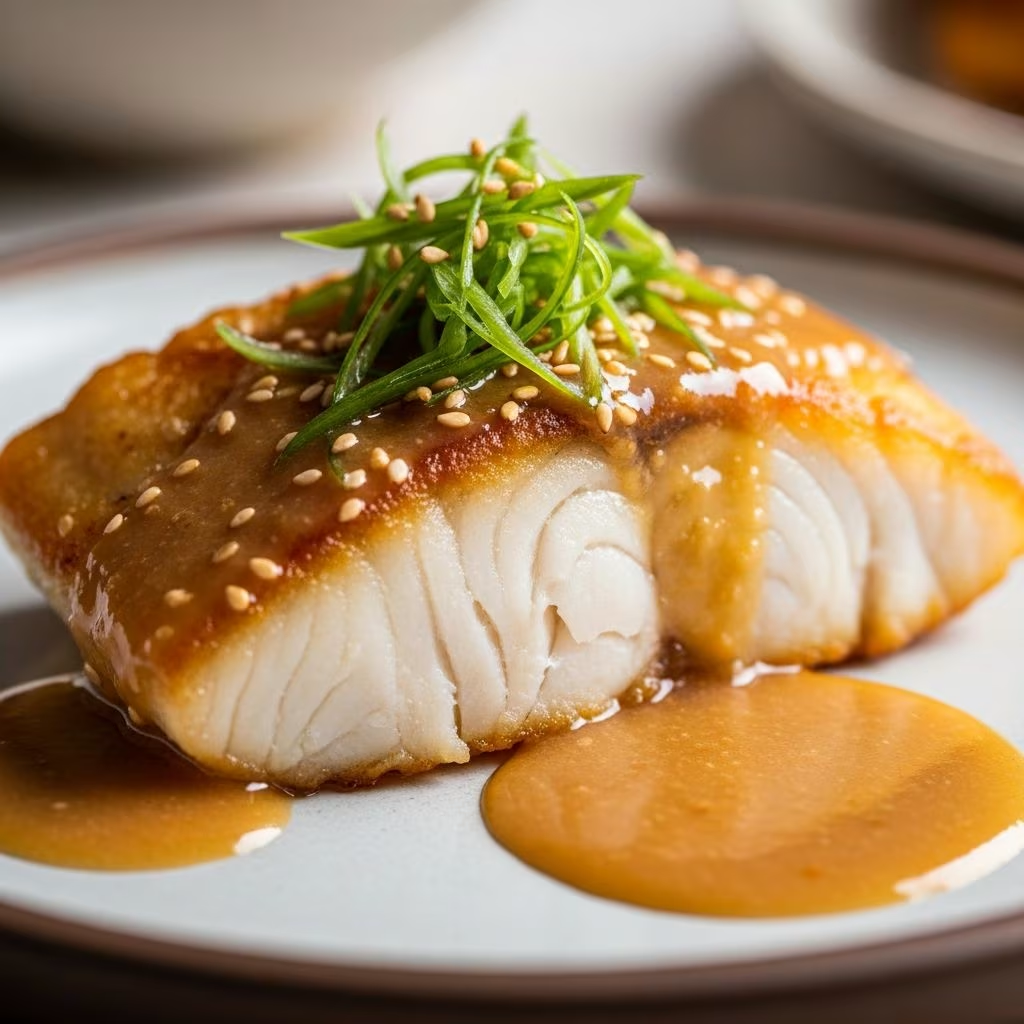
The combination of miso and butter creates one of the most compelling flavor profiles in modern cooking. When applied to delicate fish fillets and finished with a golden, crispy topping, this technique transforms a simple weeknight dinner into an elegant plate that rivals upscale restaurant offerings. The interplay between the salty, fermented depths of miso, the richness of butter, and the textural contrast of a crunchy crust delivers a multi-dimensional eating experience that keeps diners reaching for another bite.
Understanding the Core Components
Before diving into the cooking process, it helps to understand what makes this dish work so well. The three primary elements—fish, miso-butter mixture, and crispy topping—each serve a specific purpose in creating the final result.
Fish selection matters significantly. Firm, mild-flavored varieties work best because they provide a neutral canvas for the bold flavors in the miso mixture without competing for attention. The fish should be thick enough to remain moist during cooking while developing a proper sear.
The miso paste acts as both a flavor enhancer and a binding agent. This fermented soybean product contributes umami, the savory fifth taste that enhances overall flavor perception. When combined with butter, it creates a luxurious spread that clings to the fish surface.
The crispy topping, typically made from panko breadcrumbs mixed with melted butter, provides essential textural contrast against the tender fish interior. This element adds crunch while absorbing and retaining the miso-butter flavors.
Selecting Your Ingredients
Quality ingredients transform this dish from good to exceptional. Here’s what to prioritize:
- Fish fillets: Look for cod, sea bass, or halibut with firm flesh and translucent appearance. The fillet should be uniform in thickness for even cooking.
- Miso paste: White or yellow miso provides a milder, sweeter profile compared to red varieties. Choose unpasteurized miso when possible for maximum probiotic content and deeper flavor complexity.
- Butter: Use unsalted butter so you can control the salt level throughout the dish. Higher-quality butter with more butterfat content creates richer flavors.
- Panko breadcrumbs: These Japanese-style breadcrumbs have larger, airier particles than traditional breadcrumbs, creating superior crispness.
- Aromatics: Fresh garlic and ginger should be minced or grated finely to distribute evenly throughout the miso mixture.
- Umami enhancers: A touch of sriracha adds heat and complexity, while a pinch of sugar balances the miso’s saltiness.
Preparation Steps for Success
Proper preparation determines whether your fish will be moist and perfectly cooked or dry and overcooked. Pat your fish fillets completely dry with paper towels—moisture prevents proper browning and can cause the topping to slide off during cooking.
Position the fish skin-side down on your prepared baking sheet. The skin acts as a protective barrier during cooking, keeping the delicate flesh moist while it cooks through. If using skinless fillets, ensure the sheet is lined with parchment paper to prevent sticking.
Prepare your miso-butter mixture by first melting a portion of butter, then whisking in the miso paste until completely smooth. This step is crucial; lumpy miso paste creates uneven flavor distribution. Add your aromatics and any heat elements like sriracha, stirring until fully incorporated.
In a separate bowl, combine the remaining melted butter with panko breadcrumbs, mixing until every crumb is coated. This ensures even browning and prevents dry spots in your topping.
The Cooking Process
Baking temperature and timing work together to achieve the desired result. Preheat your oven to 400°F (200°C), which is hot enough to cook the fish through without drying it out while also encouraging browning.
Spread the miso mixture evenly over each fillet, using approximately one to two tablespoons per piece. Don’t over-apply, as excess can burn. Gently press the buttered panko topping onto the miso layer, creating an even coating that will brown uniformly.
Bake for 12-15 minutes, depending on fillet thickness. The fish is done when it flakes easily with a fork and the internal temperature reaches 145°F (63°C). If your topping isn’t as crispy as desired, place the sheet under the broiler for an additional 2-3 minutes, watching carefully to prevent burning.
Temperature and Doneness Guidelines
| Fish Thickness | Baking Time | Internal Temperature | Visual Cues |
|---|---|---|---|
| ½ inch | 10-12 minutes | 145°F (63°C) | Opaque throughout, flakes easily |
| ¾ inch | 12-14 minutes | 145°F (63°C) | Opaque with slight translucence at center |
| 1 inch | 15-18 minutes | 145°F (63°C) | Fully opaque, moist interior |
Flavor Variations and Enhancements
While the classic combination of miso, butter, and panko creates an excellent dish, several modifications expand the possibilities. Some cooks add a tablespoon of mirin to the miso mixture, introducing subtle sweetness and a glossy finish. Others incorporate sake, which adds depth and helps balance flavors.
For heat lovers, increasing the sriracha or adding fresh jalapeños brings welcome spice without overwhelming the delicate fish. Conversely, reducing sriracha entirely suits milder palates.
Citrus works beautifully with this preparation. A squeeze of fresh lemon or lime juice just before serving brightens the rich miso-butter flavors and prevents the dish from tasting overly heavy.
Toasted sesame seeds sprinkled over the finished dish add nutty complexity and visual appeal. Microgreens or thinly sliced scallions provide freshness and contrast.
Complementary Side Dishes
The richness of miso-butter fish pairs well with lighter, fresher accompaniments. Steamed or roasted asparagus with a simple salt and lemon dressing provides vegetable nutrition without competing for attention. Bok choy, when lightly sautéed with garlic and sesame oil, complements the Asian-inspired flavors.
For grain options, jasmine rice absorbs the miso-butter flavors beautifully, while sushi rice or cauliflower rice offers alternatives. A simple cucumber salad with rice vinegar and a touch of sesame oil provides textural contrast and refreshing acidity.
Roasted root vegetables like carrots or beets can be prepared simultaneously in the oven, making this a one-pan meal with minimal cleanup.
Storage and Make-Ahead Strategies
While best served immediately, leftover miso-butter fish stores well for up to three days in an airtight container in the refrigerator. Reheat gently in a 300°F (150°C) oven for 8-10 minutes to prevent overcooking and restore some crispness to the topping.
For advance preparation, prepare the miso-butter mixture up to two days ahead and store in the refrigerator. The panko topping can be prepared separately and combined with melted butter just before cooking. This allows you to assemble and bake the dish with minimal effort when ready to serve.
Marinating fish overnight in a miso-based mixture, as practiced in traditional Hawaiian misoyaki preparation, develops deeper flavors. For this method, combine white miso with sake, mirin, and sugar, creating a marinade that penetrates the fish over 24 hours. Reduce the marinade to a thin layer before applying the panko topping and baking at a slightly higher temperature for shorter duration.
Frequently Asked Questions
Can I use different fish varieties?
Absolutely. Salmon, halibut, sea bass, and even thicker white fish like snapper work wonderfully. Adjust cooking times based on thickness and adjust salt in the miso mixture for fattier fish like salmon.
What if I don’t have panko breadcrumbs?
Regular breadcrumbs work, though the texture will be less crispy. Alternatively, crushed nuts like almonds or walnuts add crunch and complement the miso flavors nicely.
How do I prevent the topping from burning?
Monitor carefully during the final few minutes of baking. If browning too quickly, tent the sheet with foil. Ensure your oven temperature is accurate using an oven thermometer.
Is this dish suitable for meal prep?
Yes, prepare components separately and assemble just before baking. The cooked fish reheats adequately, though fresh preparation offers superior texture.
Can I adapt this for vegetarians?
While the fish is essential to this particular dish, the miso-butter-panko technique works beautifully on firm tofu or thick mushroom slices, creating a satisfying vegetarian alternative.
Troubleshooting Common Issues
If your fish turns out dry, the oven temperature likely ran too high or cooking time extended too long. Use an instant-read thermometer to monitor doneness precisely. Alternatively, reduce oven temperature by 25°F and extend cooking time slightly.
When the topping refuses to crisp despite proper broiling, your panko might be too fine. Ensure you’re using authentic panko, not regular breadcrumbs. Additionally, verify that your melted butter fully coats each crumb.
If the miso mixture tastes excessively salty, white miso varies by brand in salt content. For future batches, reduce miso quantity slightly or use less salt when seasoning accompanying vegetables.
Nutritional Considerations
Fish provides excellent protein and omega-3 fatty acids essential for cardiovascular and cognitive health. Miso contributes probiotics when unpasteurized, supporting digestive wellness. Butter adds fat-soluble vitamins like vitamin A and vitamin D.
This dish balances richness with nutrition effectively. Pair with plenty of vegetables to increase fiber content and micronutrient density. The fat in butter aids absorption of fat-soluble nutrients from accompanying vegetables.
Final Thoughts on Mastery
Creating crispy miso-butter fish represents the intersection of technique and ingredient quality. Each component plays a vital role in the final dish. With practice, this preparation becomes intuitive, allowing you to adjust flavors and cooking methods based on available ingredients and personal preferences.
The beauty of this dish lies in its versatility. Whether you follow the classic preparation or experiment with variations, understanding the fundamental principles ensures consistent, delicious results. As you gain confidence, you’ll develop your own signature approach, making this technique a reliable addition to your cooking repertoire.
References
- Miso: Traditional Uses and Modern Applications — University of California Cooperative Extension. 2024. https://www.ucanr.edu
- Fish Cookery: Temperature Guidelines and Safety — U.S. Department of Health and Human Services, FDA. 2024. https://www.fda.gov/food/foodborneillnesscontaminants/produceproduce-specific-information/seafood
- Umami: The Fifth Taste and Culinary Applications — Journal of Food Science and Technology. 2023. https://www.springer.com/journal/13197
- Sablefish (Black Cod): Nutritional Profile and Cooking Properties — National Oceanic and Atmospheric Administration. 2023. https://www.noaa.gov
- Fermented Foods and Gut Health: Evidence and Mechanisms — Nutrients Journal. 2024. https://www.mdpi.com/journal/nutrients