Leftover mashed potatoes often languish in the refrigerator, waiting to be transformed into something more exciting than a simple reheated side dish. One of the most satisfying and delicious ways to breathe new life into these forgotten leftovers is to turn them into golden, crispy mashed potato pancakes. These savory cakes offer a delightful contrast between their soft, fluffy interiors and their wonderfully crispy, golden-brown exteriors, making them an ideal accompaniment to breakfast, lunch, or dinner.
The beauty of mashed potato pancakes lies in their versatility and simplicity. With just a handful of pantry staples and a bit of know-how, you can create a restaurant-quality dish that will impress family members and dinner guests alike. Whether you’re looking for a creative way to use up leftovers, seeking a unique side dish, or wanting to add something special to your brunch menu, these potato pancakes deliver on taste, texture, and ease of preparation.
Understanding the Foundation: Essential Ingredients for Success
The foundation of excellent mashed potato pancakes begins with selecting the right ingredients. The primary ingredient—cold or room temperature mashed potatoes—serves as your base, and using leftovers is not only economical but also beneficial for texture. Cold potatoes are firmer and hold together better during the frying process compared to warm potatoes, which can become mushy or fall apart in the pan.
The Binding Agents
Every successful mashed potato pancake recipe relies on binding agents to hold the mixture together. The most critical binders are eggs and flour, which work together to create structure and prevent the pancakes from crumbling during cooking. A single large egg typically binds approximately two cups of mashed potatoes, creating a cohesive mixture without adding unwanted moisture or density to the finished product.
All-purpose flour serves dual purposes in this recipe. First, it acts as a binder alongside the egg, helping to hold the potato mixture together. Second, it provides a crispy coating when used to dust the outside of each pancake before frying. The flour creates a textural contrast that distinguishes these pancakes from simple mashed potatoes, giving them their characteristic crunch.
Cheese and Seasonings for Depth of Flavor
Shredded cheddar cheese is the traditional choice for mashed potato pancakes, adding richness, umami flavor, and helping to bind the mixture slightly while it melts during cooking. Approximately three-quarters to two-thirds of a cup of cheese per two cups of potatoes provides the right balance of flavor without overwhelming the potato taste.
Aromatic seasonings such as garlic powder, onion powder, and salt enhance the savory profile of the pancakes. These ingredients complement the naturally earthy flavor of potatoes while adding complexity and depth. Many recipes also include fresh herbs like chopped scallions or parsley, which provide a bright, fresh element to the finished dish. For those who enjoy a bit of heat, a pinch of cayenne pepper or ground black pepper can elevate the flavor profile further.
Step-by-Step Preparation: From Mixture to Pan
Creating the Perfect Mixture
Begin by combining all your ingredients in a large mixing bowl. Add the cold or room temperature mashed potatoes first, then incorporate the cheese, chopped scallions, fresh herbs if using, egg, flour, and seasonings. The critical instruction here is to mix gently until just combined. Overworking the mixture develops gluten in the flour, which can result in dense, tough pancakes rather than light ones with a tender crumb.
If your potato mixture appears too sticky to work with immediately, refrigerate it for twenty to thirty minutes. This resting period allows the flour to fully hydrate and the mixture to firm up, making it significantly easier to form into pancakes without the mixture sticking to your hands or falling apart when placed in the hot pan.
Forming Perfectly Shaped Pancakes
Consistency in pancake size ensures even cooking. Using a quarter-cup measuring cup or ice cream scoop, divide your potato mixture into uniform portions. Each scoop becomes one pancake, and keeping sizes similar means all pancakes will cook in approximately the same amount of time, preventing some from burning while others remain underdone.
Once you’ve scooped your portion, gently roll it between your hands to form a smooth ball. Then, place this ball between your palms and gently flatten it to create a pancake approximately one-half to three-quarters of an inch thick. This thickness is crucial—too thin and the pancake risks burning before the interior heats through, while too thick requires extended cooking time that may dry out the inside.
The Crucial Flour Dredging Step
Before the pancakes meet the hot oil, dust them generously with flour. This step is non-negotiable for achieving that coveted crispy exterior. Place some flour in a shallow dish, and carefully dredge each formed pancake, ensuring both sides and edges are well-coated. The flour will hydrate slightly from the moisture in the potatoes, creating a seal that traps steam inside while allowing the outside to crisp beautifully.
Mastering the Cooking Process: Oil Temperature and Technique
Oil Selection and Temperature Control
The choice of cooking oil impacts both flavor and the ability to achieve proper crispness. Neutral oils with high smoke points, such as avocado oil or vegetable oil, are ideal choices. These oils can withstand the medium-high heat required to create golden, crispy pancakes without breaking down or imparting unwanted flavors.
Heat three to four tablespoons of oil in a large skillet over medium to medium-high heat. The oil should coat the entire bottom of the pan—this is the key to even browning and crispness. Too little oil results in uneven cooking and pancakes that stick or burn, while excessive oil makes the finished pancakes greasy and heavy. The ideal oil temperature is when it shimmers noticeably but hasn’t begun to smoke, typically around 350 to 375 degrees Fahrenheit.
The Pan-Frying Process
Carefully add the flour-dusted pancakes to the hot oil, working in batches to avoid crowding the pan. Crowding causes the oil temperature to drop precipitously, resulting in pancakes that absorb oil instead of crisping. Space pancakes about two inches apart in the pan, allowing room to flip without them touching.
This is crucial: do not flip too early. Allow the first side to cook undisturbed for three to four minutes, or until it achieves a deep golden-brown color. Resist the urge to move or manipulate the pancakes during this time, as this prevents a proper crust from forming. Once the bottom is sufficiently browned, carefully flip each pancake using a wide, sturdy spatula, supporting it completely to prevent breakage.
Cook the second side for another two to three minutes until it matches the color of the first side and the pancake feels firm when pressed gently with the spatula. If using an instant-read thermometer, the internal temperature should reach at least 165 degrees Fahrenheit to ensure the pancake is heated through completely.
Post-Cooking Drainage
As soon as each batch finishes cooking, transfer the pancakes to a wire rack set over paper towels, or to a plate lined with paper towels. This setup allows excess oil to drain away from the pancakes, keeping them crispy rather than allowing them to sit in pooled oil and become soggy. A wire rack is particularly effective because it allows oil to drip away completely, ensuring maximum crispness.
Achieving Perfect Texture: Understanding What Goes Right and Wrong
Why Texture Matters
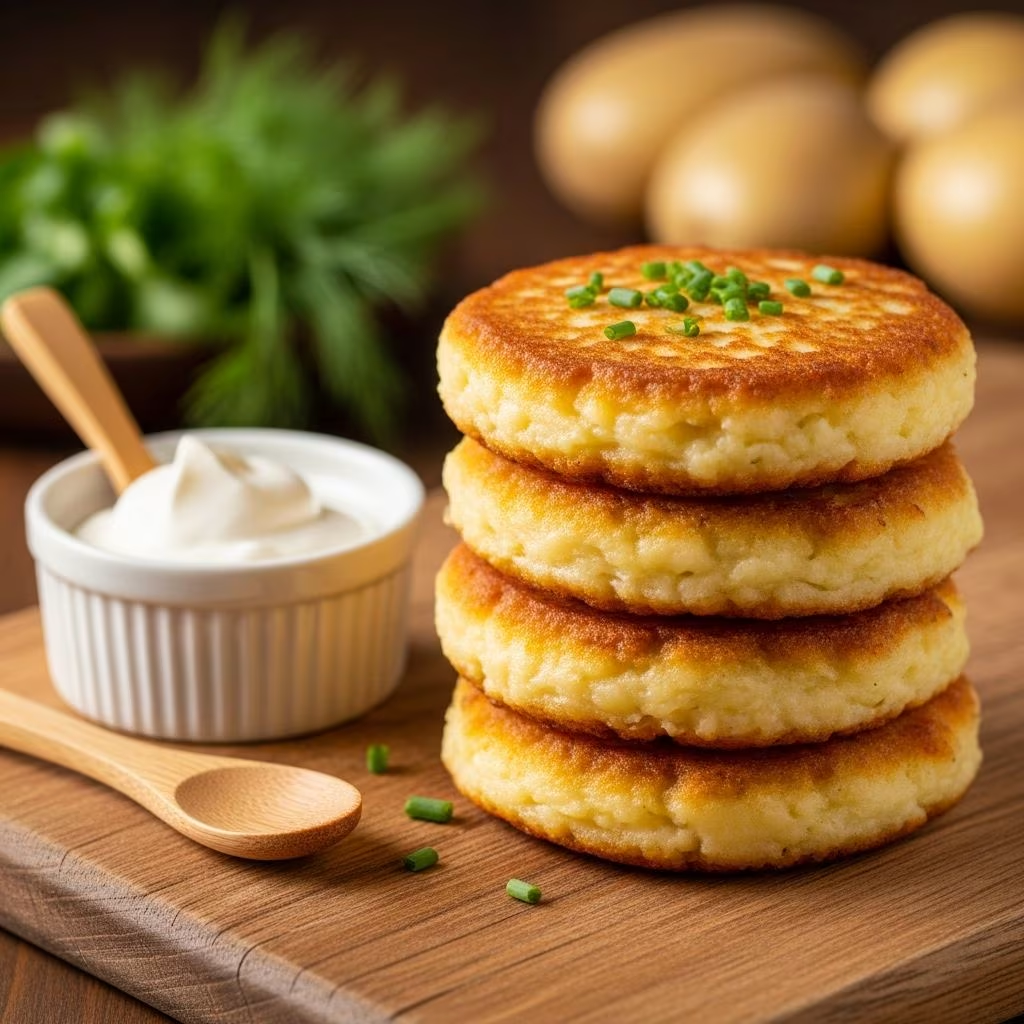
The ideal mashed potato pancake presents a textural paradox: a crispy, crunchy exterior that contrasts beautifully with a soft, creamy interior. Achieving this balance requires attention to several factors throughout the preparation and cooking process. Understanding what contributes to each texture element helps troubleshoot problems and consistently produce excellent results.
Creating the Crispy Exterior
Crispness comes from several contributors working in concert. The flour coating provides the foundation for crispness by creating a barrier that browns and crisps in the oil. The oil temperature must be maintained at a sufficient level to quickly brown this flour coating, and the pancake must remain undisturbed long enough for this browning to occur. Finally, proper drainage after cooking prevents the crispy exterior from becoming soggy by absorbing residual oil.
Maintaining a Tender Interior
The interior remains tender and creamy because it’s already composed of cooked potatoes. The goal is to simply heat the pancake through without overcooking the potato itself. This is why avoiding overcrowding in the pan matters—when the oil temperature drops too much, pancakes cook more slowly, and prolonged cooking can dry out the interior. Similarly, keeping the heat at medium or medium-high ensures sufficient heat to cook through without excessive time in the oil.
Serving and Topping Suggestions
Mashed potato pancakes are best served immediately while the contrast between crispy exterior and creamy interior is most pronounced. A dollop of cool sour cream provides a welcome contrast to the warm pancakes, while its tangy flavor complements the savory potato and cheese. Fresh chives or scallions sprinkled over the top add color, fresh flavor, and a subtle onion note.
Consider these serving options based on when you’re enjoying these pancakes:
- Breakfast or Brunch: Serve with a fried or poached egg on top, perhaps alongside crispy bacon or sausage links, and fresh fruit
- Lunch: Pair with a simple green salad dressed in vinaigrette, or serve as a component of a substantial sandwich
- Dinner: Use as a side dish alongside grilled vegetables, roasted meats, or as part of a vegetarian plate with additional protein
- Appetizer: Make smaller pancakes and top with caviar or smoked salmon and a touch of crème fraîche for an elegant starter
Frequently Asked Questions About Mashed Potato Pancakes
Can I prepare the potato mixture in advance?
Yes. You can form the pancakes, dust them with flour, and refrigerate them on a parchment-lined baking sheet for several hours or even overnight. This convenience makes these pancakes excellent for meal preparation or entertaining, as you can simply pan-fry them when ready to serve.
What type of mashed potatoes work best?
The texture of your source mashed potatoes influences the texture of your pancakes. Russet potatoes create lighter, fluffier pancakes, while waxy potatoes like red potatoes create denser ones. Most home cooks will find that whatever mashed potatoes they have on hand work perfectly well, though adding an egg ensures they hold together regardless of initial texture.
Can I make these pancakes without cheese?
Absolutely. The cheese adds flavor and helps bind the mixture, but it’s not essential. Simply omit it and perhaps increase your seasonings slightly to compensate for the loss of umami flavor that cheese provides.
Are these pancakes freezer-friendly?
Cooked pancakes can be frozen on a baking sheet, then transferred to freezer bags for storage up to three months. Reheat them in a 350-degree oven for about ten minutes to restore crispness, or briefly pan-fry them in a little oil.
What oil temperature indicates readiness?
The oil should shimmer noticeably and ripple slightly when you move the pan, but should not smoke. If smoke appears, the oil is too hot and you risk burning the pancakes. Allow it to cool slightly before proceeding.
Troubleshooting Common Issues
If your pancakes are falling apart during cooking, your mixture may need more binding. Add another beaten egg or a bit more flour. If the mixture is too wet, add flour gradually until it firms up. If pancakes are browning too quickly on the outside but remain cold inside, reduce the heat slightly and allow more cooking time. If they’re absorbing too much oil and becoming greasy, ensure your oil is hot enough at the start, and don’t overcrowd the pan.
References
- Potato Pancakes Recipe — Sugar Spun Run. Accessed April 2026. https://sugarspunrun.com/mashed-potato-pancakes/
- Best Leftover Mashed Potato Pancakes — Weary Chef. Accessed April 2026. https://wearychef.com/recipe/mashed-potato-pancakes-recipe/
- Leftover Mashed Potato Pancakes Recipe — Love and Lemons. Accessed April 2026. https://www.loveandlemons.com/mashed-potato-pancakes/
- Easy Mashed Potato Pancakes — The Chunky Chef. Accessed April 2026. https://www.thechunkychef.com/easy-mashed-potato-pancakes/
- Leftover Mashed Potato Pancakes — My Kitchen Love. Accessed April 2026. https://www.mykitchenlove.com/leftover-mashed-potato-pancakes/