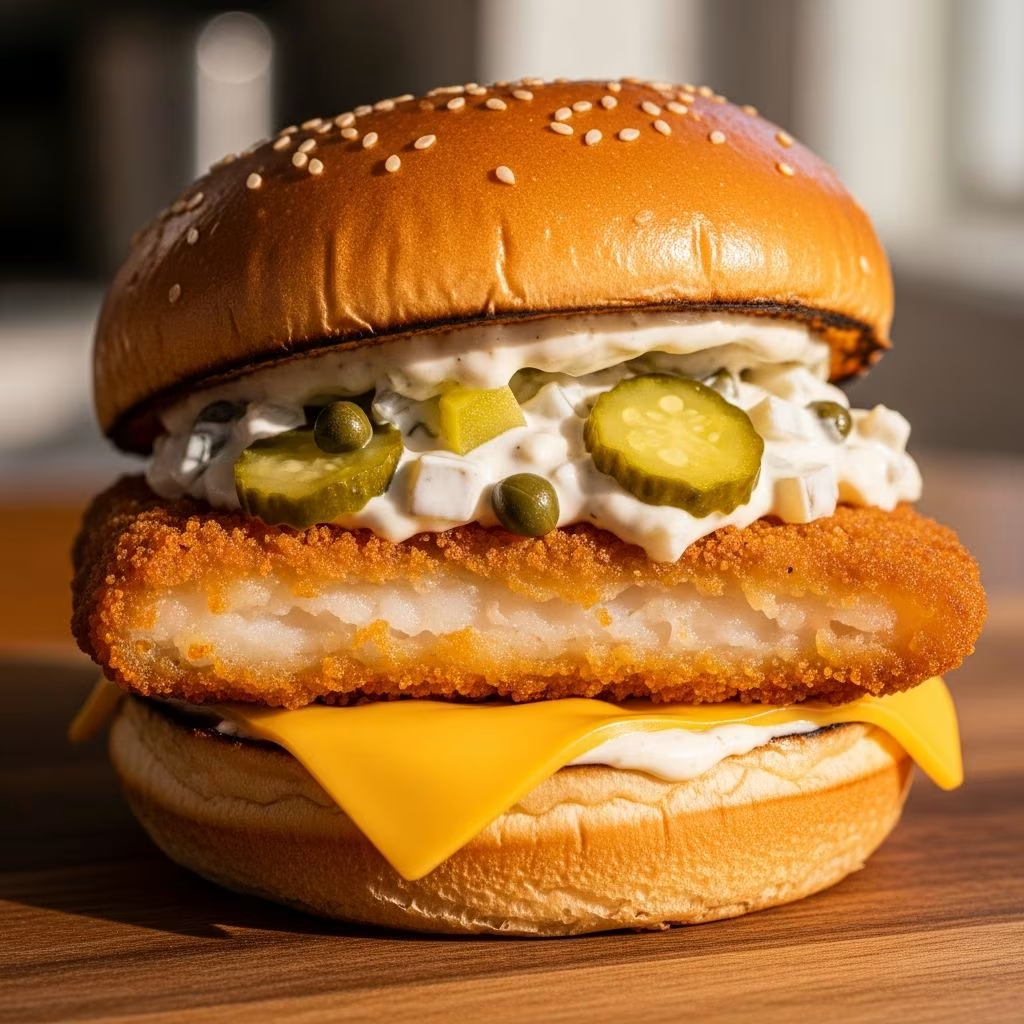
The iconic fish sandwich has captured the hearts of fast-food enthusiasts for decades. While many people rely on quick drive-thru visits to satisfy their craving, preparing this beloved sandwich in your own kitchen offers numerous advantages. You can control ingredient quality, customize portions to your preference, and create a version that surpasses commercial offerings in both taste and freshness. This comprehensive guide will walk you through every step of crafting restaurant-quality fish sandwiches that your family will love.
Understanding Your Ingredient Selection
The foundation of an exceptional fish sandwich begins with selecting the right ingredients. Your choice of fish species significantly impacts the final result’s texture and flavor profile. White fish varieties such as pollock, cod, and tilapia work exceptionally well because they maintain their flaky structure during the frying process while offering a mild, pleasant taste that complements the other sandwich components.
When purchasing your fish, aim for skinless filets of consistent thickness. This uniformity ensures even cooking throughout each piece. Fresh fish delivers superior results compared to frozen alternatives, though properly thawed frozen fish can work in a pinch. Pat your filets thoroughly dry with paper towels before proceeding—this moisture removal proves essential for achieving that coveted crispy exterior.
Beyond the primary protein, American cheese provides the classic melting quality and flavor that defines this sandwich. Soft brioche or potato buns offer the perfect textural contrast, creating a pillowy vessel that holds all the delicious components without falling apart.
Crafting Your Custom Tartar Sauce
Tartar sauce represents the signature element that ties everything together. Many home cooks underestimate the importance of preparing this component correctly. Unlike commercial versions, homemade tartar sauce allows you to balance flavors precisely to your liking.
Essential Tartar Sauce Components
- Mayonnaise serves as your creamy base, providing richness and binding power
- Pickle relish or finely chopped pickles contribute tangy brightness and textural interest
- Minced capers add briny depth and subtle complexity
- Finely diced onion brings sharp, fresh notes that balance the richness
- White vinegar provides acidity that enhances all other flavors
- A touch of sugar offers subtle sweetness that rounds out the overall profile
- Salt and pepper ensure all components harmonize properly
The preparation technique matters more than you might expect. Rather than simply throwing ingredients together, combine your mayonnaise base first, then gradually incorporate each additional element while stirring constantly. This methodical approach ensures even distribution and prevents any single flavor from overwhelming the others. For optimal taste development, refrigerate your sauce for at least one hour before assembly. This resting period allows the flavors to meld and intensify.
Mastering the Fish Preparation Process
Proper fish preparation determines whether your sandwich achieves that perfect golden-brown exterior while maintaining juicy, tender meat inside. Begin by patting your filets completely dry—moisture is the enemy of crispiness. Season each side lightly with salt, then fold your filets into thirds, creating a compact square or rectangular shape. This folding technique mimics McDonald’s presentation while ensuring more even cooking.
The Dual-Coating Technique
The secret to achieving that signature crispy coating lies in implementing a proper wet-and-dry breading system. Create your wet dredge by whisking together egg, mayonnaise, Dijon mustard, cornstarch, and flour. The mayonnaise keeps this mixture light and adds subtle flavor, while the combination of starches creates an exceptionally crispy surface.
For your dry coating, pulse panko breadcrumbs in a food processor to reduce their size slightly, then combine with paprika and additional salt. This finer texture adheres better to the fish while producing a more uniform, professional appearance.
Achieving Perfect Frying Results
Temperature control represents the most critical factor in frying success. Pour approximately one inch of neutral oil into a heavy-bottomed skillet and heat over medium-high flame until reaching approximately 350°F. Using a thermometer removes guesswork and ensures consistent results across multiple batches.
Dip each prepared filet into your wet coating, allowing excess to drip away, then coat thoroughly in the breadcrumb mixture. Carefully place each breaded filet into the hot oil, working in batches to avoid crowding. Fry for approximately three to four minutes per side until the coating transforms into a deep golden brown. The fish should feel firm when pressed but still yield slightly, indicating a perfectly cooked interior.
Immediately transfer your fried filets to a wire rack or paper towel-lined plate. This resting period allows excess oil to drain away while the coating stays crispy. Never stack your filets directly on paper towels without elevation, as this traps moisture against the breading.
Optional Bun Enhancement Techniques
While not strictly necessary, steaming your buns elevates the overall eating experience significantly. This step mimics the professional preparation used in commercial fast-food restaurants. Split your buns and place them cut-side down in a steaming basket filled with one inch of water. Steam over high heat for ten to fifteen seconds, just long enough to add moisture and warmth without creating soggy bread.
Alternatively, you can create a makeshift steam environment using a microwave. Place split buns in a plastic bag with a slightly damp paper towel, seal loosely, and microwave for thirty seconds. Both methods produce similarly excellent results—choose whichever best fits your kitchen setup.
Strategic Assembly for Maximum Impact
The order in which you layer your sandwich components affects both the eating experience and the structural integrity of your creation. Start by placing a slice of American cheese on the bottom bun. Add your hot fried filet immediately while the heat can begin melting the cheese. Spread a generous dollop of tartar sauce across the top of the fish, then crown your creation with the top bun.
The residual heat from the fried fish should partially melt the cheese, creating that signature gooey texture. If you prefer fully melted cheese, place your assembled sandwich in a warm oven for thirty seconds before serving.
Troubleshooting Common Issues
| Problem | Likely Cause | Solution |
|---|---|---|
| Soggy breading | Oil temperature too low or excess moisture on fish | Pat fish completely dry and maintain oil temperature between 325-375°F |
| Raw fish interior | Filets too thick or oil temperature too high | Use consistent-thickness filets and lower heat slightly |
| Breading falls off | Wet dredge insufficient or fish too wet | Ensure wet coating is applied evenly and let sit briefly before frying |
| Tough, rubbery fish | Overcooking or excessive heat | Reduce cooking time and monitor internal temperature |
| Buns falling apart | Sauce applied too heavily or buns too thin | Use quality brioche buns and apply tartar sauce more sparingly |
Scaling Your Recipe for Gatherings
This recipe serves four people comfortably, making it ideal for family meals. Scaling upward for larger gatherings requires minimal adjustments. Simply multiply all ingredients proportionally, though you may need to work in more batches when frying to maintain consistent oil temperature and cooking quality.
When preparing multiple sandwiches, consider using two skillets simultaneously to speed up production. Keep finished filets warm in a low oven while you complete remaining batches. Assemble sandwiches just before serving to ensure maximum crispiness and optimal cheese melting.
Dietary Adaptations and Variations
For those seeking alternatives to traditional frying, baking represents a viable option, though results differ slightly. Follow your coating process identically, but arrange breaded filets on an oiled baking sheet and bake at 400°F for twelve to fifteen minutes until golden. Air frying offers another modern approach, delivering results closer to traditional fried texture while using minimal oil.
Vegetarians can substitute the fish with cauliflower steaks or heart of palm, applying identical breading and cooking techniques. These alternatives absorb the tartar sauce beautifully while maintaining a satisfying texture.
Storage and Make-Ahead Strategies
Prepare your tartar sauce up to three days in advance, storing it in an airtight container in your refrigerator. You can also bread your fish filets hours ahead, covering them with plastic wrap and keeping them refrigerated until cooking time arrives.
Leftover fried fish stores reasonably well for one day. Reheat gently in a warm oven to restore crispiness rather than using a microwave, which creates a soggy texture. Assemble fresh sandwiches with refrigerated components rather than eating pre-assembled versions, which deteriorate quickly.
Frequently Asked Questions
Can I use frozen fish filets?
Yes, frozen fish works well provided you thaw it completely and pat it dry thoroughly. Thawed fish can produce results nearly identical to fresh when prepared carefully.
What oil works best for frying?
Neutral oils with high smoke points like vegetable, canola, or peanut oil perform excellently. Avoid olive oil, which has a lower smoke point and imparts unwanted flavor.
How do I prevent my buns from getting soggy?
Assemble sandwiches immediately before eating and apply tartar sauce moderately rather than excessively. Consider toasting your buns lightly to add an additional moisture barrier.
Can I make this sandwich without frying?
Baking or air frying produces acceptable results, though the texture differs from traditional fried versions. Experiment to find your preferred cooking method.
What fish types work best?
Pollock, cod, tilapia, and halibut all deliver excellent results. Choose white fish varieties with mild flavor and flaky texture.
References
- Nutritional Guidelines for Seafood Preparation — U.S. Food and Drug Administration (FDA). 2024-06-15. https://www.fda.gov/food/people-risk-foodborne-illness/food-safety-seafood
- Safe Handling and Storage of Fish — USDA Food Safety and Inspection Service. 2024-01-10. https://www.fsis.usda.gov/food-safety/safe-food-handling-and-preparation/meat-poultry-seafood
- Deep Frying Temperatures and Oil Safety — Institute of Medicine/National Academies. 2023-11-20. https://www.nationalacademies.org/
- Fish Fillets for Cooking: Species and Characteristics — Seafood Health Facts. 2023-09-05. https://www.seafoodhealthfacts.org/
- Guide to Fish Species Used in Food Service — Chef’s Resource Database. 2024-02-12. https://www.culinaryinstitute.edu/