Preparing restaurant-caliber meals at home doesn’t require extensive culinary training or hard-to-find ingredients. One particularly rewarding dish combines crispy, seasoned white fish with a bright, refreshing tomato accompaniment. This preparation transforms humble pantry staples into an impressive presentation that feels elegant enough for entertaining yet accessible enough for everyday cooking. The technique relies on building layers of texture and flavor through thoughtful ingredient selection and proper preparation methods.
Understanding the Foundation of Flavor
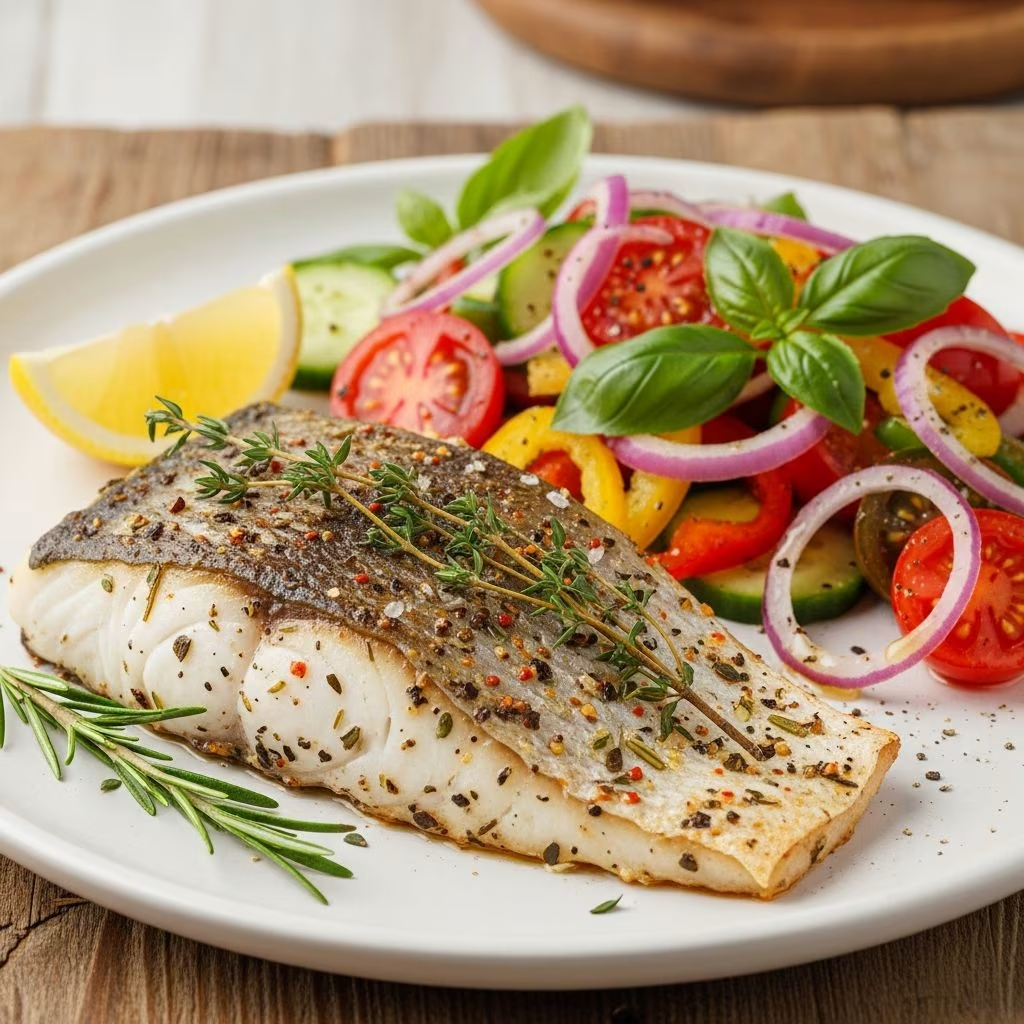
The success of this dish begins with comprehending how each component contributes to the overall dining experience. White fish varieties like sole, flounder, or halibut provide a delicate canvas that welcomes bold seasoning without overpowering the palate. The everything-spiced coating delivers complexity through multiple dimensions of taste and texture. When applied correctly, this coating creates a satisfying crunch that contrasts beautifully with the tender, flaky fish interior. The accompanying tomato salad serves dual purposes: it provides acid to complement the rich coating and freshness to balance the cooked fish.
Assembling Your Spice Blend
The distinctive spice mixture draws inspiration from traditional bagel seasonings but works brilliantly on fish. Understanding the composition allows for customization based on personal preferences and pantry availability. The blend typically combines several complementary components that work in concert.
- Sesame seeds: Contribute nutty undertones and textural crunch while adding nutritional value
- Poppy seeds: Deliver subtle earthiness and visual speckles throughout the coating
- Dried garlic: Provides pungent, umami-forward flavor without the sharpness of fresh garlic
- Dried onion: Adds sweet, savory depth that complements rather than overshadows the fish
- Sea salt: Enhances all flavors while providing essential minerals and brining capability
Combining these elements in equal proportions creates a balanced blend suitable for various applications beyond fish. Preparing a larger batch allows for convenient storage in an airtight container for future use. This make-ahead approach streamlines preparation when weeknight cooking demands efficiency.
Preparing the Fish Base Layer
Before the spice coating adheres to the fish, proper preparation ensures even coverage and optimal texture development. Selecting fish fillets of consistent thickness promotes uniform cooking. Pat the fillets thoroughly with paper towels to remove surface moisture, which prevents steam buildup under the coating and allows the seasoning blend to adhere properly.
The coating process involves three distinct stations. The first contains all-purpose flour mixed with the spice blend. This combination creates the foundation that traps moisture and prevents the fish from becoming soggy while developing the golden-brown exterior. The second station holds beaten eggs, which act as an adhesive binding the dry coating to the protein. The third station features panko breadcrumbs combined with additional sesame seeds, creating a textured, crispy crust. Processing breadcrumbs between your fingers before combining them with seeds ensures even distribution and prevents clumping.
Work methodically through each station, shaking off excess flour before dipping in egg, then allowing excess egg to drip away before the final coating. Press the panko mixture gently onto the fish surface, ensuring complete coverage without compressing the breadcrumbs, which would reduce crispiness.
Mastering the Cooking Technique
The cooking method significantly impacts the final texture and flavor development. Shallow frying in a neutral oil creates superior results compared to baking, as the oil’s heat generates the Maillard reaction—the chemical process responsible for browning and flavor complexity. Heat oil to 350°F, which is hot enough to cook the fish through while crisping the exterior without burning the breadcrumbs.
Place the coated fillets carefully into the hot oil, working in batches to avoid overcrowding the pan, which lowers the temperature and results in greasy, soggy coating. Cook for approximately two to three minutes per side, depending on fillet thickness. The coating should achieve golden-brown coloration while the internal temperature reaches 145°F—the safe minimum for seafood consumption. Transferring the cooked fish to a wire rack allows residual oil to drain away rather than continuing to soften the crispy coating.
Crafting the Tomato Salad Component
The salad preparation can occur during the fish’s marinating or cooking time, allowing for streamlined workflow. Start by combining fresh ingredients that complement rather than compete with the seasoned fish. Cherry tomatoes, when halved or quartered depending on size, release their juice into the dressing without becoming mushy. Their natural sweetness balances the richness of the crispy coating and adds complexity to the plate composition.
English cucumbers, which feature minimal seeds and tender skin, slice easily and add refreshing crunch without watering down the salad. Red onions contribute sharpness and visual appeal, though using half a medium onion prevents their aggressive flavor from overwhelming gentler components. Capers introduce briny complexity reminiscent of seafood pairings found in Mediterranean cuisine.
The dressing comprises simple elements: extra-virgin olive oil providing richness, fresh lemon juice delivering acidity, and lemon zest contributing bright aromatics. This emulsion carries flavors throughout the salad while the acid helps cut through the richness of the cooked fish. Fresh dill, added just before serving, brings herbaceous notes that enhance rather than mask the other flavors.
Building Your Ingredient List
| Component | Ingredient | Quantity |
|---|---|---|
| Fish Preparation | White fish fillets | 4 fillets (1.5 lbs) |
| All-purpose flour | ½ cup | |
| Large eggs | 2 | |
| Panko breadcrumbs | 1¼ cups | |
| Everything spice blend | ⅓ cup | |
| Salad Component | Cherry tomatoes | 2 cups, halved |
| English cucumber | 1, sliced | |
| Red onion | ½ medium, sliced | |
| Capers | 2 Tbsp | |
| Fresh dill | ½ cup, chopped | |
| Extra-virgin olive oil | 3 Tbsp | |
| Garnish/Serving | Greek yogurt | 1 cup |
| Fresh lemon | 1 | |
| Kosher salt & pepper | To taste |
Step-by-Step Execution Guide
Stage One: Preparation and Setup
Begin by gathering all ingredients and arranging your workspace efficiently. Designate three shallow bowls for the three-station coating process. Mix flour with one-third of your everything spice blend in the first bowl. Beat eggs thoroughly in the second bowl until completely combined. Combine panko, sesame seeds, and remaining spice blend in the third bowl, using your fingers to break apart any panko clumps and ensure even distribution.
Pat your fish fillets completely dry with paper towels, paying special attention to their surface as residual moisture prevents proper coating adhesion. Season lightly with kosher salt, which enhances the fish’s natural flavors without competing with the spice blend.
Stage Two: Salad Assembly
While the fish coating awaits, prepare the tomato salad to maximize efficiency. Combine halved cherry tomatoes, sliced cucumber, thinly sliced red onion, and drained capers in a large bowl. Whisk together the juice from one fresh lemon, one teaspoon of zest, and three tablespoons of extra-virgin olive oil. Season this dressing with salt and pepper to taste, then toss with the vegetable mixture. Allow the salad to rest at room temperature while the fish cooks, permitting flavors to marry and tomato juices to release into the dressing.
Stage Three: Fish Cooking
Heat vegetable oil in a large skillet over medium-high heat until a thermometer reads approximately 350°F. Working one fillet at a time, drag the fish through the flour mixture, shaking away excess. Dip into beaten egg, allowing excess to drip back into the bowl. Finally, press into the panko mixture, ensuring complete coverage. Place on a plate until all fillets are coated.
Carefully place coated fillets into the hot oil, working in two batches if necessary to maintain proper temperature. Cook for two to три minutes on the first side until the coating achieves deep golden-brown coloration. Flip carefully, cooking an additional two to three minutes on the second side. Transfer immediately to a wire rack positioned over paper towels.
Stage Four: Plating and Service
Combine Greek yogurt with lemon zest, creating a creamy base for plating. Spread a portion onto each serving plate, creating visual interest through deliberate placement. Position the crispy fish fillet alongside the yogurt, then top with a generous portion of the tomato salad. Grind fresh black pepper over the plate and serve immediately while the fish retains its crispy exterior.
Addressing Common Preparation Questions
What happens if my coating becomes soggy?
Sogginess typically results from excess moisture on the fish before coating, insufficient heat during cooking, or allowing the finished fish to rest in a warm, steamy environment. Ensure thorough drying before coating and transfer cooked fish immediately to a cooling rack. Serving promptly after cooking prevents prolonged exposure to steam.
Can I prepare components in advance?
The spice blend stores indefinitely in an airtight container, making batch preparation worthwhile. The salad can be assembled up to four hours before serving, though adding dill immediately before plating preserves its fresh appearance and flavor. Coat and cook the fish immediately before eating to maintain crispiness, as the coating softens over time.
What fish varieties work best?
Mild white fish with delicate texture performs optimally. Sole, flounder, halibut, and cod all deliver excellent results. Choose fillets of similar thickness to ensure even cooking. Thinner fillets require closer monitoring to prevent overcooking the exterior before the interior reaches proper temperature.
How do I modify the recipe for dietary preferences?
Substitute panko with almond flour or crushed nuts for a grain-free option, adjusting cooking time slightly as these alternatives brown more quickly. Replace Greek yogurt with dairy-free alternatives if needed. The salad naturally accommodates vegetarian and vegan requirements, and the entire dish is naturally gluten-free when using certified gluten-free panko and flour.
Flavor Pairing Suggestions
The seasoned fish with tomato salad works beautifully within various meal frameworks. Serve alongside roasted vegetables like asparagus or green beans for vegetable balance. Pair with rice pilaf or quinoa to absorb the salad’s flavorful dressing. A crisp white wine with good acidity, such as Sauvignon Blanc or Pinot Grigio, complements the bright salad and rich fish preparation beautifully.
This dish transitions seamlessly from casual weeknight dining to entertaining applications. The elegant presentation and layered flavors impress guests while the straightforward technique prevents kitchen stress. Doubling the recipe easily accommodates larger gatherings without additional complexity.
References
- Everything Bagel Salmon with Tomato Cucumber Salad — What Should I Make For. https://whatshouldimakefor.com/everything-bagel-salmon-with-tomato-cucumber-salad/
- Everything Fish — Sneaky Guacamole WordPress. https://sneakyguacamole.wordpress.com/2022/11/19/everything-fish/
- Everything Spiced Flounder with Tomato Salad — Adelphias Seafood. https://www.adelphiaseafood.com/wp-content/uploads/2022/09/Everything-Seasoned-Flounder.pdf