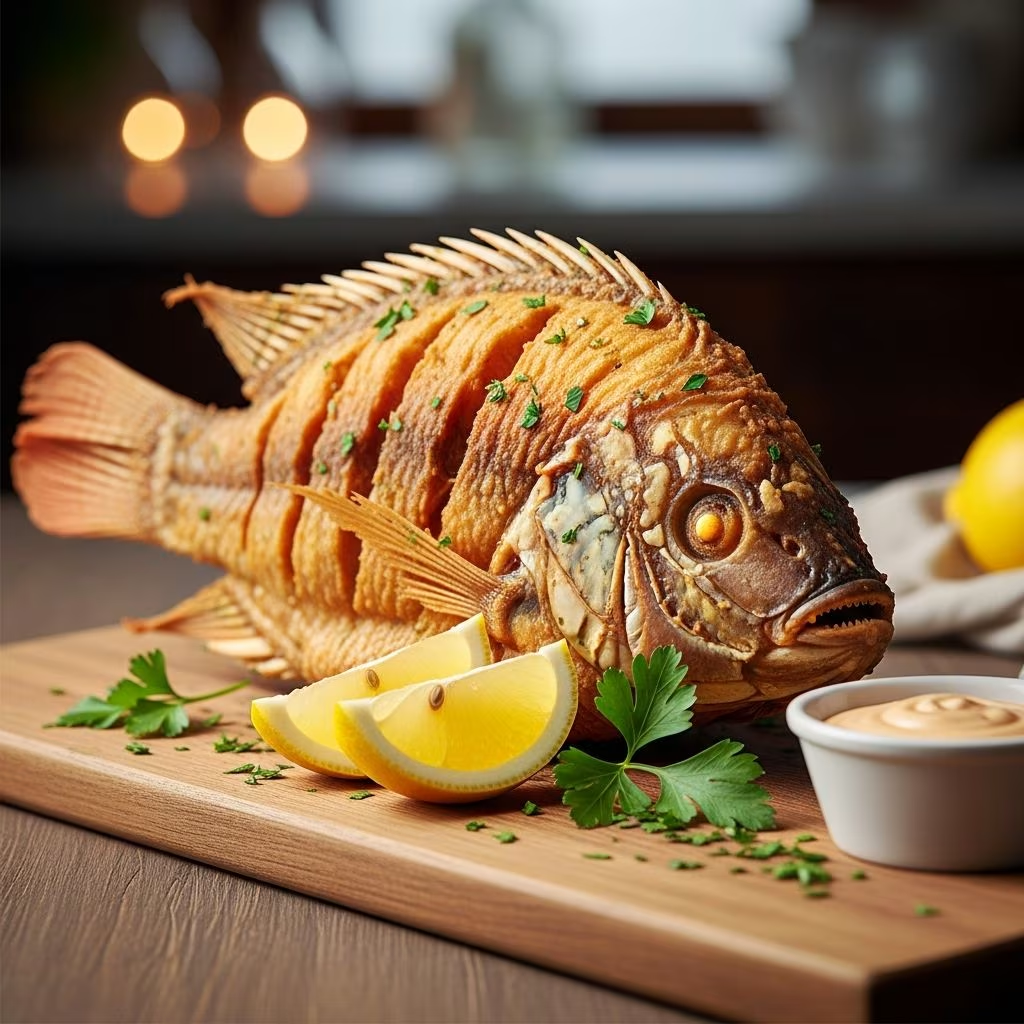
Deep-fried tilapia stands as one of the most accessible and rewarding dishes for both novice and experienced home cooks. This versatile fish offers a delicate, mild flavor that pairs exceptionally well with a variety of coatings and seasonings. When prepared correctly, deep-fried tilapia delivers a distinctive textural contrast—a golden, crunchy exterior that gives way to tender, flaky white meat inside. The beauty of this preparation method lies not only in the final result but also in the straightforward process that requires minimal kitchen expertise to achieve professional-quality outcomes.
Understanding Tilapia as Your Canvas
Tilapia has emerged as a popular choice for frying due to its firm yet delicate texture and affordable pricing. The fish’s natural characteristics make it particularly suitable for deep-frying, as the oil temperature creates an ideal environment for developing that coveted crispy skin while maintaining moisture within the flesh. Unlike more delicate fish varieties that might fall apart during frying, tilapia holds its shape admirably throughout the cooking process, making it forgiving for those still developing their frying skills.
The mild taste profile of tilapia serves as an excellent foundation for creative seasoning combinations. Whether you prefer traditional preparations rooted in specific cuisines or contemporary flavor experiments, tilapia accommodates various spice blends and coating options without overwhelming the fish’s inherent qualities.
Essential Preparation: Setting Yourself Up for Success
Proper preparation before the oil reaches temperature makes the difference between mediocre and exceptional results. Start with tilapia that has been cleaned thoroughly, with scales removed and internal cavities cleaned out completely. Pat the fish dry using paper towels—this step proves absolutely critical, as excess moisture interferes with coating adhesion and creates dangerous oil splattering.
When working with whole fish, score the skin by making shallow diagonal cuts across both sides. These incisions accomplish multiple purposes: they facilitate even cooking, allow seasonings to penetrate deeper into the flesh, and contribute to visual presentation. Make these cuts approximately half an inch apart, maintaining consistent depth without cutting through to the bone.
Seasoning should happen well before the fish enters the oil. Apply your chosen spice mixture generously inside the cavity and all over the exterior surfaces, ensuring complete coverage. Allowing the fish to rest with seasonings for at least thirty minutes—or preferably several hours—permits flavors to develop and become incorporated into the meat rather than sitting superficially on the surface.
Coating Strategies: From Simple to Sophisticated
The coating you select fundamentally influences the final texture and flavor profile of your dish. Several approaches have proven successful across culinary traditions and home kitchens:
The Minimalist Approach
Some preparations employ salt alone as the seasoning agent, relying on the tilapia’s natural qualities and the oil’s temperature to create texture. This straightforward method involves generously seasoning the cleaned fish with sea salt, allowing it to rest, and then frying without additional coatings. The result showcases the fish’s delicate flavor without competing elements.
Flour-Based Coatings
All-purpose flour serves as the foundation for countless variations. When whisked with complementary seasonings, flour creates a light, crispy exterior that maintains structural integrity throughout frying. Effective seasoning additions include Old Bay seasoning for maritime-inspired preparations, lemon zest for brightness, granulated garlic for savory depth, and cayenne pepper for those preferring heat. The key to flour coating success involves applying multiple thin layers rather than one thick application, ensuring complete coverage with no visible fish beneath the coating.
Cornmeal-Enhanced Preparations
Yellow cornmeal incorporated into coating mixtures contributes an additional textural element and subtle sweetness. Combining cornmeal with all-purpose flour in roughly equal proportions, then seasoning this mixture with Cajun spices, garlic powder, smoked paprika, and onion powder creates a coating reminiscent of Southern and Creole traditions. Marinating the tilapia in buttermilk before applying the coating enhances tenderness and flavor absorption.
Oil Selection and Temperature Management
The oil you select for deep frying significantly influences both the cooking process and final flavor. Peanut oil, vegetable oil, and canola oil all work effectively, offering high smoke points suitable for the temperatures required for successful frying. Peanut oil particularly excels at creating crispy exteriors while contributing its own subtle flavor dimension.
Temperature control represents perhaps the single most critical factor in deep-frying success. The oil should reach 340-350 degrees Fahrenheit before the tilapia enters the pan. This temperature range allows the exterior to cook quickly and develop its golden-brown crust before the interior overcooks. An instant-read thermometer eliminates guesswork from this crucial step. If oil temperature falls below this range, the fish absorbs excess oil and becomes greasy rather than crispy. Conversely, excessively hot oil burns the exterior while leaving the interior undercooked.
The Frying Process: Timing and Technique
Once your oil reaches the proper temperature, carefully place the tilapia into the hot liquid. For whole fish, fry each side for approximately 2-3 minutes, or until the exterior achieves a beautiful golden-brown color. The timeline varies based on fish size, thickness, and your specific oil temperature, so visual cues matter more than strict timing. Listen for the characteristic sizzling sound that indicates active frying; as this sound diminishes and eventually stops, the fish approaches completion.
Avoid overcrowding your frying vessel, as this lowers oil temperature and creates steam rather than crispy conditions. Cook one or two fish at a time, maintaining oil temperature between batches. If multiple fish require cooking, keep finished pieces warm in a low-temperature oven rather than allowing them to sit at room temperature where they’ll continue absorbing oil and become soggy.
Periodically flip the fish during frying to ensure even browning on both sides. This technique prevents hot spots and unevenly cooked sections. Maintain careful observation to prevent excessive coloring or burning.
Drainage and Finishing Touches
Upon achieving that perfect golden hue, remove the tilapia from the oil and place it immediately on paper towels or a draining rack. This step removes excess oil that would otherwise contribute greasiness to the final dish. Allow the fish to rest for a few minutes before serving, which permits carryover cooking and allows the coating to fully set.
Fresh accompaniments elevate the finished dish substantially. Serve deep-fried tilapia with abundant fresh lemon juice, which brightens the rich flavors and adds acidity that balances the fried elements. Hot sauce brings additional depth and heat for those preferring spicy preparations. Tartar sauce provides a cool, creamy contrast to the crispy texture. Consider serving alongside fried plantains, green salads, or coleslaw to round out the meal with complementary flavors and textures.
Troubleshooting Common Challenges
Understanding frequent obstacles helps you navigate toward consistent success. Excessive oiliness typically results from oil temperature falling too low or the fish remaining in oil too long. Conversely, a coating that doesn’t adhere properly suggests insufficient drying of the fish before cooking or inadequate coating application. If your exterior becomes too dark before the interior cooks through, your oil temperature likely exceeds the recommended range. Adjusting temperature downward slightly and cooking for marginally longer prevents this issue.
Flavor Variations Worth Exploring
Once you’ve mastered the basic technique, experimentation becomes enjoyable and rewarding. Blackened seasoning creates bold, spicy profiles popular in Cajun cuisine. Mediterranean approaches incorporate oregano, basil, and garlic into flour coatings. Asian-inspired preparations might include five-spice powder or sesame seeds mixed into cornmeal coatings. Experimenting with different spice combinations allows you to customize tilapia to your specific preferences and available ingredients.
Storage and Reheating Considerations
While deep-fried tilapia tastes best consumed immediately after preparation, leftovers can be stored in airtight containers in the refrigerator for up to two days. Reheating requires care to restore crispiness; place leftover tilapia on a baking sheet and warm in a 350-degree Fahrenheit oven for 8-10 minutes rather than using a microwave, which would render the coating soggy.
Frequently Asked Questions
How do I prevent the coating from falling off during frying?
Ensure the tilapia is thoroughly patted dry before applying coatings. Multiple thin layers of flour or cornmeal adhere better than single thick applications. Additionally, allowing seasoned fish to rest before frying permits flavors and coatings to bond more effectively with the surface.
Can I use frozen tilapia for deep frying?
Frozen tilapia works acceptably but performs better when fully thawed and patted completely dry. Frozen fish contains excess moisture that affects coating adhesion and cooking evenness. Thaw tilapia in the refrigerator overnight rather than using rapid thawing methods, which can compromise texture.
What oil produces the crispiest results?
Peanut oil and vegetable oil both create excellent crispy exteriors due to their high smoke points and neutral flavors. The specific oil matters less than maintaining proper temperature and not reusing oil excessively, which accumulates food particles and degrades frying quality.
How can I make this dish healthier without sacrificing texture?
While deep frying inherently involves oil, using the highest-quality oil and maintaining precise temperature prevents excessive oil absorption. Serving fried tilapia alongside substantial portions of vegetables or salad balances the meal nutritionally. Some cooks also explore shallow frying techniques using smaller quantities of oil, though this produces different textural results than traditional deep frying.
References
- Panlasang Pinoy Fried Tilapia Recipe — Panlasang Pinoy. Accessed 2026. https://panlasangpinoy.com/filipino-food-fried-fish-tilapia-dish/
- Perfect Fried Fish (Tilapia) Recipe | Cornmeal Batter — YouTube. Accessed 2026. https://www.youtube.com/watch?v=Viid865LMXI
- Fried Tilapia (flavorful and crunchy) + Video — Cooked by Julie. Accessed 2026. https://www.cookedbyjulie.com/fried-tilapia/
- How To Make The Best Fried Tilapia — YouTube. Accessed 2026. https://www.youtube.com/watch?v=j08eeKZF5nw
- Crispy Fried Tilapia Fish | Easy Recipe! — YouTube. Accessed 2026. https://www.youtube.com/watch?v=Ns7pAEa9_Mg