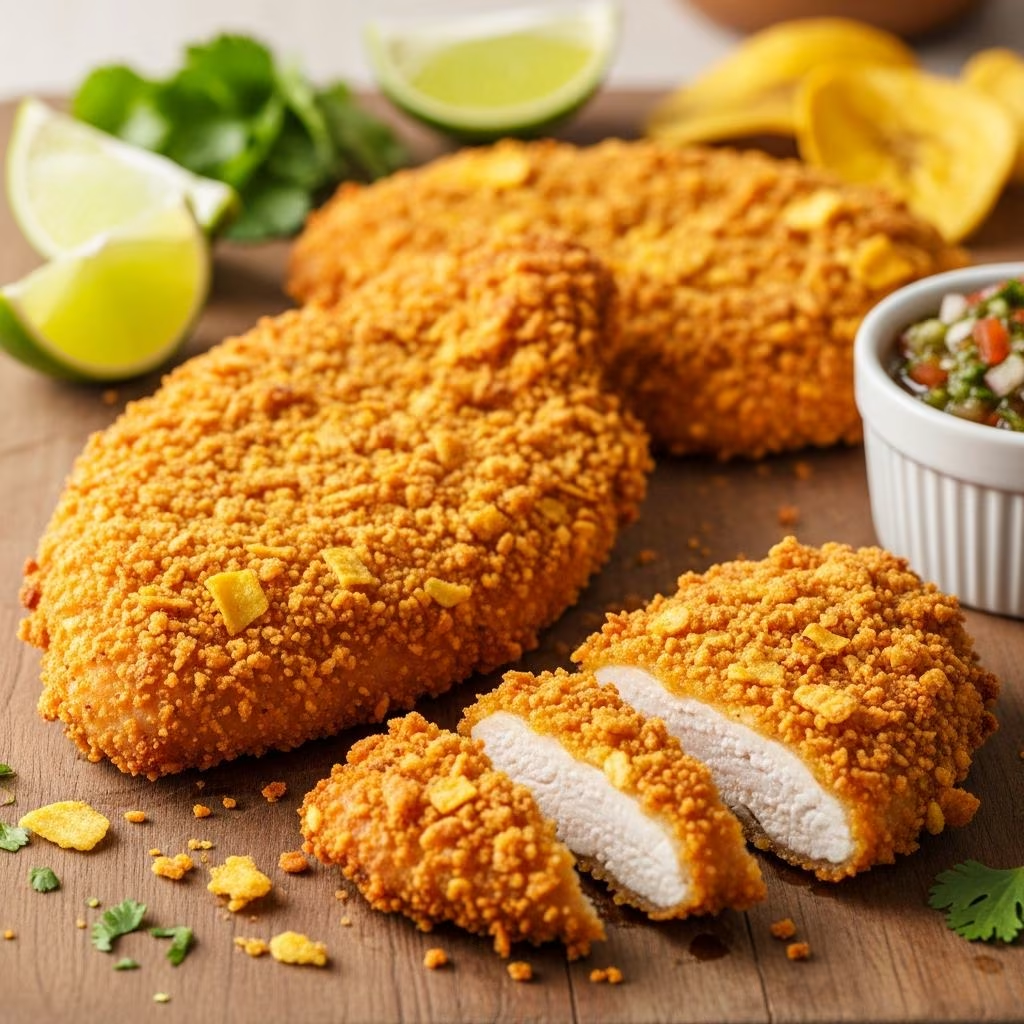
Creating perfectly crispy chicken cutlets at home requires understanding the interplay between proper marination, seasoning choices, and cooking techniques. This comprehensive guide explores how to achieve that coveted golden exterior while maintaining juicy, tender meat inside, drawing inspiration from traditional Caribbean cooking methods that have perfected this dish over generations.
Understanding the Foundation: Why Marination Matters
The marination process serves multiple purposes when preparing chicken cutlets for frying. A well-constructed marinade doesn’t simply add surface flavor; it begins breaking down the muscle fibers through the action of acidic components, which allows seasonings to penetrate deeper into the meat. This results in more flavorful chicken throughout, not just on the exterior.
The acidic component—typically vinegar or citrus juice—plays a crucial role in tenderizing the chicken while also helping to preserve moisture during the cooking process. This is particularly important for cutlets, which have a higher surface area relative to their thickness, making them more prone to drying out during frying. When acid interacts with chicken proteins, it causes them to denature and retain more moisture, creating a more succulent final product.
Essential Seasonings for Latin-Inspired Flavor Profiles
Traditional Latin seasoning blends form the backbone of authentic chicharrones de pollo. These combinations have been refined through centuries of Caribbean cooking and offer a depth of flavor that transforms simple chicken into a memorable dish.
- Adobo seasoning: This all-purpose seasoning typically combines garlic, cumin, oregano, salt, and pepper. It provides a savory, slightly peppery foundation that complements chicken exceptionally well.
- Sazon with culantro and achiote: Sazon adds a distinctive Latin character with its blend of spices and the earthy, slightly bitter notes of culantro. The achiote (annatto) component provides both color and a subtle, complex flavor profile.
- Dried oregano: Oregano adds herbaceous notes and aromatic qualities that enhance the overall seasoning complexity.
- Garlic and black pepper: These classic aromatics round out the flavor profile with pungent, warming qualities.
The Two-Stage Coating System for Maximum Crunch
Achieving the signature crunch in chicken cutlets requires a strategic approach to coating. The traditional method involves combining cornstarch with all-purpose flour, a technique that produces superior texture compared to using flour alone.
Cornstarch deserves particular attention in this preparation. Unlike regular flour, cornstarch has larger starch granules that absorb moisture differently and create a distinctly crispier crust when fried. When cornstarch is heated in oil, the starch granules swell and gelatinize, creating a shell-like coating that remains crispy even after the chicken cools slightly. The ratio of cornstarch to flour matters considerably; typically using cornstarch as approximately 40-50% of the dry coating mixture yields optimal results.
All-purpose flour, conversely, contributes structure and helps the coating adhere evenly to the chicken surface. It also contains gluten, which creates additional structure in the coating. The combination of these two ingredients creates a coating that is both sturdy enough to protect the chicken during frying and thin enough to fry until golden without becoming excessively thick or heavy.
Preparation Techniques for Consistent Results
Proper preparation of chicken pieces sets the stage for even cooking and optimal texture development. Chicken pieces should be relatively uniform in size and thickness to ensure that all pieces cook through at the same rate. Thicker pieces risk remaining undercooked in the center while thinner pieces become overdone and dry.
The marination period should not be rushed. A minimum of one hour allows sufficient time for the acidic component to begin tenderizing the meat and for the spice flavors to penetrate. Marinating in a non-reactive container (glass, ceramic, or food-grade plastic) prevents the acid from interacting with metal containers, which can impart off-flavors.
Pat the chicken dry before coating. Excess moisture prevents the coating from adhering properly and creates steam during frying, which interferes with browning and crust development. A paper towel should be used to gently remove surface moisture without damaging the meat.
Coating Application and Oil Temperature Management
The coating process benefits from organization and efficiency. Placing the dry coating mixture in a zip-top bag allows for easy tossing and complete coverage without getting hands excessively messy. Each piece should be turned several times to ensure the coating adheres evenly on all sides.
Oil temperature represents one of the most critical variables in achieving crispy results. The ideal frying temperature for chicken cutlets ranges between 325-350°F. This temperature range allows the exterior to brown and crisp while the interior cooks through without the outside burning.
If oil temperature is too low (below 325°F), the chicken absorbs excessive oil and becomes greasy rather than crispy. The coating will be pale and soggy. Conversely, if oil temperature exceeds 350°F, the exterior browns too quickly before the interior cooks, resulting in raw or undercooked chicken with an overly dark crust.
Using a programmable fryer or deep-fry thermometer removes guesswork from temperature management. This tool should be checked regularly throughout the frying process, as temperature can fluctuate, particularly when cold chicken pieces are added to the oil.
Batch Frying for Optimal Texture
Frying chicken in batches rather than crowding the pan serves multiple purposes. Overcrowding causes oil temperature to drop significantly as the cold chicken absorbs heat from the oil. This temperature drop creates the greasy, undercooked results that many home cooks experience when frying chicken.
Batching also ensures proper space around each piece, allowing heat and oil to circulate evenly. This circulation is essential for uniform browning and crisping. Each batch should fry for 10-15 minutes, depending on piece size and thickness, until the exterior achieves a deep golden-brown color and the internal temperature reaches 165°F when measured with a meat thermometer.
Post-Frying Finishing Techniques
Proper drainage after frying removes excess oil while maintaining crispness. Paper towels work effectively for this purpose, though wire racks placed over paper towels provide an alternative that allows air circulation underneath the chicken, further reducing oil absorption.
Timing is crucial when serving fried chicken. The window between frying and serving should be minimized. Chicken served immediately while still hot maintains its crispy exterior. As it cools, the coating begins absorbing atmospheric moisture, gradually softening the crust.
Flavor Variations and Serving Suggestions
While the traditional Latin spice blend creates an authentic flavor profile, variations can adapt the dish to different preferences. Additional garlic powder, cayenne pepper, or smoked paprika can be incorporated into either the marinade or the coating for personalized flavor development.
Serving options expand the versatility of crispy chicken cutlets. They pair excellently with traditional Caribbean side dishes such as mofongo (mashed plantains), arroz con pollo (rice with chicken), or fresh tropical salsas. For less formal occasions, these cutlets create exceptional sandwiches when served on crusty bread with fresh toppings.
Common Challenges and Solutions
| Challenge | Likely Cause | Solution |
|---|---|---|
| Greasy, soggy coating | Oil temperature too low | Increase oil temperature to 350°F and use a thermometer to monitor consistently |
| Raw or undercooked interior | Oil temperature too high or cooking time insufficient | Lower temperature to 325°F and extend frying time; use meat thermometer to verify doneness |
| Coating falls off during frying | Inadequate adhesion or excess moisture on chicken | Ensure chicken is patted dry and coating mixture is applied evenly; allow marinated chicken to rest before coating |
| Uneven browning | Overcrowded pan or temperature fluctuation | Fry in smaller batches and maintain consistent oil temperature with a thermometer |
| Coating too thick or heavy | Excessive flour or repeated dipping | Use proper ratio of cornstarch to flour; single coating application is typically sufficient |
Storage and Reheating Guidance
Leftover crispy chicken cutlets can be stored in an airtight container in the refrigerator for up to three days. However, the crispy texture will gradually diminish as the coating absorbs moisture.
Reheating presents a challenge, as microwaving causes the coating to become soggy. A conventional oven set to 350°F for 8-10 minutes or an air fryer at 375°F for 5-7 minutes produces better results by allowing the exterior to re-crisp while the interior reheats gently. These methods maintain more of the original texture than microwave reheating.
Nutritional Considerations
Fried chicken, by its nature, contains significant amounts of fat from the frying oil. A typical 3-ounce serving of crispy chicken cutlet contains approximately 250-300 calories, with roughly 50-60% of those calories derived from fat. However, the nutritional profile also includes substantial protein content—approximately 20-25 grams per serving—making these cutlets a protein-rich option when consumed as part of a balanced meal.
Using heart-healthy oils such as canola or corn oil (rather than saturated fats like shortening or lard) can marginally improve the nutritional profile. Additionally, serving these cutlets alongside vegetable-based sides helps balance the overall meal composition.
Frequently Asked Questions
- Can I use boneless, skinless chicken breasts instead of thighs or drumsticks?
- Yes, boneless, skinless chicken breasts work well, though they tend to be drier than thighs. Pound breasts to uniform thickness before marinating and avoid overcooking. Thighs and drumsticks, with higher fat content, produce more forgiving results.
- What if I don’t have access to Latin-specific seasonings?
- Create a substitute blend using garlic powder, cumin, dried oregano, ground coriander, salt, and black pepper. While not identical to traditional sazon and adobo, this combination provides similar flavor profiles.
- How far in advance can I marinate the chicken?
- Marinating for 1-4 hours produces optimal results. Extended marination beyond 12 hours can cause the texture to become mushy as the acid continues denaturing proteins.
- Can this dish be made with alternative oils?
- Yes, substitute oils such as peanut, canola, or vegetable oil work well. Avoid extra-virgin olive oil, which has a low smoke point and imparts flavors that clash with the Latin spice profile.
- Is deep-frying necessary, or can I pan-fry?
- Shallow pan-frying is possible but produces different results—less complete crispness and more variable browning. Deep-frying in 2-3 inches of oil provides superior crust development and more consistent results.
References
- Flavor Compounds in Traditional Caribbean Cooking — U.S. Department of Agriculture Food Data Central. Accessed 2026-04-07. https://fdc.nal.usda.gov/
- Deep Frying Safety and Temperature Management Guidelines — National Center for Home Food Preservation, University of Georgia. Accessed 2026-04-07. https://nchfp.uga.edu/
- Protein Structure Changes During Acid Marination — Food Science and Technology journals, peer-reviewed research. Accessed 2026-04-07. https://www.sciencedirect.com/