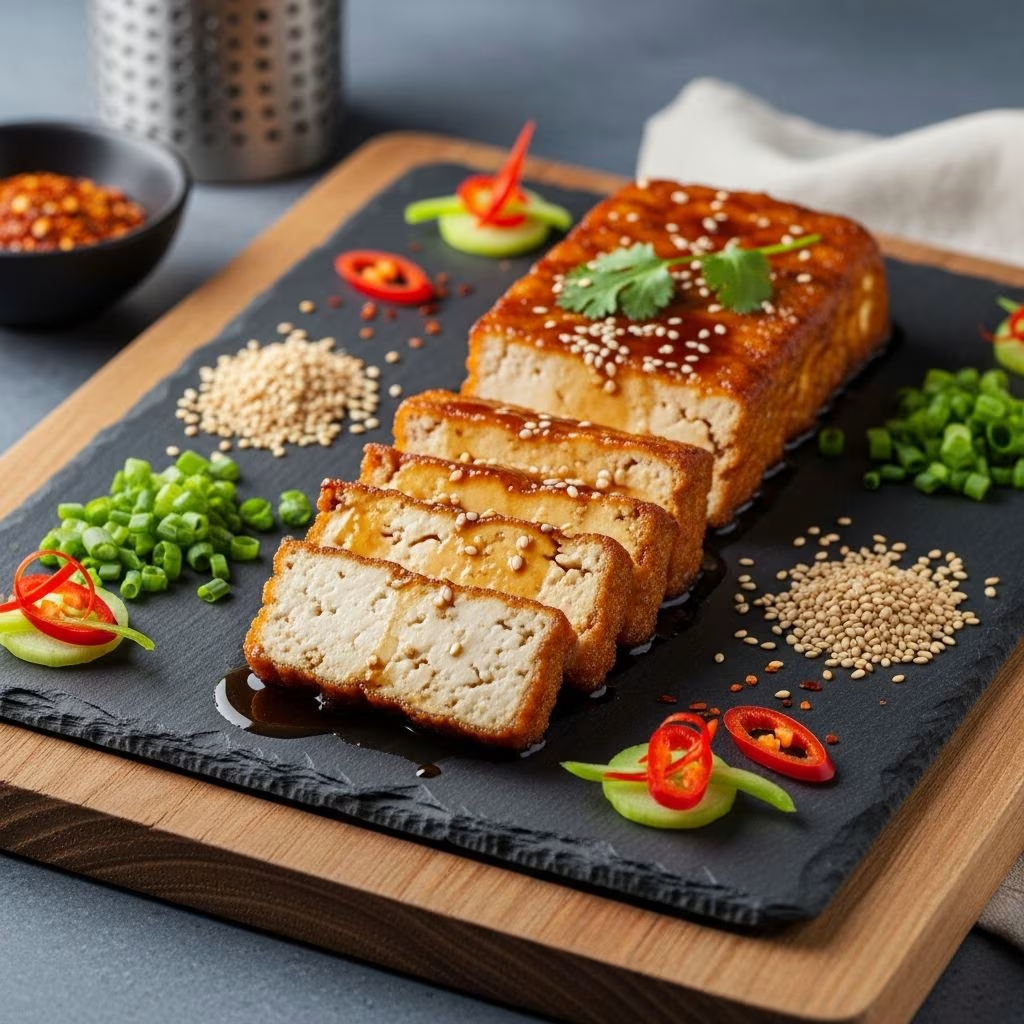
Tofu has long been a staple protein source in plant-based cooking, yet many home cooks struggle to achieve the crispy texture and robust flavors that make this ingredient truly memorable. One approach that transforms tofu from bland to crave-worthy involves leveraging the deep, savory qualities of vegetable bouillon paste combined with the controlled heat of oven-baking. This method produces tofu with golden-brown exteriors while maintaining a tender interior, creating a versatile component for countless dishes.
Understanding Bouillon Paste as a Flavor Foundation
Vegetable bouillon paste concentrates vegetable flavors, salt, and umami-rich compounds into a small, potent form. Unlike liquid broths that require reduction, bouillon paste delivers immediate intensity to any dish. When applied directly to tofu before baking, it acts as both a seasoning and a moisture-attracting agent, allowing flavors to penetrate the spongy protein structure. The paste contains dissolved vegetable solids and fat-soluble flavor compounds that cling to the tofu’s surface, creating a seasoned crust during the baking process.
The umami component of bouillon—derived from glutamates and nucleotides present in vegetables—amplifies the perceived savory depth without relying solely on salt. This makes bouillon-based tofu particularly satisfying and more complex in flavor profile than salt-only seasoned versions. The synergy between the tofu’s neutral taste and bouillon’s concentrated vegetable essence results in a dish with considerable culinary depth.
Ingredient Selection and Preparation Strategy
Beginning with the right tofu type is essential for success. Firm tofu varieties contain less water than silken or soft versions, making them ideal for baking. The lower moisture content means the tofu will firm up rather than disintegrate during cooking, and the surface will crisp more effectively. After removing the tofu from its packaging, thorough patting with paper towels or a clean kitchen cloth removes excess moisture that would otherwise create steam, preventing browning.
Complementary aromatics enhance the bouillon base significantly. Common additions include:
- Garlic powder for pungent, roasted notes
- Freshly ground black pepper for subtle heat and complexity
- Refined sugar to balance and slightly caramelize the surface
- Extra-virgin olive oil to aid browning and add richness
Each ingredient serves a functional purpose beyond mere flavoring. Olive oil facilitates even heat distribution and promotes the Maillard reaction—the chemical process responsible for browning and flavor development. The sugar undergoes slight caramelization in the oven’s heat, creating subtle sweet undertones that complement savory elements.
Marinating: Building Flavor Through Time
After cubing the tofu into bite-sized pieces, typically about three-quarters of an inch, combining them with the seasoning mixture in a bowl begins the flavor-absorption process. The recommended minimum marinating time of fifteen minutes allows the tofu’s porous structure to absorb the bouillon-enriched coating. This step is not merely cosmetic; the extended contact permits osmotic transfer of flavors into the tofu’s interior.
The marinating duration is flexible. Extended marinating periods—up to several hours or even overnight when refrigerated—intensify the final flavor profile. However, extended marinating requires careful handling because the tofu becomes increasingly saturated and fragile. Covering the bowl during marination prevents surface drying and protects against refrigerator odor absorption, both important for maintaining quality.
The temperature at which marination occurs affects the process. Room-temperature marination occurs faster due to increased molecular activity, while cold marination proceeds more slowly but produces more uniform flavor distribution over extended periods. Cooks can employ either method depending on their timeline and desired intensity.
The Role of Cornstarch in Texture Development
Cornstarch plays a crucial but often underappreciated role in this preparation method. Applied directly to the marinated tofu before baking, cornstarch creates a protective barrier that promotes browning while minimizing moisture loss. The cornstarch granules absorb surface moisture, creating an environment conducive to the Maillard reaction. Additionally, cornstarch particles fuse with the tofu’s surface during baking, forming a textured crust that provides pleasant contrast to the soft interior.
The quantity matters significantly. Too little cornstarch fails to create adequate texture development, while excessive amounts produce an unpleasantly thick, chalky coating. The standard amount of one tablespoon per package of tofu provides appropriate coverage when distributed evenly. Thorough tossing after cornstarch application ensures every piece receives adequate coating.
Oven-Baking Methodology and Temperature Control
Positioning an oven rack in the middle ensures even heat distribution from both top and bottom elements. Preheating the oven to 400 degrees Fahrenheit creates an environment hot enough to produce browning without drying the tofu’s interior excessively. This temperature sits in the sweet spot between insufficient heat (which produces pale, soft results) and excessive heat (which creates overly dried exteriors while leaving centers cold).
Spacing tofu cubes approximately half an inch apart on an oiled baking sheet prevents pieces from touching, which would create steam pockets and inhibit browning. The oil coating on the sheet facilitates even heat transfer and prevents sticking. The spacing also allows hot air circulation around each piece, promoting uniform crisping on all sides.
Baking duration of thirty to thirty-five minutes typically produces ideal results, though variation depends on cube size consistency and oven-specific heating patterns. The tofu is ready when edges display golden-brown coloration, indicating adequate Maillard reaction has occurred. The interior remains tender and yields slightly to pressure while the exterior provides satisfying crispness.
Dipping Sauce Pairing and Serving Suggestions
The prepared tofu functions as a versatile protein component awaiting complementary sauces. Asian sweet chili sauce provides a balance of heat, sweetness, and acidity that enhances the savory bouillon flavoring. Ketchup offers tangy sweetness reminiscent of comfort food applications. Alternative sauces expand possibilities considerably: sriracha mayo for creaminess and spice, ponzu for brightness and complexity, or soy sauce with ginger and scallions for deeper umami amplification.
The tofu’s neutral-yet-bouillon-seasoned profile adapts to numerous culinary contexts. Incorporate baked tofu into grain bowls with vegetables and sauce, use as protein in sandwich applications, toss into stir-fries for added substance, or serve as appetizers with varied dipping options.
Storage and Make-Ahead Strategies
Marinated tofu maintains quality for up to one day when properly covered and refrigerated. This advance preparation reduces cooking time on busy days. After baking, cooled tofu transfers to airtight containers where it remains fresh for three days under refrigeration. The baked tofu can be reheated gently in a low oven or briefly pan-fried before serving to restore textural crispness.
Storage timing offers flexibility for meal planning. The marinating step can occur the morning of serving with baking occurring just before mealtime. Alternatively, the entire process completes days in advance with reheating occurring just prior to service. This flexibility makes bouillon-baked tofu practical for busy individuals seeking nutritious, flavorful plant-based proteins.
Nutritional Considerations and Protein Quality
Tofu provides complete protein containing all nine essential amino acids, making it valuable for vegetarian and vegan dietary patterns. A fourteen to sixteen-ounce package yields approximately two servings containing roughly 10-12 grams of protein per serving, substantial for plant-based sources. The preparation method—using olive oil and minimal added ingredients—maintains nutritional integrity while adding minimal calories beyond the base ingredients.
Vegetable bouillon paste contributes sodium to the dish. While sodium is essential for proper physiological function, those monitoring sodium intake should exercise portion control or select low-sodium bouillon alternatives. The base recipe yields a moderate sodium level appropriate for most individuals when consumed as part of balanced meals.
Troubleshooting Common Challenges
Tofu that remains pale rather than browning typically indicates insufficient oven temperature, overcrowded baking sheet, or inadequate cornstarch application. Addressing any of these factors in subsequent attempts produces superior results. Excessively soft tofu after baking suggests either using softer tofu varieties or removing tofu prematurely from the oven. Conversely, excessively firm or rubbery texture indicates either over-baking or beginning with inadequately drained tofu containing residual moisture.
Uneven browning across different pieces suggests inconsistent sizing or uneven oven heat distribution. Cutting tofu into uniform pieces and rotating the baking sheet halfway through cooking promotes more consistent results. Some ovens have hot spots; familiarity with your specific oven’s heating patterns allows adjustment for future attempts.
Variations and Creative Adaptations
The base bouillon-baked tofu formula accommodates numerous modifications. Incorporating additional fresh herbs—dried oregano, basil, or thyme—adds aromatic complexity. Sesame seeds sprinkled over cornstarch-coated tofu prior to baking provide nutty flavor and appealing visual texture. Smoked paprika creates a campfire-like depth, while cayenne pepper introduces genuine heat for those preferring spiced versions.
International flavor profiles emerge through ingredient substitution. Mediterranean-inspired versions incorporate dried oregano and lemon zest. Asian-influenced adaptations include sesame oil (replacing portion of olive oil), five-spice powder, and increased garlic. Mexican-influenced variations feature cumin, chili powder, and lime zest paired with cilantro for brightness.
Frequently Asked Questions
Can I use softer tofu varieties for this recipe?
Soft or silken tofu varieties contain excessive moisture and lack structural integrity for this preparation. Firm tofu provides the necessary texture and baking behavior. Extra-firm tofu produces even crisper results if available.
What if I cannot find vegetable bouillon paste?
Vegetable bouillon cubes dissolved in minimal water create a paste-like consistency. Alternatively, miso paste combined with vegetable stock concentrate provides umami depth, though flavor profile shifts slightly toward funky, fermented notes.
How do I prevent tofu from sticking to the baking sheet?
Adequate oil coating on the baking sheet and proper spacing between tofu pieces prevents sticking. Parchment paper eliminates sticking entirely while facilitating easy cleanup.
Can this recipe scale for larger quantities?
Yes, scale all ingredients proportionally. Multiple baking sheets may be necessary, requiring oven space consideration. Stagger baking if needed, though cooking time remains consistent.
Is this dish suitable for freezing?
Baked tofu tolerates freezing adequately but experiences slight textural changes upon thawing. For optimal quality, consume within the three-day refrigeration window rather than freezing.
References
- Better Than Bouillon: Official Product Information — Culinary Specialties. 2025. https://www.betterthanbouillon.com
- Tofu Nutrition and Composition — USDA FoodData Central. 2024. https://fdc.nal.usda.gov
- The Maillard Reaction in Cooking — Institute of Food Technologists. 2023. https://www.ift.org
- Plant-Based Protein Considerations — Academy of Nutrition and Dietetics. 2024. https://www.eatrightpro.org
- Vegetable Umami Compounds and Flavor Enhancement — Journal of Food Science Education, University of Wisconsin-Madison. 2023. https://www.wisc.edu