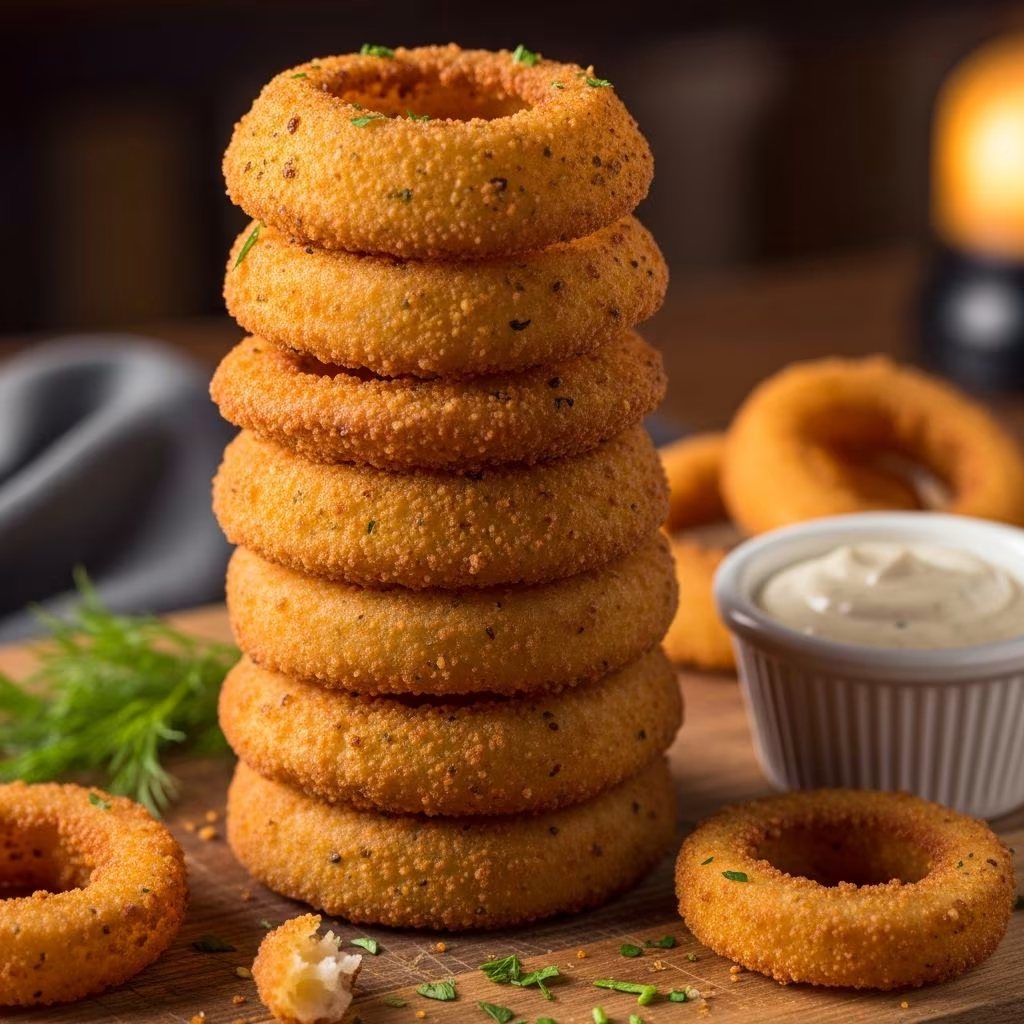
Onion rings have long been a beloved appetizer and side dish at restaurants and casual dining establishments worldwide. When prepared correctly, they deliver an irresistible combination of textures—a thin, golden-brown exterior that shatters when bitten into, contrasting with the tender, slightly sweet flesh of the onion beneath. The secret to achieving this textural perfection lies in the batter itself. Beer-based batters have become increasingly popular among home cooks and professional chefs alike because the carbonation in beer creates tiny air bubbles that result in an exceptionally light and crispy coating. This approach transforms ordinary onion rings into a gourmet-quality snack that rivals what you would find at high-end restaurants.
Understanding the Science Behind Beer Batter
The fundamental reason beer works so effectively in batters relates to its carbonation content. When beer is combined with dry ingredients and then exposed to heat, the CO₂ bubbles expand rapidly, creating a network of air pockets throughout the batter. These pockets promote the browning process and provide structural support, preventing the coating from becoming dense or greasy. Additionally, the proteins and starches in beer interact with flour to create a suspension that clings evenly to the onion rings during frying.
The alcohol content in beer also serves a practical purpose. The lower boiling point of alcohol compared to water means the coating dries and crisps faster during the frying process, locking in that desirable crunch. Even if you’re concerned about alcohol consumption, most of it evaporates during cooking, leaving only the flavor benefits behind.
For those avoiding alcohol entirely, non-alcoholic beer or club soda can serve as suitable substitutes. The carbonation remains the key element that produces the desired texture, regardless of the beverage chosen.
Essential Ingredients for the Perfect Batter
Creating an outstanding beer batter requires understanding how each ingredient contributes to the final result. Here’s what you need to know about the core components:
- All-Purpose Flour: This is the foundation of your batter, providing structure and the coating’s bulk. Typically, one cup of flour works well with approximately one cup of beer.
- Carbonated Beer: Light-colored beers such as pale lagers work exceptionally well, though any light beer with adequate carbonation will produce excellent results. The beer should be cold when incorporated into the batter.
- Seasonings: Garlic powder, paprika, cayenne pepper, cumin, and salt enhance the flavor profile, creating a savory coating that complements the onion’s natural sweetness.
- Baking Powder: This leavening agent contributes additional lift and crispiness to the batter.
- Cornstarch: When included in the recipe, cornstarch reduces the gluten network’s toughness, resulting in a more delicate, less chewy coating.
- Egg: In some variations, a beaten egg binds ingredients together and adds richness to the batter.
Selecting and Preparing Your Onions
The quality and type of onion you select significantly impacts the final dish. Yellow onions, particularly Vidalia varieties, are excellent choices because they offer a natural sweetness that becomes more pronounced when caramelized during frying. White or red onions can also be used, though they tend to have a sharper flavor profile. Sweet onions work particularly well if you prefer a milder taste.
Proper preparation ensures uniform cooking and ease of handling. Begin by trimming the stem end of the onion and removing the papery outer skin. Slice the onion horizontally into rings approximately one-half inch thick. This thickness allows the interior to cook through while the exterior achieves optimal browning. Gently separate the rings, taking care not to damage them. The small center pieces can be discarded or reserved for other uses.
Some recipes recommend soaking onion rings in ice water or treating them with cornstarch before battering. This step serves multiple purposes: it removes excess surface moisture that could interfere with batter adhesion, helps the coating stick better, and can prevent the rings from becoming soggy during storage.
Mastering the Batter Preparation Process
The sequence in which you combine ingredients and the timing of each step affects the batter’s performance. Begin by whisking together all dry ingredients—flour, baking powder, seasonings, salt, and pepper—in a large mixing bowl. This distributes the leavening agents and seasonings evenly throughout the flour.
Pour the cold beer into the dry mixture gradually while whisking continuously. The goal is to create a smooth batter with the consistency of thin pancake batter. Avoid over-mixing, as this develops gluten strands that can make the coating tough rather than light and crispy. The batter should be lumpy rather than perfectly smooth.
Allow the prepared batter to rest for fifteen to forty-five minutes before using. This resting period allows the flour to fully hydrate and the baking powder to distribute evenly, resulting in more consistent texture throughout your fried onion rings. If the batter becomes too thick during this rest period, thin it with additional beer as needed.
Preparing Your Frying Setup
Successful deep frying depends on proper temperature control and adequate oil. Fill a heavy-bottomed pot, Dutch oven, or dedicated deep fryer with enough oil to submerge the onion rings—typically two to three inches of oil. Vegetable oil works well for this purpose because it has a high smoke point suitable for deep frying temperatures.
Heat the oil to between 350 and 375 degrees Fahrenheit. Use a reliable kitchen thermometer to monitor the temperature precisely. Oil that’s too cool produces greasy, soggy rings because they absorb excessive oil before the exterior crisps. Oil that’s too hot burns the exterior before the interior cooks properly and can produce a bitter taste.
While the oil heats, prepare your draining station. Line a wire rack or plate with paper towels to absorb excess oil from the finished rings. This setup prevents the rings from sitting in pooled grease, which would make them soggy.
The Frying Process and Batch Management
Working in small batches is crucial for maintaining consistent oil temperature and achieving even cooking. Overcrowding the pot causes the oil temperature to drop dramatically, resulting in uneven browning and excessive oil absorption.
Dip each onion ring into the batter, ensuring complete coverage. Allow excess batter to drip back into the bowl before carefully placing the ring into the hot oil. Work methodically, placing four to five rings at a time in a single layer without overlapping.
Fry the rings for approximately two to five minutes, depending on thickness and oil temperature. Watch for the exterior to turn golden brown, then flip the rings to cook the opposite side for an additional one to three minutes. The total cooking time typically ranges from three to five minutes per batch.
Using a slotted spoon or spider strainer, transfer the cooked rings to your prepared draining station. Sprinkle lightly with salt immediately after removing from the oil while they’re still hot, as salt adheres better to warm, slightly moist surfaces.
Flavor Enhancement Through Complementary Sauces
While beer-battered onion rings are delicious on their own, pairing them with thoughtfully prepared dipping sauces elevates the entire experience. A lime-infused mayonnaise combines creamy richness with bright citrus notes that cut through the richness of the fried coating. Simply blend mayonnaise with fresh lime juice, minced garlic, and a touch of cayenne pepper.
Other popular sauce options include comeback sauce, yum yum sauce, sweet and sour sauce, and boom boom sauce. These sauces typically combine mayonnaise or sour cream bases with ketchup, spices, and various flavor elements to create depth and complexity.
Storage and Reheating Guidelines
Leftover onion rings can be stored in an airtight container in the refrigerator for up to three days. However, they are best enjoyed immediately after frying when the contrast between crispy exterior and tender interior is most pronounced. As they sit, moisture gradually penetrates the coating, causing it to soften.
To restore crispiness to leftover rings, reheat them in an oven preheated to 375 degrees Fahrenheit for five to seven minutes. This approach restores crunchiness better than microwave reheating, which tends to trap steam and accelerate the softening process.
Troubleshooting Common Issues
Soggy or Greasy Rings: This typically indicates oil temperature was too low or the rings remained in the oil too long. Ensure accurate temperature monitoring with a reliable thermometer, and avoid overcrowding the pot.
Pale or Unevenly Browned Exterior: Batter that’s too thick or oil that’s insufficiently hot creates this issue. Thin the batter slightly and increase oil temperature gradually while monitoring with a thermometer.
Batter Not Adhering to Onions: This occurs when onion rings have excess surface moisture. Pat rings thoroughly dry before battering, and consider the cornstarch pre-coating method described earlier.
Burnt Exterior with Undercooked Interior: Oil temperature is too high. Reduce heat and allow temperature to stabilize before continuing.
Variations and Creative Adaptations
Once you’ve mastered the basic technique, numerous variations allow for creative expression. Substitute different seasonings such as smoked paprika, chili powder, creole seasoning, or dried herbs to create distinct flavor profiles. Some cooks add a small amount of sugar to the batter to enhance browning and create subtle caramelization.
The batter preparation can be adapted for other vegetables. Zucchini slices, mushroom caps, green beans, and jalapeños all benefit from the same beer-battered technique. Cheese-filled items such as mozzarella sticks can also be breaded and fried using this method.
Frequently Asked Questions
Can I make beer-battered onion rings without beer?
Yes, club soda or sparkling water provides the same carbonation benefits that create the light, crispy texture. Non-alcoholic beer is another option for those concerned about alcohol content.
What type of beer works best?
Light-colored beers with sufficient carbonation work well. Pale lagers are popular choices, but ultimately any light beer with carbonation will produce good results. The specific brand matters less than the carbonation level.
How far in advance can I prepare the batter?
While batter is best used soon after preparation, it can be covered and refrigerated for a few hours. However, the carbonation gradually dissipates over time, so fresh batter produces superior results. Prepare batter no more than a few hours before frying.
Is a deep fryer necessary, or can I use a regular pot?
A heavy-bottomed pot works fine. Deep fryers offer the advantage of consistent temperature control and specialized filtration, but a quality pot with a reliable thermometer produces excellent results.
Why do my onion rings stick together during frying?
Overcrowding the oil causes rings to clump together. Fry in smaller batches, maintaining adequate spacing. Additionally, ensure rings are separated and not sticking together before placing them in the oil.
Achieving Restaurant-Quality Results at Home
Creating exceptional beer-battered onion rings at home requires attention to detail, proper ingredient selection, and understanding the science behind the cooking process. The carbonation in beer transforms a simple flour-based coating into something light and impossibly crispy. Combined with properly selected onions, appropriate seasoning, and careful temperature management, these principles enable any home cook to produce restaurant-quality results that will impress family and friends alike.
References
- Food Science Principles: Carbonation in Batters — Food and Agriculture Organization (FAO). 2024. https://www.fao.org
- Deep Frying Safety and Temperature Guidelines — U.S. Department of Agriculture. 2023. https://www.usda.gov
- Beer Battered Onion Rings Recipe Guide — Small Town Woman. 2024. https://www.smalltownwoman.com/beer-battered-onion-rings-dipping-sauce/
- Cooking Techniques for Crispy Fried Foods — Kevin Is Cooking. 2024. https://keviniscooking.com/beer-battered-onion-rings/
- Beer Batter Preparation Methods — An Edible Mosaic. 2024. https://www.anediblemosaic.com/beer-batter-onion-rings-recipe/