Chicken wings have become a staple of casual dining and entertaining, yet many home cooks struggle to achieve the crispy, golden exterior that makes them irresistible. The challenge lies not in complexity but in understanding the fundamental principles that transform ordinary poultry into restaurant-quality appetizers. Baking offers a practical alternative to deep frying, eliminating excess oil while delivering comparable texture and flavor. This comprehensive guide explores the science and methodology behind creating perfectly baked chicken wings that satisfy even the most discerning palate.
Understanding the Foundation: Why Moisture Control Matters
The primary obstacle to achieving crispy baked wings stems from surface moisture. Chicken skin contains natural juices that, if not properly managed, convert to steam during baking and create a rubbery, soggy exterior rather than the desired crackling texture. Professional kitchens and experienced home cooks recognize that comprehensive drying represents the most critical step in the entire preparation process.
The mechanism is straightforward: moisture on the skin prevents direct contact between the wing surface and dry heat, which is essential for the Maillard reaction—the chemical process responsible for browning and flavor development. Without proper drying, the wing steams in its own moisture rather than roasting.
Begin by removing wings from packaging and placing them on a lined baking sheet. Using high-quality paper towels, pat each wing individually and thoroughly. Many recipes suggest a cursory drying step; however, professional preparation demands patient, deliberate pressure applied to every surface, including the undersides and crevices where moisture accumulates. Consider using multiple paper towels to absorb maximum moisture before proceeding to seasoning.
The Chemistry of Crispy Coatings: Baking Powder’s Essential Role
Traditional wing recipes rely on baking powder to achieve crispiness without relying solely on extended cooking times or excessive oil. This ingredient works through a scientific principle rather than mere culinary tradition. Baking powder contains an alkaline compound that raises the pH of the chicken skin, accelerating the browning process and promoting moisture evaporation.
When selecting baking powder, verify that it is aluminum-free. Certain commercial brands incorporate aluminum compounds that can impart unpleasant metallic or bitter flavors to the finished dish. The quantity matters as well—typically one and a half to two tablespoons of baking powder per three to four pounds of wings provides optimal results without leaving any residual taste.
Combine baking powder with complementary dry seasonings in a separate bowl before application. This ensures even distribution and prevents clumping, which could create undesirable concentrated flavors on specific wings.
Essential Seasoning Combinations and Flavor Profiles
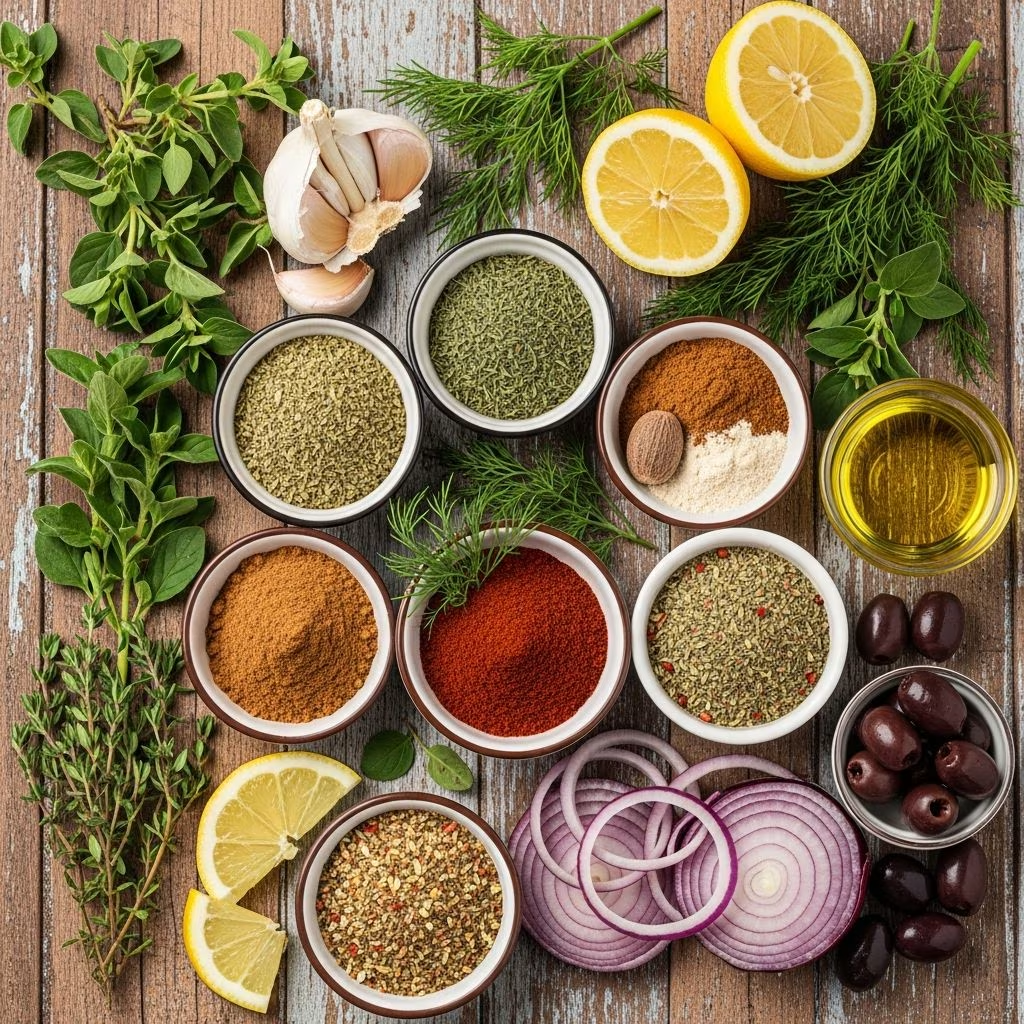
While infinite variations exist, fundamental seasoning components create the backbone of exceptional wing flavors. The foundation typically includes:
- Fine sea salt or kosher salt – provides basic seasoning while aiding in moisture extraction from the skin
- Ground black pepper – adds warmth and complexity to the flavor profile
- Garlic powder – delivers savory depth without introducing additional moisture from fresh garlic
- Onion powder – contributes umami qualities and subtle sweetness
- Paprika or smoked paprika – introduces color, mild sweetness, and either classic or smoky undertones depending on variety selection
Beyond this core combination, cooks can experiment with fresh rosemary (finely minced to prevent burning), white pepper for subtle heat variations, or smoked paprika for enhanced depth. The key principle involves balancing moisture-free powdered seasonings rather than introducing wet ingredients or fresh herbs that could compromise the crispy exterior.
Oven Configuration and Temperature Management
Temperature serves as a critical variable in achieving superior results. Most expert preparations recommend preheating the oven to 425 degrees Fahrenheit, though some sources suggest 400 degrees for slightly longer cooking that allows more gradual browning. The higher temperature accelerates the Maillard reaction and moisture evaporation simultaneously.
Rack positioning affects heat circulation and browning consistency. Placing the oven rack in the upper-middle position ensures the wings receive adequate heat from above while preventing the bottom from burning. If using a wire rack placed on top of a baking sheet (a technique that promotes air circulation around the wings), allow several inches of clearance above the wings to prevent interference with oven coils.
Preheat the oven thoroughly before placing wings inside. This ensures consistent temperature from the moment cooking begins, promoting even browning rather than creating hot spots or undercooked areas.
Preparation Steps: From Raw Wings to Baking Sheet
Following a methodical preparation sequence ensures optimal results:
- Remove wings from refrigeration and separate them at the joints into drumettes and flats, discarding wingtips or reserving them for stock preparation
- Thoroughly pat wings dry using multiple paper towels, applying firm pressure to all surfaces
- Place dried wings in a large mixing bowl
- In a separate small bowl, combine all dry seasonings including baking powder, mixing until uniformly distributed
- Sprinkle seasoning mixture over wings and toss vigorously until all pieces are evenly coated
- Arrange wings in a single layer on the prepared baking sheet, spacing them so they do not overlap or touch
- Position wings skin-side up to maximize exposure to direct heat
Baking Techniques: Monitoring and Turning for Optimal Browning
Initial baking time depends on wing size but typically ranges from forty-five minutes to one hour at 425 degrees Fahrenheit. Rather than simply placing wings in the oven and forgetting them, successful preparation involves active monitoring and periodic turning.
Most recipes recommend turning wings every fifteen to twenty minutes, a practice that ensures both skin sides receive adequate heat exposure. This prevents one side from browning excessively while the opposite side remains pale or undercooked. Some cooks prefer turning wings at the midpoint of cooking only, though more frequent rotation generally produces more uniform browning.
The wings are finished when skin appears deeply browned and crispy across all surfaces, and internal temperature reaches 165 degrees Fahrenheit when measured with a meat thermometer. Visual cues include the skin pulling slightly away from the bone and the overall darkened appearance throughout.
An optional technique involves removing wings at the thirty-minute mark, then returning them to a reduced-temperature oven (around 200-250 degrees Fahrenheit) for an additional ten to fifteen minutes. This final low-heat period allows residual moisture to evaporate while preventing further browning, resulting in exceptionally crispy wings.
Complementary Dipping Sauces and Serving Considerations
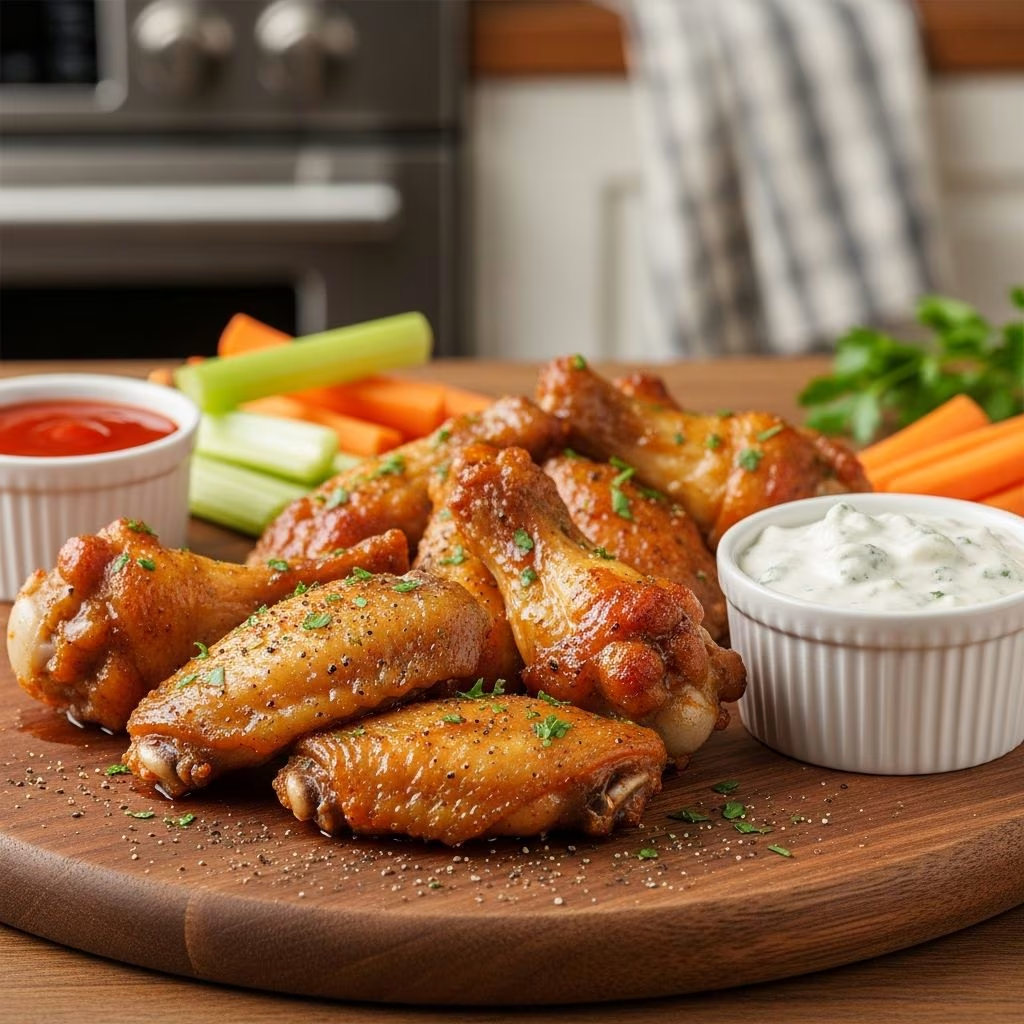
Baked wings serve as an excellent canvas for diverse sauce applications. Classic pairings include buffalo sauce, barbecue sauce variations, honey sriracha combinations, and ranch-style dressings. Many cooks prepare homemade ranch dressing using Greek yogurt, mayonnaise, fresh herbs, and buttermilk as a lighter alternative to commercial versions.
When serving baked wings with sauce, consider applying sauce after baking rather than before to maintain the crispy exterior. Alternatively, present sauce on the side, allowing guests to dip according to preference and preserving the textural contrast between crispy skin and tender meat.
Serve wings immediately after baking or cooling to room temperature, depending on preference. Hot wings showcase the contrast between crispy exterior and juicy interior most dramatically, while room-temperature wings work well for casual entertaining scenarios.
Ingredient Selection and Quality Considerations
Wing quality significantly impacts the final result. Select fresh or properly thawed chicken wings with intact skin and minimal blemishes. Frozen wings work adequately but should be thawed completely and patted especially dry, as frozen and thawed poultry retains more moisture than fresh varieties.
The choice between whole wings and pre-separated drumettes and flats affects both cooking time and presentation. Whole wings separated into drumettes and flats provide superior control over cooking consistency and yield easier consumption. Purchasing wings already separated simplifies preparation but may introduce slight quality variation depending on butcher practices.
Butter application, used in some recipes, adds richness and aids in browning but is not strictly necessary. When incorporating butter, use melted rather than solid forms to ensure even coating and prevent clumping of seasonings.
Advanced Variations and Experimental Approaches
Once mastering the fundamental technique, cooks can explore variations that maintain crispy texture while introducing novel flavors. Dry rub variations incorporating different spice profiles—such as Asian-inspired combinations with five-spice powder or Mediterranean herbs—work effectively with the baking powder base technique.
Glazing techniques, applied during the final minutes of baking, create caramelized coatings while maintaining underlying crispiness. Honey-based glazes, teriyaki reductions, or lemon pepper combinations applied in the last five to ten minutes add complexity without introducing excessive moisture.
Alternative cooking methods including air fryer preparation and outdoor grilling variations accommodate different kitchen equipment while maintaining similar principles of moisture management and high-heat application.
Troubleshooting Common Issues and Achieving Consistent Results
Understanding potential pitfalls enables refinement of technique:
| Issue | Likely Cause | Solution |
|---|---|---|
| Rubbery or chewy skin | Insufficient drying or low temperature | Dry wings more thoroughly and increase oven temperature to 425°F |
| Uneven browning | Wings touching or irregular turning | Space wings apart and turn every 15-20 minutes |
| Burnt exterior with undercooked interior | Temperature too high or wings too large | Reduce to 400°F and ensure wings are similarly sized |
| Bitter or metallic taste | Aluminum-containing baking powder | Switch to aluminum-free baking powder brand |
| Wings stick to pan | Inadequate pan lining | Use parchment paper or foil with non-stick spray |
Frequently Asked Questions
Can I prepare wings ahead of time and refrigerate them before baking?
Yes, seasoned wings can be refrigerated for up to several hours before baking. However, remove them from refrigeration approximately fifteen minutes before baking to allow them to reach closer to room temperature, which promotes more even cooking throughout.
What is the difference between drumettes and flats?
Drumettes resemble small drumsticks with a single bone, while flats (also called wingettes) contain two parallel bones. Both sections cook at similar rates and benefit equally from the baking powder technique.
Can I freeze baked wings for later consumption?
Yes, cooled baked wings freeze well for up to three months in airtight containers. Reheat in a 375-degree oven for approximately fifteen minutes to restore crispiness.
Should I use a wire rack or direct contact with the baking sheet?
A wire rack promotes superior air circulation and prevents direct contact with accumulated fat, resulting in crispier undersides. However, direct placement on parchment or foil-lined sheets works adequately if racks are unavailable.
How do I know when wings are fully cooked?
Internal temperature should reach 165 degrees Fahrenheit when measured with a meat thermometer inserted into the thickest part of the drumette without touching bone. Additionally, juices should run clear and the meat should easily separate from bone.
Conclusion: Elevating Home Cooking Through Technique
Mastering baked chicken wings demonstrates how understanding fundamental cooking principles—moisture management, temperature control, and proper seasoning—transforms simple ingredients into impressive results. The technique requires minimal special equipment and readily available ingredients while eliminating the mess and safety considerations associated with deep frying. Whether preparing wings for casual family meals or entertaining guests, the methods outlined here provide a reliable foundation for consistently achieving restaurant-quality outcomes that rival any takeout establishment.
References
- Crispy Baked Chicken Wings — Natasha’s Kitchen. Accessed April 2026. https://natashaskitchen.com/baked-chicken-wings/
- Extra Crispy Baked Chicken Wings – Simple Everyday Recipes — Run Lift Eat Repeat. Accessed April 2026. https://runlifteatrepeat.com/baked-chicken-wings/
- Crispy Baked Chicken Wings — Tastes Better From Scratch. Accessed April 2026. https://tastesbetterfromscratch.com/crispy-baked-chicken-wings/
- Crispy Baked Chicken Wings — Healthy Recipes Blog. Accessed April 2026. https://healthyrecipesblogs.com/baked-chicken-wings/
- 8 Chicken Wing Hacks You Need to Try — Allrecipes/YouTube. Accessed April 2026. https://www.youtube.com/watch?v=be2JgNCm_1Y
- How To Make The Crispiest Chicken Wings (3 Recipes) — Tasty 101/YouTube. Accessed April 2026. https://www.youtube.com/watch?v=xYe04gdw1Bo